Do You Need a Rear Exhaust Fan: Essential Guide
Do You Need a Rear Exhaust Fan? If you’re wondering if your vehicle needs a rear exhaust fan, the answer is typically no for most everyday passenger cars. Factory exhaust systems are designed to vent gases out the back. Aftermarket rear exhaust fan systems are usually for specialized performance needs or specific vehicle types, not standard driving.
Ever popped the hood of your car and felt a little lost when it comes to the exhaust system? You’re not alone! Many car owners find this part of their vehicle a bit mysterious. If you’ve heard whispers about “rear exhaust fans” and wondered if your car needs one, let’s clear the air. These systems can sometimes seem complicated, but understanding what they do and if you really need one is simpler than you might think. We’ll break it down so you can feel confident about your car’s exhaust.
What is a “Rear Exhaust Fan,” Anyway?
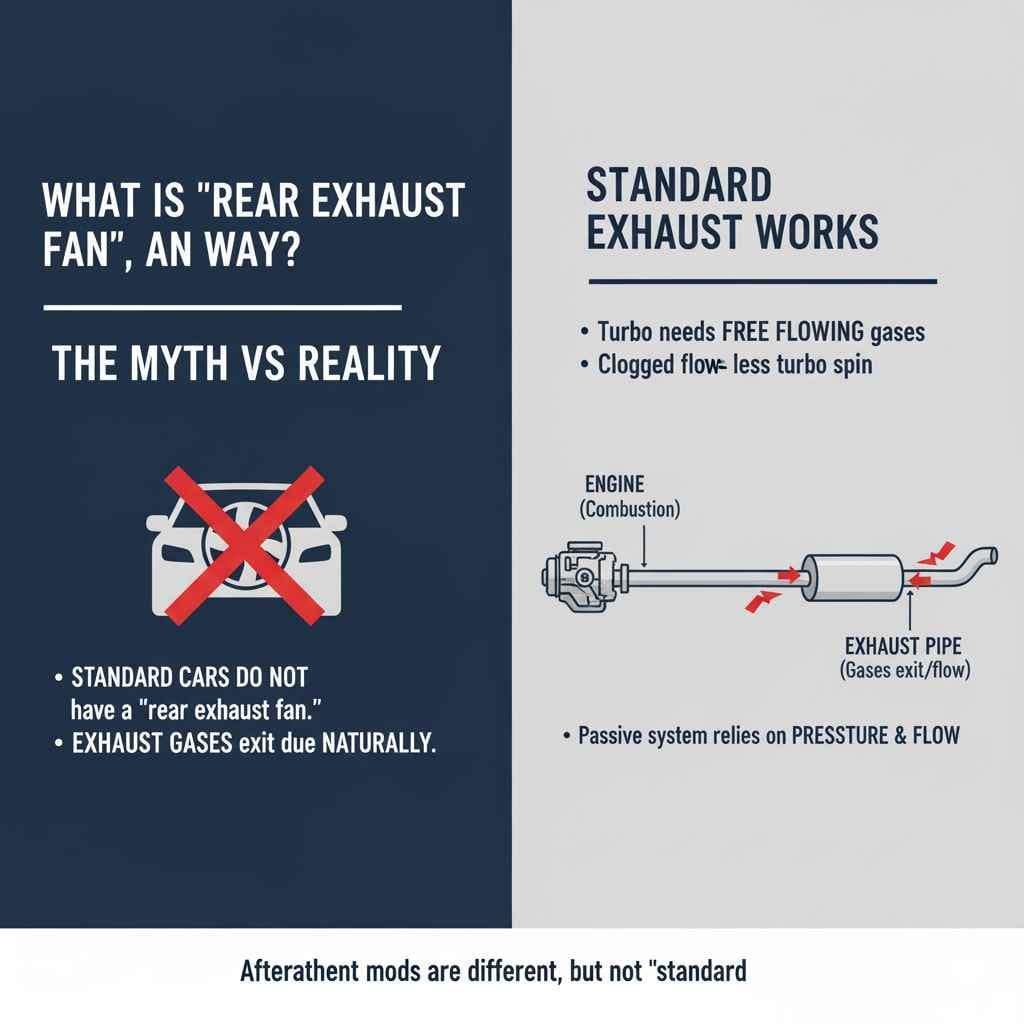
When people talk about a “rear exhaust fan” in the context of cars, they’re usually referring to an exhaust fan that’s part of a larger ventilation or cooling system, or sometimes a component within an aftermarket performance exhaust setup. It’s important to understand that standard passenger vehicles coming off the assembly line do not have a “rear exhaust fan” in the way a bathroom or kitchen might. The natural path of exhaust gases from the engine is designed to exit through the exhaust pipe at the rear of the vehicle.
Think of it this way: your car’s engine burns fuel, and this process creates exhaust gases. These gases need to go somewhere safe and away from the occupants. The entire exhaust system’s job is to manage and direct these gases. The “fan” idea pops up when people consider ways to actively help this process, especially in scenarios beyond normal driving.
The core components of a standard exhaust system are designed to work passively. They rely on exhaust gas pressure, temperature, and the vehicle’s movement to push the gases through. So, for most drivers, the idea of needing a special fan at the rear is usually a misunderstanding of how a stock exhaust works or a reference to very specific aftermarket modifications.
Understanding Your Car’s Standard Exhaust System
Before we dive into the idea of adding a fan, let’s quickly recap what your car already has. Your standard exhaust system is a network of pipes and components that tackle several jobs:
Collecting Exhaust: It gathers the hot, harmful gases produced by the engine.
Reducing Noise: The muffler is a key part that quiets down the loud explosions happening inside your engine.
Cleaning Emissions: The catalytic converter (a vital component mandated by environmental regulations) uses special metals to convert toxic pollutants into less harmful ones.
Directing Exhaust: Finally, the exhaust pipe guides these processed gases out the back of your vehicle and away from the cabin.
This system is designed to be efficient and effective as it is. It uses the natural pressure and flow of gases from the engine to move everything along. There’s no need for an extra fan pulling or pushing the exhaust out under normal conditions.
When the “Rear Exhaust Fan” Idea Might Come Up
So, if a standard car doesn’t need one, where does this concept of a rear exhaust fan originate? It usually boils down to two main areas:
1. Aftermarket Performance Exhausts
Enthusiasts looking for more power or a different sound might consider modifications. While some high-performance systems might incorporate design elements that aid flow (like larger pipes or optimized mufflers), a “fan” is still not standard. Instead, performance exhausts focus on reducing backpressure (the resistance the engine’s exhaust faces). Less resistance means the engine can “breathe” more easily, potentially leading to a slight increase in horsepower.
However, even in this realm, actively adding a fan at the rear is extremely rare for street cars. It’s more of a concept seen in specialized racing applications or custom builds where extreme airflow management is critical.
2. Ventilation or Cooling Systems (Less Common for “Exhaust Fan”)
The term might also be confused with auxiliary ventilation or cooling fans that might be located near the rear of the vehicle for specific purposes. For example:
Engine Bay Cooling: Some vehicles have electric fans to help cool the engine bay, especially when stationary or at low speeds. These aren’t directly part of the exhaust system but are related to managing heat.
Specialized Vehicles: Certain heavy-duty trucks, RVs, or specialized work vehicles might have auxiliary cooling systems that utilize fans, but these are not typically part of the primary exhaust gas expulsion.
For the average car owner, the focus should be on the standard exhaust system’s health and proper function.
Factors That Might Make You Think About Exhaust Airflow
While you likely don’t need a literal “rear exhaust fan,” understanding what affects your car’s exhaust performance is still important. Here are some conditions and issues that can impact how well your exhaust system works:
Clogged Catalytic Converter: If this component gets blocked, it severely restricts exhaust flow, hurting performance and fuel economy.
Damaged Muffler/Pipes: Leaks, rust, or physical damage can affect noise levels and, in extreme cases, lead to exhaust gases escaping before they should.
Exhaust Leaks: Leaks anywhere in the system can be dangerous, as they can allow toxic fumes into the cabin.
Engine Performance Issues: Sometimes, problems with the engine itself (like timing or fuel mixture) can affect the exhaust gas output and perceived performance.
If you notice unusual noises, a smell of exhaust fumes, a decrease in power, or a check engine light, these are indicators that your existing exhaust system needs attention, not that it needs a fan added.
Diagnosing Exhaust Issues: What to Look (and Listen) For
As a car owner, you can do some basic checks to ensure your exhaust system is in good shape. These are tell-tale signs that might prompt a visit to a mechanic:
Signs of Trouble:
Loud Noises: A sudden increase in the loudness of your exhaust, especially with sputtering or rattling sounds, often indicates a leak or a muffler problem.
Smell of Exhaust Fumes: This is a serious warning sign. If you smell exhaust inside the car, it means gases could be leaking into the cabin, which is dangerous due to carbon monoxide.
Reduced Engine Power: If your car feels sluggish or struggles to accelerate, a restricted exhaust system (like a clogged converter) is a common culprit.
Vibrations: Unusual vibrations, especially coming from underneath the car, can signal a loose or damaged exhaust component.
Check Engine Light: This light can illuminate for many reasons, but exhaust system faults are a frequent cause, especially related to the catalytic converter or oxygen sensors.
Simple Checks You Can Do:
Visual Inspection: When the exhaust is cool, look underneath your car. Check for obvious signs of rust, holes, or parts hanging loosely. A quick search for reputable car repair guides can show you what to look for.
Listen Carefully: Pay attention to the sound of your car when you start it up and when you’re driving. Any drastic change from its normal sound is worth noting.
Check for Rattles: Sometimes, a loose heat shield or a broken hanger can cause metallic rattling noises.
If you find any of these issues, it doesn’t mean you need a rear exhaust fan. It means your current system needs repair.
When a “Fan” Might Actually Be Relevant (Specialized Cases)
While we’ve established that standard cars don’t need rear exhaust fans, there are niche applications where some form of fan might be integrated into vehicle exhaust or cooling systems. These are usually custom or high-performance setups:
1. Electric Exhaust Cutouts: These are performance modifications that bypass a portion of the exhaust system (often the muffler) with the flip of a switch. While they don’t involve a fan, they aim to improve exhaust flow for racing or spirited driving.
2. Forced Induction Systems (Turbochargers/Superchargers): These systems force more air into the engine, which requires a more robust exhaust system to get excess gases out. They don’t use a fan at the rear but fundamentally change the way exhaust is managed.
3. Motorsport Applications: On some race cars, especially those with mid- or rear-engine configurations, dedicated cooling fans might be found in the rear to manage engine bay temperatures. These are part of the cooling strategy, not the primary exhaust venting.
4. Auxiliary Cooling for Specific Equipment: For vehicles modified to tow heavy loads or carry specific equipment that generates a lot of heat, additional cooling fans might be added to the chassis, potentially near the rear, to assist with overall temperature regulation.
It’s crucial to distinguish these specialized scenarios from the needs of an everyday driver. For your daily commute or family car, a factory-designed exhaust system is all you need.
Pros and Cons Table: Standard vs. Modified Exhausts
To help clarify, let’s look at the general pros and cons of sticking with a standard exhaust versus exploring performance modifications. We’ll focus on the concept of airflow and efficiency.
| Aspect | Standard Exhaust System (No Rear Fan) | Aftermarket Performance Exhaust (Hypothetical “Fan” aspect related to airflow) |
|---|---|---|
| Noise Level | Designed for quiet operation, meeting legal decibel limits. (Pro) | Can be louder, often a desired feature for performance cars. (Pro for some, Con for others) |
| Performance | Optimized for a balance of efficiency, emissions, and everyday driving. (Pro) | May offer slight horsepower gains by reducing restrictions. (Pro) |
| Emissions Control | Features a catalytic converter designed to meet strict environmental standards. (Pro) | Needs to ensure emissions compliance; some modifications can negatively impact this. (Potential Con) |
| Complexity & Cost | Reliable, widely available, and cost-effective to maintain. (Pro) | Can be expensive, may require professional installation, and could have higher maintenance costs. (Con) |
| Durability & Longevity | Built for long-term use with durable materials. (Pro) | Material quality varies; some performance parts may not last as long as OEM. (Potential Con) |
| Fuel Efficiency | Generally designed for optimal fuel economy. (Pro) | Can sometimes decrease fuel efficiency if focused purely on high-RPM power. (Potential Con) |
| Legality | Complies with all local and federal regulations. (Pro) | Some modifications might not be street-legal in all areas (e.g., emissions, noise). (Potential Con) |
This table highlights that for most drivers, the standard system is the best bet for everyday use, safety, and compliance.
The Importance of Professional Maintenance
Even if your car doesn’t need a special fan, it definitely needs its exhaust system checked regularly. A qualified mechanic can:
Inspect for Leaks: They have the tools and expertise to find even small leaks that you might miss.
Assess Component Health: They can tell you if your muffler, catalytic converter, or pipes are nearing the end of their life.
Identify Performance Restrictions: They can diagnose issues like a clogged catalytic converter.
Ensure Safety: They confirm that no harmful exhaust gases are escaping into your cabin.
A good place to learn about general vehicle maintenance – including exhaust – is through resources like the National Institute for Automotive Service Excellence (ASE), which certifies technicians and provides consumer information.
When you take your car in for service, always let them know about any symptoms you’ve noticed, no matter how small they seem.
When to Consult an Expert
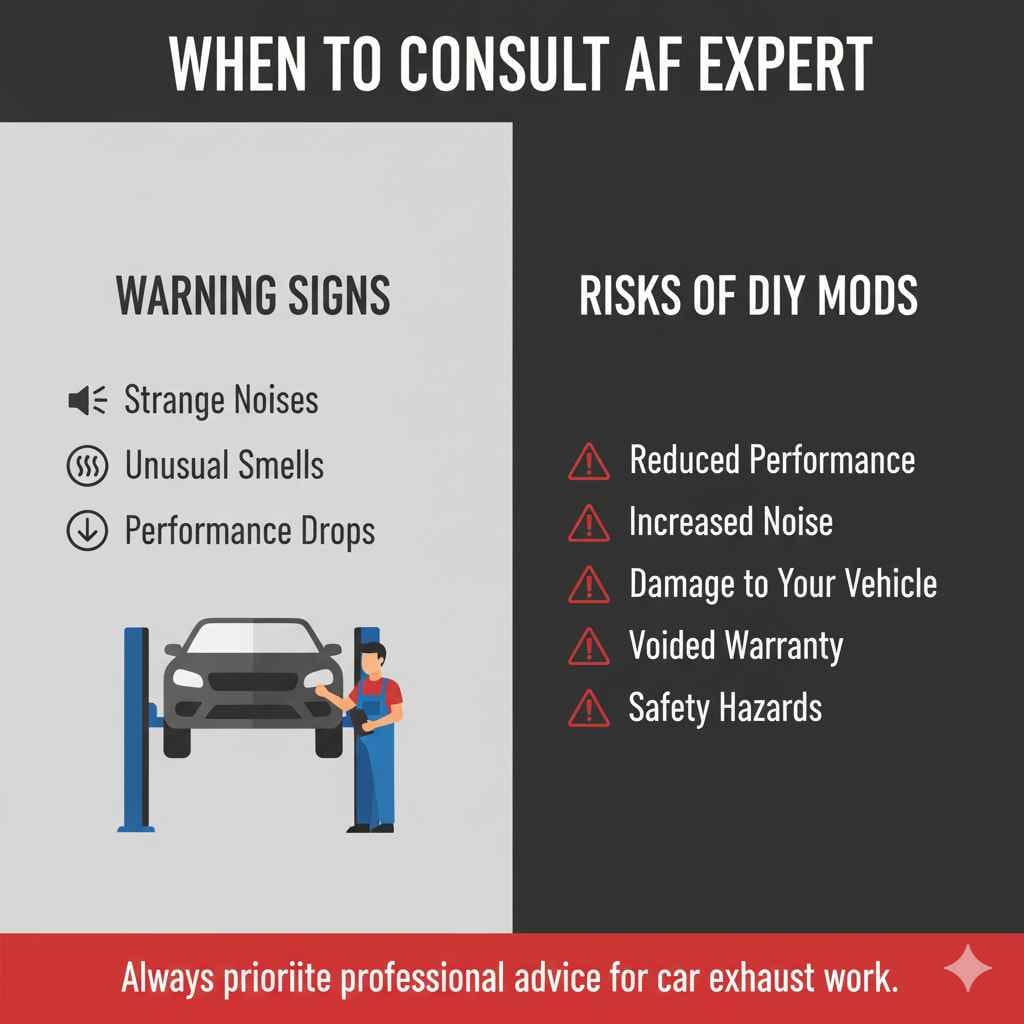
If you’re experiencing any of the warning signs mentioned earlier – strange noises, smells, or performance drops – it’s time to visit a trusted mechanic. They will be able to properly diagnose the issue with your exhaust system.
Trying to add aftermarket components like a “rear exhaust fan” without a clear understanding of your vehicle’s existing system and the specific needs could lead to:
Reduced Performance: An improperly designed system can create more backpressure than it relieves.
Increased Noise: Unwanted loudness that might violate local ordinances.
Damage to Your Vehicle: Incorrect installations can damage other parts of your car.
Voided Warranty: Unauthorized modifications can void your car’s warranty.
* Safety Hazards:** Improper venting can lead to dangerous fumes.
Always prioritize professional advice when it comes to your car’s exhaust.
Frequently Asked Questions (FAQ)
Q1: Does my car truly need a “rear exhaust fan” to function?
A1: No, for standard passenger vehicles operating normally, a “rear exhaust fan” is not a factory-installed component and is not needed for the exhaust system to function. The natural flow of exhaust gases is managed by the engine and the existing exhaust system components.
Q2: What are the symptoms of a failing exhaust system?
A2: Common symptoms include loud or unusual noises (like rattling or hissing), a strong smell of exhaust fumes inside the cabin, a noticeable decrease in engine power or acceleration, and the illumination of the check engine light on your dashboard.
Q3: Can I just remove my car’s muffler?
A3: While technically possible on some older vehicles, removing your muffler will make your car extremely loud and may be illegal in many areas due to noise regulations. It can also affect engine performance and is generally not recommended for street use.
Q4: If I want more exhaust sound, what are my options?
A4: For a different exhaust note, consider aftermarket mufflers designed for a sportier sound or performance exhaust kits. Always ensure any modifications comply with local emissions and noise laws. A professional installer can guide you on legal and safe options.
Q5: How often should my exhaust system be inspected?
A5: It’s a good practice to have your exhaust system visually inspected at least once a year, or whenever you notice any changes in sound, smell, or performance. Many mechanics will check it during your regular oil changes or routine maintenance.
Q6: Is a clogged catalytic converter bad for my car?
A6: Yes, a clogged catalytic converter severely restricts exhaust flow, which can cause significant performance issues, an increase in fuel consumption, and potentially damage your engine if left unaddressed. It’s considered a critical component for both performance and environmental compliance.
Q7: What is the function of the catalytic converter?
A7: The catalytic converter is a crucial part of your exhaust system that uses precious metals like platinum, palladium, and rhodium to chemically convert harmful exhaust pollutants (like carbon monoxide, hydrocarbons, and nitrogen oxides) into less harmful substances (like water vapor and carbon dioxide) before they exit the tailpipe.
Conclusion
For the vast majority of car owners, the idea of needing a “rear exhaust fan” is a bit of a misconception. Your car’s standard exhaust system is ingeniously designed to manage engine gases safely and efficiently without the need for any additional fans at the rear. Its components work together, driven by the engine’s natural processes, to quiet noise, clean emissions, and direct exhaust fumes away from you and the environment.
If you’re experiencing problems with your exhaust – whether it’s unusual sounds, smells, or a drop in performance – it’s a sign that your existing system needs attention or repair, not that it needs a fan installed. Regular visual checks and prompt professional inspections are your best tools for ensuring your exhaust system remains safe, effective, and legal. Trust your mechanic to steer you right, and you can keep your car running smoothly and safely on the road ahead.