Exhaust Manifold Bolt Size Chart for Common Engines
Use thread, length, and flange style to match exhaust manifold bolts to the exact engine. The article includes an engine-by-engine size chart and quick fit checks.

Exhaust manifold repair and installation cost guides, covering manifolds, pipes and cat-back kits, for owners budgeting repairs.
Use thread, length, and flange style to match exhaust manifold bolts to the exact engine. The article includes an engine-by-engine size chart and quick fit checks.
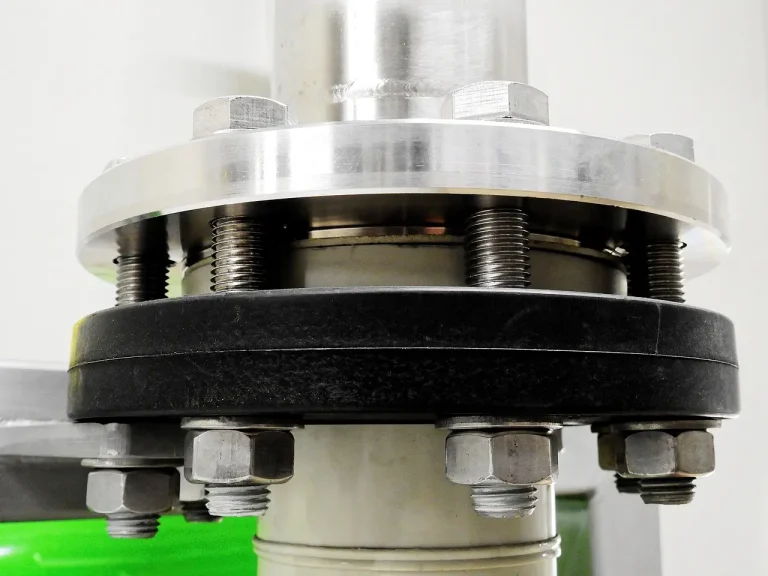
Match flange size to true pipe OD, then verify bolt pattern, sealing method, service access, and material before you buy.

Set the hanger at ride height, check 10–15 mm clearance through suspension travel, then finalize the mount so the exhaust moves without binding.

Measure the stud diameter and pitch before you buy nuts. Many exhaust manifold studs are M8x1.25 or M10x1.5, but older engines may use SAE sizes.

Choose welds for new straight tubing, clamps for serviceable joints, and sleeves for rust-prone repairs. Fit-up, alignment, and gap control decide leak risk.

Mark a true 360-degree line, cut to it, then true the end before fitting so exhaust pipe goes together without gaps or extra grinding.

Cast-iron manifolds usually weigh 18–35 lb per bank, with tubular steel and stainless weighing less once hardware is added.

Use the least heat that still fuses thin exhaust pipe. Learn joint choice, filler selection, heat control, and repair steps for blow-through.

Measure port shape, bolt-center spacing, and thickness separately so the flange matches the head, gasket, and pipe.

Use mandrel-bent sections, V-band or flange connections, slip joints, clamps, and proper hangers to build a custom exhaust without welding.