How Exhaust Pipe Diameter Affects Performance by Engine Type
Small engines usually work best with 2.0-2.25-inch exhaust, most street V8s with 2.5-inch, and turbo setups with 2.5-3.0-inch.

Exhaust system types such as cat-back and axle-back, with sound, material and upgrade comparisons, for drivers planning an upgrade.
Small engines usually work best with 2.0-2.25-inch exhaust, most street V8s with 2.5-inch, and turbo setups with 2.5-3.0-inch.
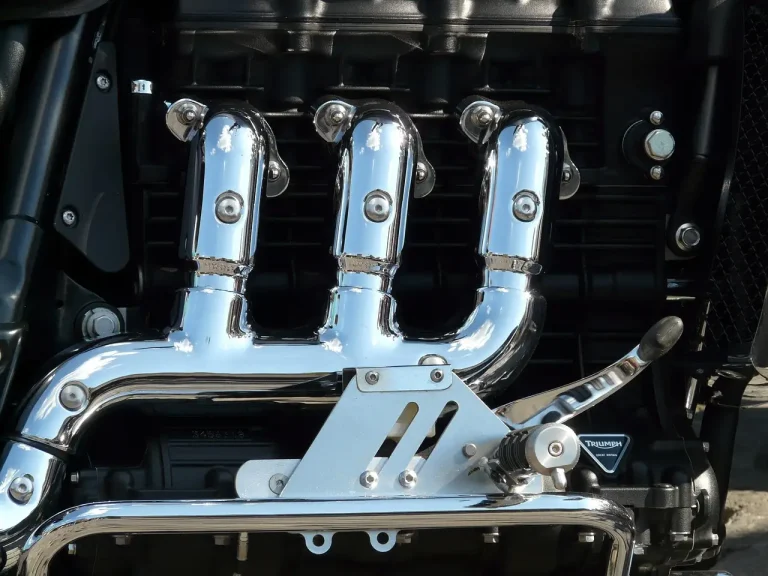
For most street riders, a slip on exhaust is the better buy for sound and a modest weight drop; choose a full system only if you want maximum power and can budget for a tune.
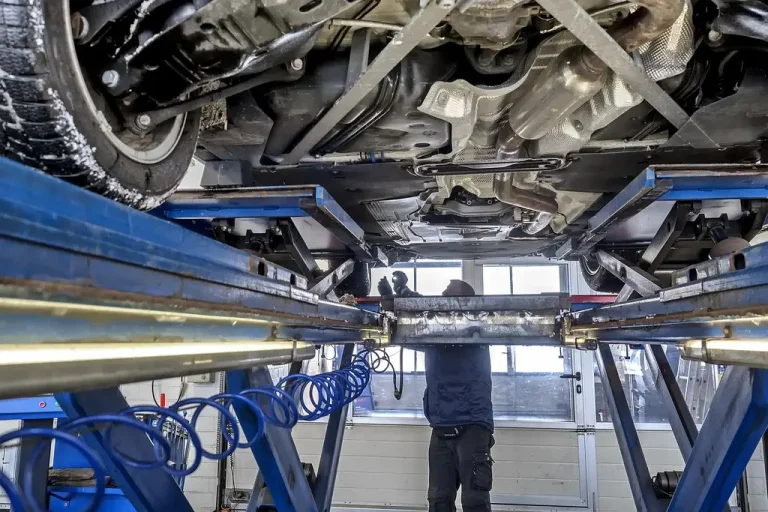
Exhaust repairs usually cost $150–$500 installed, while full replacement often runs $500–$2,500+. This guide breaks down parts, labor, and common cost ranges.

Choose a valved cat-back first for the biggest sound change with more control over volume and drone. This guide ranks exhaust sound by character, fitment, and street use.
Pick a resonated cat-back for the least drone; choose straight-through or turbo-muffler setups when you want a louder, sharper note.
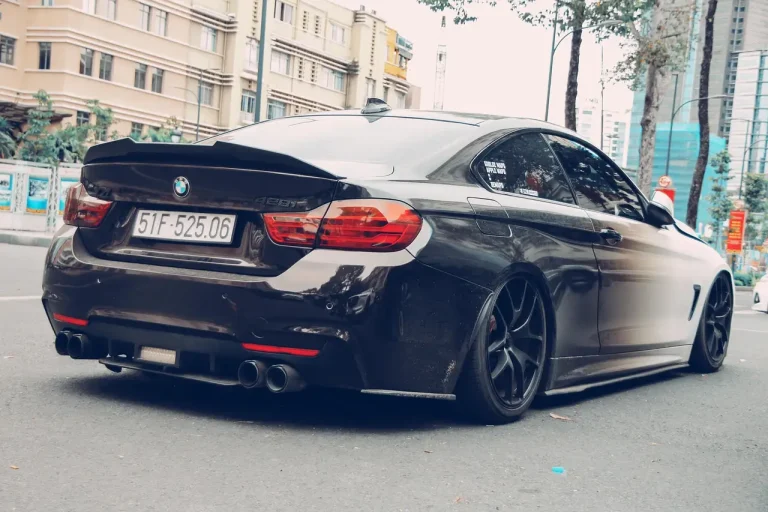
Compare axle-back exhaust and cat-back exhaust setups by sound, cost, install effort, legality, and daily drivability.

Begin with a resonator swap, axle-back, or simple muffler delete; the right pick keeps factory fitment and limits drone. See a ranked list with price bands and fitment cautions.

Most stock exhausts leave little power on the table: expect 0-5 hp on naturally aspirated engines and 5-15 hp on many turbo cars.
A performance exhaust matters less by transmission type than by load control and shift behavior. Manuals can feel small changes sooner, while automatics often need tuning or freer-flowing factory hard
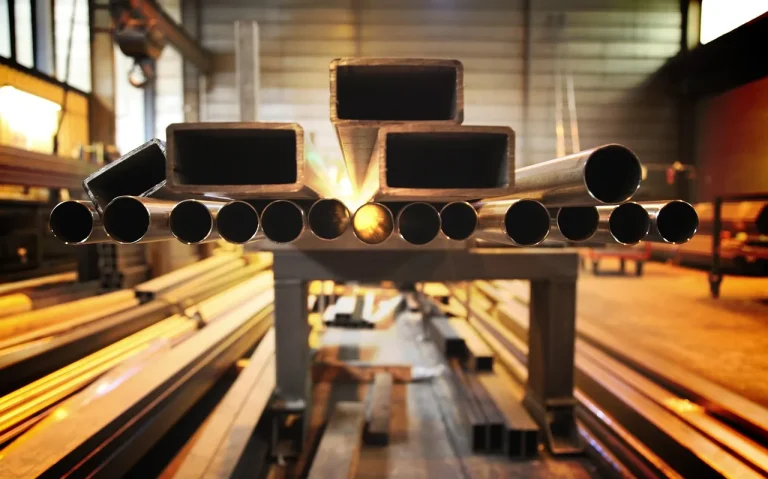
Stainless steel lasts 2 to 4 times longer than aluminized exhaust in wet, salted climates. Compare rust resistance, flange failure, repair costs, and when aluminized still fits.