Are Straight-Through Mufflers Street Legal?
A straight-through muffler can be street legal, but the exhaust is illegal if it is too loud or removes emissions gear.

Common exhaust issues such as muffler cost, muffler delete and noise, with price notes, for drivers and riders weighing a repair.

A straight-through muffler can be street legal, but the exhaust is illegal if it is too loud or removes emissions gear.
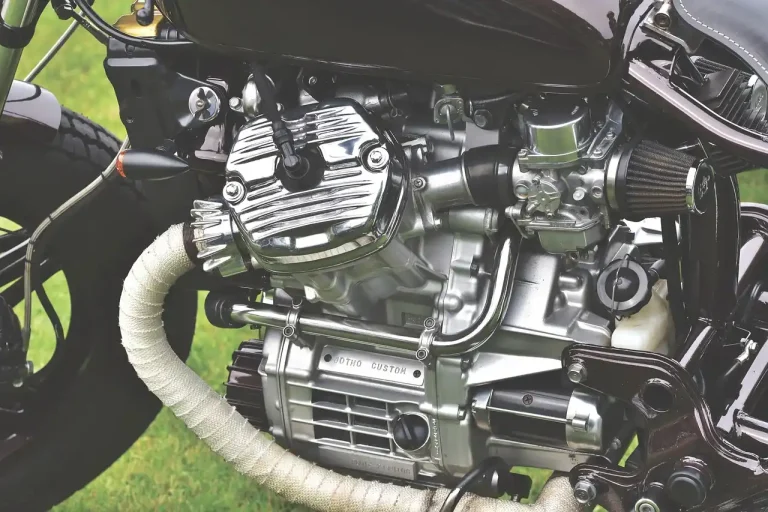
Match the inlet size, replace worn gaskets, align the muffler, and torque the clamp to spec to avoid leaks, rattles, or slip-out.

Sweet-smelling exhaust smoke often points to coolant in the exhaust, though brief white steam on a cold start can be normal. Learn how to tell the difference and what to inspect next.

Remove a motorcycle dB killer by identifying the fastener, freeing seized threads, and pulling the insert out without damaging the muffler.
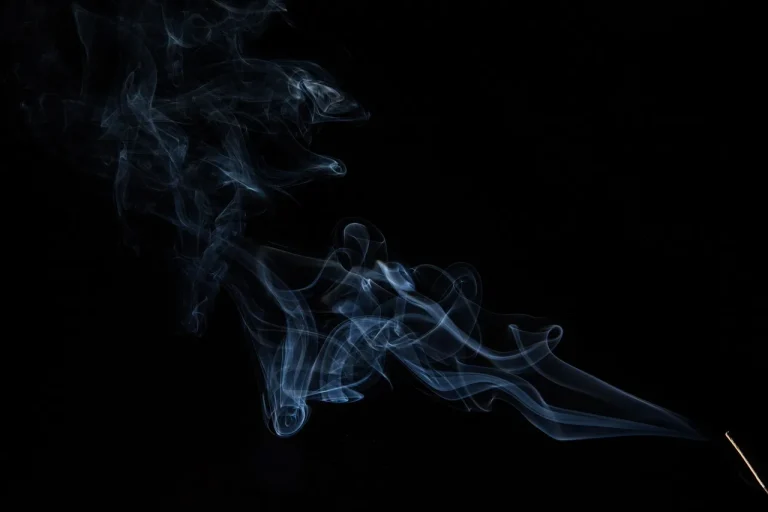
Check valve-cover, oil-filter, drain-plug, or turbo leaks first when exhaust smells like burnt oil. Blue smoke and a stronger smell after driving point to oil burning inside the engine.
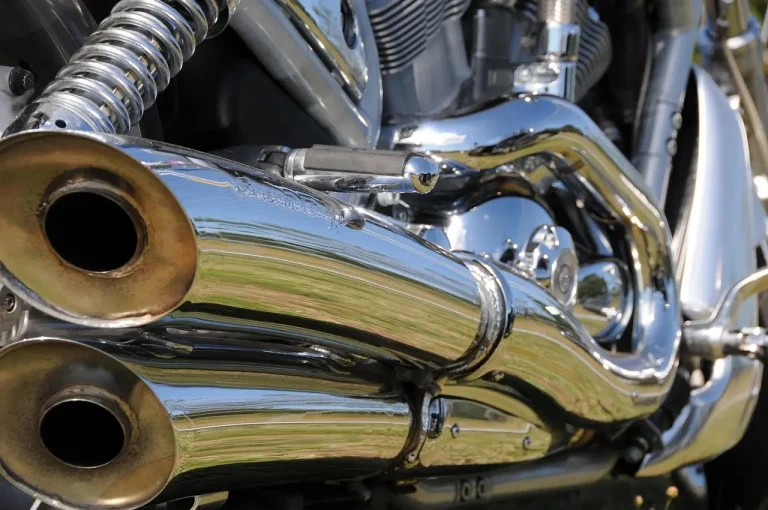
Aftermarket mufflers can be street legal if they meet noise limits and leave emissions equipment untouched. This guide covers deletes, cat-back systems, and inspection risks.

White smoke after a spark plug change is usually harmless condensation if it clears in 1–2 minutes; smoke that smells like fuel or keeps going points to a fault.

Usually no: most states require a muffler on public roads, and a straight pipe can trigger tickets, repair orders, inspection failure, and noise citations.
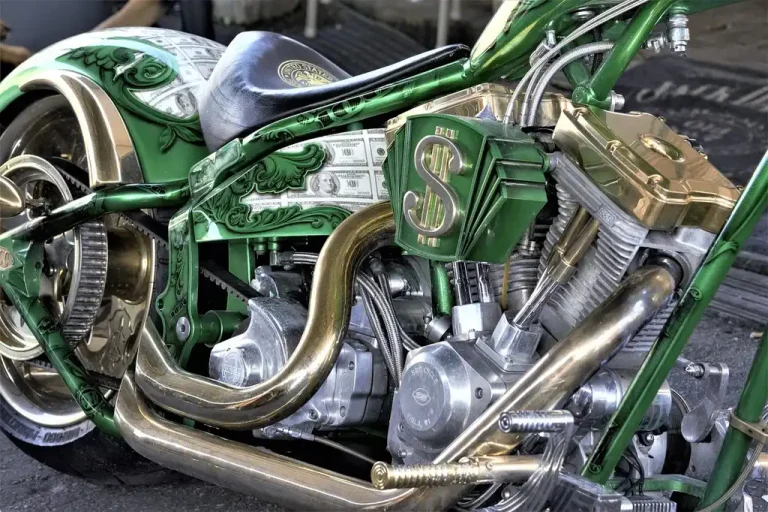
A practical guide to the loudness ladder for motorcycle exhausts, from baffle removal to full systems, with fueling and legal tradeoffs.

Light smoke after an oil change is often harmless spill burn-off, but repeat blue-gray smoke can point to overfill, leaks, or a PCV fault.