Why Exhaust Smoke Smells Like Burnt Oil
If the exhaust smells like burnt oil, start with external oil leaks at the valve cover, oil filter, drain plug, or turbo plumbing. If the smell grows after a drive, or you see blue smoke from the tailpipe, look for oil burning inside the engine. Ignoring it can waste oil, foul sensors and catalytic converters, and turn a small leak into a fire risk. This guide gives the quickest inspection order, symptom patterns, and the points that call for immediate repair.
Why exhaust smells like burnt oil
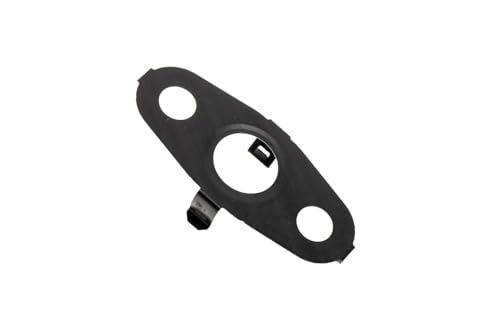
- Vehicle-specific fit
- GM Genuine Parts branding
- Small gasket replacement for turbo plumbing
A burnt-oil exhaust smell usually comes from one of two paths. Oil can leak onto hot exhaust parts and burn outside the engine. Or oil can enter the combustion or exhaust stream, where it burns in the cylinders or turbo plumbing and leaves odor at the tailpipe.
Location matters. If the smell is strongest near the hood, think engine-bay oil on hot hardware. If it is strongest behind the car, think oil moving through the exhaust. Driving condition matters too. Startup-only odor points one way. Odor after hard driving or long idle points another.
Burnt-oil exhaust smell triage
| Symptom pattern | Likely source | Quick inspection point | Urgency |
|---|---|---|---|
| Smell is strongest at startup, then fades | Small external leak or oil residue near hot exhaust parts | Valve cover edges, exhaust manifold area, heat shields | Check soon; drive only if oil level is safe |
| Smell gets stronger after hard driving | Turbo seal leak or oil being burned under load | Turbo oil lines, compressor and turbine housings, tailpipe soot | Moderate to high; inspect before more driving |
| Smell appears after a recent oil change | Spilled oil on exhaust parts | Filter, drain plug, splash shields, manifold area | Usually low if oil level is steady and smell fades |
| Blue smoke from tailpipe plus odor | Oil entering the combustion chamber | Oil level trend, plug fouling, PCV, rings, valve seals | High if smoke is repeatable or oil drops fast |
| Odor with no visible smoke | External oil on hot metal or catalytic converter heat | Manifold, shields, underbody, converter area | Check soon; heat can worsen a leak |
| Smell is strongest near the engine bay | External leak | Top of engine, gasket edges, hoses, fittings | Check now if oil is dripping or smoking |
| Smell is strongest at the tailpipe | Internal oil burning | Tailpipe soot, blue smoke, oil consumption, codes | High if oil level falls or running changes |
Say your car smells like burnt oil only after a 20-minute freeway drive, then the odor lingers near the tailpipe at a stoplight. That pattern fits oil reaching the exhaust stream more than a cold engine-bay spill, so the turbo, PCV system, and internal oil control parts move up the list.
Is the smell from the engine bay?
If the odor is strongest with the hood open or around the front of the car, start with external leaks. Oil on hot metal can smell strong even when there is no visible smoke. The exhaust manifold, heat shields, and nearby piping are the first places to inspect because they run hot enough to cook fresh oil quickly.
Valve cover gasket leak signs
A valve cover gasket sits at the top of the engine. When it leaks, oil can seep down the engine and drip onto the exhaust manifold or heat shields below. Common signs are wet oil around the valve cover edge, damp ignition coils or plug wells, and a burnt smell after driving.
This leak can be small and still smell strong. A few drops on a hot manifold can smell worse than the leak looks. If the oil is fresh and the smell appears after hot soak, the gasket area deserves a close look.
Exhaust manifold and heat shield residue
The exhaust manifold is a high-heat surface, so it can burn off oil residue without much visible smoke. That is why a leak above it may smell stronger than it looks. Check the manifold flange, the head-to-cover area, and the heat shields for wetness or baked-on dark residue.
If a shield is loose, it can trap oil and hold the odor longer. Look underneath with a flashlight before assuming the smell is internal. Fresh, amber oil on the outside of the engine points to an external leak path.
Recent oil change spill versus active leak
A smell after an oil change can come from spilled oil on the filter, drain plug, or splash shield. That residue usually burns off after a short drive and does not keep worsening. An active leak leaves a wet trail, fresh drips, or a falling oil level after a day or two.
Is the engine burning oil internally?
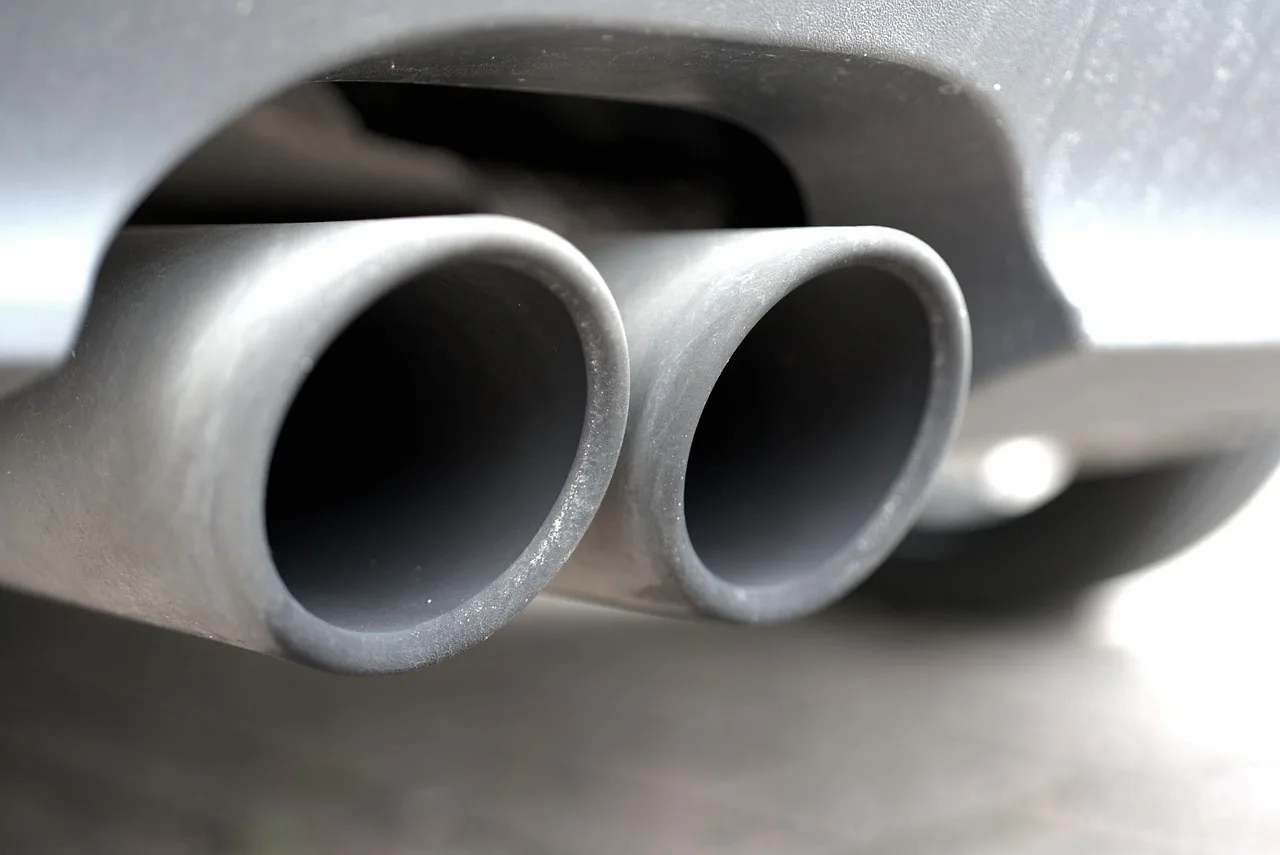
Internal oil burning means oil enters the combustion chamber or turbo stream and exits through the exhaust. This often shows up as tailpipe odor, blue smoke, and a drop in oil level. The pattern changes with throttle, load, and idle time, which helps separate it from an outside leak.
Piston rings and blow-by
Worn piston rings can let oil slip past the piston into the cylinder, especially under acceleration and load. That condition often causes blue smoke and a steady oil-consumption problem. It may also show up as low compression, rough running, or oily spark plugs.
The smell is often stronger after hard driving because cylinder pressure rises. If the oil level keeps dropping with no visible leak, ring wear moves higher on the list.
Valve stem seals and startup smoke
Valve stem seals control oil that lubricates the valve guides. If they are worn, oil can seep into the combustion chamber while the engine sits, then burn on startup or after long idling. The result is often a short puff of blue smoke and a brief burnt-oil smell.
This pattern is more likely after the car has idled for several minutes or after an overnight sit. The odor may clear quickly, which is why the smell can seem intermittent.
Turbocharger oil seal failure
A turbocharger uses oil supply and return lines, and its seals keep oil out of the compressor and turbine housings. If those seals fail, oil can enter the intake or exhaust stream. That can create a burnt-oil smell after boost, after lift-off, or during deceleration when the turbo is still hot.
Turbo leaks can look different from naturally aspirated engine leaks. You may see oil in the charge pipes, wetness around the turbo center section, or smoke that appears after a hard pull. Because the turbo sits near hot exhaust parts, small leaks can smell strong quickly.
PCV system faults and oil vapor ingestion
The PCV system routes crankcase vapors back into the engine so they can be burned. If the valve is stuck open, restricted, or if hoses or separator components fail, oil vapor can be pulled into the intake in excess. That can create oil smell, rough idle, and oil consumption without an obvious drip.
Check the PCV valve, connected hoses, and any oil separator or breather parts for sludge, cracks, or collapse. A bad PCV system often hides in plain sight because the engine still runs, just with more oil vapor than it should ingest.
What smoke color tells you
Smoke color helps, but only when you pair it with timing and oil loss. Blue smoke is the classic sign of oil burning. No visible smoke does not rule out a problem, because oil on hot exhaust parts may smell before it smokes, and a catalytic converter can change how the exhaust looks and smells.
Blue smoke and oil consumption
Blue or blue-gray smoke from the tailpipe often points to oil entering the combustion chamber or turbo stream. If that smoke appears under acceleration, the rings, turbo seals, or PCV system become stronger suspects. If it appears after idling or on startup, valve stem seals move up the list.
No visible smoke but strong odor
A strong smell without smoke often means oil is burning on the outside of the engine or inside a hot component where the smoke is hidden. Heat shields can trap the odor. So can underbody panels. That is why a visual inspection of the engine bay and undercarriage matters even when the tailpipe looks normal.
Catalytic converter effects on the smell
A catalytic converter can alter oil-burning odor, making it sharper, hotter, or more chemical than a plain exhaust leak. If oil is entering the exhaust stream, the converter can overheat and may suffer damage. A converter that has been exposed to oil burning may also trigger oxygen-sensor or catalyst-related codes later.
Suppose the car smells fine at idle but starts to reek after a hill climb, with a faint blue haze from the tailpipe for 10 seconds. That pattern points more toward oil being burned inside the engine or turbo system than toward a spilled filter or drain plug.
Check these first
A quick driveway check can often narrow the cause in about 10 minutes or less. Start with the simple, high-value items first. The order matters because it separates low-oil emergencies from a hot-engine smell that can wait for a deeper inspection.
Check the oil level. Use the dipstick on level ground with the engine off long enough for oil to drain back, usually about a few minutes after shutdown. If the level is below the safe range, do not keep driving until you know why it is low.
Look for fresh oil residue. Open the hood and inspect the valve cover edges, oil filter area, drain plug, and visible turbo plumbing. Fresh wet oil tells you the smell may come from an external leak instead of internal burning.
Inspect the exhaust manifold area. Use a flashlight to check the manifold, nearby heat shields, and the top and sides of the engine for baked-on residue. Oil on these surfaces can smell burnt without making much smoke.
Check the underbody and shields. Look below the engine for oil on splash shields, crossmembers, and undertray panels. Oil can drip onto a shield, stay hidden, and burn each time the part gets hot.
Inspect PCV hoses and separators. Squeeze hoses for cracks or collapse and look for oily buildup around fittings. A failed PCV setup can send too much oil vapor into the intake and leave no obvious puddle on the ground.
Scan for codes. Use an OBD-II scan tool to read stored and pending codes, even if the check engine light is off. Misfire, oxygen sensor, and catalyst-related faults can support an internal-burning diagnosis when the smell is not explained by an external leak.
A common first-timer mistake is adding oil before checking the source. That can hide a leak trend. Check the level, note where the smell is strongest, and then inspect the hot parts that can burn oil residue.
When is it urgent?
It is urgent if the oil level is low, the smell gets stronger quickly, or the car starts smoking from the tailpipe or engine bay. It is also urgent if the engine runs rough, overheats, misfires, or shows pending codes tied to fuel trim, misfire, oxygen sensors, or the catalyst. Those signs mean the leak or oil-burning path is active.
If the smell showed up right after a repair or oil change and then faded, it may be residual oil on hot parts. If it keeps returning after heat cycles, assume the problem is ongoing until proven otherwise. A persistent oil odor should not be treated as normal.
Frequently asked questions
Why does my exhaust smell like burning oil?
That smell usually means engine oil is landing on hot exhaust parts or being burned inside the engine or turbo stream. The fastest clue is location: engine-bay odor points to an external leak, while tailpipe odor and blue smoke point to internal oil burning or a turbo seal problem.
Is a burnt oil smell from the exhaust dangerous?
Oil on hot exhaust parts can smoke and, in some cases, become a fire risk. Oil entering the exhaust stream can overheat the catalytic converter and damage sensors. If the oil level is dropping or smoke is present, the car needs prompt inspection.
Can valve cover gasket leaks make exhaust smell like oil?
A leaking valve cover gasket is commonly reported as a top-of-engine leak source, and oil can drip onto the exhaust manifold or heat shields below it. That often creates a burnt-oil smell after driving, even if the leak looks small from above.
Can a turbo leak cause exhaust to smell like burnt oil?
Yes. Turbocharger oil seal failure can send oil into the intake or exhaust side, and the smell may show up after boost, hard driving, or deceleration. Check the turbo oil supply and return lines, the center housing, and any oil in the charge piping.
Why would exhaust smell like oil after hard driving?
Hard driving raises heat and pressure, which can reveal a turbo seal leak, PCV issue, or worn piston rings. It can also bake a small external leak onto the exhaust manifold. If the smell appears only after load, that timing is a major clue.
How do I tell if the smell is from an external oil leak or burning inside the engine?
Use smell location, smoke color, and oil loss. Engine-bay odor with little or no smoke points to oil on hot hardware. Tailpipe odor, blue smoke, and dropping oil level point to oil being burned inside the engine or turbo path. An OBD-II scan can add more clues.