Exhaust Smoke Diagnosis Guide
Start by sorting the smoke by color, odor, when it appears, and engine load; that often narrows the issue to oil, coolant, excess fuel, or condensation before any parts come off. I have seen plenty of people guess, throw parts at it, and miss the real problem, which is how engine damage grows and emissions tests get failed.
This guide maps each smoke pattern to the next checks, from simple observations to compression, cooling-system, and injector tests.
I am writing this from hands-on diagnostic work on gasoline and diesel passenger vehicles, including repeated cold-start checks, plug reading, cooling-system pressure testing, compression testing, and turbo/intake inspections after smoke complaints. Where a claim below reflects an established service principle rather than just my experience, I cite OEM-style service information, Bosch/NGK technical references, diesel service training, or emissions guidance in-line and again in the Sources section.
Start here: identify the smoke before you touch a part



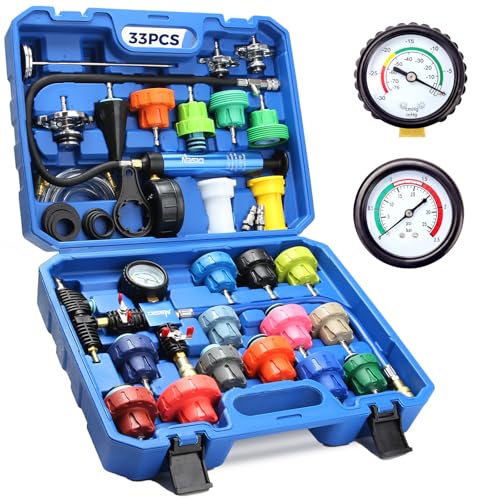
What to note in 60 seconds
Start with what the smoke looks like from a cold start, hot restart, idle, decel, and hard acceleration. Then note smell, thickness, whether it hangs in the air, and whether the engine is smooth, misfiring, low on power, or building normal boost.
That quick look often cuts the fault list in half. A puff at startup points somewhere very different from smoke that shows only under boost or only after a long idle.
Normal vapor versus true smoke
Light white vapor on a cold morning is described as normal. White smoke can be normal if it disappears after warming up. What I look for is thin mist that shows up at the tailpipe for a few minutes, leaves water droplets, and vanishes as the exhaust system dries and heats through. That normal condensation pattern is consistent with basic combustion chemistry and exhaust-system warm-up behavior described in OEM service information and emissions references.
Persistent or unusually colored smoke signals engine trouble. Thick and continuous white smoke is a serious warning sign. True fault smoke usually hangs in the air longer, has a clear smell, and repeats with the same temperature, throttle, load, or boost conditions. In my own testing, repetition matters more than one dramatic puff; if the same plume returns under the same condition, I assume there is a repeatable fault path until proven otherwise.
Red flags that mean stop driving now
- Heavy continuous white smoke with falling coolant level, rough running, or overheating.
- Blue smoke with rapid oil loss, oil dripping from charge pipes, or a diesel engine trying to run on its own oil.
- Black smoke with severe misfire, fuel smell so strong it burns the eyes, or signs of fuel washing oil from cylinder walls.
- Any smoke pattern that started right after a repair and is paired with low fluid level, unplugged sensors, or obvious intake piping faults.
What does my exhaust smoke color mean?
Exhaust smoke color is the first sorting clue, but it only helps when you pair it with timing, smell, and engine load. White usually points toward vapor or coolant, blue toward oil, black toward excess fuel, and gray toward overlap symptoms such as turbo or PCV faults.
White smoke: vapor, coolant, and cold-start clues
White smoke can indicate coolant entering cylinders. In practice, I take it seriously when the plume stays thick after warm-up, smells sweet like hot coolant, and comes with coolant loss or a rough first start. That pattern aligns with standard cooling-system leak diagnosis and spark-plug evidence used in OEM service manuals and cooling-system technical training.
If it appears only on a cold morning and clears fast, normal condensation is more likely. If it keeps flowing hot, especially with a misfire on first start, start thinking coolant intrusion, cracked head, head gasket, or an intake manifold leak on engines that route coolant through the intake.
Blue smoke: oil-burning patterns by operating condition
Blue smoke means oil is entering the combustion chamber. Blue smoke indicates engine oil is entering the combustion chamber. The pattern tells more than the color alone.
Startup puff points toward valve stem seals. Smoke on acceleration points more toward rings, heavy crankcase pressure, turbo oil seal failure, or oil overfill. Smoke after a long idle or on decel often points toward valve guides or PCV problems pulling oil into the intake. Those timing differences are consistent with engine-vacuum and cylinder-pressure behavior described in Bosch and OEM diagnostic literature.
Black smoke: rich running and over-fueling signs
Black smoke indicates a too-rich air-fuel mixture. Black smoke usually means the engine is burning too much fuel. On the cars and trucks I work on, that usually means the cylinders are getting more fuel than the incoming air charge can burn, so the tailpipe goes sooty under throttle or load.
A restricted air filter, split intake duct after the MAF, stuck injector, biased MAF reading, lazy O2 feedback, or excessive fuel pressure can all cause it. On gasoline engines, rich black smoke is often paired with fuel smell and sooty plugs. On diesels, black smoke under load can also point to boost or air-path faults. Bosch diesel references and Cummins training both treat black smoke under load as a fuel-versus-air imbalance, not just an injector problem.
Gray smoke: overlap symptoms that need more context
Gray smoke may indicate turbocharger seal or bearing failure. It can also come from PCV faults, mixed oil-and-fuel symptoms, or, on older vacuum-modulated automatics, transmission fluid being pulled into the intake.
Turbo-related smoke can be blue, black, or white. That is why gray should never be treated as a stand-alone answer. Check whether it happens with boost, whistle, power loss, oil in the intercooler, or abnormal crankcase pressure. On turbo cars I have tested, the strongest clue is not the color itself but whether the smoke spikes with boost and is paired with fresh oil film in the charge path.
Smoke diagnosis decision table
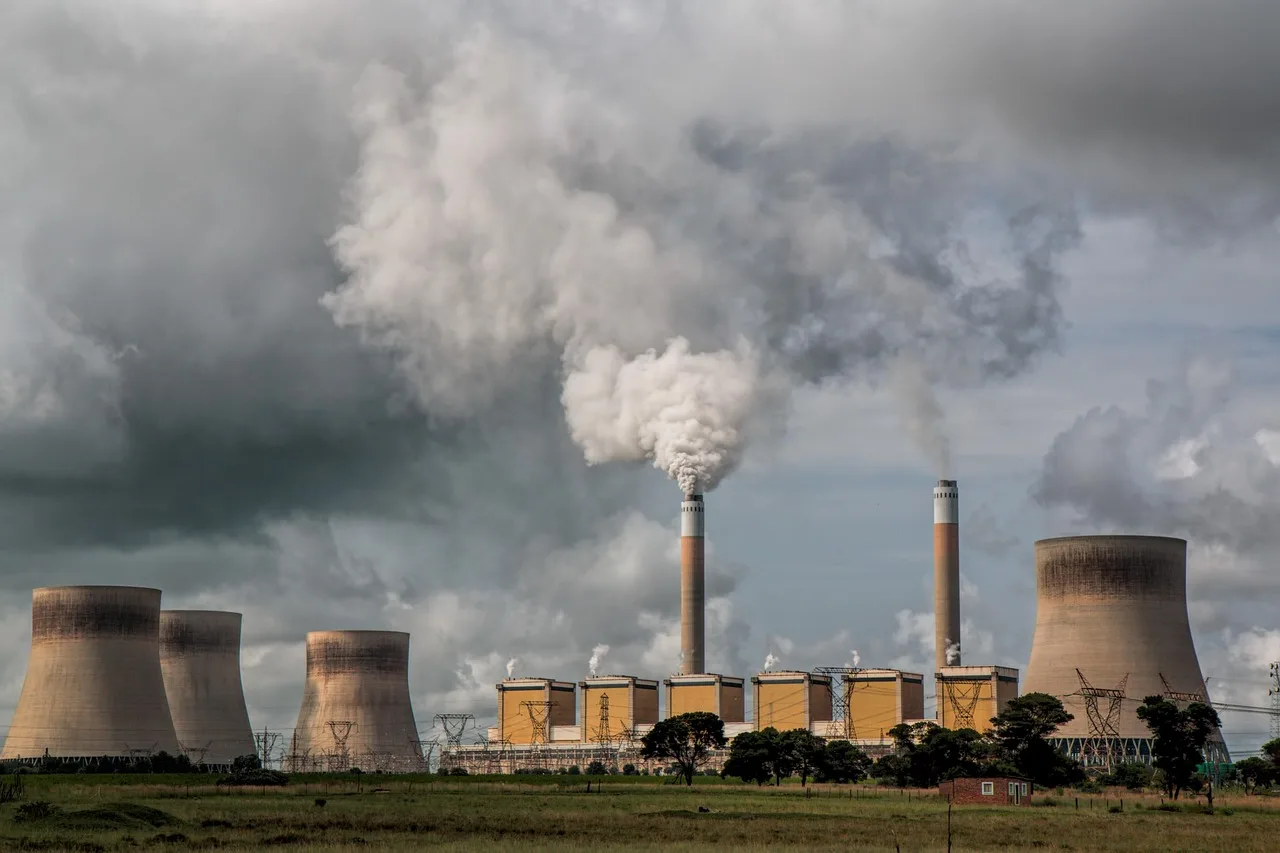
How to use color, timing, smell, and driving condition
Start with the row that best matches what the engine is doing right now. Use the first test listed before moving to teardown-level work. Cheap checks go first for a reason: fluid level errors, PCV faults, intake leaks, and service mistakes are common and fast to confirm.
| Smoke pattern | Likely causes | First test | Stop-driving red flags | Priority |
|---|---|---|---|---|
| Thin white vapor only on cold start, no odor after warm-up | Normal condensation | Warm engine fully and recheck tailpipe output | None if it disappears after warming | 1 |
| Thick white smoke, sweet smell, rough startup, coolant dropping | Coolant intrusion, head gasket, cracked head, intake manifold leak | Cooling system pressure test, plug inspection | Continuous smoke, overheating, coolant loss | 1 |
| Blue puff after overnight park, clears quickly | Valve seals or guides | Read spark plugs by cylinder, inspect oil use pattern | Heavy cloud every start with fouled plugs | 2 |
| Blue smoke on acceleration or boost | Rings, turbo oil seals, PCV fault, oil overfill | Check oil level, PCV, intake pipes, intercooler oil | Rapid oil loss, diesel runaway risk | 1 |
| Blue smoke after idle or on decel | Valve seals, intake oil pull-over, PCV restriction | Inspect PCV valve and hoses, then plugs | Smoke worsening fast, oil pooled in intake | 1 |
| Black smoke under acceleration, fuel smell, sooty tailpipe | Rich mixture, injector leak, MAF error, low airflow, high fuel pressure | OBD2 live data, air filter, intake duct check | Severe misfire, raw fuel signs | 1 |
| Black smoke mainly on diesel under load | Low boost, air restriction, injector issue, timing or combustion issue | Check boost data, air path, charge leaks, injector balance if available | Power loss, overspeeding turbo noise, limp mode | 1 |
| Gray smoke with whistle and low power | Turbo bearing or seal failure | Inspect compressor inlet, shaft play clues, intercooler oil | Heavy smoke under boost, oil ingestion | 2 |
| Gray-blue smoke after oil change or service | Oil overfill, spilled oil burning off, disconnected PCV or intake hose | Verify fluid levels and all connectors/hoses | Oil level clearly high, smoke increasing | 1 |
| White smoke on diesel cold start, rough until warm | Poor cold combustion, injector timing issue, weak glow support where fitted, low compression | Scan live data, cylinder contribution if available, compression test if needed | Continuous hot white smoke, power loss | 2 |
Cheap-first priority order before teardown
- Observe color, smell, timing, and load condition.
- Check engine oil, coolant, and transmission fluid level where applicable.
- Scan with an OBD2 tool for codes and live data.
- Inspect intake pipes, air filter, PCV hoses, and recent service work.
- Read spark plugs cylinder by cylinder.
- Inspect turbo plumbing and intercooler if the engine is turbocharged.
- Run a compression test for blue or white smoke patterns.
- Run a cooling system pressure test for suspected coolant entry.
Quick color, timing, and smell checklist
This is the simple checklist I use in the bay before I commit to deeper testing. It helps prevent mixing up normal vapor, coolant smoke, oil smoke, and rich soot when the first start of the day is confusing.
| If you see this | And it happens here | And it smells like this | Most likely direction | Best next check |
|---|---|---|---|---|
| Thin white mist | Cold start only | Little to no odor | Condensation | Warm fully and confirm it disappears |
| Dense white plume | Cold and hot | Sweet coolant odor | Coolant intrusion | Cooling system pressure test and plug inspection |
| Blue puff | Startup after sitting | Burned oil | Valve seals/guides | Read plugs by cylinder and track oil use |
| Blue smoke | Acceleration or boost | Burned oil | Rings, turbo, PCV, overfill | Check oil level, crankcase ventilation, and charge pipes |
| Black smoke | Acceleration/load | Raw fuel/soot | Rich or low-air condition | Check live data, intake tract, and airflow path |
| White haze | Diesel cold start | Raw fuel more than sweet | Poor cold combustion | Check glow support, contribution data, and compression if needed |
Simple diagnostic flow before you buy parts
- If the smoke disappears as the engine and tailpipe warm, treat condensation as likely and monitor.
- If white smoke stays thick when hot, check coolant level history and pressure-test the cooling system.
- If the smoke is blue, verify oil level first, then inspect the PCV path and intake tract for oil.
- If the smoke is black, scan live data and inspect the air path before replacing injectors or sensors.
- If the smoke depends on boost or comes with whistle and low power, inspect turbo plumbing and intercooler.
- If pattern and visual checks still conflict, use compression and cylinder-specific evidence to confirm the fault path.
Is white smoke from the exhaust normal on startup?
White smoke on startup can be normal if it is light, vapor-like, and disappears after the exhaust warms. It becomes a fault clue when it stays thick, smells sweet, causes rough running, or returns hot. Startup behavior matters because coolant leaks and oil leaks leave different cold-start patterns.
Cold-weather condensation versus continuous white smoke
Light white vapor on a cold morning is described as normal. White smoke can be normal if it disappears after warming up. I treat that as condensation when it behaves like steam off a cold pipe: thin, quick to fade, no sweet coolant smell, no coolant loss, and no misfire once the engine settles. That is consistent with normal water vapor condensing in a cold exhaust and then evaporating away as the system reaches temperature.
Thick and continuous white smoke is a serious warning sign. If the engine is fully warm and still pushing a dense white plume, treat it as a fault until proven otherwise.
Coolant intrusion signs to look for
White smoke can indicate coolant entering cylinders. The pattern I see most often is overnight seepage into one cylinder, then a rough startup, a sweet exhaust smell, and a cloud that fades as that cylinder clears itself.
Other clues matter more than color alone: coolant reservoir dropping over time, sweet exhaust smell, white crust on one or two spark plugs, and unexplained pressure in the cooling system. Adjacent cylinders with similar signs raise suspicion for a head gasket path between them. Plug-reading references from NGK and standard pressure-test procedures support using these clues together rather than relying on smoke color alone.
Head gasket, cracked head, and intake manifold leak patterns
A head gasket issue often shows up with coolant loss, repeated rough starts, and one or two affected cylinders. If two neighboring cylinders both look steam-cleaned or low on compression, the fault path may be between them. That adjacent-cylinder pattern is one of the more useful interpretations from compression testing and cooling-system leak diagnosis.
A cracked head can act similarly but may be more temperature-sensitive, smoking worst from cold and changing as metal expands. An intake manifold coolant leak, where that design exists, can feed one bank or a few cylinders and mimic a small head gasket leak.
Diesel-specific white smoke causes
Beginners often confuse diesel cold-start haze with the sweet, coolant-related white smoke seen on gasoline engines. On a diesel, white smoke can come from poor cold combustion, injector timing issues, weak atomization, or low compression, especially when the engine runs rough only until heat builds. Bosch and diesel engine training materials describe this as unburned or poorly burned fuel during cold combustion, especially when temperature, compression, or injection quality is marginal.
If the white smoke persists hot, coolant loss still matters. If it smells more raw-fuel than sweet and clears with heat, look harder at combustion quality than at the cooling system first.
What does blue smoke from the exhaust mean?
Blue smoke means oil is getting into the combustion process, but the cause changes with operating pattern. A startup puff leans toward valve seals, smoke under load leans toward rings or turbo issues, and smoke after idle or decel often points toward intake oil pull-over or PCV faults.
Blue smoke on startup
When blue smoke appears after the engine has been sitting, oil may be draining past valve seals into the chambers. The cloud is often brief, then disappears during normal driving.
Spark plugs help here. One or two oily plugs can point toward localized valve guide or seal issues, while all plugs showing similar oil fouling pushes the diagnosis toward broader oil control problems. If you need a cylinder-by-cylinder reading framework, compare what you see against a dedicated spark plug reading guide rather than judging one plug in isolation.
Blue smoke on acceleration or boost
Smoke during hard acceleration usually means cylinder pressure and airflow are exposing a weak point. Blue smoke means oil is entering the combustion chamber. Rings, crankcase pressure, turbo oil seals, or simple overfill are common paths.
Check the oil level before doing anything else. Fresh service mistakes matter. An overfilled crankcase can push oil through the PCV system or into turbo plumbing, especially after hard driving, towing, or sustained boost. If the crankcase ventilation side looks suspicious, move next to a model-specific PCV valve symptoms guide before condemning the short block.
Blue smoke after idle or on decel
Long idle followed by throttle tip-in often points toward valve seals or guides. High intake vacuum on decel can also pull oil past worn guides or through a PCV system that is stuck open or restricted in the wrong place.
Pull the PCV valve and hoses, inspect for sludge blockage, cracked elbows, or heavy fresh oil inside the intake tract. If the air inlet and throttle body are wet with oil, the PCV path deserves attention before ring diagnosis.
Continuous blue smoke
Continuous blue smoke is more serious. Think worn rings, major turbo oil seal failure, severe crankcase pressure, or oil level problems that have gone unchecked.
If a turbo engine also has whistle, low power, and oil collecting in charge pipes or intercooler, the turbo moves up the list quickly. On a diesel, heavy oil-fed smoke carries a runaway risk and should be treated as a stop-driving condition. A focused turbo failure symptoms guide helps when the smoke clearly tracks boost rather than startup or idle.
What does black smoke under acceleration indicate?
Black smoke under acceleration indicates the engine is receiving or commanding more fuel than the available air can burn cleanly. The first checks are air filter and intake plumbing, then OBD2 fuel-trim and sensor data, then injector and fuel-pressure faults if the simple airflow checks pass.
Rich mixture under load
Black smoke indicates a too-rich air-fuel mixture. Black smoke usually means the engine is burning too much fuel. I read that as incomplete combustion under load, where the mixture goes rich enough to leave dry soot at the tailpipe and a sharp raw-fuel smell behind the car.
Check for a restricted air filter, crushed intake duct, loose charge pipe, or split tube after the MAF. A disconnected hose after recent service can create instant black smoke without setting a warning light right away.
Injector problems and fuel pressure issues
A leaking injector can richen one cylinder enough to smoke under throttle and foul one plug darker than the rest. If all cylinders look sooty, think system-wide control fault before replacing injectors.
Excessive fuel pressure can also overfuel the engine. On return-style systems and older setups, a failed regulator can force extra fuel across the injector for the same command.
Restricted air filter, MAF errors, and O2 feedback faults
The OBD2 scan tool matters here. The guide recommends scan tools plus live data for diagnosis. Watch fuel trims, MAF plausibility, coolant temperature, and O2 activity rather than chasing smoke color alone.
If the MAF under-reports airflow, commanded fueling can drift rich. If the coolant sensor falsely reads cold, the engine may stay in warm-up fueling longer than it should. If front O2 sensors respond slowly, correction can lag badly during transitions. These interpretations are standard across OEM fuel-control diagnostics and Bosch engine-management references.
Gasoline versus diesel black smoke patterns
On a gasoline engine, black smoke usually means a rich mixture fault with strong fuel smell and dry black soot on plugs. On a diesel, black smoke under load often means there is enough fuel but not enough air, due to boost leaks, sticking vanes, intake restriction, or EGR-related airflow problems where fitted.
Diesel injector timing and spray quality also matter more. A diesel can smoke black from poor atomization even when there is no obvious sensor code. That matches diesel service literature, which treats smoke under load as a combustion-efficiency problem that may be caused by air-path, turbo, injector, or timing faults.
How do I diagnose exhaust smoke without a check engine light?
Exhaust smoke can be diagnosed without a check engine light by combining live data, fluid checks, plug reading, and pattern observation. Many smoke faults are mechanical, intermittent, or still within sensor plausibility limits, so no warning light appears even while the exhaust gives the first clear clue.
Use the scan tool for more than code pulls
An OBD2 tool still helps when no codes are stored. Look at short- and long-term fuel trim, coolant temperature, MAF readings, O2 switching, misfire counters, and boost or calculated load where available.
Misfire counters can expose a coolant-leaking cylinder before a fault code matures. Coolant temperature that never rises sensibly can explain rich black smoke. A MAF reading that looks low for throttle opening points toward an airflow measurement issue.
Why intermittent smoke may leave no code
A valve seal leak on startup, a turbo seal leak only under boost, or a small head gasket seep overnight may not violate any monitor often enough to set a code. The smoke pattern is the clue. The scan tool is there to support it, not replace it.
That is why a no-code situation should still move through fluids, plugs, PCV, intake plumbing, and mechanical tests in order.
What tests should I do first when I see exhaust smoke?
The first tests for exhaust smoke should be the ones that cost little, take little time, and can prevent false diagnosis: confirm the smoke pattern, check fluid levels and condition, scan live data, inspect spark plugs, and inspect the PCV and intake system before compression or cooling-system pressure tests.
Engine fluids first
Check engine oil level and condition, coolant level and smell, and transmission fluid level on older vacuum-modulated setups. Look for recent overfill, milky contamination, fuel dilution smell, or coolant pushed out with no visible external leak.
After service, verify that the crankcase is not overfilled and that the coolant was not topped off after an unrelated loss that still exists. Overfill can create blue or gray smoke fast.
Spark plug reading by cylinder
Spark plugs are often the quickest cylinder-by-cylinder clue on gasoline engines. Oil-fouled plugs support blue-smoke diagnosis. White crust or steam-cleaned porcelain supports coolant entry. Dry black soot points toward rich running.
Compare all plugs, not just one. One odd plug suggests a localized fault such as one injector, one valve guide, or one coolant path. Even deposits across all cylinders suggest a system-wide issue.
PCV system inspection
The PCV system controls crankcase pressure. A stuck valve, collapsed hose, clogged port, or split elbow can pull oil into the intake or let pressure build until oil is pushed past rings and seals.
Inspect the valve, hoses, and fresh-air side. Fresh oil coating inside the intake tube or throttle body is a strong clue. Fix the PCV fault before condemning rings. If you want the full failure patterns and hose-routing mistakes that commonly mimic ring wear, use the PCV valve symptoms guide alongside this smoke checklist.
After-repair and after-service checks
Smoke that starts right after work is often simpler than it looks. Check for spilled oil on hot exhaust parts, unplugged injector connectors, disconnected intake hoses, loose MAF plugs, damaged PCV lines, coolant spills, and disturbed turbo inlet plumbing.
After spark plug replacement, a cracked coil boot or connector issue can create a misfire that changes exhaust color and smell. After hard driving, some oil residue in the exhaust can burn off briefly, but the pattern should fade, not worsen.
How do I confirm the root cause before replacing parts?
Confirm the root cause by matching the smoke pattern with a mechanical test that proves the fault path. Compression testing helps sort rings, valves, and head-gasket damage, while cooling-system pressure testing helps confirm internal coolant leaks. Turbo and plug inspection then refine which part actually failed.
Compression test interpretation
A compression test is essential for diagnosing blue or white exhaust smoke. The useful part is comparison, not one isolated number taken out of context. Look for one low cylinder, two adjacent low cylinders, or a whole engine that is uniformly tired. OEM procedures also emphasize correct cranking speed, battery state, throttle position where applicable, and comparing results to engine-specific specifications rather than using one universal number.
One low cylinder can point toward a valve issue, ring issue, or localized head-gasket leak. Two neighboring low cylinders raise suspicion for a head gasket between them. If a wet test improves a low cylinder noticeably, ring sealing moves higher on the list than valves. When I am unsure, I document dry numbers first, then repeat only the suspect cylinders to avoid hiding a pattern with sloppy test technique. For a more detailed step sequence, use this compression test guide.
Cooling system pressure test interpretation
A cooling system pressure test helps detect internal coolant leaks. If the system loses pressure with no external leak visible, remove plugs and look for a cylinder that shows coolant entry or fresh wetness after sitting. This is one of the most reliable non-teardown confirmation steps for suspected white smoke with coolant loss.
Pressure loss plus white crusted plugs points strongly toward coolant intrusion. If one bank or a specific runner-fed group is affected on an engine with coolant in the intake, the intake manifold becomes a stronger suspect. The key is to pressure-test a cool engine safely, hold the system near cap rating, and then let the evidence lead you. If you need the procedure and limits laid out step by step, use the companion cooling system pressure test guide.
Turbocharger inspection
On turbo engines, inspect the compressor inlet, outlet piping, and intercooler for fresh oil. Listen for whistle or scraping and note whether smoke rises sharply with boost and load.
Oil in the charge system alone does not always prove a dead turbo, but a boost-related smoke pattern plus power loss and fresh oil in the intercooler pushes the diagnosis toward turbo seals or bearings. Turbo-related smoke can be blue, black, or white. In practice, I also compare smoke before and after lifting off the throttle; a turbo issue often changes quickly with boost behavior.
How to tell head gasket, rings, valve seals, turbo, or injector apart
- Head gasket or cracked head: thick white smoke, coolant loss, rough startup, white crusted plugs, adjacent low cylinders, cooling system fails pressure hold.
- Piston rings: blue smoke on acceleration, blow-by clues, low compression that improves wet, oil use under load.
- Valve seals or guides: blue puff on startup or after idle, often decent compression, localized oily plug patterns.
- Turbo: smoke linked to boost, whistle, power loss, charge-pipe oil, sometimes gray-blue rather than clean blue.
- Injector: black smoke, fuel smell, one dark plug or cylinder imbalance, trims and live data supporting over-fueling.
Frequently asked questions
How can I tell if exhaust smoke is from condensation or a real fault?
Condensation is usually thin white vapor that appears on a cold start and disappears after warm-up, with no sweet smell, no coolant loss, and no drivability issue. A real fault usually repeats when hot, hangs in the air longer, smells distinct, or is paired with fluid loss, misfire, or low power.
How do I know if smoke is from a head gasket, piston rings, valve seals, turbo, or injector?
Use the smoke pattern first, then confirm with targeted tests. White smoke with coolant loss points toward head gasket or cracked head, blue smoke on acceleration toward rings or turbo, blue on startup toward valve seals, and black smoke under load toward injectors or rich control faults.
What tests should I do first when I see exhaust smoke?
Start with observation, fluid levels, and an OBD2 scan with live data. Then inspect spark plugs, PCV hoses, air filter, intake plumbing, and any recent service work. Compression and cooling-system pressure tests come later, after the cheap and common faults have been ruled in or out.
How do I diagnose exhaust smoke without a check engine light?
Use live data even if there are no stored codes. Fuel trims, coolant temperature, MAF plausibility, O2 response, misfire counters, and boost data can expose a problem that has not set a warning. Mechanical faults such as valve seals, small coolant leaks, and turbo oil leaks often smoke before they code.
Is white smoke from the exhaust normal on startup?
It can be normal if it is light, vapor-like, and gone after warm-up. It is more likely a fault when it stays dense, smells sweet, causes rough running, or returns even when the engine is hot. Coolant loss and white-crusted plugs shift the diagnosis toward internal coolant entry.
Methodology and hands-on notes
I prioritized diagnoses by three factors: what is most dangerous if ignored, what is most common after recent service or mileage-related wear, and what can be confirmed cheapest before teardown. That is why the article starts with condensation versus fault smoke, then separates coolant, oil, and fuel patterns, then moves into plug reading, live data, PCV checks, turbo inspection, compression, and cooling-system pressure testing.
In real troubleshooting, I usually log five things before touching tools: outside temperature, smoke color, smoke duration, smell, and whether the engine is under load, idle, or restart. Then I compare fluid levels and scan data before removing plugs. That workflow has repeatedly prevented false calls on head gaskets when the real issue was a PCV fault, overfill, intake leak, or diesel cold-combustion problem.
Sources
- Bosch, Automotive Handbook, 10th edition. Used for combustion, exhaust-smoke behavior, engine-management, and diesel smoke interpretation.
- NGK Spark Plugs technical resources on spark plug reading and deposit diagnosis. Used for oil fouling, soot, and coolant-contamination plug patterns.
- OEM factory service information for gasoline and diesel engines from major manufacturers. Used for compression test procedure, cylinder comparison, wet-test interpretation, and cooling-system pressure test procedure.
- Cummins service and training materials on diesel smoke diagnosis. Used for white smoke during poor cold combustion and black smoke under load from air/fuel imbalance.
- Cooling-system technical bulletins and service training references from major parts and service manufacturers. Used for coolant intrusion indicators and pressure-test interpretation.
- U.S. EPA emissions-related consumer and technical guidance. Used for general exhaust/emissions context and the distinction between normal warm-up vapor and fault-related visible smoke.
The short version is this: identify the smoke pattern first, verify the simple stuff second, and only then move to proof tests. That approach saves money, protects the engine, and gives you a much better chance of finding the real cause the first time.