Smoke in Exhaust: Rings or Valve Guides? Essential Guide
Seeing smoke from your exhaust? It’s often a sign of either worn piston rings or faulty valve guides. This guide helps you figure out which is causing the smoky exhaust, offering clear steps and simple explanations for everyday car owners.

Tgoon
Tgoon Range Hood Check Valve, 1 Way…
- [Good Versatility] With special reducing ring design, this check valve is suitable for most range hoods, suitable for pipe diamete…
- [Automatic Open and Close] Automatically open and exhaust smoke through the exhaust wind, and close quickly through and strong spr…
- and The check valve can firmly block outdoor odors and , keep your kitchen environment refreshing and .
As an Amazon Associate I earn from qualifying purchases.
Hey there, fellow car lovers! Monowar Shohag here. If you’ve ever noticed strange smoke puffing out of your car’s exhaust, don’t panic. It’s a common issue that can make you worry about your car’s health, but understanding what’s happening is the first step to fixing it. Is it your piston rings or your valve guides causing the problem? This guide is here to break it down for you in a way that’s easy to grasp. We’ll walk through the signs, the differences, and how to figure out what’s going on. Get ready to feel more confident about your car’s exhaust system!
Decoding Exhaust Smoke: What’s Really Happening?
That cloud of smoke isn’t just a visual nuisance; it’s your car’s way of telling you something needs attention under the hood. Different colors of smoke can point to different problems, and understanding these clues is key. The most common culprits for noticeable exhaust smoke are issues within the engine’s combustion process, specifically related to how oil is managed. Two major players in this oil management game are the piston rings and the valve guides. When either of these parts wears out, oil can sneak into the combustion chamber where it doesn’t belong, burning and creating that smoky trail you see.
For beginners, the idea of piston rings and valve guides might sound a bit technical, but think of them like tiny but crucial seals. When these seals start to fail, oil seeps past them. This oil then gets burned along with your fuel, creating smoke. The color of the smoke and when it appears can give us big hints about whether it’s the rings or the guides. Let’s dive into each one!
Understanding Piston Rings and Their Role
Imagine your engine’s cylinders as narrow tubes and the pistons as plungers sliding up and down inside them. Piston rings are like metal bands that fit snugly around the piston. Their main job is to do three critical things:
- Seal the combustion chamber: They keep the high-pressure gases from the burning fuel from escaping down into the crankcase (where oil is stored).
- Regulate oil: They scrape excess oil off the cylinder walls as the piston moves down, preventing too much oil from entering the combustion chamber.
- Transfer heat: They help transfer heat from the piston to the cylinder wall, which then cools down.
When piston rings wear out or get damaged, they can’t do their job effectively. This means two things can happen that lead to smoke:
- Compression Leak: If the seal isn’t tight, combustion gases can blow past the rings. This reduces engine power and can sometimes push oil into the combustion chamber.
- Oil Seepage: The oil-scraping function is compromised. More oil stays on the cylinder walls, and as the piston moves up, some of this oil gets scraped into the combustion chamber and burns.
Signs of Worn Piston Rings
If your piston rings are the main troublemakers, you’ll likely notice specific symptoms. These signs are your car’s way of signaling that something’s up with its internal seals.
Blue Smoke: The Classic Sign
The most telling sign of worn piston rings is blue or bluish-gray smoke coming from your exhaust. This specifically happens when the oil is burning. You’ll often see this smoke more noticeably when:
- Starting the engine after it’s been sitting for a while.
- During acceleration, especially if you’re flooring it.
- When the engine is cold, and it may clear up as it warms up, or it might persist.
The blue color comes from the burning oil. If oil is getting past worn rings, it’s entering the combustion chamber and burning with the fuel, turning into that distinct blue smoke.
Decreased Engine Performance
When piston rings fail to seal properly, the engine loses compression. This means the explosion from burning fuel and air isn’t as powerful. You might notice:
- A general loss of power and acceleration.
- The engine feels sluggish.
- Rough idling or uneven running.
Increased Oil Consumption
If the piston rings aren’t doing their job of scraping oil from the cylinder walls, that oil is going to end up where it shouldn’t. You’ll find yourself topping up your oil much more frequently than usual. This isn’t just a little bit; it’s a noticeable and often rapid drop in the oil level.
Engine Knocking or Pinging
In some cases, oil getting into the combustion chamber can lead to premature ignition of the fuel-air mixture. This can cause a knocking or pinging sound from the engine, especially under load. It’s the engine essentially “complaining” about the abnormal combustion happening inside.
A healthy engine relies on precise control of fuel, air, and oil. When piston rings fail, this control breaks down. Visit a reputable auto parts store or mechanic who can recommend specific motor oils designed to help manage oil consumption if you suspect this problem. For instance, using a high-mileage oil might offer some temporary benefits by helping to recondition seals, though it won’t fix heavily worn parts.
What are Valve Guides?
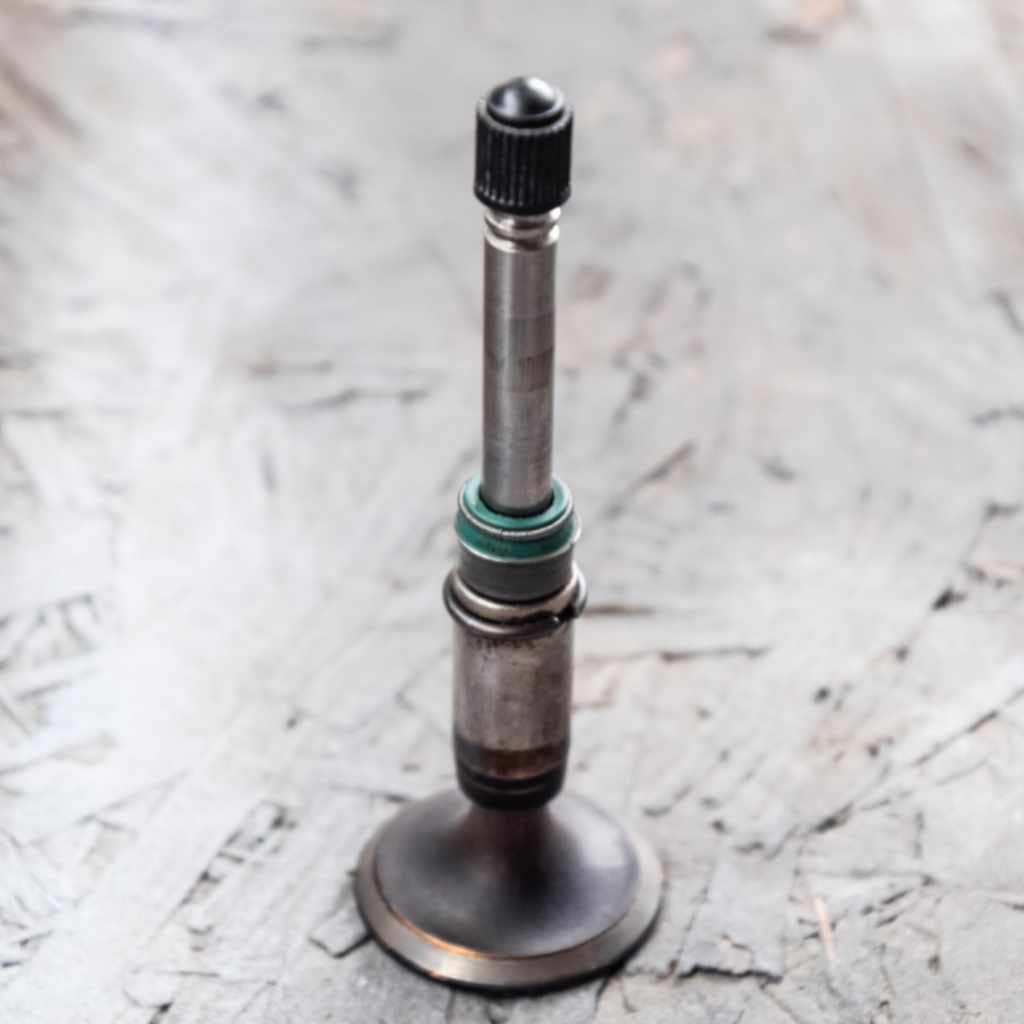
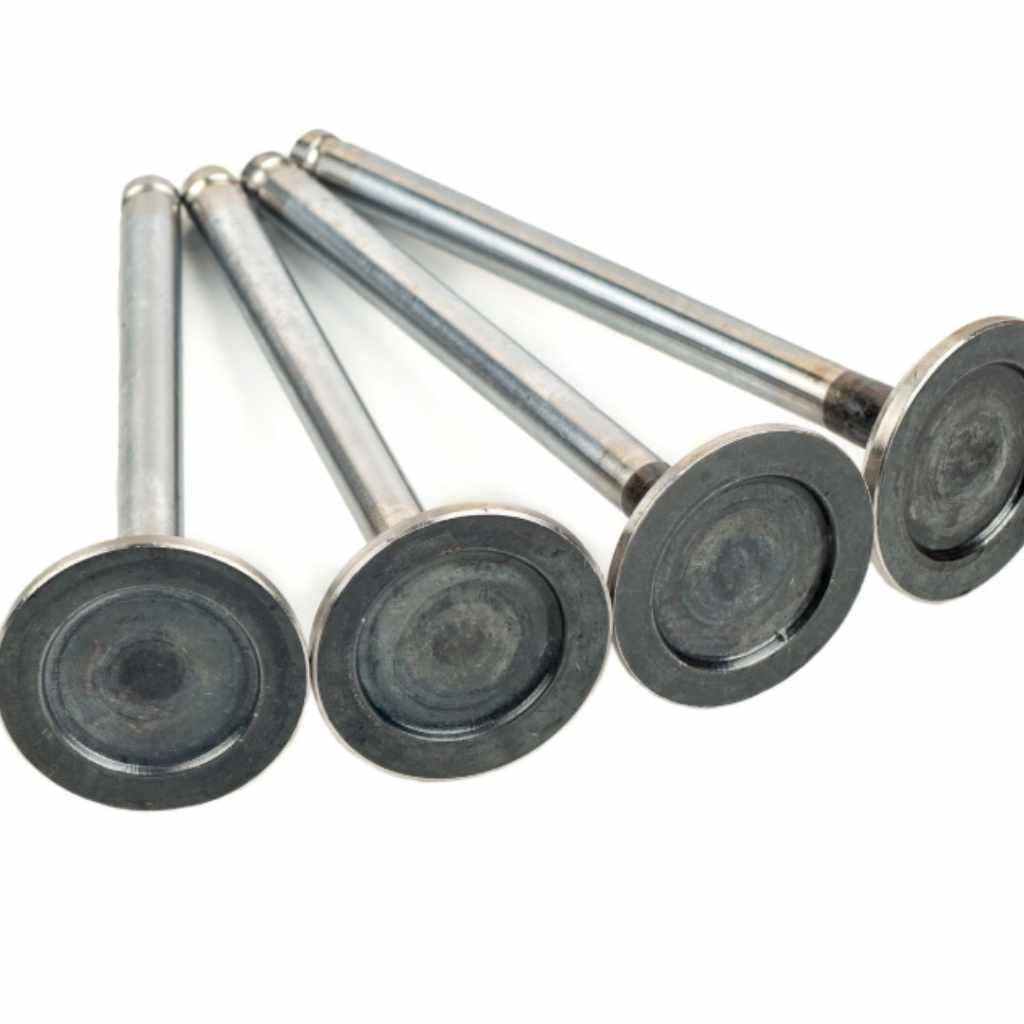
Now let’s talk about valve guides. Think of your engine’s cylinder head. Inside it are valves that open and close to let the fuel-air mixture into the cylinder and let exhaust gases out. These valves are like little doors. The valve guides are essentially precisely machined tubes that the stem of these valves slides in and out of. Their job is to:
- Guide the valve: Ensure the valve moves up and down smoothly and squarely.
- Keep the valve sealed: Help the valve seat properly against its opening to create a seal when closed.
- Provide a path for cooling: They can help transfer heat from the valve head to the cylinder head.
Each valve has seals on its stem, similar to tiny rubber O-rings or umbrella-shaped seals. These valve stem seals are specifically designed to prevent oil from the valvetrain area (the part of the engine that operates the valves) from dripping down the valve stem and into the combustion chamber when the valve is closed.
Signs of Worn Valve Guides (and Seals)
When valve guides themselves become worn, or more commonly, when the valve stem seals fail, oil can find its way into the combustion chamber. Here’s how you might notice this:
Blue Smoke, Especially on Startup and Deceleration
This is a key difference maker. While worn piston rings can cause blue smoke anytime, worn valve guides and seals often cause smoke particularly:
- Upon startup, especially after the engine has been off for a while: Oil has had time to drip down the valve stems past the worn seals or guides.
- When you decelerate (take your foot off the gas): When the throttle is closed, the intake manifold experiences a strong vacuum. This vacuum can pull oil down the valve stems into the combustion chamber through the worn seals.
So, if you notice a puff of blue smoke as you first start your car, or when you let off the gas pedal while driving, worn valve guides/seals are a strong possibility.
Less Impact on Engine Performance
Unlike worn piston rings that directly affect compression, worn valve guides and seals often have a less dramatic impact on overall engine power and performance. You might not notice a significant loss of acceleration because the primary compression seal (piston rings) is still intact. The engine might feel a bit weaker, but it’s usually not as pronounced as with ring issues.
Oil Consumption (Usually Less Severe than Ring Issues)
You’ll likely still see an increase in oil consumption with worn valve guides, but it might be less dramatic than with badly worn piston rings. It’s oil dripping down, not necessarily a constant seepage from the entire piston surface.
The key difference maker here is often when you see the smoke and how the engine feels overall. If it’s mainly on startup or deceleration, and the engine still pulls well, valve issues are more likely.
How to Differentiate: Rings vs. Valve Guides
This is where we put on our detective hats. While both problems can lead to smoky exhaust and increased oil consumption, there are reliable ways to tell them apart. The color of the smoke and the conditions under which it appears are your biggest clues.
Smoke Color and Timing Table
Let’s break it down with a table to make it super clear:
| Symptom | Worn Piston Rings | Worn Valve Guides/Seals |
|---|---|---|
| Smoke Color | Blue/Bluish-gray (oil burning) | Blue/Bluish-gray (oil burning) |
| When Smoke Appears Most Noticeably |
|
|
| Engine Performance Impact | Significant loss of power, rough idle, reduced acceleration. | Less pronounced impact on overall power; engine may still feel relatively strong. |
| Oil Consumption | Typically higher, sometimes very noticeable. | Can be noticeable, but often less severe than with rings. |
Think of it this way: if your engine feels weak and is constantly puffing blue smoke, especially when you really get on the gas, it’s probably your piston rings. If it’s more of a puff on startup and when you let off the gas, and the engine still has decent power, it’s likely your valve guides and seals.
DIY Checks You Can Do (Safely!)
Before heading to the mechanic, there are a few simple checks you can perform to gather more evidence. Always prioritize safety! Make sure your car is parked on a level surface, the engine is cool, and the parking brake is engaged before doing any visual checks.
1. The Cold Start Test
This is one of the best ways to catch valve seal leaks.
- Park your car on level ground and let it cool down completely.
- Start the engine.
- Observe the exhaust immediately.
- If you see a puff of blue smoke that quickly disappears, it strongly suggests worn valve stem seals.
2. The Deceleration Test
This test targets the vacuum pull on valve seals.
- Find a safe stretch of road where you can drive.
- Accelerate gently, then smoothly let off the gas completely.
- Observe your rearview mirror for any smoke.
- If you see blue smoke appear when you let off the gas, it’s a strong indicator of weak valve stem seals.
3. Check Your Oil Dipstick Regularly
This is basic maintenance, but crucial for diagnosing oil consumption issues.
- Park on a level surface.
- Wait a few minutes after turning off the engine for oil to drain back into the pan.
- Pull out the dipstick, wipe it clean, reinsert it fully, and pull it out again.
- Check the oil level. If it’s consistently dropping faster than it should (consult your owner’s manual for normal consumption rates), it confirms oil is being burned.
4. Compression Test (Advanced, but Informative)
This is a more technical test, often best left to a mechanic or if you have the right tools and knowledge. A compression test measures the pressure inside each cylinder. Low compression in one or more cylinders, especially if it can be improved by adding oil to the cylinder (wet test), points very strongly to worn piston rings.
For this, you’ll need a compression tester, which you can find at most auto parts stores. You’ll disable the fuel and ignition, screw the tester into a spark plug hole, and crank the engine. Compare the readings to your car’s specifications.
External Resource: For a deeper understanding of engine compression and how it works, the U.S. Department of Energy offers excellent resources on vehicle efficiency and maintenance that touch upon engine health: fueleconomy.gov. This site provides valuable information on how engine condition impacts fuel economy.
Repair Considerations: Which is “Easier” or “Cheaper”?
Both worn piston rings and worn valve guides/seals require engine work to fix properly. However, the scope and cost can differ significantly.
Valve Stem Seal Replacement
Pros:
- Generally less invasive than a complete engine rebuild.
- Can sometimes be done with the cylinder head still on the engine, especially on certain engines where specialized tools can be used to compress the springs and remove seals.
- Typically less expensive than addressing piston rings.
Cons:
- It can still be labor-intensive, requiring removal of valve covers, camshafts, and specialized tools.
- If the valve guides themselves are worn, not just the seals, the cylinder head will likely need to be removed and sent to a machine shop for repair or replacement.
Piston Ring Replacement
Pros:
- This is the perfect opportunity to inspect the cylinder walls for wear or damage.
- You can also inspect bearings and other internal components while the engine is apart.
Cons:
- This is a much more involved repair. It requires the engine to be removed from the vehicle.
- The cylinder head(s) must be removed, and the engine disassembled down to the short block (engine block with crankshaft and pistons).
- It is significantly more time-consuming and costly than replacing valve stem seals.
- Often, if piston rings are this worn, the cylinder walls may also be worn and require honing or even machining, adding to the cost.
General Rule: Replacing valve stem seals is typically considered a more straightforward and less expensive repair than replacing piston rings. However, the specific costs will vary greatly depending on your vehicle make and model, your location, and whether you do the work yourself or hire a professional.
Important Note: If your engine is consuming an excessive amount of oil, it’s crucial to get it diagnosed and repaired promptly. Continued excessive oil burning can damage your catalytic converter, leading to even more expensive repairs down the line. A failing catalytic converter can cost hundreds or even thousands of dollars to replace.
A Quick Look at Other Possible Smoke Causes
While worn rings and valve guides are the most common reasons for blue/gray smoke, it’s worth mentioning that other issues can cause exhaust smoke, though usually of a different color.
- White Smoke: This is typically steam. It indicates that coolant is leaking into the combustion chamber. Common causes include a blown head gasket, a cracked cylinder head, or a cracked engine block. This is generally a more serious issue than oil burning.
- Black Smoke: This usually means the engine is running too rich, essentially burning too much fuel. Causes can include clogged air filters, faulty fuel injectors, a malfunctioning oxygen sensor, or issues with the fuel pressure regulator.
If you’re seeing white or black smoke, the diagnostic path and potential repairs are quite different from those related to oil consumption. Always start by identifying the color of the smoke, as it’s your primary clue.
FAQ: Smoke in Exhaust? Rings or Valve Guides?
Q1: How do I know for sure if it’s my piston rings or valve guides causing the smoke?
A1: The best indicators are the timing of the smoke and the engine’s performance. Blue smoke that appears consistently, especially under acceleration, and is accompanied by a noticeable loss of power, points towards piston rings. Blue smoke primarily on startup or deceleration, with relatively good engine power, suggests worn valve guides or seals.
Q2: Can I ignore the smoke and keep driving?
A2: It’s not recommended. Burning oil can lead to carbon buildup on engine components, potentially damaging valves, pistons, and even the catalytic converter. Excessive oil burning can cause engine misfires and further internal damage. It’s best to address the issue sooner rather than later.
Related pick: Check today's price on Amazon