Are Muffler Deletes Legal in California: CARB and Police Rules
A muffler delete is generally not legal on public roads in California if it leaves the car without the required muffler or makes exhaust noise exceed the state limit. California law requires an operative muffler, bars bypass devices, and is commonly cited as setting a 95-decibel limit for covered passenger cars and light trucks. A citation can come before any formal noise test, and exhaust changes can also affect smog and registration.
Which California Vehicle Code rules apply?
California treats a muffler delete as an equipment violation and a noise problem. The missing muffler can break the equipment rule on its own, and if the exhaust is loud enough, it can also break the noise limit. If emissions parts were altered too, a separate emissions issue can apply.
Section 27150: muffler required
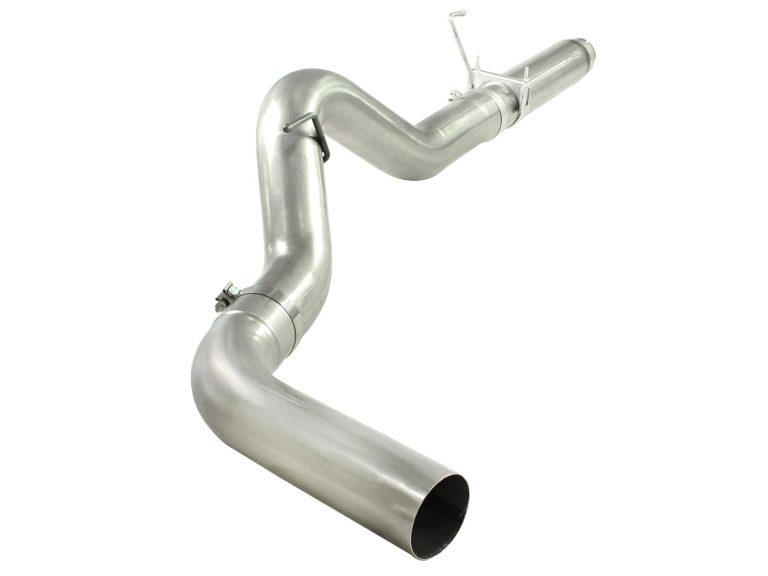
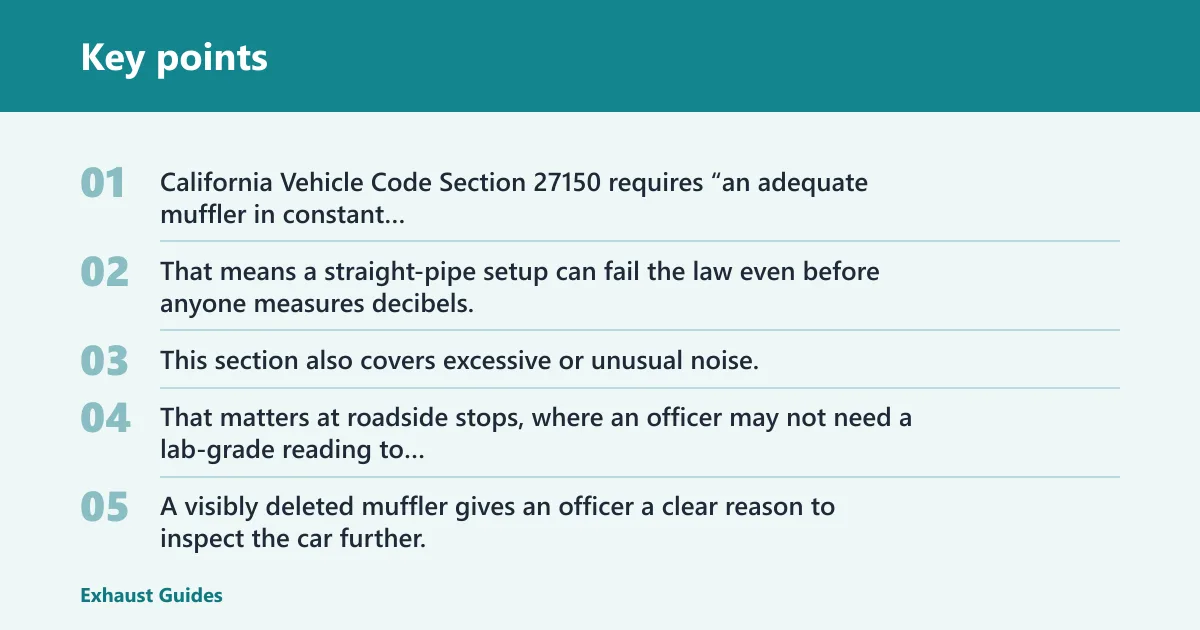
California Vehicle Code Section 27150 requires “an adequate muffler in constant operation.” It also bans “cutouts, bypasses, or similar devices” on exhaust systems. That means a straight-pipe setup can fail the law even before anyone measures decibels, because the equipment itself is noncompliant.
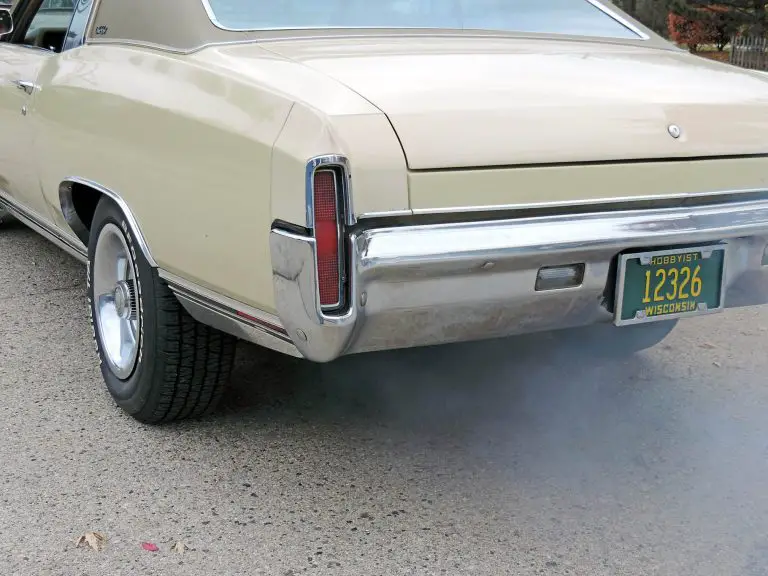
This section also covers excessive or unusual noise. That matters at roadside stops, where an officer may not need a lab-grade reading to make contact or write a citation. A visibly deleted muffler gives an officer a clear reason to inspect the car further.
Section 27151: the noise ceiling
California Vehicle Code Section 27151 is commonly cited as setting a 95-decibel limit for covered passenger cars and light trucks. It applies to modified exhaust systems as well. So even if a driver says the exhaust is “just louder,” the system can still be illegal if it exceeds the state limit.
Noise law and equipment law work separately. A vehicle can be cited because it lacks the required muffler, and it can also be cited because the exhaust is too loud. You do not need to wait for a decibel test for the equipment violation to matter.
Section 27156: emissions tampering
Vehicle Code Section 27156 bars disconnecting, modifying, or altering required emission control devices. A plain muffler delete does not always trigger this section by itself, but it can if the work also removes or changes emissions equipment. That is the point where Bureau of Automotive Repair referee involvement can enter the picture.
Federal law is similar in one key respect: the Clean Air Act prohibits removing or disabling an emission control device or element of design. If the exhaust work crosses from noise hardware into emissions hardware, the issue is no longer just a loud exhaust.
Does CARB approve a muffler delete?
No. CARB Executive Order numbers certify certain emissions-related aftermarket parts, not a blanket right to delete a muffler. A CARB EO matters when a part changes emissions-related equipment and needs state approval for that role. It does not turn a straight-pipe setup into a legal street exhaust.
What a CARB EO number does
A CARB Executive Order number shows that a specific aftermarket part has been certified for its emissions-related use. That is why visual inspection can matter: if the part is emissions-related, the EO label or paperwork may be checked during smog or referee review. The number is not a pass for any exhaust change.
Put simply, CARB matters when the part affects emissions compliance. It matters much less when the issue is only that the muffler was removed. In that situation, the stronger problem is usually the Vehicle Code exhaust rule, not a CARB approval problem.
When CARB matters and when it does not
If a driver installs a CARB-approved cat-back exhaust that keeps the required emissions equipment intact, CARB paperwork can matter. If the driver deletes the muffler and leaves the rest of the exhaust open, CARB does not create an exception. The setup can still violate noise and equipment rules.
Say your sedan keeps the catalytic converter and oxygen sensors but replaces the rear muffler with straight pipe. That may avoid an emissions tampering issue if nothing else changed, but it still faces the muffler requirement and the noise limit. The legal problem remains on the exhaust side.
Can police stop or cite a loud exhaust in California?
Yes. California Highway Patrol and local police can stop a vehicle for a visibly loud or noncompliant exhaust and may issue a citation if it appears to violate the rules. They do not need to wait for a smog station or a referee appointment to act on what they see and hear at the roadside.
What officers usually observe at the stop
An officer will often look for the missing muffler itself, a cutout, a bypass, or other signs that the exhaust system was altered. The stop may also involve a roadside noise check or a closer inspection of the rear exhaust area. Police discretion matters here, especially after complaints.
Picture a hatchback with a straight pipe and a sharp crack on acceleration leaving a neighborhood street. A traffic officer can cite the car because the exhaust is visibly altered and audibly excessive, even before any formal station test. The roadside observation is often enough to start the case.
Muffler delete decision checklist
This checklist separates the common outcomes. It does not treat noise law, emissions law, and smog law as the same thing, because California does not treat them the same way.
| Scenario | Likely legal status | Rule implicated | Proof or fix needed |
|---|---|---|---|
| Stock muffler replacement | Usually compliant if the replacement matches required equipment and does not create excessive noise | 27150, possibly 27151 | Install an adequate muffler and keep it in constant operation; keep records of the replacement part |
| Straight-pipe or muffler delete | Illegal on public roads | 27150, 27151 | Restore an adequate muffler; if cited, show repair proof to court or the cited agency if allowed |
| CARB-approved cat-back exhaust | May be lawful if it preserves required emissions equipment and stays within noise limits | 27151, sometimes 27156, CARB/smog | Keep the EO paperwork, confirm fitment for your model, and verify that emissions parts were not altered |
| Track-only use | Can be acceptable on private or controlled property, but not as a street setup | 27150, 27151, local venue rules | Keep the car off public roads and follow track or event rules; reinstall road-legal parts before street use |
Practical path for drivers
- If the car is street driven, keep an adequate muffler installed.
- If you want a different sound, choose a road-legal aftermarket exhaust with the correct emissions status for your vehicle.
- If emissions equipment was altered, check whether a BAR referee inspection is needed.
- If you received a citation, fix the exhaust quickly and keep proof of repair.
Will it fail smog or affect registration?
A plain muffler delete is usually a noise and equipment problem first, not a standard smog-fail item by itself. Smog inspections include a visual check that emissions components are present and unmodified. If the delete also touched emissions equipment, then the smog result can change fast.
What smog checks look
California smog inspection includes a visual check that emissions components are present and unmodified. That is where a tampered catalytic converter, sensor, or other required emissions part can become a problem. A missing muffler alone is not the same thing as missing emissions hardware.
A failed smog check blocks registration renewal. So if the exhaust work crossed into emissions territory, the issue can go beyond a roadside ticket and affect whether the vehicle can be renewed for street use.
When a BAR referee can get involved
If the exhaust modification appears to alter required emissions equipment, the Bureau of Automotive Repair referee can become part of the process. That is where paperwork, inspection, and part identification matter. The referee path is about emissions compliance, not about whether the car sounds acceptable to a neighbor.
Suppose a driver replaces the rear section only and leaves all emissions parts alone. The likely problem is still noise and equipment. Suppose the same job also removes a required emissions component. Then the vehicle can face both a citation and a referee issue.
Frequently asked questions
Is a muffler delete illegal in California?
Yes, on public roads. California requires an adequate muffler in constant operation and bans cutouts, bypasses, or similar devices. A muffler delete can also create a noise violation under the 95-decibel rule for covered vehicles, so the setup can fail on equipment grounds even before a noise test.
Can police pull you over for a loud exhaust in California?
Yes. CHP and local police can stop a vehicle for a visibly loud or noncompliant exhaust, then decide whether to cite it. Roadside enforcement often starts with what the officer hears or sees, not with a dyno-style test. A missing muffler is easy to spot.
Can a muffler delete fail smog in California?
Not by itself in the usual case. Smog checks include a visual inspection of emissions components, so the real failure risk comes when emissions parts are missing or altered. A plain muffler delete is more often a roadside noise and equipment issue than a standard smog failure.
Is a fix-it ticket possible for a muffler delete?
Yes. Noise citations can be correctable, with 30 days to bring the vehicle into compliance in one source. Assembly Bill 1824 briefly removed that option for 27150 and 27151, then SB 112 restored fix-it tickets later in 2019. Proof of repair matters if the court allows correction.
Are mufflers legal on private property or off-road?
Private property or track-only use can change the answer, but it does not make a street setup legal on public roads. Venue rules still matter, and local rules can still apply. If the vehicle goes back on the street, it should return to a compliant exhaust setup first.