Are Exhaust Pipes Ever Corrosion Resistant: Discover Now
Have you ever wondered if your vehicle’s exhaust pipes are truly corrosion resistant? You’re not alone.
BIGREAT
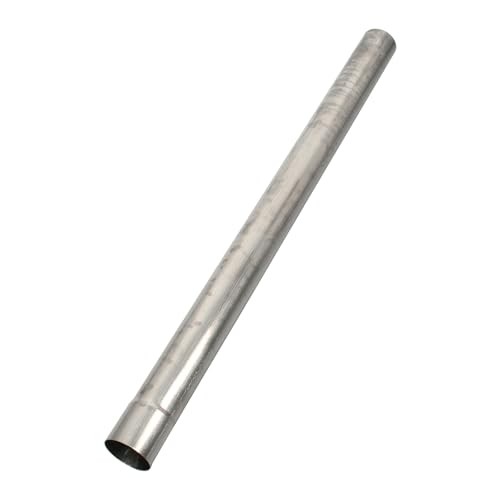
BIGREAT 409 Steel 4'' Inch OD Straight…
- Size:Outsider Diameter: 4.0" Inch; Bending Angle:Straight;Length:48 Inch.
- Materials:Made of High Quality 409 Steel with Computerized Mandrel-Bends for Strength and Durability.
- Easy Install:Each mandrel bent tube is expanded on one end to allow easy slip-fit installation.
As an Amazon Associate I earn from qualifying purchases.
Many car owners like yourself are curious about the durability and longevity of their exhaust systems. After all, nobody wants to deal with unexpected repairs or replacements due to rust and corrosion. Imagine the peace of mind knowing that your vehicle’s exhaust pipes can withstand harsh conditions without succumbing to rust.
Understanding this could save you time, money, and stress in the long run. Stick around to uncover the truth about corrosion-resistant exhaust pipes and what it means for your vehicle’s performance and your wallet.
Corrosion Basics
Corrosion is a common issue in automotive parts. It impacts exhaust pipes significantly. Understanding the basics of corrosion helps in choosing durable materials.
What Causes Corrosion
Corrosion happens when metal reacts with environmental elements. Moisture, oxygen, and salt are major contributors. Exhaust pipes face high temperatures and moisture. This accelerates the corrosion process. Road salt during winter further increases risk.
Impact On Vehicle Performance
Corroded exhaust pipes affect vehicle efficiency. They can lead to leaks or noise. Leaks may alter engine performance. Noise from exhaust pipes is not just annoying. It indicates potential damage. Performance drops due to pressure changes. Fuel economy suffers as engine struggles.
Exhaust Pipe Materials
Exhaust pipes are a crucial component of your vehicle, channeling harmful gases away from the engine. These pipes endure extreme conditions, including high temperatures and corrosive substances. The material of the exhaust pipe significantly influences its durability and resistance to corrosion. Understanding these materials can help you make informed decisions about maintenance and replacement.
Common Materials Used
The most common materials for exhaust pipes include mild steel, stainless steel, and aluminized steel. Each has its advantages and drawbacks.
Mild steel is cost-effective and easy to work with, but it rusts quickly when exposed to moisture and road salt.
Stainless steel resists corrosion better and lasts longer. It’s often used in high-performance vehicles due to its durability.
Aluminized steel provides a middle ground with a coating that offers protection against rust while being more affordable than stainless steel.
Material Properties And Corrosion
How do these materials stand up against corrosion? Let’s break down their properties.
Mild steel, while economical, lacks protective elements. It’s prone to rust, especially in wet climates. If you live in an area with frequent rain or snow, this might be a concern.
Stainless steel, on the other hand, contains chromium, which forms a protective layer against rust. Imagine the relief of knowing your exhaust pipe is less likely to deteriorate over time.
Aluminized steel has a coating of aluminum-silicon alloy. This coating acts as a barrier, slowing down corrosion. It’s like having an extra shield, ensuring your exhaust pipe lasts longer.
Have you ever wondered why some exhaust pipes seem to last forever while others fail quickly? Choosing the right material is key. Next time you consider replacing your exhaust pipe, think about the conditions it will face and choose wisely. How do you plan to safeguard your vehicle’s exhaust system?
Corrosion Resistance Techniques
Exhaust pipes face constant exposure to moisture and chemicals. Corrosion resistance techniques like coatings and stainless steel enhance their longevity. Regular maintenance is crucial to keep exhaust pipes in good condition.
Corrosion Resistance Techniques Exhaust pipes endure harsh conditions, from extreme temperatures to road salt exposure. These elements can lead to corrosion, causing costly repairs and replacements. But fear not! There are effective techniques to make exhaust pipes more resistant to corrosion. You’ll discover protective coatings and material treatments that can extend the life of your exhaust system. Have you ever wondered how these methods work and which might be best for your vehicle?
Protective Coatings
Applying protective coatings is a popular way to shield exhaust pipes from corrosion. These coatings act as a barrier, preventing moisture and salt from reaching the metal surface. Think about ceramic coatings, which are known for their heat resistance and durability. They not only protect against rust but also help maintain optimal exhaust temperatures. Powder coatings are another option. They offer a tough, attractive finish available in various colors. This can be an exciting way to personalize your vehicle while safeguarding it from corrosion.
Material Treatments
Material treatments focus on enhancing the inherent properties of the metal used in exhaust pipes. Stainless steel is a common choice due to its natural corrosion resistance. It’s a more expensive option but often worth the investment for longevity. Aluminized steel is another material treatment. It combines steel with aluminum-silicon alloy, providing excellent protection against rust. This treatment is often more budget-friendly compared to stainless steel. Consider the benefits of galvanization.
This process involves coating steel with a layer of zinc, which offers robust corrosion protection. It’s widely used in the automotive industry for its cost-effectiveness and efficiency. Each technique has its pros and cons. Which one aligns with your needs and budget? Understanding these options can help you make an informed decision to protect your vehicle’s exhaust system.
Credit: www.homedepot.com
Innovative Solutions
Exhaust pipes face harsh conditions every day. Heat, moisture, and chemicals cause corrosion. Modern solutions aim to tackle this challenge. By integrating new materials and techniques, they enhance durability. Let’s explore these innovations further.
Advancements In Material Science
Material science now offers stronger, more resilient options. Stainless steel and aluminum alloys lead the way. They resist rust and withstand high temperatures. Engineers also explore titanium for its lightweight properties. These materials extend the life of exhaust systems significantly.
Future Trends In Corrosion Resistance
Future trends focus on nanotechnology and coatings. Nanotechnology enhances material strength at the atomic level. Coatings provide an additional protective layer. They shield pipes from moisture and salt. These innovations promise greater corrosion resistance in coming years.
Maintenance And Care
Exhaust pipes can resist corrosion with proper materials like stainless steel. Regular maintenance helps prevent rust and damage. Cleaning and inspections keep exhaust systems in good shape.
Maintaining and caring for your exhaust pipes is crucial if you want them to be corrosion-resistant. This task isn’t just for car enthusiasts or mechanics; it’s for anyone who wants to extend the life of their vehicle and save money in the long run. Taking a few simple steps can make a big difference. Regular checks and preventive measures can help keep rust at bay and ensure your exhaust system functions efficiently. Let’s dive into what you can do to maintain your exhaust pipes.
Regular Inspections
Perform regular inspections of your exhaust system to catch early signs of corrosion. You don’t need to be a professional to spot rust or damage. Just a quick peek under your car can reveal a lot. Check for any holes or cracks that might allow moisture to enter. Look for rust on the surface of the pipes, especially at the joints and welds. These are common spots where corrosion starts. Set a schedule for these inspections. Maybe every time you change your oil, give your exhaust a once-over. This way, it becomes a habit and not just an afterthought.
Preventive Measures
Preventive care is key to keeping your exhaust pipes in top condition. Start by parking your car in a garage or covered area. This simple step can protect your vehicle from rain and snow, which contribute to rust. Consider applying a high-temperature exhaust paint or coating. This can add an extra layer of protection against moisture and salt from the roads. Make sure to follow the product instructions for the best results. Also, keep your car clean. Washing away road salt and grime, especially in winter, can prevent rust from forming.
A little effort in cleaning can save you from costly repairs down the line. Have you ever wondered why some cars last longer than others? Often, it’s the small maintenance habits that make the difference. What steps can you take today to ensure your exhaust system remains corrosion-resistant?

Credit: www.ebay.com
Myths And Facts
Exhaust pipes play a crucial role in a vehicle’s performance. They direct harmful gases away from the engine. Understanding their durability can be tricky. Many myths surround the corrosion resistance of exhaust pipes. Let’s explore these myths and the facts behind them.
Common Misconceptions
One common belief is that all exhaust pipes rust quickly. Some think stainless steel pipes never corrode. Another myth is that coatings make exhaust pipes last forever. People often assume weather conditions do not affect exhaust pipe corrosion. These misconceptions can lead to poor maintenance choices.
Verified Information
Exhaust pipes can resist corrosion with the right materials. Stainless steel is more corrosion-resistant than regular steel. But, it is not completely rust-proof. Weather conditions like rain and snow accelerate corrosion. Coatings can protect exhaust pipes but need regular maintenance. Properly designed exhaust systems enhance corrosion resistance.
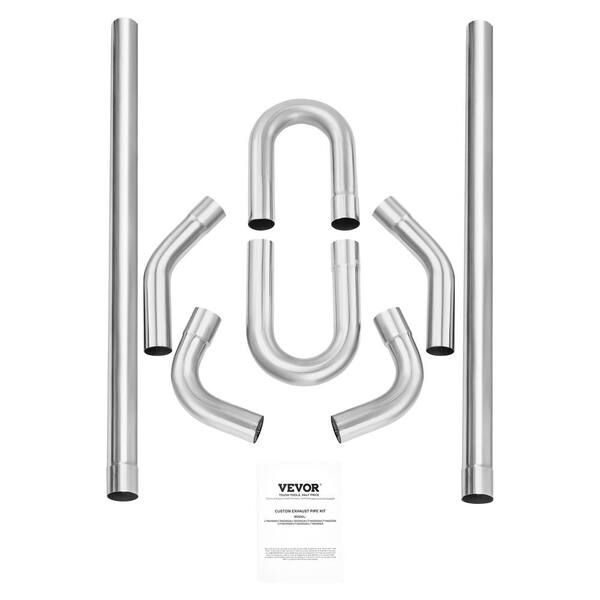
Credit: www.homedepot.com
Frequently Asked Questions
What Makes Exhaust Pipes Corrosion Resistant?
Exhaust pipes can be made corrosion resistant by using materials like stainless steel or aluminized steel. These materials have properties that resist rust and corrosion, prolonging the lifespan of the exhaust system. Regular maintenance and protective coatings can further enhance corrosion resistance.
Can Stainless Steel Exhaust Pipes Rust?
Stainless steel exhaust pipes are highly resistant to rust, but they can still corrode under extreme conditions. Factors like exposure to road salts and moisture can affect them. Choosing high-quality stainless steel and regular upkeep can minimize the risk of corrosion.
How Does Aluminized Steel Prevent Corrosion?
Aluminized steel prevents corrosion through a coating of aluminum-silicon alloy. This coating acts as a barrier against moisture and chemicals. It provides good resistance to rust, making aluminized steel a popular choice for exhaust systems in various climates.
Is Regular Maintenance Important For Exhaust Pipes?
Regular maintenance is crucial for prolonging the life of exhaust pipes. It helps in identifying corrosion early and prevents further damage. Cleaning and inspecting the exhaust system can ensure its optimal performance and longevity.
Conclusion
Exhaust pipes can resist corrosion with the right materials. Stainless steel offers good protection. Coatings also help in preventing rust. Regular maintenance keeps pipes lasting longer. Salt and moisture can still cause damage. Choose high-quality materials for better durability. Check pipes often for signs of wear.
Replace them if corrosion appears. This ensures safety and efficiency. Investing in proper care saves money over time. So, consider corrosion-resistant options for peace of mind. Your vehicle will thank you with extended life.
Related pick: Check today's price on Amazon