Are Aftermarket Motorcycle Exhausts Illegal? Proven Guide
Are aftermarket motorcycle exhausts illegal? In most cases, no, as long as they meet noise and emissions standards. However, local laws vary, and modifying your exhaust can lead to fines if it’s too loud or polluting. This guide helps you navigate the rules and choose wisely.
Does the roar of a custom motorcycle pipe make you smile, but a little worry tickle your mind about the law? You’re not alone! Many riders love the sound and style of aftermarket exhausts, but the question of legality pops up often. It’s frustrating when you want to personalize your ride, but you’re unsure if you’re breaking the rules. Don’t stress, though! As your friendly guide to all things exhaust, I’m here to break down exactly what makes an aftermarket motorcycle exhaust legal or not. We’ll look at the reasons why this can be confusing and provide clear answers so you can ride with confidence.
Decoding the Legality: What You Need to Know
The simple answer to “are aftermarket motorcycle exhausts illegal?” is: it depends. There isn’t a universal ban on all aftermarket exhausts. Instead, legality hinges on specific regulations related to noise levels and emissions. Think of it like this: you can change your car’s tires, but you can’t put on ones that are unsafe. With exhausts, it’s about keeping the noise and pollution in check.
Many countries and local municipalities have laws in place to control noise pollution and air quality. These laws are often designed to protect public health and the environment. This means that while a new exhaust might sound amazing, if it cranks up the volume too much or spews out harmful fumes, it could land you in trouble.
Understanding these regulations is key to avoiding fines and keeping your motorcycle road-legal. We’ll dive into the specifics of what makes an exhaust compliant and what can cause issues.

Why the Confusion? Common Misconceptions About Aftermarket Exhausts
It’s easy to get mixed messages about aftermarket exhausts. Here are a few common reasons why riders often feel confused:
- “Loud is illegal”: While it’s often true that excessively loud exhausts are illegal, the definition of “loud” can vary by location and specific laws. Some aftermarket exhausts are designed to be louder than stock, but still within legal limits.
- “All aftermarket parts are bad”: This isn’t true. Many aftermarket exhausts are designed to improve performance, fuel efficiency, or aesthetics while still meeting regulations.
- “It’s okay if it looks cool”: Appearance is only one part of it. The actual sound output and emissions are the primary factors for legality.
- “The police won’t notice”: While officers have discretion, many patrol cars are equipped with noise meters, and noise complaints are a common reason for police to pull over a motorcycle.
The biggest takeaway is that you can’t assume. It’s always best to be informed about the specific rules in your area.
The Core of the Matter: Noise and Emissions Standards
When we talk about whether aftermarket motorcycle exhausts are legal, two main factors come into play: noise emissions and air pollution control.
Noise Regulations: Keeping the Peace
Noise is often the most visible and audible aspect of an aftermarket exhaust. Laws around motorcycle exhaust noise typically set a maximum decibel (dB) limit. These limits can vary significantly:
- Federal Standards: In the United States, the Environmental Protection Agency (EPA) sets standards for noise emissions for new motorcycles, and these standards often dictate the maximum noise levels produced by the original equipment. Aftermarket exhausts are then often judged against these standards.
- State and Local Ordinances: Many states and cities have their own noise ordinances that might be stricter than federal guidelines. These can include limits on how loud a motorcycle can be at certain speeds or distances from the source. Some areas might even have specific “quiet zones.”
- dB Restrictions: Laws often specify a maximum decibel level that your exhaust can produce, often measured at a certain distance and engine RPM. For example, a common limit might be around 90-96 dB at a specific distance from the motorcycle while the engine is running at a certain speed.
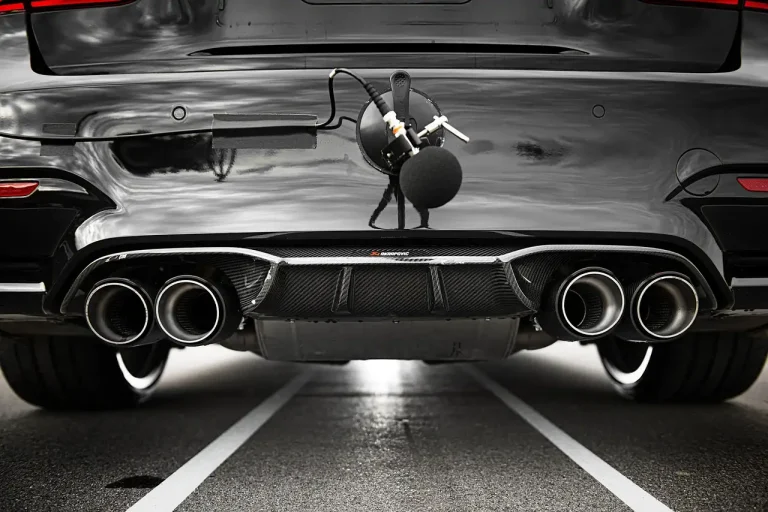
It’s important to realize that simply removing baffles or making the exhaust “straight-piped” will almost certainly make it exceed legal noise limits and can result in citations.
Emissions Control: Breathing Easier
Beyond noise, aftermarket exhausts must also comply with emissions standards. This is particularly important for newer motorcycles that are equipped with catalytic converters. A catalytic converter is a device in your exhaust system that converts harmful gases, like carbon monoxide and nitrogen oxides, into less harmful ones, such as carbon dioxide and water vapor.
When you install an aftermarket exhaust system, especially one designed for performance, it might:
- Remove or bypass the catalytic converter: This is a major red flag for legality in many places. Removing emissions control equipment is often illegal, regardless of how loud the exhaust is.
- Alter exhaust flow: Changes in exhaust flow can affect the engine’s air-fuel mixture, which in turn can impact emissions.
The EPA also regulates emissions for motorcycles. Modifications that increase the output of harmful pollutants are prohibited. You can learn more directly from the EPA regarding emissions requirements for vehicles.
What Makes an Aftermarket Exhaust LEGAL?
So, what exactly should you look for to ensure your aftermarket exhaust is street-legal and won’t get you in trouble?
- EPA Certification: Look for exhausts that are explicitly labeled as “EPA Approved” or “50-State Legal.” This means the manufacturer has tested the exhaust and confirmed it meets federal noise and emissions standards. These labels are crucial.
- Catalytic Converter Inclusion: If your motorcycle came with a catalytic converter from the factory, choose an aftermarket exhaust that either includes a catalytic converter or is designed to work with the stock one. Many aftermarket systems offer versions with or without catalytic converters.
- Noise Baffles: Many aftermarket exhausts come with removable baffles. A baffle is essentially a sound-dampening insert. To be legal, you should keep the baffle installed, or select an exhaust that is designed to be within legal dB limits even without a restrictive baffle.
- Manufacturer’s Claims: Reputable manufacturers will clearly state the legality of their products. Check their websites or product descriptions for certifications and compliance information.
Example: A manufacturer might offer a “slip-on” muffler designed to replace your stock muffler. If this slip-on is EPA-certified and has sound-dampening material inside, it’s likely legal. If it’s a full system that removes the catalytic converter and is sold purely for “off-road use only,” then it is likely not legal for street use.
What Makes an Aftermarket Exhaust ILLEGAL?
On the flip side, here’s what typically pushes an aftermarket exhaust into the illegal category:
- Exceeding Noise Limits: If the exhaust, with or without baffles, measures above the legally allowed decibel level for your region, it’s illegal.
- Tampering with or Removing Catalytic Converters: Altering or removing the emissions control system mandated by the EPA or equivalent bodies in other countries is a clear violation of the law.
- “Off-Road Use Only” Labeling: Many performance exhaust manufacturers explicitly state their products are for “off-road use only.” This is their legal disclaimer indicating that the product does not meet emissions or noise regulations for street use.
- Lack of Certification: If an exhaust is not EPA (or equivalent) certified and doesn’t carry the necessary compliance marks, it’s a strong indicator that it may not be legal for street use.
- Modifications to Stock or Legal Aftermarket Parts: Simply drilling holes in your stock muffler or removing internal components of a legal aftermarket exhaust to make it louder will likely make it illegal.
Table: Common Features and Their Legality Impact
| Exhaust Feature/Modification | Potential Legality Impact | Why? |
|---|---|---|
| EPA-Certified Slip-On Muffler | Legal (Generally) | Meets noise and emissions standards; often designed to work with stock catalytic converter. |
| Full System with Catalytic Converter | Legal (Generally) | Designed to meet standards, retains emissions control. |
| Removing Catalytic Converter | Illegal (Almost Always) | Violates emissions control laws. |
| Exhaust Without Baffles (Excessively Loud) | Illegal (Likely) | Exceeds established noise limits. |
| “Off-Road Use Only” Systems | Illegal for Street Use | Manufacturer disclaimer indicating non-compliance with street regulations. |
| Custom Straight Pipe | Illegal (Almost Always) | Extremely loud and bypasses emissions control. |
Navigating Local Laws: Your Responsibility
The laws governing motorcycle exhaust systems aren’t managed by a single entity worldwide. They are typically implemented and enforced at the national, state, and even local levels. This means the rules can differ quite a bit depending on where you live and even where you ride.
How to Find Your Local Regulations
The best way to know for sure is to check with your local authorities:
- Local Law Enforcement: While they enforce the laws, they often can’t give definitive legal advice on specific parts. They enforce what’s on the books.
- Department of Motor Vehicles (DMV) or Equivalent: Your local DMV or transportation authority is usually the best source for information on vehicle regulations. Their websites often have sections dedicated to vehicle modifications and compliance.
- State Environmental or Air Quality Agencies: These agencies oversee emissions regulations and can provide specific details on what modifications are permissible. For instance, in California, the California Air Resources Board (CARB) has stringent rules.
- Search Online: Use search terms like “[Your State/City] motorcycle noise ordinance” or “[Your State/City] motorcycle emissions laws.”
Remember, ignorance of the law is not a valid defense. It’s your responsibility to ensure your motorcycle is compliant.
Enforcement: What to Expect
Enforcement of exhaust laws can vary. You might be stopped by a police officer for excessively loud noise. In some areas, there might be specific noise enforcement checkpoints.
If you are pulled over, the officer may:
- Issue a warning.
- Issue a citation (ticket) with a fine.
- Require you to get a noise or emissions inspection and provide proof of compliance within a certain timeframe.
Failing to rectify the issue can lead to further penalties, including motorcycle impoundment or registration suspension.

Choosing the Right Aftermarket Exhaust: A Step-by-Step Approach
Convinced that choosing a legal exhaust is the way to go? Great! Here’s how to pick one that’s right for your bike and the law:
Step 1: Identify Your Goals
What do you want from your new exhaust? Better sound? Improved performance? A lighter bike? A different look?
- Sound: Do you want a deeper, throatier tone, or are you happy with something close to stock but with a bit more character?
- Performance: Are you chasing horsepower gains, or is efficiency more important?
- Weight: Aftermarket exhausts are often lighter than stock, which can improve handling.
- Aesthetics: Do you prefer shorty pipes, full systems, or blacked-out finishes?
Step 2: Research Legal Options for Your Motorcycle Model
Once you know what you’re looking for, start researching brands and models specifically designed for your motorcycle.
- Manufacturer Websites: Always start with the official websites of exhaust manufacturers. Look for product descriptions that mention EPA certification, CARB compliance, or state which regulations they meet.
- Motorcycle Forums and Communities: Other riders often share their experiences with different exhaust systems, including their legality in various regions.
- Reputable Motorcycle Shops: Talk to mechanics or custom shops that specialize in your make of motorcycle. They often have a good understanding of what parts are legal and available.
Step 3: Verify Certifications
This is the most crucial step. Before you buy, confirm:
- EPA Stamp/Label: Does the exhaust have an official EPA stamp or label? Many EPA-certified exhausts have a stamped number (like “EPA NNNNNN” where N is a digit) on the muffler body.
- “50-State Legal” or “Street Legal” Claim: Does the manufacturer clearly state it’s legal for street use in all states (or your specific state)?
- Catalytic Converter: If your bike has one, ensure the aftermarket system either includes one or is designed to function with the stock unit.
You can often find this information in the product specifications or by contacting the manufacturer directly.
Step 4: Consider Your Local Laws (Again!)
Even if an exhaust is EPA certified, it’s wise to double-check if your specific city or county has stricter noise ordinances. It’s better to be overly cautious than to face a fine.
Step 5: Installation
If you’re comfortable with DIY, carefully follow the manufacturer’s installation instructions. If not, have a trusted motorcycle mechanic do it. Proper installation ensures no leaks and correct fitment, which can also impact performance and noise.
Pros and Cons of Legal Aftermarket Exhausts
Choosing a legal aftermarket exhaust offers many benefits, but there are also some minor trade-offs compared to their illegal counterparts.
Pros
- Peace of Mind: Ride without the constant worry of getting a ticket.
- Compliance: Stay on the right side of the law, avoiding fines and potential motorcycle confiscation.
- Improved Sound and Performance: Legal exhausts are often designed to enhance the bike’s sound and offer performance improvements without being deafening or overly polluting.
- Environmental Responsibility: Legal exhausts, especially those with catalytic converters, help reduce harmful emissions.
- Easier Resale: A compliant motorcycle is easier to sell.
Cons
- Potentially Less Aggressive Sound: Legal exhausts might not be as incredibly loud or “raw” as some illegal or competition systems.
- Cost: Certified exhausts with proper engineering and materials can sometimes be more expensive than “universal fit” or uncertified options.
- Limited Options: For some specific bike models, the selection of truly legal aftermarket exhausts may be more limited.
Alternatives to Consider
If your primary goal is a better sound or look but you’re concerned about legality, remember that not all aftermarket exhausts are about extreme loudness or emissions bypassing.
- High-Quality Slip-On Mufflers: Many brands offer slip-on mufflers that directly replace the stock muffler. These are generally less expensive than full systems and are often designed to be EPA certified and street legal. They offer a noticeable improvement in sound quality and a more attractive look.
- Exhaust Inserts/Baffles: Some manufacturers sell aftermarket baffles designed to fit inside your stock or aftermarket muffler. These can subtly change the sound without making it excessively loud, and if they don’t alter the emissions system, they are usually legal.
- Exhaust Wrap: While not changing the sound or emissions, exhaust wrap can give a custom, aggressive look to your existing pipe and is perfectly legal.
- Custom Paint/Ceramic Coating: A professional coating can transform the look of your stock exhaust system, making it stand out without affecting its legal status.
Frequently Asked Questions (FAQs)
Dive into answers for some common queries about aftermarket motorcycle exhausts.
Q1: Can I remove the baffles from my aftermarket exhaust?
A: You can physically remove them, but doing so will almost certainly make your exhaust illegally loud. It can also affect your bike’s performance if the exhaust was tuned to work with the baffles. Always ensure your exhaust stays within local noise limits.
Q2: How can I tell if my exhaust is EPA certified?
A: EPA-certified exhausts typically have a stamp or label on the muffler itself, often including an alphanumeric code (e.g., “EPA NNNNNN”). Reputable manufacturers will also clearly advertise this certification on their product pages or packaging.