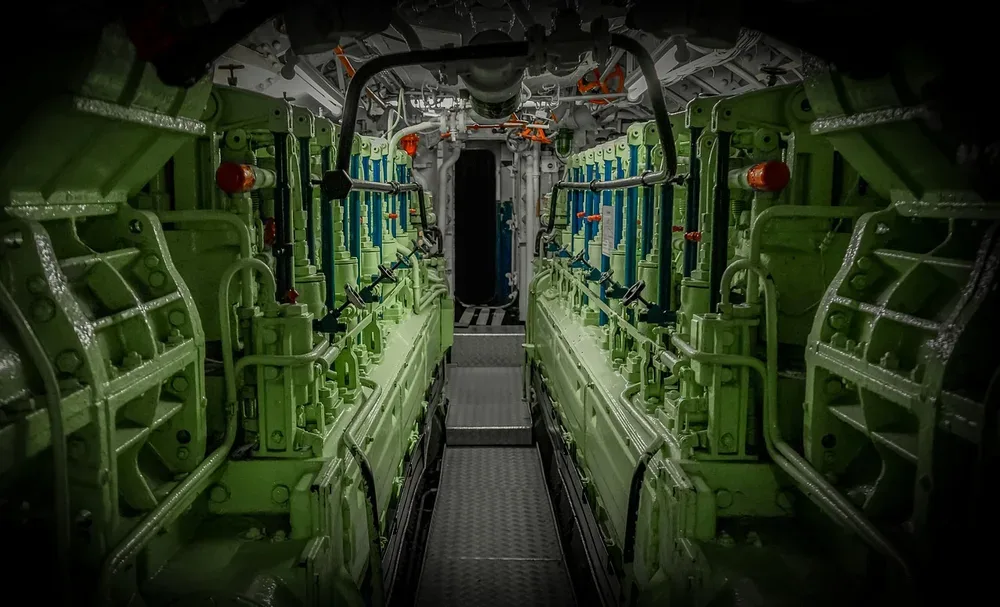
Diesel Exhaust System Parts and What Each Does
A diesel exhaust system usually includes the manifold, turbo or downpipe, diesel oxidation catalyst, DPF, EGR-related piping, sensors, SCR and DEF hardware, and the tail pipe; these parts are generally involved in flow, noise, heat, or emissions control. Miss a fault and you can trigger limp mode, soot loading, higher fuel use, or an expensive aftertreatment replacement. This guide maps each major part to its job, failure symptoms, and how it affects emissions, noise, and engine control.
Layout of common diesel exhaust components
A diesel exhaust system starts at the exhaust manifold and moves through pipes, emissions hardware, noise-control parts, sensors, supports, and the tail pipe. On a modern diesel, that path may also include a diesel oxidation catalyst, a particulate filter, and multiple exhaust sensors, with the exact layout changing by vehicle and emissions package.
The short version is simple: the system moves combustion gases out of the vehicle, cleans part of the exhaust stream, trims noise, and helps the engine control module manage fueling, EGR behavior, and aftertreatment protection. Rust, corrosion, heat cycling, soot loading, and vibration often drive failure. Manufacturer service information and component references from HELLA, Bosch, and exhaust-aftertreatment suppliers all describe the system as an integrated path rather than a single pipe.
Basic diesel flow path
From the cylinder head outward, the common parts are the exhaust manifold, Y pipe, connecting pipes, catalytic converter, DPF, muffler, supports, and tail pipe. HELLA lists the exhaust manifold, Y pipe, particulate filter, pre-muffler, middle muffler, and rear muffler as part of the system description, and notes that diesel engines can partially dispense with a pre-muffler.
That layout matters. A diesel DPF can change the noise profile enough that some systems need less pre-muffler hardware than you would expect from an older design. Exhaust-system catalogs and service literature also show that the exact routing is vehicle-specific, especially where the turbo, catalyst, and aftertreatment sit close together.
Diesel exhaust parts matrix
| Part name | Primary function | Common diesel symptom when faulty | Affects emissions? | Affects noise? | Affects performance? | Watch for |
|---|---|---|---|---|---|---|
| Exhaust manifold | Collects exhaust gases from the cylinders and feeds them into the rest of the system | Burning smell, ticking leak noise, loss of power | Yes | Yes | Yes | Cracks or gasket leaks from thermal cycling, soot trails at the flange, and noise that changes as the engine warms up |
| Y pipe | Joins exhaust flow paths in a common layout | Rattle, leak, uneven exhaust flow | No | Yes | Yes | Check welds, merge points, and joints for seepage or movement under load |
| Connecting pipes | Link exhaust components in vehicle-specific routing and dimensions | Rattle, exhaust odor, underbody leak | Yes | Yes | Yes | Match bends, length, and hanger points to the exact vehicle; leaks often appear at slip joints and clamps |
| Catalytic converter | Reduces harmful exhaust substances using precious metals such as palladium or platinum | Check engine light, loss of emissions control, smell from failed aftertreatment | Yes | No | Sometimes | Can sit near the manifold or farther down the pipe; contamination or overheating often shows up as efficiency faults rather than noise |
| Particulate filter (DPF) | Filters soot and particulates from diesel exhaust | Restricted power, regeneration faults, high back pressure | Yes | Sometimes | Yes | Its sound-absorbing structure can reduce the need for a pre-muffler, but soot loading or failed regen quickly affects drivability |
| Muffler | Reduces exhaust noise through reflection and absorption | Louder-than-normal exhaust, drone, corrosion holes | No | Yes | Sometimes | Corrosion often starts at seams and low spots; a hole near the outlet can sound much louder under acceleration |
| Oxygen sensor | Measures oxygen levels in exhaust emissions and sends a voltage signal to the engine control module | Incorrect fueling trim, poor response, fault codes | Yes | No | Yes | On many modern diesels, oxygen sensors are only part of the sensor set; compare its reading with NOx, exhaust gas temperature, and differential-pressure data before condemning it |
| EGR valve | Recirculates exhaust gases back to the engine | Rough idle, lower fuel economy, hesitation | Yes | No | Yes | Carbon deposits can hold the valve open or closed, and a clogged passage can mimic a valve fault |
| Tail pipe | Final outlet for exhaust gases at the rear of the vehicle | Visible rust, soot streaks, exhaust smell at the rear | Sometimes | Sometimes | No | Look for damage near the last hanger and outlet tip, especially if the pipe is hanging low or contacting the bumper |
| Vibration dampers | Reduce body-transmitted noise from exhaust movement | Rattle, vibration through the body, broken mounts | No | Yes | Sometimes | Often fail with tired hangers, loose clamps, or impact damage that changes the system’s natural frequency |
| Elastic suspensions | Isolate vibration from exhaust components and support the system | Clunking, pipe movement, contact with underbody parts | No | Yes | Yes | Check rubber hangers for cracks, stretch, heat hardening, and misalignment that lets the pipe hit the body |
| Pre-muffler or middle muffler | Provides extra noise control in some layouts | More cabin drone, higher exhaust tone | No | Yes | Sometimes | Not every diesel uses both pieces; missing sound control here can be mistaken for a rear muffler failure |
What does the diesel exhaust manifold do?
The exhaust manifold collects exhaust gases from the cylinders and channels them into a single outlet. On a diesel, that first merge point sees high heat and repeated expansion, so cracking and gasket leaks are common failure modes. A leak here often shows up as a burning smell, a tick at idle, or a drop in engine response.
HELLA and engine-component service references describe the manifold as the first major exhaust collector, which is why a fault here can affect several systems at once. A leaking manifold can disturb downstream sensor readings, increase noise, and make the engine feel weaker under load.
What failure looks like
A cracked manifold usually leaks before it breaks apart. Exhaust staining near the head, soot around a flange, and a sharp smell under the hood are common clues. If the leak opens near a turbo inlet, the engine can also lose boost response, and some service manuals note that the leak may be easiest to hear on a cold start before parts expand.
Picture a truck that sounds normal cold, then starts ticking once it warms up. That pattern often points to thermal cycling opening a small manifold crack rather than to a rear exhaust leak.
Why diesels use exhaust sensors
Diesel exhaust systems use several sensors because the engine control module needs constant feedback on combustion, exhaust chemistry, and aftertreatment loading. Modern diesels often use NOx sensors, exhaust gas temperature sensors, differential pressure sensors, and sometimes oxygen sensors, depending on the emissions package. The sensor set is there to manage emissions and protect the catalyst, DPF, and SCR system.
This is a control network, not a set of separate gadgets. Sensor input helps the engine manage fueling, EGR flow, soot control, regeneration timing, and protection strategies when the exhaust system starts to load up. Bosch- and OE-style service literature consistently treats these sensors as a coordinated system.
Oxygen sensor and EGR valve roles
The oxygen sensor can help the module evaluate oxygen content in the exhaust stream, but it is not the only or primary control device on every diesel. Many modern systems lean more heavily on NOx, temperature, and pressure sensors for aftertreatment decisions. The EGR valve recirculates exhaust gases back to the engine to lower combustion temperature and control emissions, but carbon deposits can clog it and cause rough idle or lower fuel economy.
Suppose a diesel idles unevenly and uses more fuel after short trips. A sticking EGR valve is one likely suspect, especially if the intake and exhaust passages show heavy carbon buildup. If the control module is also reporting temperature or pressure irregularities, the issue may be broader than the valve itself.
Why sensor count varies by vehicle
Sensor count depends on engine size, emissions equipment, and packaging. A system with a turbo, DPF, catalytic converter, and SCR hardware needs more monitoring points than a simpler layout. The same source notes that a vehicle manufacturer adapts the exhaust design to the vehicle, which is why parts and sensor locations vary so much. Service manuals for modern diesel platforms routinely show different sensor sets for upstream, mid-stream, and downstream monitoring.
How diesel exhaust controls noise
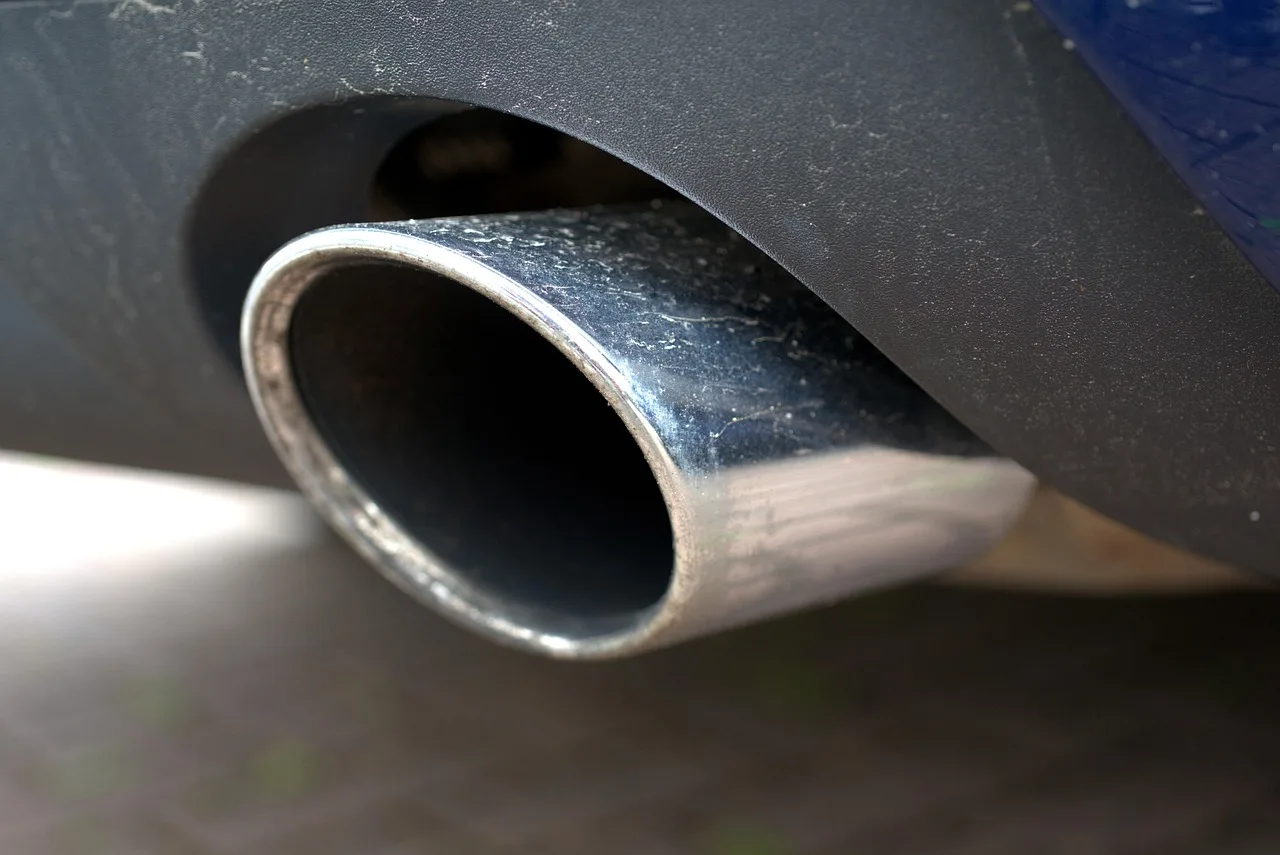
Noise control starts with the manifold and pipe routing, then moves into mufflers, the DPF, and the way the system is mounted under the body. The same source says mufflers reduce the noise generated by the combustion engine, and explains that reflection and absorption are both used inside them.
Reflection sends sound waves back through chambers and perforated passages so they cancel or lose energy. Absorption turns that sound energy into heat in packing or wall material. Those are different tools, and they do different work.
How the DPF affects sound
The particulate filter does more than trap soot. In some layouts, its structure has a sound-absorbing effect that can reduce the need for a pre-muffler. That is one reason modern diesel exhaust packaging can look different from older systems that relied more heavily on multiple mufflers. Exhaust-component references and OE service documents describe this as a packaging and tuning choice rather than a universal rule.
Supports matter more than many owners expect
Vibration dampers and elastic suspensions isolate the exhaust from the body so the pipe does not turn engine pulses into cabin rattle. When those supports fail, even a healthy muffler can sound loud because the noise is being transmitted through the body, not only out the tail pipe. Manufacturer parts catalogs and chassis service manuals often treat hanger condition as part of the noise diagnosis, not just a mounting detail.
How do exhaust parts work together to reduce emissions and noise?
Each part handles a different job. The manifold gathers gas, the catalyst reduces harmful exhaust substances, the DPF traps soot, the EGR system lowers combustion temperature, and the muffler cuts noise before the flow exits at the tail pipe. Together they manage flow, back pressure, emissions, and sound.
Modern diesel systems may include catalytic converters or particulate filters, and the layout can place the converter near the manifold or farther down the pipe. HELLA also lists rear mufflers, middle mufflers, and pre-mufflers, which shows how manufacturers tune the whole path for the vehicle rather than using one universal arrangement.
What fails first and what you notice
A common first-timer mistake is blaming every loud exhaust on the muffler. A cracked manifold can also make a diesel louder, but the sound often comes with a burning smell and power loss. A corroded muffler more often causes a deeper, broader exhaust note with less smell.
Another common clue is rough idle paired with poor fuel economy. That points more toward EGR deposits, a sensor issue, or a control fault than toward a rear pipe leak. When the aftertreatment system is involved, service data often shows accompanying temperature, pressure, or NOx faults as well.
What does the catalytic converter do on a diesel?
The catalytic converter reduces harmful exhaust substances before the gases leave the vehicle. On a diesel, it uses precious metals such as palladium or platinum to promote chemical reactions in the exhaust stream. It may be integrated near the manifold or placed in the pipe, depending on the layout. Diesel service references typically describe it as a DOC, or diesel oxidation catalyst, when it is doing the oxidation job in the exhaust line.
If this part fails or becomes contaminated, the main symptom is usually emissions-related rather than a dramatic noise change. You may see fault codes, odor changes, or reduced aftertreatment efficiency before you hear anything obvious.
DOC behavior in the exhaust stream
A diesel oxidation catalyst helps oxidize hydrocarbons and carbon monoxide in the exhaust, and on many layouts it also supports heat generation for downstream aftertreatment events. That is why a DOC fault can affect DPF regeneration behavior even when the exhaust still sounds normal.
What does the DPF do in a diesel exhaust system?
The DPF filters soot and particulates from diesel exhaust. That makes it a core emissions part, but it also affects flow, regeneration behavior, and in some systems noise control. HELLA includes particulate filters in modern exhaust layouts, and the filter can reduce the need for a separate pre-muffler.
When a DPF loads up or stops regenerating properly, the engine may lose power, run with higher back pressure, or set aftertreatment faults. The warning may feel like a performance problem long before it becomes a visible smoke issue.
What the monitor data usually shows
Diesel service literature commonly ties DPF diagnosis to differential pressure, exhaust temperature, and regeneration history. A plugged filter does not always announce itself with smoke first; it often shows up as a power reduction, higher exhaust back pressure, or a forced regen request.
What does the muffler do on a diesel?
The muffler reduces exhaust noise. It does that with chambers, perforated passages, and absorption material that work together to reduce the sound energy leaving the system. The same source says mufflers reduce the noise generated by the combustion engine, and the rear muffler is a standard part of the layout.
Corrosion is the classic failure mode. When the shell rusts through, the exhaust note gets louder, sharper, and sometimes droney. That symptom usually points to the muffler or its joints rather than to the catalyst or DPF.
Acoustic tuning details
Modern diesel mufflers are tuned for more than simple volume reduction. They can target resonance, drone, and pulse cancellation, which is why a vehicle may sound harsh even if it is not dramatically louder. Hanger condition and pipe alignment can change what the cabin hears as much as a small muffler leak can.
What does the oxygen sensor do on an exhaust system?
The oxygen sensor measures oxygen levels in the exhaust stream and sends a voltage signal to the engine control module. That signal can help the module evaluate combustion and mixture behavior, but modern diesel control often uses it alongside NOx, exhaust gas temperature, and pressure sensors rather than relying on it alone.
If the sensor becomes contaminated, the engine may not control mixture and emissions as accurately. The result can be poor response, increased smoke, or fault codes tied to sensor plausibility rather than a visible exhaust leak.
What to compare before replacing it
On many diesels, the best diagnosis compares oxygen data with NOx readings, temperature trends, and differential pressure. A single off-reading sensor can be a wiring issue, exhaust leak, soot contamination, or a control problem upstream of the sensor itself.
What does the EGR valve do in a diesel engine?
The EGR valve routes some exhaust gases back into the engine to help control combustion temperature and emissions. In diesel service, it is common for the valve and passages to load with carbon deposits, which can disrupt idle quality and fuel economy.
When it sticks, the symptoms are often rough idle, hesitation, or a noticeable change in drivability before any exhaust noise changes. That is why EGR faults often feel like an engine-control problem even though the root cause sits in the exhaust path.
Behavior under load and short-trip use
EGR problems often become more obvious after repeated short trips, where soot and condensation can accelerate buildup. Service manuals and emissions references commonly tie EGR faults to carbon restriction, valve sticking, and passage blockage rather than to the valve alone.
Which exhaust part causes loud noise when it fails?
The muffler is the first part many owners suspect because it is designed to reduce noise, and a rusted-through muffler often makes the exhaust immediately louder. A cracked manifold can also create a sharp ticking or chuffing sound, but that usually comes with a burning smell and heat-related leak marks.
Noise can also come from broken hangers or failed elastic suspensions. In that case the pipe may strike the body, so the sound is often a rattle rather than a steady exhaust roar.
Quick sound clues
A deep roar usually points to a muffler or rear-pipe opening. A fast tick at idle leans toward the manifold or an upstream leak. A clunk or body buzz points more toward hanger isolation problems, loose clamps, or contact with underbody parts.
Frequently asked questions
What are the main parts of a diesel exhaust system?
The main parts are the exhaust manifold, connecting pipes, Y pipe, catalytic converter, DPF, muffler, supports, sensors, and tail pipe. Modern diesels may also include EGR piping and SCR hardware. The exact layout depends on the vehicle, which is why parts are often listed by VIN or chassis type.
Sources
- HELLA Tech World: exhaust system component descriptions, muffler function, and diesel exhaust layout notes
- Bosch Automotive Handbook: diesel engine management, exhaust-gas sensors, and aftertreatment control concepts
- OE service information and diesel aftertreatment training literature: NOx, exhaust temperature, differential pressure, and oxygen sensor usage on modern diesel systems
- Diesel oxidation catalyst and DPF service references from exhaust-aftertreatment manufacturers: catalyst oxidation function and soot-filter regeneration behavior
- Chassis and exhaust-system service manuals: hanger, support, and isolation diagnosis for exhaust noise and contact issues