
Exhaust System Components and What Each One Does
An exhaust system usually has about five main jobs in order: collect gases, move them away, quiet the sound, clean emissions, and keep backpressure within a suitable range. Miss one part and you can get noise, leaks, failed inspections, poor power, or engine damage. This guide explains each component and how OEM, performance, and failed parts change its job.
What does the exhaust system do?
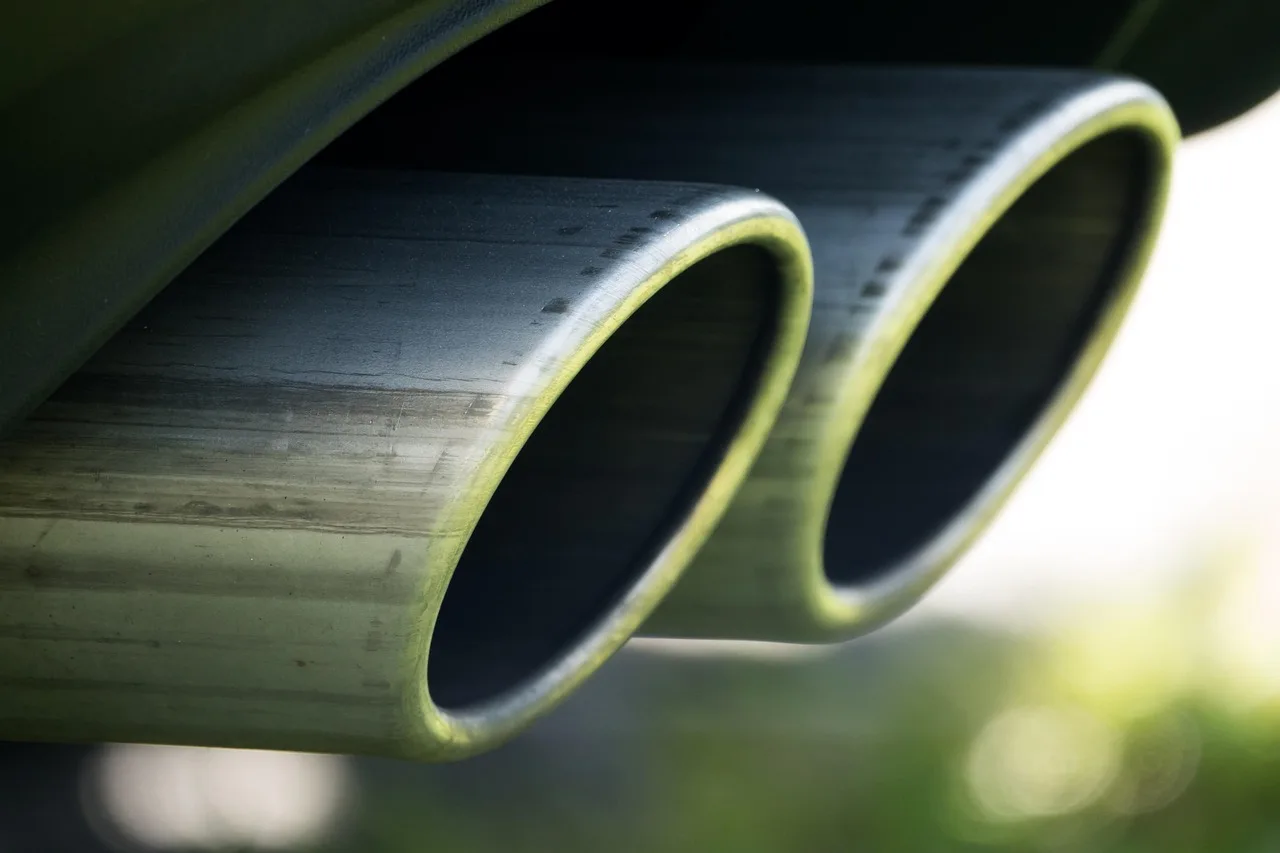
The system starts at the exhaust ports and ends at the rear outlet. Along the way, it carries hot gases out of the engine, reduces harmful emissions, lowers noise, limits vibration, and manages heat under the body. Modern systems are also tuned to reduce power loss, not only to move gas.
Each part has a defined job. The manifold gathers flow, the converter treats emissions, the sensors report conditions, the pipes move gas, the muffler quiets it, and the tailpipe releases it. If one section fails, the next section has to handle a different load.
What the basic flow looks like
- Exhaust leaves the cylinder through the exhaust ports.
- The manifold collects the pulses from each cylinder.
- Pipes route flow under the body toward emissions and noise-control parts.
- Sensors report oxygen or emissions data to the engine control module.
- The catalytic converter reduces harmful compounds.
- The muffler and any resonator reduce sound.
- The tailpipe releases the gases to open air.
How do exhaust gases move from engine to tailpipe?
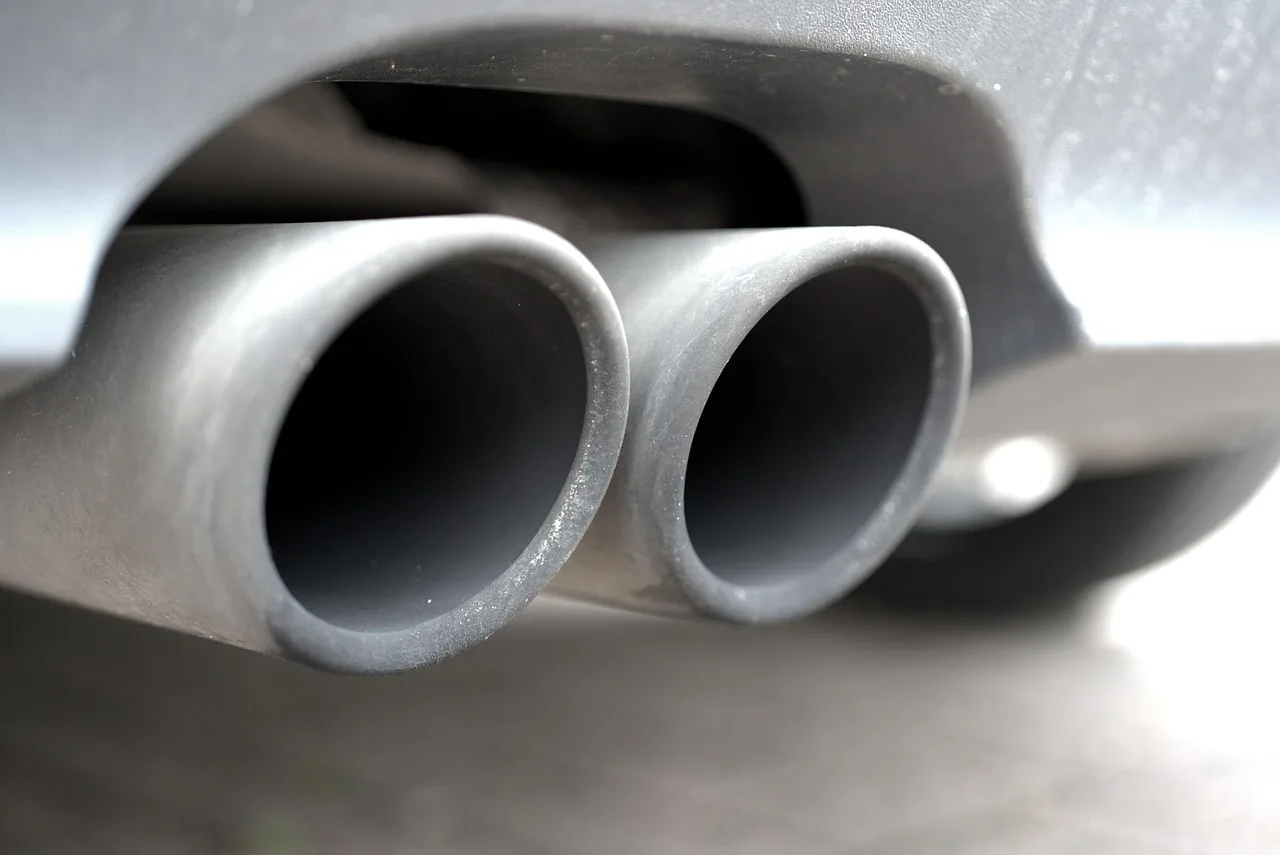
Exhaust gas leaves the cylinder head, enters the manifold, then travels through pipes to the converter, sensors, and noise-control section before exiting at the tailpipe. Placement varies by vehicle, but the path stays the same: collect near the engine, process in the middle, and discharge at the rear.
Exhaust ports and manifold entry
The manifold is usually the first major component after the exhaust ports. It bolts to the cylinder head, or in some layouts to the block, and collects gases from the cylinders into one stream. Cast iron manifolds favor durability and heat retention, while tubular styles, often called headers, aim to improve flow with shaped tubes. (Wikipedia)
Some manifolds include integrated sensor bosses or heat-management features. That matters because the first section sees the highest heat and vibration load. A poor seal here can affect the whole downstream system.
Pipe routing under the body
The exhaust pipe connects major components and routes gases under the vehicle. Its diameter, bends, and hangers vary by engine, drivetrain, and chassis packaging. The pipe can rust from heat, moisture, and road salt, so the same section can fail as a thin spot, a crack, or a broken joint.
The flex pipe often sits near the front section or another engine-movement zone. It absorbs vibration and reduces continuous stress between rigid sections. Without it, movement from the engine can load the manifold, flanges, and welds.
Where sensors and converter sit in the path
Oxygen sensors and other exhaust sensors need a location that reflects the gas conditions the engine controller wants to read. The catalytic converter may be close-coupled near the engine or underfloor farther back. A sensor before the converter can help with air-fuel correction, while downstream sensing can help verify emissions control.
What does each exhaust component do?
Each component handles one part of the flow. The manifold collects, the pipe carries, the flex section cushions movement, the converter cleans, the sensors report, the muffler quiets, the resonator tunes a narrow band of sound, and the tailpipe finishes the route. OEM and performance layouts mainly change how much flow, noise, and heat each part manages.
Exhaust manifold
The manifold’s core job is collection. It gathers exhaust gases from the cylinders and sends them into the rest of the system. In OEM form, the design usually favors packaging, heat control, and durability. In performance form, a tubular header uses smoother runners and tuned lengths to improve pulse flow and cylinder clearing.
Common failure pattern: cracked casting, leaking gasket, or loose flange hardware. The most obvious symptoms are ticking near a cold start, a burning smell, decreased performance, and increased fuel consumption. If the leak is near the cabin, exhaust odor can enter the vehicle.
Exhaust pipe and flex pipe
The pipe is the transport section. It does not treat emissions or quiet sound by itself; it simply routes gases between major components. The flex pipe adds movement tolerance where the engine and body move relative to each other. It protects joints from repeated load and helps prevent crack propagation.
Common failure pattern: rust-through, crushed pipe, split flex braid, or a leaking clamp or flange joint. The most obvious symptom is a louder exhaust note, but a leak can also cause soot at a joint, drone under load, or exhaust smell under the car.
Catalytic converter and exhaust sensors
The catalytic converter reduces harmful exhaust emissions. Its core uses precious-metal coating, commonly palladium or platinum, to convert nitrogen and carbon oxides into less harmful compounds. It can sit underfloor or close-coupled near the engine, depending on how quickly the system needs the catalyst to light off.
The oxygen sensor measures oxygen levels in the exhaust and sends a signal to the engine control module. That signal is used for air-fuel correction. Exhaust sensors can also include lambda sensors and NOx sensors, which help the engine or emissions system track mixture quality and downstream emissions conditions.
Common failure pattern: sensor drift, heater fault, wiring damage, or converter substrate damage. The most obvious symptom is a check engine light, but the vehicle may also show rough idle, poor fuel economy, failed emissions monitors, or reduced performance. A sulfur-like smell alone does not prove a bad converter.
Muffler, resonator, and tailpipe
The muffler’s primary job is to minimize exhaust noise. It can use reactive, resistive, absorptive, or shell-damping designs. A resonator usually targets a narrower frequency range and helps remove drone or ringing before the muffler finishes the job. The tailpipe is the final outlet at the rear of the vehicle.
Common failure pattern: internal baffle breakage, rust hole, crushed case, or loose hanger. The most obvious symptom is a louder, deeper, or tinny exhaust note. A damaged resonator often shows up as cabin drone at a specific engine speed, while a damaged muffler can change overall volume across the whole range.
Exhaust components function matrix
| Component | Type | Location in system | Core job | What it affects | Common failure mode | Most obvious symptom |
|---|---|---|---|---|---|---|
| Exhaust manifold | Mandatory | Bolted to cylinder head or block, first major part after exhaust ports | Collects exhaust gases from cylinders and feeds the outlet stream | Noise, heat, performance, vibration | Crack, warped flange, gasket leak | Ticking noise, burning smell, reduced power |
| Exhaust pipe | Mandatory | Between major exhaust parts under the body | Routes gases through the vehicle | Noise, heat, performance | Rust-through, crush damage, cracked weld | Exhaust leak, louder tone, soot trail |
| Flex pipe | Support hardware | Near engine movement zones or front section | Absorbs vibration and protects rigid joints | Vibration, heat, joint stress | Split braid, internal failure, leak | Rattling, hiss, vibration at idle or load |
| Catalytic converter | Emissions-critical | Usually after manifold and before rear noise-control section | Reduces harmful exhaust emissions | Emissions, heat, performance | Clogged core, substrate break, contamination | Check engine light, loss of power, failed emissions test |
| Oxygen sensor | Emissions-critical | In the pipe near the manifold or converter | Measures oxygen and reports to the engine control module | Emissions, performance, fuel control | Heater fault, slow response, wiring issue | Check engine light, poor fuel economy, rough idle |
| Lambda sensor | Emissions-critical | Upstream or downstream depending on system design | Monitors mixture and supports emissions control | Emissions, performance | Signal drift, contamination | Mixture correction errors, warning light |
| NOx sensor | Emissions-critical | Downstream in systems that monitor nitrogen oxides | Tracks NOx conditions for emissions management | Emissions | Sensor fault or wiring problem | Emissions warning, failed monitor |
| Catalytic converter close-coupled section | Emissions-critical | Near the engine, before underfloor routing | Lights off quickly to reduce cold-start emissions | Emissions, heat | Heat damage, substrate failure | Emissions failure, odor, power loss |
| Muffler | Noise-critical | Middle or rear section | Reduces exhaust noise | Noise, backpressure, heat | Rust hole, broken baffle, loose internals | Much louder exhaust, metallic rattle |
| Tailpipe | Support hardware | Final outlet at the rear of the vehicle | Expels exhaust gases into open air | Noise, heat, appearance | Rust, dent, hanger failure | Visible damage, altered exit flow, exhaust odor near rear |
How do OEM and performance layouts differ?
Factory systems usually balance noise control, emissions compliance, durability, and cost. Performance layouts place more weight on flow and tuned pulse behavior. They may use larger pipes, shorter routing, tubular manifolds, and different muffler tuning. The tradeoff is usually more sound and less cabin refinement, not automatic power everywhere.
Factory layout priorities
OEM systems are typically designed around package space, emissions certification, heat management, and predictable noise levels. They often use a cast manifold, one or more sensors, a converter placed where it lights off quickly enough, and a muffler that controls the sound across everyday driving.
Performance layout priorities
Performance exhaust design emphasizes tuned lengths and forms for power delivery. Headers are the first tubular exhaust manifolds. A performance system may reduce restriction in selected sections, but it still needs enough emissions hardware to stay legal for the vehicle and use case. Removing a converter or sensor changes the system in ways that may violate local laws and can trigger fault codes.
A common first-timer mistake is to chase a louder muffler when the real issue is a leaking flex pipe. The leak can add harsh sound, poor low-end response, and soot marks near the joint. Fix the leak first, then judge the sound quality.
What should stay legal?
Keep the emissions equipment required for your vehicle and market. Follow the vehicle manual and local laws for any repair or modification. If you need to lift the car, follow the vehicle manual, never work under a vehicle held only by a jack, and make sure the exhaust has cooled before you touch it.
Which exhaust parts fail first, and what do you notice?
Leaks and corrosion usually show up first in the manifold, pipe joints, flex section, and rear muffler or tailpipe. Sensor faults can appear before a part has visible damage, while a clogged converter can create a drivability problem before anything rattles. The symptom pattern usually tells you which section to inspect first.
Noise, smell, and vibration clues
Exhaust leaks near the engine often make a ticking sound that rises with rpm. Leaks farther back usually sound like a hiss or a hollow, louder exhaust note. A damaged flex pipe or broken hanger can add vibration at idle. If exhaust odor appears near the cabin or rear seat area, inspect for a leak before assuming a component has simply “gone bad.”
Sensor and converter clues
When an oxygen sensor or lambda sensor misreads, the engine control module may correct fuel the wrong way. That can cause rough idle, hesitation, or worse fuel economy. A converter restriction often feels different: the engine may lose power under load, especially as exhaust flow demand rises. The warning light may be the first sign.
Say your 4-cylinder car begins ticking at cold start, then quiets as it warms up. That pattern points more toward a manifold or gasket leak than a muffler issue, because the noise starts near the front of the system where pressure and heat are highest.
Suppose a rear-wheel-drive sedan develops cabin drone at a steady 2,500 rpm but no strong exhaust smell. That points more toward a resonator or muffler tuning problem than a converter fault, because the symptom is sound-focused rather than emissions-focused.
Frequently asked questions
What are the main exhaust system components and what does each one do?
The main parts commonly include the exhaust manifold, pipes, catalytic converter, oxygen sensor or other exhaust sensors, muffler, flex pipe, resonator if fitted, and tailpipe. The manifold collects gas, the pipes route it, the converter cleans it, sensors report conditions, and the muffler and resonator manage sound before the tailpipe releases it.
What does the exhaust manifold do in a car?
The exhaust manifold bolts to the cylinder head or block and gathers exhaust from the cylinders into one path. It is the first major part after the exhaust ports. If it leaks, you can get ticking noise, a burning smell, and lower engine performance.
What does the catalytic converter do in the exhaust system?
The catalytic converter reduces harmful exhaust emissions by using a precious-metal coated core. It changes nitrogen and carbon oxides into less harmful compounds. Placement can be close-coupled or underfloor, depending on how the vehicle is designed to manage heat and emissions timing.
What is the difference between a muffler and a resonator?
A muffler is the main noise-control box, and its primary purpose is to minimize exhaust noise. A resonator usually targets a narrower sound band, often to reduce drone or a specific tone. Many systems have both, but they do different jobs in the sound path.
What does the tailpipe do?
The tailpipe is the final outlet at the rear of the vehicle. Its job is to expel exhaust gases into open air after they pass through the rest of the system. It can be a single outlet or one of several outlets, depending on the vehicle layout.
What does an oxygen sensor do in the exhaust system?
An oxygen sensor measures oxygen levels in the exhaust and sends a signal to the engine control module. That signal helps the engine adjust air-fuel mixture and supports emissions control. Some systems also use lambda sensors and NOx sensors for additional monitoring.
Which exhaust parts affect noise, emissions, and performance the most?
The muffler has the biggest effect on noise, the catalytic converter and exhaust sensors have the biggest effect on emissions, and the manifold, pipes, and flex section have the clearest effect on flow and vibration. In performance layouts, tuned lengths and pipe diameter also change how the engine breathes.
How do exhaust components work together from engine to tailpipe?
The system works as a chain. The manifold collects the gas, the pipes move it, the flex section protects the joints, the sensors report conditions, the converter cleans emissions, the muffler reduces noise, and the tailpipe releases the flow. When one part fails, the next part often has to absorb the extra load.