How to Measure Exhaust Hanger Size Correctly
Measure exhaust hanger size by checking rod diameter, loop inner diameter, and mounting-hole spacing before you order a replacement.

Exhaust buying guides and comparisons covering long and short tube headers, clamps and gaskets, for owners choosing parts.
Measure exhaust hanger size by checking rod diameter, loop inner diameter, and mounting-hole spacing before you order a replacement.

Check for leaks first, then compare backpressure or temperature drop side to side, and confirm no hard restriction at 2,500–3,000 rpm.

Short trips leave exhaust systems cold and wet, which speeds internal rust. This page explains why it happens, which parts fail first, and when rust becomes a safety issue.
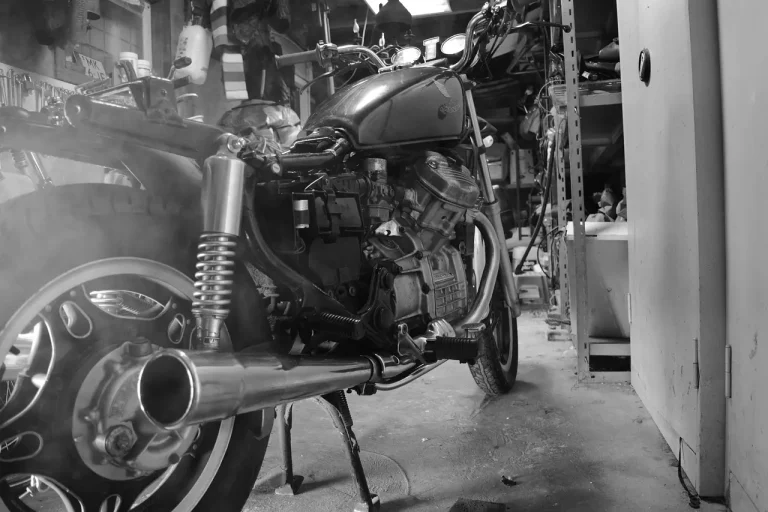
Find the leak first, then replace the exhaust port gasket by removing the header, cleaning the sealing faces, and tightening the flange evenly.

Choose the right clamp or coupler for straight pipe, slip joints, or size changes. Check diameter first so you avoid leaks, rattles, and cracked tubing.

Use stainless or zinc-coated hardware, nickel or copper anti-seize, and winter rechecks to keep exhaust bolts from rusting shut.
Use a gauge at the upstream O2 port or manifold, then compare idle and 2,500 rpm readings to spot a restriction or a false result.

Inspect the hanger, replace the rubber if the metal bracket is sound, and stop driving if the bracket or mount is rusted through.

A blown exhaust manifold gasket usually shows a cold-start tick, soot at the manifold joint, and a leak that changes as you probe around it.

Exhaust clamp rattling usually comes from a loose clamp, a misaligned slip joint, or pipe contact with a bracket or hanger.