Catalytic Converter vs Muffler: Key Differences Explained
Catalytic converter faults cause emissions codes and failed smog tests; muffler faults mainly cause loud exhaust, rattles, or leaks.

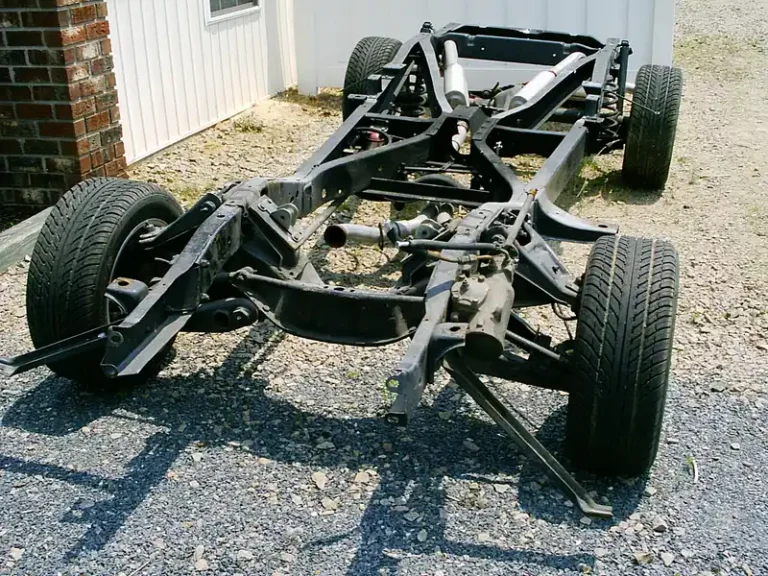
Catalytic converter faults cause emissions codes and failed smog tests; muffler faults mainly cause loud exhaust, rattles, or leaks.
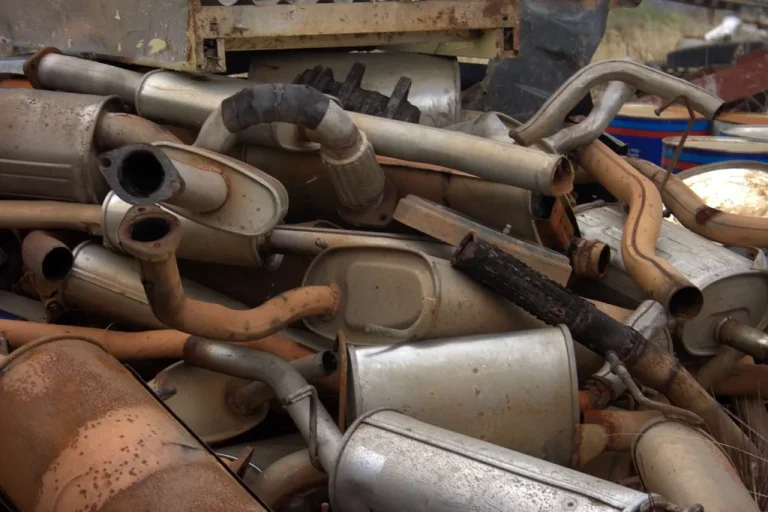
Use a high-temp rust converter on light exhaust rust and replace flaking, perforated parts. Compares heat limits, part types, and long-term value.
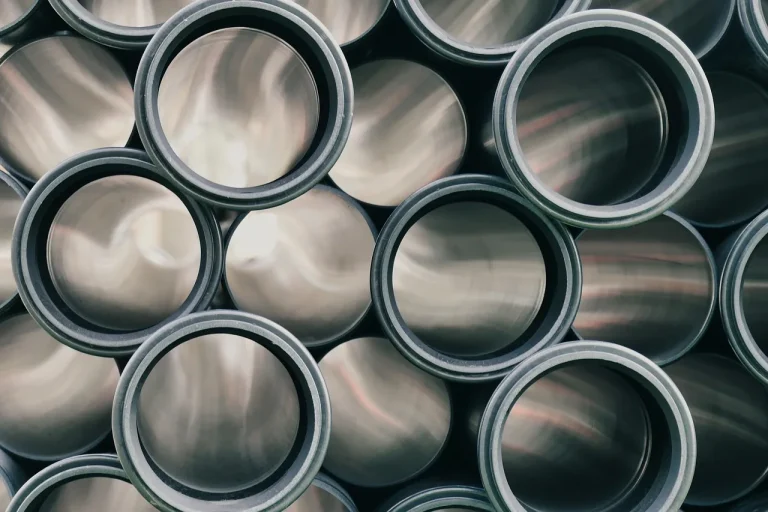
Clamp for serviceability and fit correction; weld for the most permanent exhaust joint when the pipes already align well.

A muffler cuts overall exhaust volume, while a resonator targets specific tones and cabin drone. Pick the part that matches the noise first.

A field workflow for exhaust inspection and testing, with leak, backpressure, and movement checks to sort leaks, restriction, broken substrate, and noise.
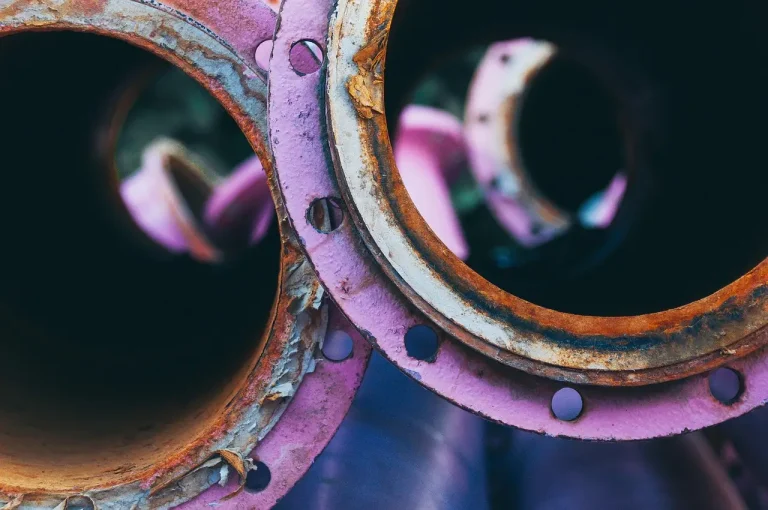
Clean and coat surface rust, but replace exhaust parts with pinholes, cracked welds, failed hangers, leaking flex joints, or metal loss around 25%.
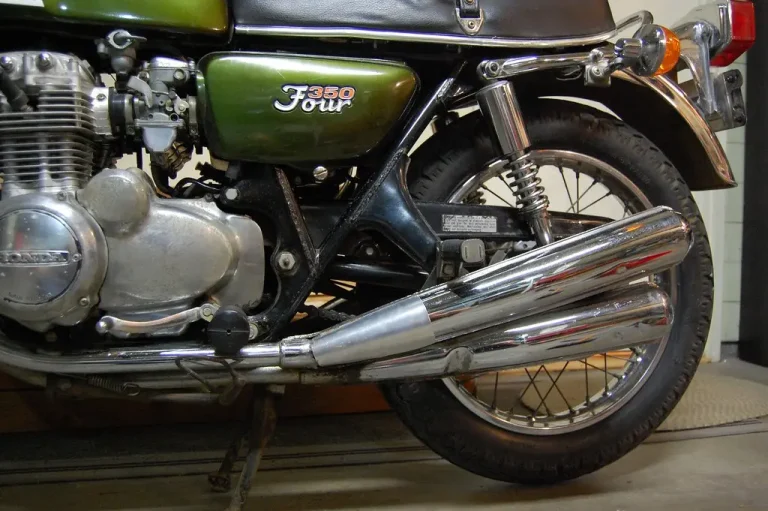
Use band clamps for straight slip-fit joints, U-bolts for cheap crush-fit repairs, and V-bands for frequent removal. Covers sizing, joint checks, and install steps.
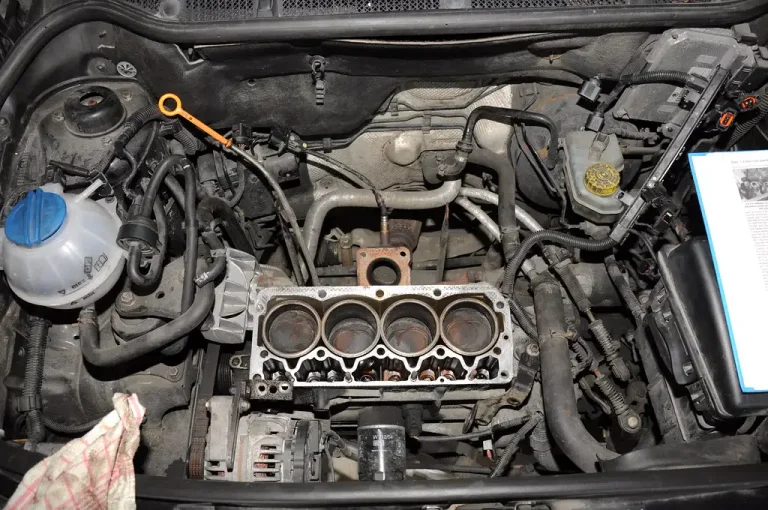
Match the gasket to the joint type first. Covers exhaust joint styles, gasket materials, sizing steps, failure signs, and hardware choices.
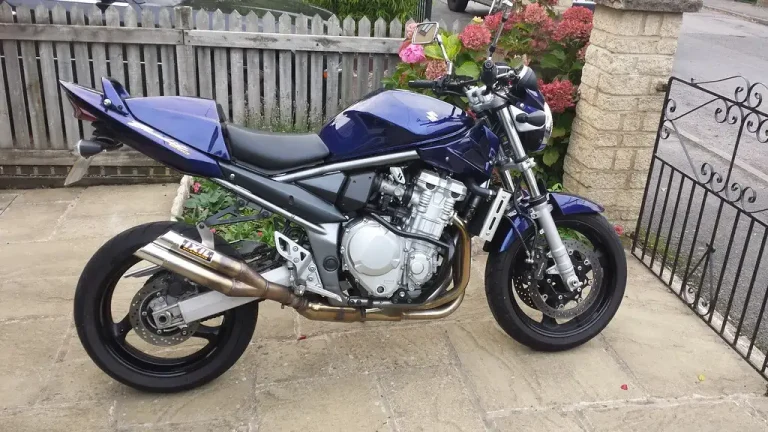
Choose an exhaust hanger by mount style first, then size it by rod diameter, hole spacing, and rubber length to avoid rattles, contact, and cracked welds.
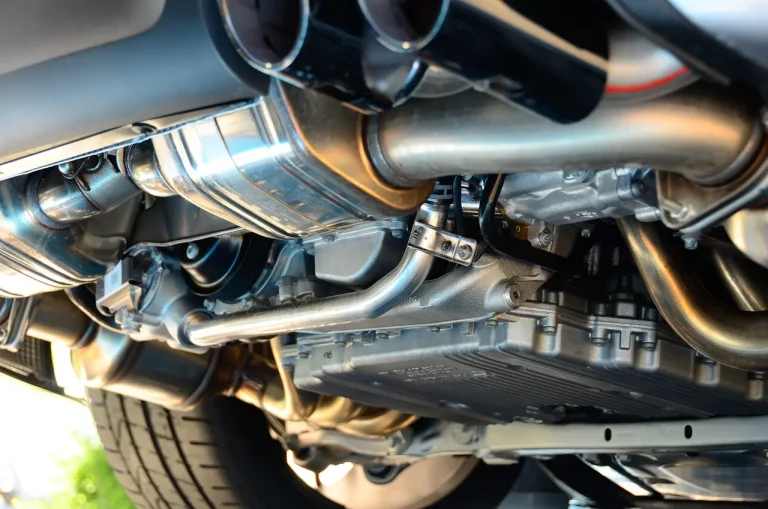
Flow-order guide to 6-10 exhaust components, with each part’s job, common failure signs, and the exact place to inspect before buying parts.