How Much Rust Is Too Much on an Exhaust Pipe?
Light surface rust is usually fine. Soft spots, pinholes, holes, or seam cracks mean patching or replacement, and cabin fumes mean stop driving.

Exhaust buying guides and comparisons covering long and short tube headers, clamps and gaskets, for owners choosing parts.
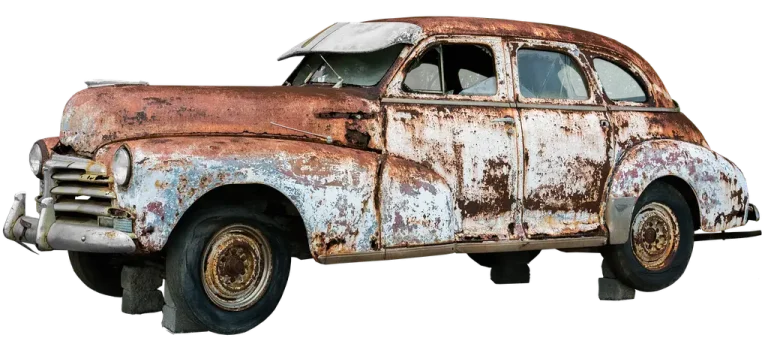
Light surface rust is usually fine. Soft spots, pinholes, holes, or seam cracks mean patching or replacement, and cabin fumes mean stop driving.

Exhaust hanger inserts are worth it only when the rubber isolator is worn or split and the hanger, rod, and bracket are still sound.
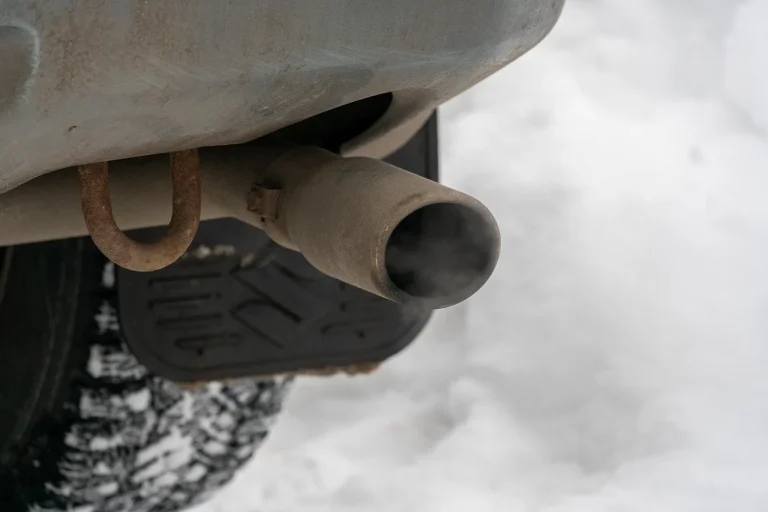
Resonated axle-back first, then a mild cat-back or mid-pipe. Keep OEM cats where local rules require it; drone, fitment, and inspection issues are the main tradeoffs.

Walker, MagnaFlow, and Dorman are the safest exhaust hanger brands for OE-style, performance, and budget repairs. Compare materials, fitment, and rust resistance by hanger type.

Aftermarket exhaust hangers are worth it when factory rubber is worn, the exhaust needs more clearance, or you want a stiffer mount with better fit options.

Choose aftermarket for hangers, clamps, resonators, and mufflers; keep OEM for oxygen sensors and catalytic converters.

Pick a hanger sized to your pipe diameter and vibration load; compare straps and clamps by fit, material, and vibration control.

Single exhaust uses one pipe path; dual exhaust adds a second branch that can improve flow on higher-output engines but adds cost and packaging demands.

Use an exhaust flange when the joint still needs a rigid, gasketed, serviceable connection; use a clamp only when the pipe ends are sound and aligned.

V-band exhaust clamps are worth it for frequent disassembly, tight sealing, and compact packaging. They’re less attractive for simple, low-cost exhaust joins.