5 Best Hangers for Lowered Cars (2026): We Compared
Choose exhaust hangers that leave 10–15 mm of travel margin, then step up stiffness only if the pipe still touches or bangs.

Exhaust buying guides and comparisons covering long and short tube headers, clamps and gaskets, for owners choosing parts.

Choose exhaust hangers that leave 10–15 mm of travel margin, then step up stiffness only if the pipe still touches or bangs.
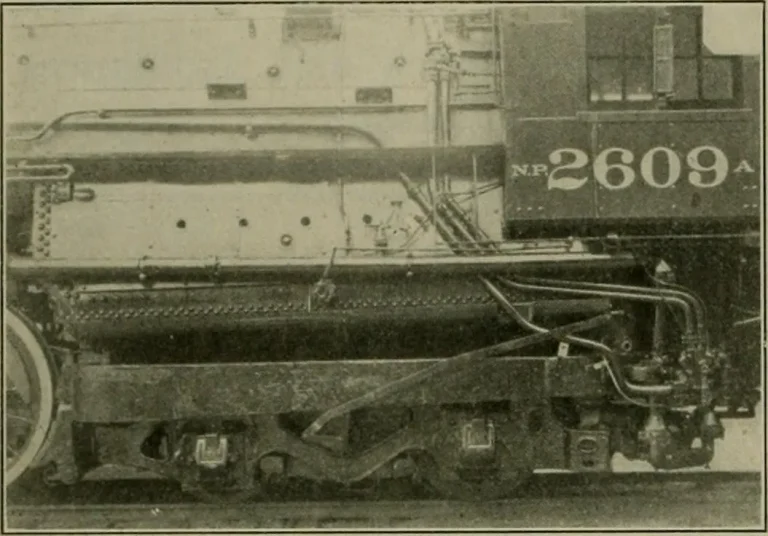
An exhaust flange aligns the joint, the gasket seals it, and the clamp or bolts hold the load; replace the gasket first, then the flange or fasteners if needed.

Kroil is the top pick for the hardest rusted exhaust fasteners; PB Blaster is the best value. Use access, fastener type, and rust severity to choose.
Wide-band lap-joint clamps suit slip-fit stainless exhaust sections; V-bands fit flanged joints. Avoid U-bolts on thin-wall tube. Includes size and material guidance.

Graphite exhaust gasket works best on imperfect, lower-clamp flanges; multilayer steel fits flatter, higher-clamp joints with harsher heat cycling.
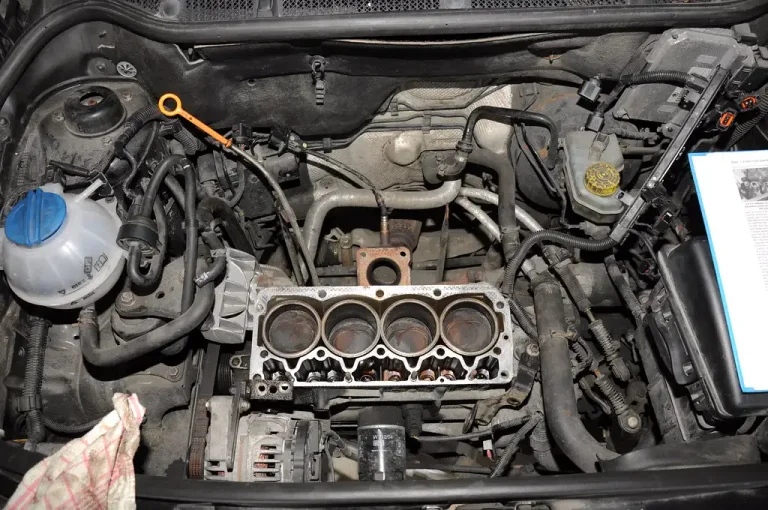
Use a flat flange gasket only when both flange faces are flat, parallel, and fully supported. Use a donut gasket when the joint needs angular movement or a cone seat.
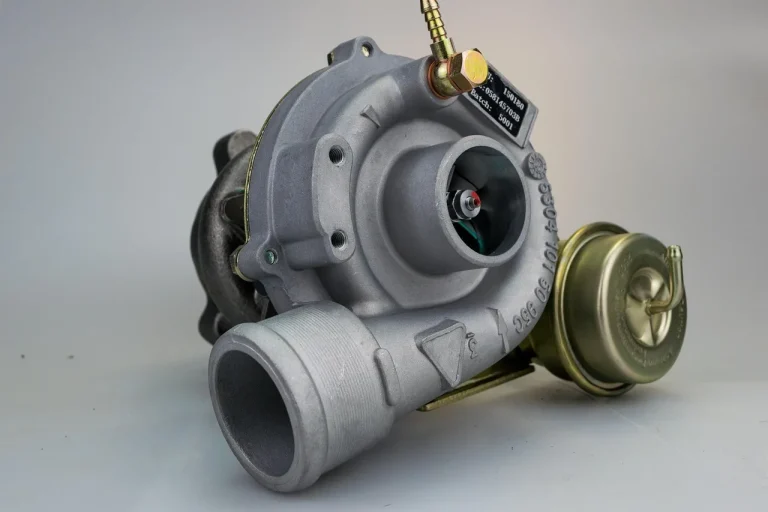
A downpipe is the first pipe after the turbo; exhaust pipe can mean any pipe in the system. The guide compares boundaries, flanges, catalysts, and diameter choices.
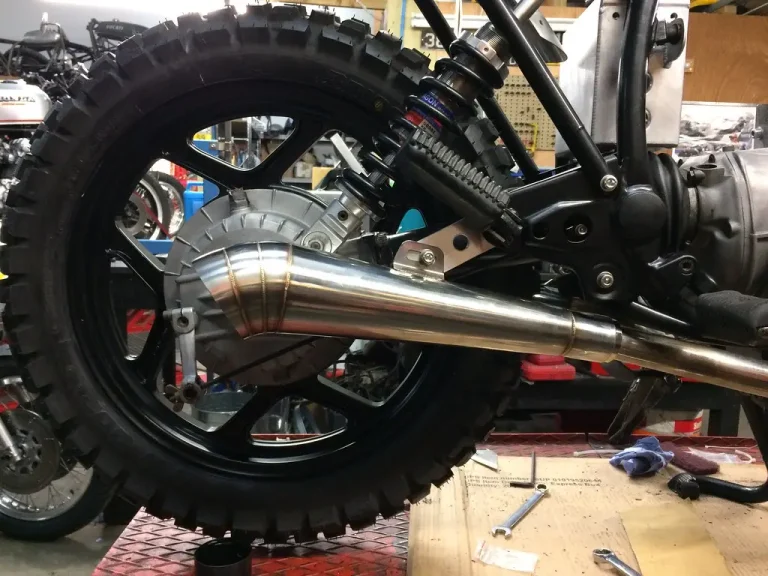
A reducer steps down pipe size; an expander steps it up. Use diameter, end style, and clamp fit to choose the right exhaust part.
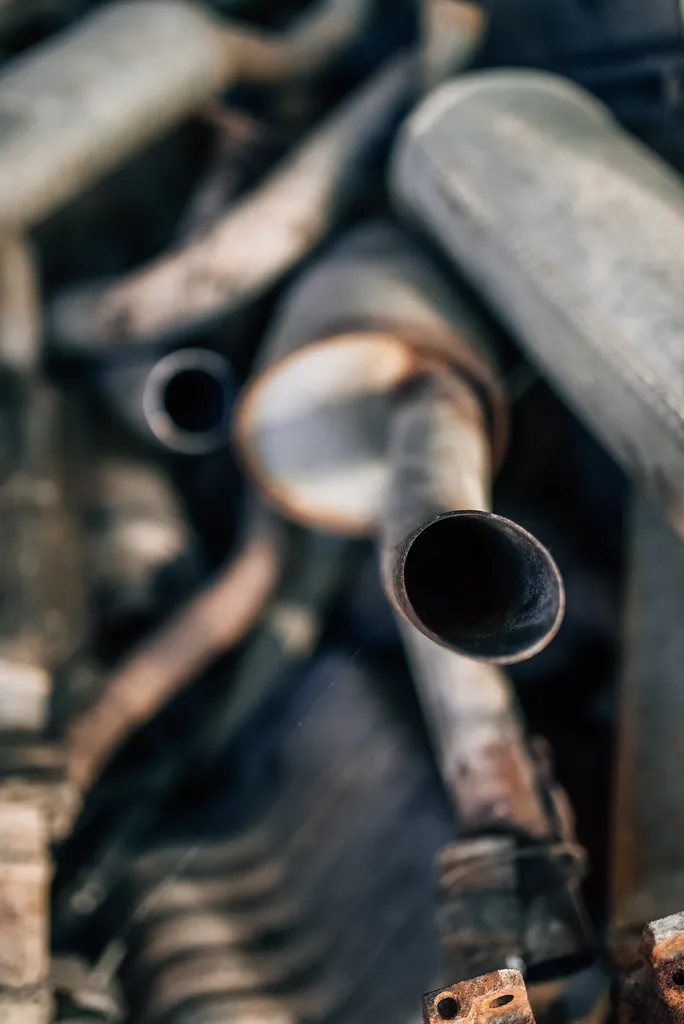
Use a crush washer for a flat, single-bolt exhaust plug; use a gasket for a flanged, two-surface joint. Replace either when the joint no longer clamps cleanly.

Choose rubber for most stock and daily-driven exhausts; choose polyurethane only for firmer control on heavier or modified systems when you can accept more vibration.