Are Aftermarket Exhaust Hangers Worth It?
Aftermarket exhaust hangers are worth it when factory rubber is worn, the exhaust needs more clearance, or you want a stiffer mount with better fit options.

Exhaust buying guides and comparisons covering long and short tube headers, clamps and gaskets, for owners choosing parts.

Aftermarket exhaust hangers are worth it when factory rubber is worn, the exhaust needs more clearance, or you want a stiffer mount with better fit options.

Choose aftermarket for hangers, clamps, resonators, and mufflers; keep OEM for oxygen sensors and catalytic converters.

Pick a hanger sized to your pipe diameter and vibration load; compare straps and clamps by fit, material, and vibration control.
Single exhaust uses one pipe path; dual exhaust adds a second branch that can improve flow on higher-output engines but adds cost and packaging demands.
Use an exhaust flange when the joint still needs a rigid, gasketed, serviceable connection; use a clamp only when the pipe ends are sound and aligned.

V-band exhaust clamps are worth it for frequent disassembly, tight sealing, and compact packaging. They’re less attractive for simple, low-cost exhaust joins.
Choose graphite-steel composite for steady exhaust heat, MLS for short spikes above 1,200°F, and soft graphite for warped flanges.

Choose OE-style rubber for stock systems, polyurethane for lifted trucks, and reinforced straps or brackets for sagging dual exhausts. The guide compares pipe size, material, and load notes.
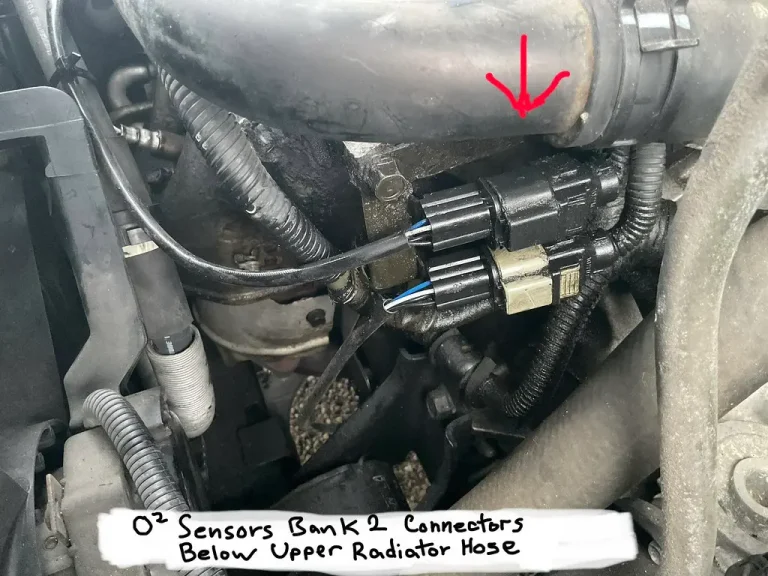
Upstream sensors sit before the catalytic converter; downstream sensors sit after it. This guide maps bank and sensor numbers and helps you buy the right part.

Choose a V-band clamp for frequent disassembly and tight alignment, or a flange connection for lower cost and easier parts sourcing.