Can an Oxygen Sensor Cause a Check Engine Light?
An oxygen sensor can turn on the check engine light, but fuel, exhaust, or wiring faults may be the real cause. Learn the code patterns and checks first.

Oxygen sensor guides on replacement cost, upstream and downstream sensors, bank numbering and OEM parts, for owners diagnosing codes.
An oxygen sensor can turn on the check engine light, but fuel, exhaust, or wiring faults may be the real cause. Learn the code patterns and checks first.
Yes. A bad oxygen sensor can reduce gas mileage by about 10% to 15% when fuel trim goes wrong, and a dead heater or biased sensor can do more.
A bad oxygen sensor usually does not damage a catalytic converter immediately, but rich running, misfires, or fuel wash can overheat it and cause failure.
A failing oxygen sensor can cause check-engine lights, poor fuel economy, rough idle, and emissions failures, but codes alone do not prove the sensor is bad.
Most cars need 2 oxygen sensors, but V6, V8, turbo, and emissions-package setups often have 4 or more. Learn how to verify the exact count before buying parts.
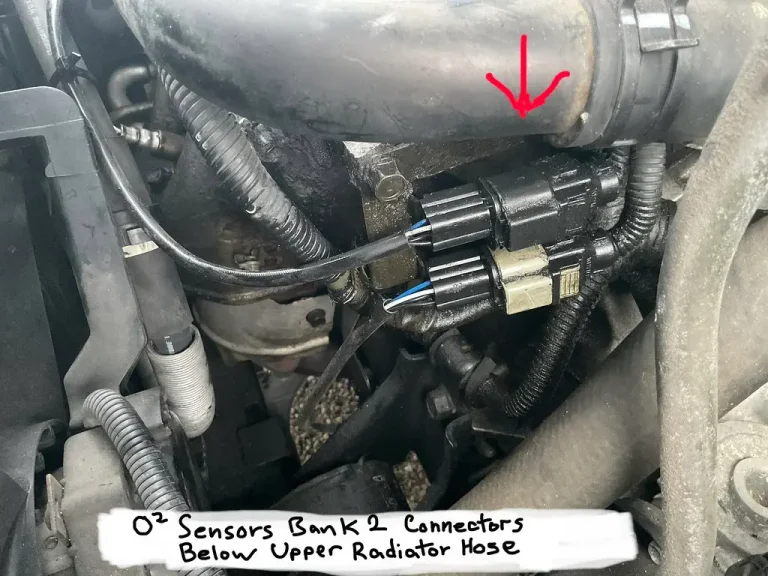
An oxygen sensor measures exhaust oxygen so the engine computer can adjust fuel delivery, usually in closed loop after warmup.
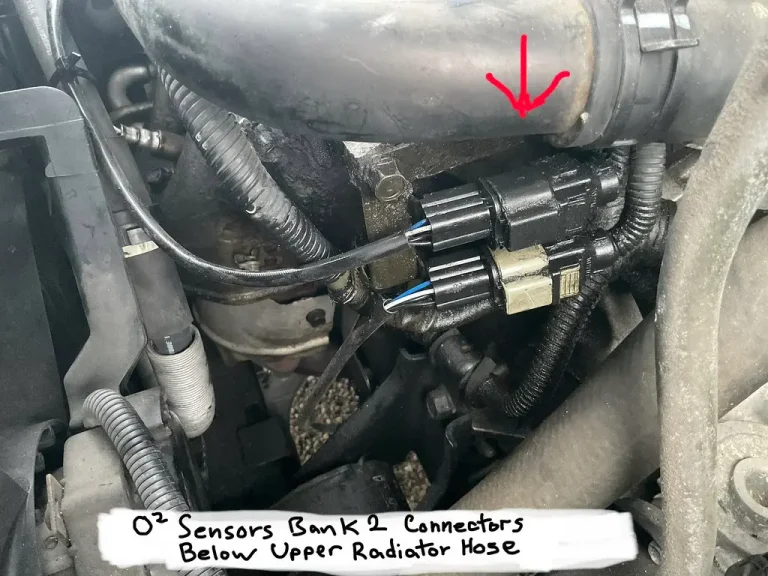
Oxygen sensors measure leftover exhaust oxygen so the ECU can trim fuel near 14.7:1, with closed-loop control and heater fault checks.
Toyota oxygen sensor replacement typically costs $150 to $500 per sensor at an independent shop and $250 to $700 at a dealer, with higher quotes for upstream sensors or uncertain diagnosis.
A fair oxygen sensor repair quote is usually the sensor plus 0.5 to 1.5 labor hours, which puts many repairs around $150 to $450.
Use code patterns, trim data, and sensor location to separate oxygen sensor faults from mass air flow sensor faults before replacing parts.