Catalytic Converter vs Scr
SCR is not the same as a catalytic converter: one cleans gasoline exhaust, the other cuts diesel NOx with diesel exhaust fluid.


SCR is not the same as a catalytic converter: one cleans gasoline exhaust, the other cuts diesel NOx with diesel exhaust fluid.
Pre-cat and main catalytic converter do different jobs. Learn how to tell them apart, spot sensor-code clues, and avoid misdiagnosis.
Use code patterns, fuel trims, and scan data to separate catalytic converter failure from an O2 sensor fault.
A catalyst is the active material that speeds the exhaust reaction; a catalytic converter is the full emissions device that holds it, plus the substrate, housing, and sensors.
Vehicle-specific stainless or thick aluminum shields with tamper-resistant hardware offer the best SUV fit, theft resistance, and service access.
Catalytic converter theft shields are worth it for high-theft models and street parking, but they work as a deterrent, not a guarantee.
The upstream O2 sensor controls fuel trim, while the downstream sensor checks catalyst efficiency and helps spot converter or exhaust leaks.
For turbo cars, a downpipe changes more overall: it usually delivers the biggest power and sound gains, while a catalytic converter upgrade affects legality and emissions more than performance.
Catalytic converter vs resonator: a converter treats exhaust for emissions, while a resonator changes sound. Use symptoms to identify the right part.
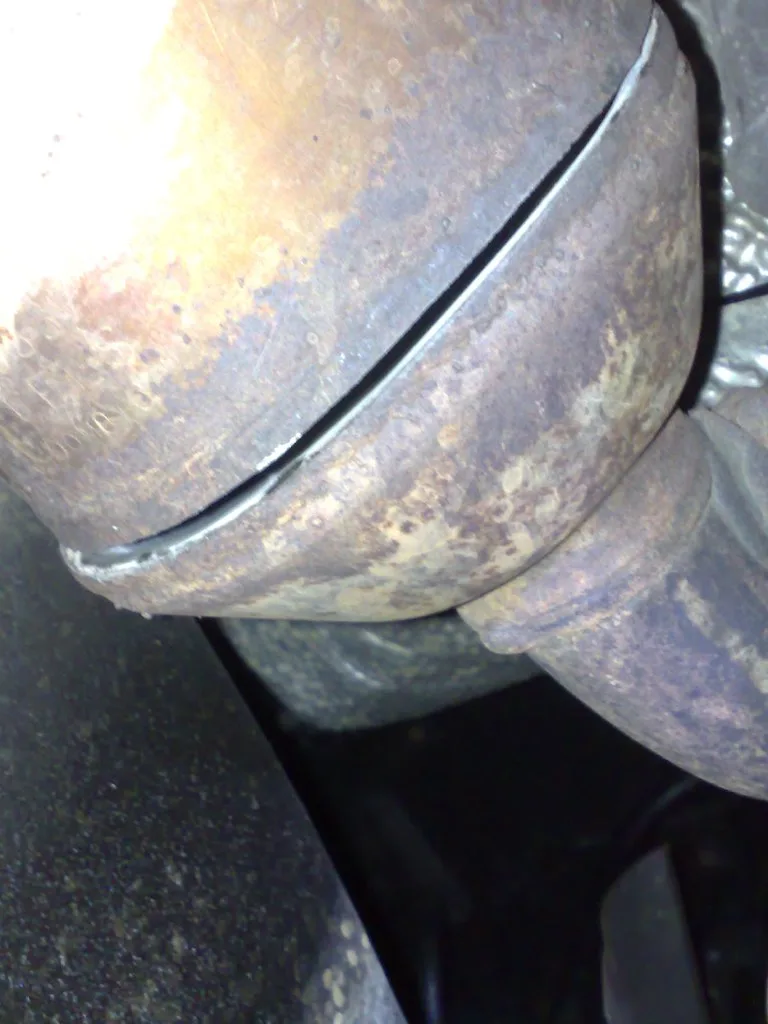
Typical replacement costs run $400-$1,500 for compact cars and $2,000-$5,000+ for luxury models, before sensors and labor.