What Causes Catalytic Converters to Fail Early?
Early catalytic converter failure usually starts upstream: misfire, rich fueling, oil or coolant burning, or exhaust overheating. Fix the fault that set the code before you replace the converter. If you skip that step, you can overheat the catalyst, keep getting P0420/P0430 codes, lose power, and turn a simple repair into a converter, sensor, or engine job. This guide covers the common causes, how to separate converter damage from engine trouble, and what to check first.
What a catalytic converter is doing

A catalytic converter treats exhaust gas in the exhaust stream through three-way conversion. It reduces hydrocarbons, carbon monoxide, and nitrogen oxides after the engine has already burned the air-fuel charge. If the engine sends the wrong mix of heat, fuel, oil, or coolant downstream, the converter is often the first part to fail.
Three-way catalyst basics
The converter uses a precious-metal washcoat, usually platinum, palladium, and rhodium, on a ceramic or metallic substrate. The washcoat gives the exhaust a large reactive surface. Ceramic bricks are common and fragile under thermal shock. Metallic cores heat quickly and resist breakage better, but both can melt, clog, or crack if the engine feeds them the wrong exhaust.
Why the washcoat matters
The washcoat is where the reactions happen. If oil ash, coolant residue, or fuel soot coats that surface, conversion efficiency drops fast. The rear oxygen sensor then reads an exhaust pattern that looks like catalyst failure, even when the real fault started upstream.
Why converters fail early
Early failure usually falls into three paths: overheating, contamination, or physical damage. Overheating melts the substrate. Contamination poisons the washcoat so it cannot react well. Physical damage breaks the brick apart or collapses the passages, which raises backpressure and can make the engine run worse.
Overheating from unburned fuel
When raw fuel enters the converter and ignites there, exhaust temperature can climb high enough to soften or melt the substrate. That often starts with misfire or very rich running, not with the converter itself. A converter that failed from heat is often the victim.
Poisoning from oil or coolant
Oil ash and coolant residue do not usually melt the brick first. They coat or poison the washcoat, so the converter loses efficiency over time. The engine fault may be worn rings, valve seals, a head gasket leak, or an EGR-related leak path that feeds the exhaust stream with silicates or ash.
Clogging and physical breakage
A melted substrate can collapse and restrict flow. A cracked ceramic brick can break apart and shift in the shell. Either condition creates backpressure, loss of power, and heat buildup in the exhaust system. In those cases, the converter may become both victim and restriction.
Can engine misfires damage a catalytic converter?
Yes. Engine misfires can send unburned fuel into the exhaust, and that fuel can ignite in the catalytic converter. The extra heat can melt the substrate quickly, especially if the misfire is heavy or repeated. A P0300-series code is often the clue that the converter is reacting to an engine fault, not causing it.
How raw fuel reaches the exhaust
Misfire means one or more cylinders did not burn the mixture as intended. Unburned fuel and oxygen move into the exhaust, then light off in the converter or after the exhaust valve. That extra burn can spike temperature in a short time.
Common ignition and injector faults
Common causes include worn spark plugs, failing ignition coils, weak injectors, injector control faults, vacuum leaks, and compression problems. A single-cylinder misfire can damage the converter if it happens long enough. A random misfire can do more damage because it is harder to notice early.
How fast heat damage can start
Heat damage can begin during the same drive if the misfire is severe. A short trip does not protect the converter when raw fuel is entering it. If the engine light flashes, the catalyst may be at immediate risk.
Can a rich mixture clog or overheat it?
A rich air-fuel mixture can overheat the converter and load it with soot. Excess fuel raises exhaust temperature and leaves carbon that coats the substrate. Fuel trim faults, sensor errors, and leaking injectors are common reasons the engine runs rich long enough to damage the converter.
Fuel trim faults and sensor input
Fuel trims tell the engine computer how much to correct the mixture. If the upstream oxygen sensor, mass airflow signal, coolant temperature input, or another sensor reports the wrong load or temperature, the engine may add too much fuel. That can make a healthy converter look weak later.
Leaking injectors and excess fuel
A leaking injector can drip fuel into a cylinder after shutdown or while running. That can cause hard starts, rough idle, fuel smell, black exhaust, and catalyst overheating. It can also set fuel trim codes that point away from the converter and toward the fuel system.
What rich running does inside the substrate
Rich exhaust leaves soot and fuel residue in the passages. That reduces flow and reaction area. If the engine keeps running rich, the converter may overheat, clog, or both. A P0420 code in that case is a symptom, not the root cause.
Can oil or coolant ruin the converter?
Yes. Oil burning and coolant leaks can shorten catalyst life by coating the washcoat or contaminating the substrate. Oil leaves ash deposits. Coolant can carry silicates and other residue that poison the catalyst. These faults often come from worn internal engine parts, gasket failure, or EGR-related leakage.
Oil ash and catalyst poisoning
Burned oil does more than smoke the tailpipe. The ash stays behind in the converter and can coat the precious-metal surface. Worn piston rings, valve stem seals, and turbocharger seal issues are common upstream causes. Direct-injection engines can also build up oil control problems that show up as catalyst damage later.
Coolant leaks and silicate contamination
Coolant entering the combustion chamber can create misfire, steam-clean the plug, and leave residue in the converter. Head gasket leaks are the common concern, but EGR-related leakage paths can also send contamination downstream. The converter may fail after the coolant problem has already begun.
Why head gasket and EGR faults matter
Coolant contamination often causes more than one symptom at once: rough running, unexplained coolant loss, sweet exhaust odor, and repeated catalyst codes. If the leak remains, a replacement converter can fail early again because the engine keeps feeding it contamination.
Say your 2.4-liter sedan keeps setting P0430 after a long highway drive, but the real issue is a leaking valve cover seal that is letting oil into the exhaust side of one cylinder. The converter may be the part that trips the code, yet the oil leak is the fault you need to repair first.
Suppose a turbocharged SUV starts showing a flashing check-engine light and a sulfur smell after a cold start. If one coil pack is weak, the converter can overheat within a single drive cycle because raw fuel keeps entering the exhaust before the substrate has stabilized.
Converter failure decision table
This table helps separate symptom from root cause. The first checks are the fastest ways to decide whether the converter is the likely victim or whether another fault should be fixed first.
| Early symptom | Likely root cause | First 2 diagnostics to run | Converter victim or cause? |
|---|---|---|---|
| Flashing check-engine light, strong fuel smell, hot converter shell | Misfire or rich running | Read P0300-series and fuel trim codes; inspect plugs, coils, and injector balance | Usually victim |
| P0420 or P0430 with rough idle or hesitation | Upstream engine fault or sensor error | Compare upstream and downstream O2 sensor behavior; check fuel trims and misfire counters | Often victim |
| Blue smoke, oil use, repeated catalyst code | Oil burning from rings, seals, or turbo seals | Check oil consumption rate; inspect plugs for oil fouling and look for tailpipe ash | Usually victim |
| Sweet smell, steam, coolant loss, misfire | Head gasket or EGR-related coolant leak | Check cooling system pressure; inspect for combustion gases in coolant | Usually victim |
| Loss of power, high exhaust heat, rattling from converter | Melted or broken substrate | Measure exhaust backpressure; inspect converter with a borescope or temperature comparison | Can be both |
| Code returns after sensor replacement | Bad diagnosis or unresolved engine fault | Review live data from upstream and downstream sensors; check for exhaust leaks before the converter | Often victim |
What should you check before replacing the converter?
Check the engine fault first. Read OBD2 codes in context, then verify whether the converter code follows a misfire, rich condition, oil use, or coolant leak. If the root cause remains, a new converter can fail again. The right order is fault diagnosis, repair, then converter confirmation.
Read OBD2 codes in context
P0420 and P0430 point to catalyst efficiency, not necessarily to a bad converter. P0300-series codes point to misfire. Fuel trim codes, oxygen sensor codes, and coolant or mixture codes matter too. The pattern of codes often tells you which system started the problem.
Check upstream causes first
Start with spark plugs, coils, injectors, fuel pressure, vacuum leaks, oil use, and coolant loss. Also inspect exhaust leaks ahead of the converter. A leak there can skew oxygen sensor readings and make the converter look weak when it is not.
Confirm sensor and exhaust flow faults
The upstream oxygen sensor helps the engine control mixture. The downstream sensor helps the computer judge converter efficiency. If the upstream sensor reads badly, fuel control can drift. If the downstream sensor mirrors the upstream signal too closely, the converter may be weak, clogged, or simply being misread because of another fault.
- Scan all stored and pending codes.
- Check fuel trims, misfire counts, and sensor data together.
- Inspect plugs, coils, injectors, and air leaks.
- Look for oil consumption, coolant loss, or exhaust smoke.
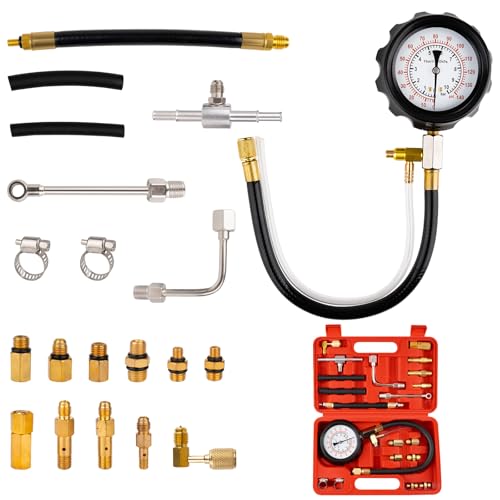
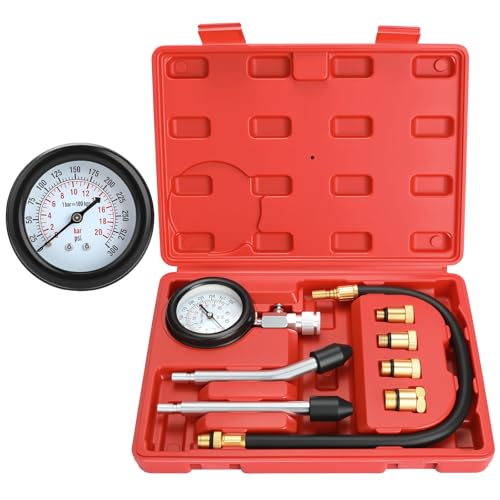
- Check exhaust backpressure if power is down or heat is high.
- Replace the converter only after the upstream fault is fixed.
Can short trips make a catalytic converter fail sooner? Yes. Frequent short trips, cold starts, and incomplete warm-up increase condensation and carbon loading. The converter spends more time below operating temperature, so moisture and soot build up faster. Low-mileage cars used mostly for short winter drives can see catalyst problems sooner than expected.
How long should a catalytic converter last? A healthy catalytic converter can last a long time, often well beyond about 100,000 miles, but there is no fixed life span. Oil burning, coolant leaks, misfire, and repeated rich operation shorten it fast. Driving pattern matters too, especially frequent cold starts and short trips.
Frequently asked questions
What causes a catalytic converter to fail early?
Early failure usually starts upstream. Misfire, rich fueling, oil burning, coolant leaks, and exhaust overheating can all damage the converter before the part itself wears out. Physical breakage and clogging are also possible, but they often follow heat or contamination rather than happen on their own.
Does burning oil ruin a catalytic converter?
Yes. Burning oil leaves ash that coats the catalyst surface and reduces efficiency. Common causes include worn piston rings, valve seals, and some turbo seal faults. The converter is often the part that fails first, but the oil control problem is the fault that must be repaired.
Can coolant leaks cause catalytic converter failure?
Yes. Coolant entering the cylinders can create misfire and leave silicate residue or other contamination in the converter. Head gasket failures are the common cause, though EGR-related leakage can also contribute. If coolant loss and catalyst codes appear together, the cooling system needs attention first.
Can a bad oxygen sensor cause catalytic converter failure?
Yes, indirectly. A bad upstream oxygen sensor can mislead fuel control and push the engine rich or lean, which may damage the converter over time. A bad downstream sensor can also mimic catalyst failure. Sensor codes should be checked with fuel trims and misfire data before condemning the converter.
What are the signs of a failing catalytic converter versus an engine issue?
A failing converter often causes loss of power at higher rpm, excess exhaust heat, rattling, and sometimes a rotten-egg odor. An engine issue often adds misfire, rough idle, fuel smell, smoke, or fuel trim codes. If P0420 appears with P0300-series codes, the engine fault deserves the first look.