How to Cut Exhaust Pipe Straight Every Time
Use a wraparound or pipe square to mark a full 360-degree cut line, then cut to that line and true the end before fitting. A crooked cut leaves gaps, poor weld fit-up, and more grinding later. This guide covers square layout, cutting methods, and cleanup for mild steel, stainless, and aluminized exhaust tube.
What you’ll need

- Wrap-around tool, pipe square, or flexible paper strip for a true 90-degree mark
- Scribe, fine marker, or paint pen
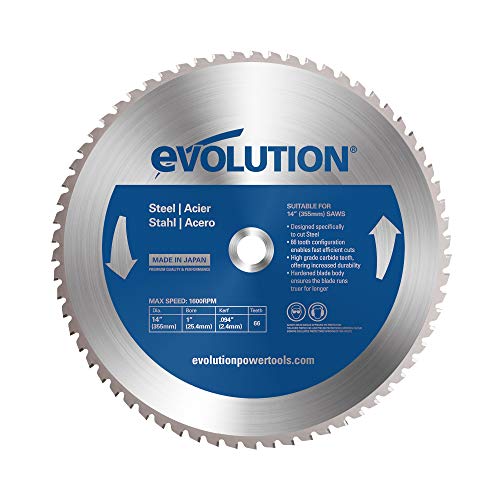
- Cutoff saw or chop saw with a fine-tooth metal blade
- Band saw with a proper metal-cutting blade
- Abrasive cut-off wheel and die grinder or angle grinder
- Hacksaw with a straight guide for small jobs
- Pipe cutter or tubing cutter for small, straight sections that suit the tool
- Clamp, vise, or simple jig to stop rolling and chatter
- Deburring tool, file, or flap disc
- Eye protection, gloves, and hearing protection
- For abrasive cutting: spark control and a clear work area
If you also cut PVC on the side, the comparison is simple: PVC is polyvinyl chloride, a type of plastic; a PVC cutter is usually the easiest tool to use; a handsaw is the cheapest way to cut PVC pipe, but not the easiest option; a miter saw sits in the middle; and a full-sized miter saw gives a straighter cut. Exhaust tube is less forgiving than PVC, so the clamp, blade, and deburring step matter more.
How do you mark a true 90-degree cut line?
Use a wraparound, pipe square, or paper band to carry one line fully around the tube before you cut. A mark on only the near side invites drift, especially on round exhaust pipe. Add a second reference line near the cut zone so you can spot wandering before the blade finishes the cut.
Use the wrap to check the full circle
- Set the wraparound square or paper band flush to the pipe end.
- Scribe or mark one continuous line around the full circumference.
- Rotate the tube and verify the line closes on itself without a step.
- Mark a second line about 1/8 inch to 1/4 inch back from the cut line so you can judge drift while cutting.
A common first-timer mistake is trusting a mark on the top of the pipe only. On 2 1/2-inch exhaust tubing, that can leave one side long enough to hold the joint open and force extra grinding.
What tool cuts exhaust pipe straight?
A chop saw or cutoff saw is the best basic choice for repeatable square cuts on exhaust pipe, because it keeps the blade path steadier than a freehand wheel. A band saw is slower but usually leaves a cooler edge with less burr. Use an abrasive wheel when speed matters, then plan on more cleanup.
Match the tool to the tube
- Choose a chop saw for repeated square cuts on bench-cut tube.
- Choose a band saw when heat distortion and burr control matter more than speed.
- Choose an abrasive wheel for quick field cuts or awkward access.
- Use a hacksaw only for small jobs where a guide can hold the line.
- Use a tubing cutter only on sizes and wall thicknesses the tool can handle without pinching the tube.
Know what each tool does to exhaust tube
Cutoff saws and chop saws work best with a fine-tooth metal blade and a secure hold on the pipe. Band saws need a proper metal blade tooth count for the diameter and wall thickness. Abrasive wheels cut fast, but they heat the edge and leave more burr. Hacksaws can stay straight, but only if you keep the stroke steady and guided.
For stainless steel exhaust pipe, a cooler cut matters. Heat discoloration near the edge can make cleanup longer and can leave you with a rougher starting surface for welding or slip joints. On aluminized steel, the coating near the cut edge is already compromised, so a clean deburr is more important than trying to preserve the coating right at the end.
How do you keep exhaust pipe from deforming while cutting?
Clamp the tube so it cannot roll, chatter, or pinch during the cut. Thin-wall exhaust tubing ovalizes quickly if the saw grabs or the pipe flexes between supports. Keep feed pressure even and let the blade or wheel do the work so heat and burr formation stay lower.
Stop movement before the cut starts
- Set the tube in a vise, clamp, or simple jig with support on both sides of the cut.
- Clamp close enough to resist vibration, but not so hard that the tube starts to flatten.
- Align the blade square to the mark before the first contact.
- Feed slowly at first, then keep the same pressure through the wall.
- If the cut starts wandering, stop and re-align before the blade binds deeper.
Adjust for wall thickness and material
Thicker wall tubing tolerates a little more pressure, but most custom exhaust tube is still thin enough to deform if the setup is sloppy. Stainless usually heats and colors faster than mild steel, so a slower feed and a cooler blade path help. Aluminized steel cuts cleanly if the clamp is firm and the blade is sharp.
Suppose you are cutting 2 1/4-inch mild steel tube on a chop saw and the pipe starts singing in the vise. That noise usually means vibration is opening the kerf and inviting a crooked cut. Stop, add support under the free side, and re-clamp before the blade finishes the pass.
Exhaust pipe cut checklist
| Material and diameter range | Best cutting tool | Blade or wheel type | Clamp method | Expected burr level | First fix if the cut wanders or distorts |
|---|---|---|---|---|---|
| Mild steel, 2 to 3 inches | Chop saw | Fine-tooth metal blade | Vise with support on both sides | Low to moderate | Re-clamp and true the end with a file or flap disc |
| Mild steel, under 2 inches | Band saw | Proper metal blade for thin wall | Light clamp, full tube support | Low | Square the face on a sander or with a guided file |
| Stainless steel, 2 to 3 inches | Band saw | Sharp metal blade with suitable tooth count | Firm clamp, slow feed | Low burr, lower heat than abrasive cutting | Dress the edge and remove heat tint before fit-up |
| Stainless steel, under 2 inches | Chop saw or band saw | Fine-tooth metal blade | Clamp close to the cut | Low to moderate | Shorten the high side gradually and recheck square |
| Aluminized steel, 2 to 3 inches | Chop saw or abrasive wheel | Fine-tooth blade or thin abrasive wheel | Rigid clamp or jig | Moderate | Deburr, then true the edge before clamping into a slip joint |
| Small straight sections, light wall | Tubing cutter, only if the wall thickness suits it | Sharp cutting wheel | Gentle clamp to prevent pinch | Low to moderate; can roll thin wall | Back off pressure and switch to a saw if the tube starts ovalizing |
How do you cut stainless steel exhaust pipe?
Use a band saw or a chop saw with a sharp fine-tooth metal blade, then keep the feed slow so the edge stays cooler. Stainless shows heat tint quickly, and overheated cuts often need more grinding before welding. A clean, slow cut usually beats a fast abrasive pass on finish quality.
Keep the edge cool and square
- Mark the tube with a full wraparound line.
- Clamp the pipe so the cut zone is fully supported.
- Start the blade before it touches the stainless wall.
- Feed with steady pressure and stop if the edge blues or the blade starts grabbing.
- Deburr immediately so the joint does not hang on raised metal.
Stainless is less forgiving than mild steel when the cut heats up. If the end turns blue or straw-colored, slow down on the next cut and reduce pressure. For a slip joint, even a small burr can keep the tube from seating fully.
How do you fix a slightly crooked cut?
Trim the high side back in small passes until the end is square again. Do not try to force a crooked edge into alignment with clamp pressure alone. On exhaust pipe, even a small amount of tilt can open a gap on one side and leave a proud edge on the other.
Square the end back up
- Mark the high side with a fresh line across the face.
- Clamp the tube so the cut face is visible and stable.
- Use a file, flap disc, or sander to remove only the high side.
- Check the end against a square or the mating tube.
- Repeat in thin passes until the face sits flat.
If that does not work, move one step more invasive: shorten the tube slightly and recut the end on the saw instead of trying to grind a large correction. That preserves the wall shape better than leaning hard on a grinder and heating one side of the tube.
Common mistakes
Letting the pipe move during the cut is the biggest one. A rolling tube makes the blade wander and can ovalize thin wall. Skipping deburring is next, because a sharp lip can stop a slip joint from seating or leave a weld gap that looks like bad fit-up.
Forcing a tubing cutter onto thin-wall exhaust pipe is another failure point. The tool can pinch or roll the tube instead of leaving a clean square face. Using the wrong blade or wheel on stainless also creates extra heat, more burr, and a rougher edge to clean up.
Do not cut installed exhaust sections under the vehicle unless access, shielding, and support are already sorted. On-car cutting can be useful for a repair or cutout install, but sparks, fuel lines, heat shields, and seized hangers change the risk. Bench cutting is cleaner whenever the section can be removed safely.
How to remove an exhaust pipe
Support the section, loosen the hangers, and separate the joints before you cut anything that can come off the vehicle. If the pipe is seized, cut only after you confirm there are no fuel, brake, or electrical components in the spark path. Bench removal gives you a straighter cut and easier deburring.
How to install exhaust cutouts
Cutouts need a square cut and a flat landing area so the valve body sits evenly. Mark the pipe, cut only after checking the valve orientation, and deburr the edge before clamping or welding. A crooked cut can leave the cutout body cocked, which makes sealing harder later.
How to repair exhaust pipe
For a small crack or split near the end, cut back to clean metal, true the face, and replace the damaged section if the wall is too thin. If the pipe is still usable, a square end gives you the best shot at a leak-free weld or sleeve repair. Uneven edges usually make the repair harder, not easier.
Frequently asked questions
Can you cut exhaust pipe with a handsaw?
Yes, for small jobs. Use a hacksaw with a straight guide and steady pressure, because a handsaw is slow and not the easiest option. It can still give a straight cut if the tube is clamped well and the stroke stays controlled.
What tool cuts exhaust pipe straight: a chop saw is often
A chop saw is often a practical choice for repeatable square cuts, and a band saw is also commonly used for cleaner, cooler edges. If you need a quick field cut, an abrasive wheel works, but it usually leaves more burr and needs more finishing.
What is the best way to cut exhaust pipe?
For most bench work, a common approach is to mark a full 360-degree line, clamp the tube, and cut on a chop saw with a fine-tooth metal blade. Then deburr and check the face before fitting. That method gives the best mix of speed, squareness, and cleanup control.