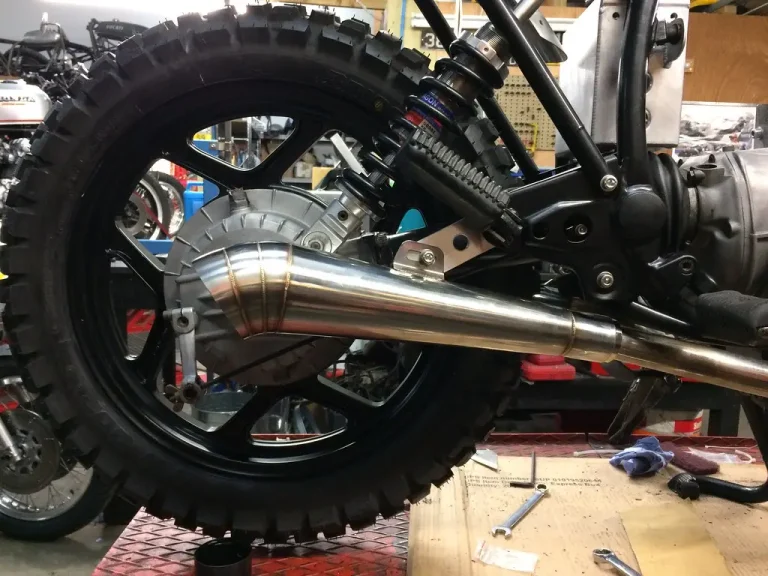
What Are the Best Exhaust Hanger Brands?
For many DIY exhaust repairs, Walker, MagnaFlow, and Dorman are commonly considered safer choices. Choose OE-style rubber for quiet street repairs, stainless or coated steel for corrosion resistance, and weld-on hangers for custom work. Cheap hangers can sag, clunk, or rust through fast, so you end up buying parts and paying labor again. This guide ranks the best brands by material quality, fitment reliability, and noise control, and shows which type fits each repair job.
The short answer is Walker for OE-style replacement, MagnaFlow for performance hanger hardware, stainless custom work from Performance Hangers, Dorman for broad repair coverage, and Ebco when you want a noise-control-focused hanger with published dimensions and support claims.
Top exhaust hanger brands at a glance
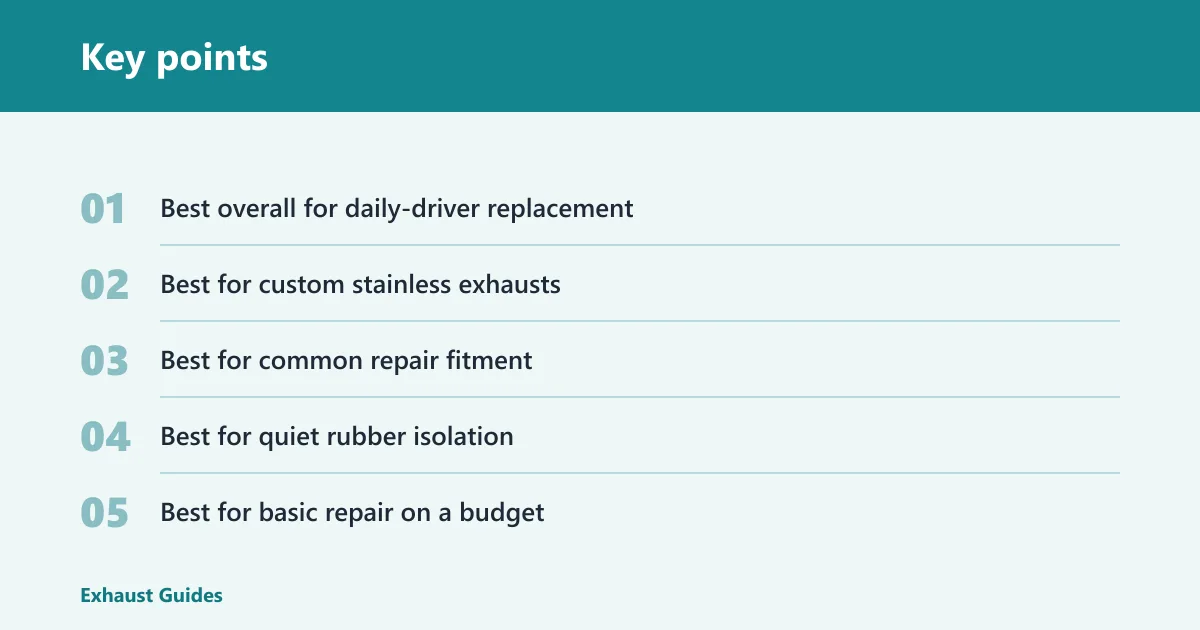


Quick picks by use case
- Best overall for daily-driver replacement: Walker, because it matches OE-style hanger needs better than generic marketplace listings.
- Best for custom stainless exhausts: Performance Hangers, especially when you need straight or bent stainless hanger hardware.
- Best for common repair fitment: Dorman, when the priority is matching a worn factory hanger fast.
- Best for quiet rubber isolation: MagnaFlow or Ebco, depending on whether you want performance hardware or a hanger with published vibration-control language.
- Best for basic repair on a budget: a known direct-fit OE-style hanger from Walker or Dorman, not an unbranded universal listing.
Exhaust hanger comparison table
Use this table to compare brand type, not just marketplace popularity. Fitment still depends on hole diameter, rod diameter, rod length, hanger angle, and the exhaust’s position under the car.
| Brand | Material | Fitment style | Installation method | Corrosion resistance | Noise control | Best-use case |
|---|---|---|---|---|---|---|
| Walker | OE-style replacement hardware, often rubber-isolated | Vehicle-specific or direct replacement | Bolt-on replacement at factory hanger points | Good when replacing a rusted factory hanger with the correct coating and hardware | Strong for daily-driver NVH control because rubber isolation stays close to OE design | Replacing a worn factory hanger on a stock or near-stock car |
| MagnaFlow | Performance exhaust hanger hardware | Straight barbed performance style | Slip-in style for compatible exhaust setups; commonly used in custom installs | Depends on the hanger material and surrounding exhaust hardware | Good when paired with rubber isolation; less ideal if the system is allowed to transmit metal-to-metal movement | Performance exhaust work and custom support points |
| Dorman | Common repair-grade replacement materials | Broad direct-fit coverage | Bolt-on or replacement-style installation, depending on application | Typically practical for repair use when the finish matches the original part | Good for restoring factory-like isolation when the right hanger shape is matched | Fast repair when you need a common fit more than a specialty part |
| Performance Hangers | Stainless steel | Straight and bent hanger variants | Weld-on or custom fabrication use | High, because stainless is the preferred material where corrosion is a concern | Best when combined with the right isolator; metal-only support is louder than rubber | Custom stainless exhausts and performance systems |
| Ebco | Rubber hanger series with published dimensions | Series-based replacement sizing | Replacement-style installation where dimensions match | Depends on the supporting hardware, but the hanger itself is aimed at long-term service | Strong, because Ebco says its hangers reduce vibration, noise, and shock loading | Quiet support for a system that needs published sizing and load support |
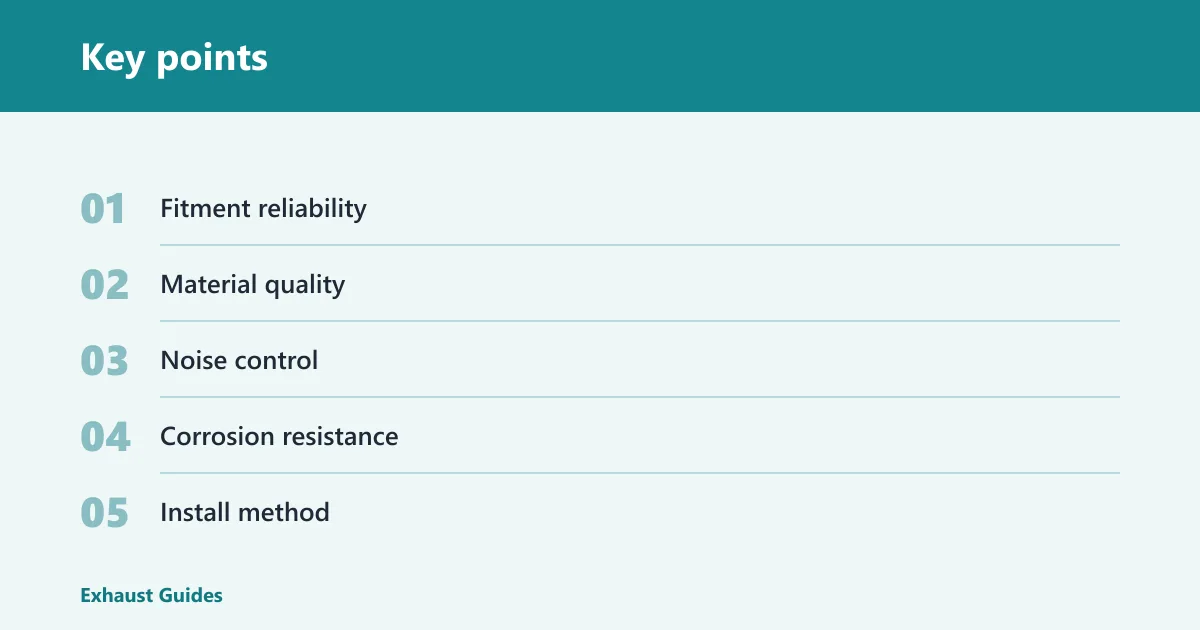
Scoring rubric for choosing a brand
- Fitment reliability: Does the hanger match the vehicle’s hole spacing, rod diameter, and exhaust angle without forcing the system into place?
- Material quality: Is it EPDM rubber, stainless steel, or coated mild steel, and is that material appropriate for heat and road exposure?
- Noise control: Does the brand prioritize rubber isolation and vibration damping, or is it a metal support meant for custom fabrication?
- Corrosion resistance: Will the coating or base metal hold up on salted roads, wet climates, or a lowered car that sees more spray?
- Install method: Can you bolt it on, or will you need to weld, bend, trim, or use removal pliers?
Walker: best for OE-style replacement
Walker is the best first stop when you want a factory-like replacement that supports the muffler and exhaust pipe without changing the system’s position. Its strength is fitment discipline, not flashy hardware. If the original hanger has gone soft, cracked, or stretched, Walker-style OE replacement is usually the cleanest fix.
Why OE-style fit matters
An OE-style exhaust system hanger keeps the exhaust where the chassis expected it to sit. That matters for clearance, tailpipe alignment, and noise control. If the hanger is too long, too stiff, or mounted at the wrong angle, the exhaust can hit the body or rear axle area under load.
When Walker-style parts make sense
Use this route for stock cars, family vehicles, and daily drivers that need a quiet repair. It is the better choice when the exhaust still uses factory hanger points and you want the pipe to sit where it originally did.
Vibrant Performance: best for custom stainless systems
Vibrant Performance is the strongest match for stainless custom exhaust work, where straight and bent hanger variants matter more than OE duplication. Stainless exhaust hangers suit performance systems because they resist corrosion better than plain steel and pair well with weld-on fabrication.
Stainless hanger variants
Stainless steel exhaust hangers are the right call when the rest of the exhaust is also stainless, especially on performance systems exposed to heat, moisture, and road spray. Straight hangers are easier for simple runs. Bent hangers help when routing or pipe angle needs a more specific support point.
Where performance exhaust use calls for metal support
Choose stainless when the job is custom fabrication, a lowered vehicle with tighter clearances, or a performance build where a welded hanger is part of the layout. Metal support does not quiet vibration as well as rubber, so the rest of the system needs correct isolation and clearance.
Dorman: best for common repair fitment
Dorman is the practical choice when you want a direct replacement for a common failure point and do not need a specialty performance piece. Its value is broad coverage. That matters when you are fixing a broken hanger before the exhaust starts banging against the chassis.
Broad parts coverage
For many DIY repairs, the best hanger is the one that matches the original hole spacing and support position without improvisation. Dorman tends to fit that use case well because common repair parts are its strength, especially when the factory hanger shape is still easy to identify.
Are exhaust hangers universal or vehicle-specific?
Exhaust hangers can be universal in shape, but they are not truly universal in fit. You still need to match hole diameter, rod diameter, rod length, vehicle compatibility, hanger angle, and exhaust position. The usual failure cases are stretched rubber, wrong hole spacing, and an angle mismatch that leaves the pipe under tension.
What still needs to match
A universal listing may say it fits many vehicles, but that only means the part has broad dimensions or adjustable mounting options. It does not guarantee the exhaust will sit correctly. If the rod is too short, the tailpipe can sit high. If the holes are off, the rubber can tear early.
Common fitment misses to avoid
Do not buy on “universal” alone. Check the hanger eye or hole diameter, the rod diameter, the rod length, and the installed angle relative to the muffler or pipe. A wrong match can create vibration even when the part is brand new.
Do you need rubber or metal hangers?
Choose rubber when noise control matters most. Choose metal when the system is custom, hot, or built around welded support points. EPDM rubber exhaust hangers are popular because they combine heat resistance, wear resistance, anti-aging properties, and better noise and vibration reduction than bare metal.
EPDM rubber hangers for noise control
EPDM rubber is the quiet option for street cars. It isolates engine and road movement better than bare steel, which helps reduce rattles and shock loading. AllRoadTire lists SINGARO rubber exhaust hangers as a 4-piece set, gives the hanger a length of 2.89 inches, and states that it uses EPDM rubber.
That combination is the classic use case for rubber: replace a tired factory hanger, keep the exhaust supported, and stop the pipe from tapping the body or heat shield.
Steel and stainless options for tougher duty
Zinc-coated mild steel hanger rods are common when you want structure first. The same source says the HAOXAOON hanger rods are 3/8 inch in diameter and 10 inches long. That kind of hanger is meant for weld, bend, or trim installation options, with the zinc coating helping resist corrosion.
Stainless is the premium material for custom exhaust work. It lasts longer in harsh weather than plain steel, but it does not mute vibration by itself. If noise control matters, pair stainless hardware with a proper isolator.
Say your daily driver has a rear muffler that knocks over speed bumps. A rubber OE-style hanger usually fixes the symptom better than a stiffer metal rod, because the problem is movement control, not just support strength.
How to choose the right hanger size
The right size starts with measurement, not brand. Check the hole diameter, rod diameter, and rod length, then confirm the vehicle compatibility and the exhaust’s installed angle. If the exhaust is already sagging, measure with the system in its intended position, not while it is hanging crooked.
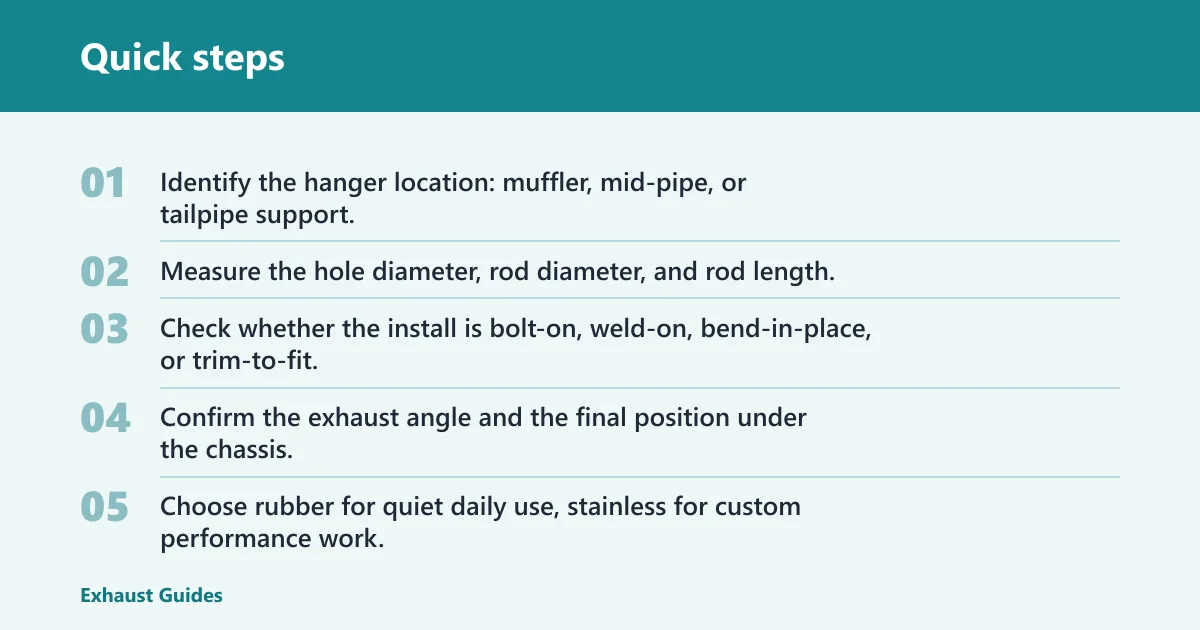
Measure hole diameter, rod diameter, and rod length
For a direct replacement, the rod must slide or bolt into the hanger with the correct clearance. A mismatch in rod diameter can make the part too loose or impossible to install. Length matters just as much, because a hanger that is too long or too short changes the exhaust height.
When to use an exhaust clamp with hanger
An exhaust clamp with hanger is useful when you need a bolt-on or weldable support point on a 2.5-inch pipe. AutomotiveBodyCare lists a universal 2.5-inch exhaust clamp with hanger, says it fits 2.5-inch exhaust pipes, and notes that the hook rotates 360 degrees. That rotating hook helps you correct hanger direction on awkward layouts.
When exhaust hanger removal pliers help
Use exhaust hanger removal pliers when the rubber isolator is stuck, dry, or too tight to slide off by hand. They are made for rubber hanger removal and fit most domestic and imported vehicles. That tool matters more on older cars where the rubber has hardened and refuses to move.
A common mistake is choosing an exhaust hanger brand based only on price and then discovering the rubber insert sags after a few months. The part may fit the rod, but the pipe still ends up cocked upward, which can create a new rattle the moment the car goes over a driveway lip.
- Identify the hanger location: muffler, mid-pipe, or tailpipe support.
- Measure the hole diameter, rod diameter, and rod length.
- Check whether the install is bolt-on, weld-on, bend-in-place, or trim-to-fit.
- Confirm the exhaust angle and the final position under the chassis.
- Choose rubber for quiet daily use, stainless for custom performance work, or coated steel for basic repair duty.
Frequently asked questions
What is the best exhaust hanger brand for a car?
For most cars, Walker is the safest default because it fits the OE-style replacement job best. Choose MagnaFlow if you are building or repairing a performance exhaust, and choose Dorman if the priority is broad direct-fit repair coverage rather than specialty hardware.
What is the best exhaust hanger for reducing rattles?
An EPDM rubber hanger is usually the best choice for reducing rattles because it isolates vibration better than bare metal. Ebco is worth attention here because its hangers are described as reducing vibration, noise, and shock loading while supporting the exhaust system’s weight.
Which exhaust hanger material lasts longest?
Stainless steel usually lasts longest in corrosive environments, especially on performance exhaust systems. Zinc-coated mild steel is a solid middle-ground option for repair work, while EPDM rubber lasts well for isolation and aging resistance but is still a wear item that eventually hardens or cracks.
What size exhaust hanger do I need?
Match the rod diameter, rod length, and hole diameter to the existing mount or the vehicle’s hanger point. If the system uses a clamp-mounted support, confirm the pipe size too. The most reliable answer comes from measuring the old hanger before you order the replacement.
Do I need a rubber or metal exhaust hanger?
Use rubber for a quieter street car, daily driver, or anything where vibration control matters. Use metal when you are building a custom stainless system, need a weld-on support, or are replacing a hanger where strength and fabrication flexibility matter more than noise isolation.
Can I use an exhaust clamp with hanger instead of a standard hanger?
Yes, if the pipe size and layout fit the clamp design. A 2.5-inch exhaust clamp with hanger can replace or supplement a standard support point, especially when the clamp offers a bolt-on or weldable installation and a 360-degree rotating hook to align the hanger correctly.
What brands make heavy-duty exhaust hanger rods?
For heavy-duty rods, look first at coated steel or stainless options from established exhaust brands rather than generic marketplace listings. MagnaFlow’s straight barbed performance exhaust hangers and stainless-focused custom hardware from Vibrant Performance are better starting points than an unbranded universal rod.
What brand makes quiet exhaust hanger bushings?
Walker and Ebco are the safest names to start with for quiet bushings or hanger-style isolation. Walker is the OE-style answer, while Ebco’s published noise-control language makes it a useful option when vibration and shock loading are the main complaint.
What is an exhaust hanger?
An exhaust hanger is the support point that holds the exhaust in place under the vehicle. It keeps the muffler and pipe from sagging, limits movement, and helps prevent rattles, contact with the body, and damage to nearby exhaust parts.
What is the best exhaust?
If you mean the best exhaust hanger setup, start with a quiet OE-style rubber replacement for stock vehicles. If you mean the best support for custom exhaust work, use stainless or coated steel hangers matched to the pipe size, mounting points, and desired noise control.