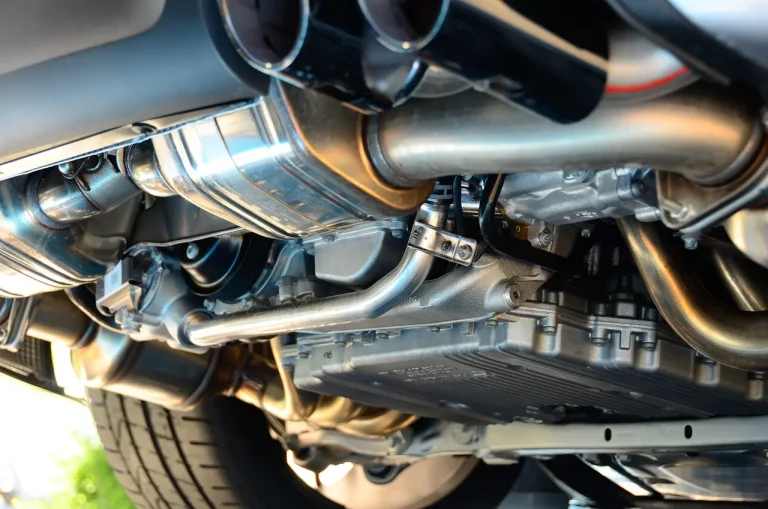
Resonated vs Non Resonated Exhaust: Essential Guide
Resonated vs Non-Resonated Exhaust: The essential guide to understanding the sound and performance differences for your car. Choosing the right exhaust means balancing tone, power, and legality. This guide breaks down everything you need to know.

PILOT
Pilot PM555 Stainless Steel Round Non-Resonated Exhaust…
- Made of Highest Quality T-304 Stainless Steel
- Unique Clamping System to offer Maximum security
- Quick and easy to install
As an Amazon Associate I earn from qualifying purchases.
Ever find yourself wondering about the roar of a sports car or the deep rumble of a truck? A big part of that sound comes from the exhaust system, specifically how it’s designed. Sometimes, you’ll hear terms like “resonated” and “non-resonated,” and they can sound a bit confusing. Don’t worry if you’re new to this! Understanding these terms is key to getting the exhaust sound and performance you want. It’s not as complicated as it sounds, and I’m here to make it super simple. We’ll look at what makes these exhausts different and what that means for your ride.
What’s an Exhaust System, Anyway?
Before we dive into resonated versus non-resonated, let’s quickly touch upon the main job of your car’s exhaust system. Think of it as your car’s way of breathing out. When your engine burns fuel, it creates exhaust gases. The exhaust system is a series of pipes, catalysts, mufflers, and other components that safely channel these gases away from the engine, out the back of your vehicle, and into the atmosphere. But it does more than just get rid of gases. It also helps reduce harmful pollutants and controls noise!
The Heart of the Matter: Resonators and Mufflers
The key difference between resonated and non-resonated exhaust systems lies in the presence or absence of a resonator. Both resonators and mufflers are crucial parts of the exhaust system designed to quiet down the noise produced by the engine. However, they do it in slightly different ways and affect the sound differently.
What is a Resonator?
A resonator is essentially a chamber within the exhaust system designed to cancel out specific sound frequencies. Imagine it like noise-canceling headphones for your car. It works by using the principles of acoustics. Sound waves entering the resonator bounce off its internal surfaces and create opposing sound waves that cancel out certain pitches, often the unwanted, high-pitched or raspy tones. This helps to create a smoother, deeper, and more refined exhaust note. Most factory exhaust systems include resonators to meet strict noise regulations.
What is a Muffler?
A muffler is the primary component responsible for reducing the overall noise level of the exhaust system. It’s generally larger than a resonator and uses a series of baffles, chambers, and perforated tubes to redirect exhaust gases. As the gases flow through these internal structures, their energy is dissipated, and the loud popping and hissing sounds are significantly muffled. Mufflers are designed to drastically reduce the decibels of the exhaust sound.

Resonated Exhaust Systems Explained
A resonated exhaust system includes a resonator in addition to the muffler. This extra component works in tandem with the muffler to fine-tune the exhaust sound. Because the resonator is designed to cancel specific frequencies, a resonated system typically produces a quieter, deeper, and often more complex exhaust note. It usually removes the harsher, higher-pitched sounds, leaving a more pleasant tone.
Pros of a Resonated Exhaust
- Quieter Operation: Significantly reduces overall noise levels for a more comfortable driving experience.
- Deeper Tone: Often results in a more sophisticated, less aggressive rumble.
- Reduced Drone: Helps to eliminate the annoying, low-frequency humming sound, known as drone, that can occur at certain engine speeds.
- Street Legal: Generally easier to keep within legal noise limits for street use.
- Smoother Sound: Eliminates some of the raspy or tinny notes, creating a more uniform sound.
Cons of a Resonated Exhaust
- Less Aggressive Sound: If you’re after a loud, throaty roar, a resonated system might be too subdued.
- Slight Performance Restriction: The extra chamber and internal passages can create a minor restriction in exhaust flow compared to a straight-through design, potentially impacting top-end power.
- More Complex: An additional component means more parts that could potentially fail or require maintenance over time.
Non-Resonated Exhaust Systems Explained
A non-resonated exhaust system, in its purest form, lacks a resonator. It might still have a muffler, or it could be a “straight-pipe” system with minimal restrictive components. The primary goal is often to maximize exhaust flow and produce a louder, more aggressive sound. Without the sound-canceling effect of a resonator, the exhaust note will be less refined, more raw, and significantly louder. Many performance-oriented aftermarket exhaust systems are non-resonated or have optional resonated versions.
Pros of a Non-Resonated Exhaust
- Aggressive Sound: Produces a louder, more visceral, and often sportier exhaust note that many enthusiasts crave.
- Maximum Exhaust Flow: Less restriction means exhaust gases can exit the engine more freely, which can lead to slight improvements in horsepower and torque, especially at higher RPMs.
- Simpler Design: Fewer components can mean fewer things to go wrong and potentially lighter weight.
- Distinctive Character: The raw sound can add character and a sense of performance to the vehicle.
Cons of a Non-Resonated Exhaust
- Very Loud: Can be uncomfortably loud for daily driving and may attract unwanted attention.
- Potential for Drone: The lack of frequency cancellation can lead to significant exhaust drone, especially at highway speeds.
- Legality Issues: Many non-resonated systems will exceed local noise ordinances and could lead to fines or failed emissions/safety inspections.
- Harsher Tones: The sound can sometimes be raspy, tinny, or overly boomy, which some people find unpleasant.
- Increased Cabin Noise: More exhaust sound can often translate to more noise entering the vehicle’s interior.
Resonated vs. Non-Resonated: Key Differences at a Glance
To help solidify the differences, let’s look at them side-by-side. This table highlights the core distinctions you’ll find when comparing a resonated exhaust to a non-resonated one.
| Feature | Resonated Exhaust | Non-Resonated Exhaust |
|---|---|---|
| Presence of Resonator | Yes | No |
| Overall Sound Level | Moderately loud to quiet | Very loud |
| Sound Character | Deeper, smoother, refined | Aggressive, raw, potentially raspy |
| Drone Consideration | Low to none | High potential |
| Performance Impact | Minimal to none | Potentially slight gain, especially at higher RPMs |
| Street Legality (Noise) | Generally good | Often problematic |
| Typical Use Case | Daily drivers, comfort-focused performance | Track cars, dedicated performance builds, those prioritizing sound |
Factors to Consider When Choosing
Deciding between a resonated and non-resonated exhaust isn’t just about sound; it’s also about practicality and your personal preferences. Here are some key factors to weigh:
1. Your Driving Environment
Do you primarily drive in the city, on highways, or on a track? If your daily commute involves long stretches on the highway, an aggressive, non-resonated exhaust can become incredibly annoying due to constant drone. For city driving, a louder system might make you stand out more, which could be good or bad depending on your intentions. For a balanced experience suitable for various conditions, a resonated system is often the wiser choice.
2. Preferred Sound Profile
What kind of sound are you going for? Do you want a deep, throaty growl, or a high-pitched, aggressive bark? A resonated exhaust will generally give you the former, while a non-resonated one leans toward the latter. Listen to sound clips of exhaust systems on similar vehicles to yours to get a feel for the different sounds.
3. Performance Goals
While the performance difference between resonated and non-resonated systems is often minimal for most street cars, it can be more noticeable in highly tuned or race vehicles. If maximizing every bit of horsepower is your absolute priority, a less restrictive non-resonated system might offer a tiny edge. However, for the average driver, drivability and sound comfort should take precedence over marginal performance gains.
4. Local Regulations and Legality
This is incredibly important. Many regions have strict laws regarding exhaust noise levels, and some even have decibel limit restrictions. A non-resonated exhaust is far more likely to fail a noise inspection or earn you a ticket than a resonated one. Always research your local laws before making an exhaust choice to avoid costly fines or the need to revert to a stock system.
For example, the Environmental Protection Agency (EPA) in the United States sets emissions standards, and while they primarily focus on pollutants from catalytic converters, noise pollution is also regulated at state and local levels. Ensure your chosen exhaust complies with these regulations, which can often be found on your state’s Department of Motor Vehicles (DMV) website or similar government resources.
5. Passenger Comfort
If you frequently have passengers in your vehicle, consider their comfort. A loud, droning exhaust can make for an unpleasant experience for them, even if you enjoy the sound. Resonated systems tend to be much more considerate of passenger comfort.
Installation: DIY vs. Professional
Installing an exhaust system can range from relatively simple to quite complex, depending on the vehicle and the type of system. For many aftermarket cat-back systems (which replace everything from the catalytic converter back), it can be a DIY project if you have basic tools and mechanical knowledge. However, for more involved modifications, like header installation or full turbo-back systems, professional installation is highly recommended.
Tools You Might Need (for simpler installations)
- Socket wrench set
- Wrench set
- Penetrating oil (like WD-40) for stubborn bolts
- Jack and jack stands (for safe lifting of the vehicle)
- Safety glasses and gloves
- Torque wrench (to tighten bolts to manufacturer specifications)
When to Call a Professional
- If you’re unsure about the process.
- If the exhaust involves welding.
- If you don’t have the necessary tools or space.
- If your vehicle’s exhaust is heavily rusted or components are seized.
- To ensure correct fitment and prevent exhaust leaks.
A professional installer has the expertise and equipment to ensure the job is done correctly and safely. They can also diagnose any underlying issues that might affect your exhaust system’s performance or longevity.
Beyond Resonated vs. Non-Resonated: Other Exhaust Components
While the resonator is a major deciding factor, other parts of the exhaust system also play a role in sound and performance:
- Muffler Type: Different muffler designs (chambered, straight-through) produce varying sound levels and tones.
- Piping Diameter: Larger pipes can increase flow but might negatively affect low-end torque if not matched to the engine.
- Catalytic Converter: This is a crucial emissions control device. Aftermarket systems might offer high-flow cats or cat deletes (which are illegal in most places) that significantly affect sound and performance, but always prioritize emissions compliance.
- Headers/Exhaust Manifold: These collect gases from the engine cylinders. Performance headers can improve exhaust scavenging and flow.

Frequently Asked Questions (FAQ)
Q1: Will a non-resonated exhaust make my car faster?
A: A non-resonated exhaust can offer a slight performance increase, especially at higher RPMs, by reducing restrictions. However, for a typical daily driver, the difference is usually very small and often unnoticeable without professional dyno testing. The primary benefits are sound and style.
Q2: Is a resonated exhaust quieter than stock?
A: It depends on the aftermarket resonated system. Many aftermarket resonated systems are designed to be sportier but still quieter than a non-resonated system. Some can be similar in volume to stock, but with a deeper, more aggressive tone. If you want to maintain near-stock quietness, look for systems specifically advertised as mild or quiet.
Q3: Can I remove my resonator and still be street legal?
A: Probably not. Removing a resonator often makes the exhaust significantly louder, and many street-legal noise ordinances are exceeded without one. You risk tickets and failed inspections. Always check your local laws. For emissions, removing a catalytic converter is typically illegal and will cause your car to fail emissions testing.
Q4: What is exhaust drone and how do I avoid it?
A: Exhaust drone is an annoying, consistent humming sound that can be heard inside the car, usually at specific RPMs like those encountered on the highway. Resonators are the best defense against drone. High-quality mufflers and carefully designed exhaust piping also play a role in minimizing it.
Q5: How does the material of an exhaust affect its sound?
A: While less impactful than resonators or mufflers, materials like stainless steel, titanium, or aluminized steel can subtly influence the sound. For instance, lighter materials like titanium can sometimes produce a slightly sharper, more exotic tone due to their resonant properties. However, the internal design of the components is the dominant factor in sound.
Q6: Is it better to get a resonated or non-resonated exhaust for a turbocharged car?
A: For turbocharged cars, the turbocharger itself acts as a significant muffler. This means that both resonated and non-resonated systems on a turbo car will generally be quieter than their naturally aspirated counterparts. A non-resonated system on a turbo car will still be louder and more aggressive than stock, but the difference between resonated and non-resonated might be less dramatic than on a naturally aspirated engine. Many enthusiasts still choose resonated systems for a deeper, more refined tone and to avoid any potential drone exacerbated by the turbo.
Making Your Choice
Choosing between a resonated and a non-resonated exhaust system is a personal decision. There’s no single “right” answer, as it entirely depends on what you’re looking for.
If you prioritize a deeper, more civilized rumble that enhances your car’s sound without being obnoxious, and you want to avoid highway drone and stay within legal limits, a resonated exhaust is likely your best bet. It offers a refined sound experience that’s enjoyable for both the driver and any passengers.
On the other hand, if your main goal is maximum volume, an aggressive, raw sound that announces your presence, and you’re less concerned about potential drone or strict legal compliance, then a non-resonated exhaust might be more appealing. This option is often favored by those building dedicated performance or track vehicles.
Before you commit, I highly recommend listening to sound clips of different exhaust systems on vehicles similar to yours. Check out YouTube, forums, and manufacturer websites. Consider your local laws, your daily driving needs, and your tolerance for noise. Whichever you choose, a well-selected exhaust system can significantly enhance your driving experience and the character of your vehicle!
Related pick: Check today's price on Amazon