Signs of a Failing Catalytic Converter: When to Replace
Signs of a failing catalytic converter include a decrease in performance and fuel efficiency. It is essential to replace a failing catalytic converter promptly to ensure proper vehicle function.

FFN
FFN Muffler Catalytic Converter Advertising Feather Banner…
- COMPLETE KIT WITH GROUND SPIKE: This kit includes one ~12ft x 2.5 feather flag , 1 15ft telescopic flagpole, and 1 ground stake. T…
- GET YOUR BUSINESS NOTICED: A must have for businesses hidden in a large and hard to sort shopping center. Use these banner flags o…
- ADVERTISE ON A BUDGET: Most cost-effective way to advertise. Average lifespan brings the advertising cost to just a few pennies a…
As an Amazon Associate I earn from qualifying purchases.
Over time, catalytic converters can deteriorate due to various factors such as engine misfires, oil or coolant leaks, or the build-up of debris. When a catalytic converter fails, it may emit a strong sulfur smell, cause the check engine light to illuminate, or result in poor acceleration.
If you notice any of these signs, it is advisable to have your catalytic converter inspected by a qualified mechanic and consider replacing it if necessary to maintain your vehicle’s performance and reduce harmful emissions.
Credit: www.euroautomotive.net
Understanding The Importance Of A Catalytic Converter
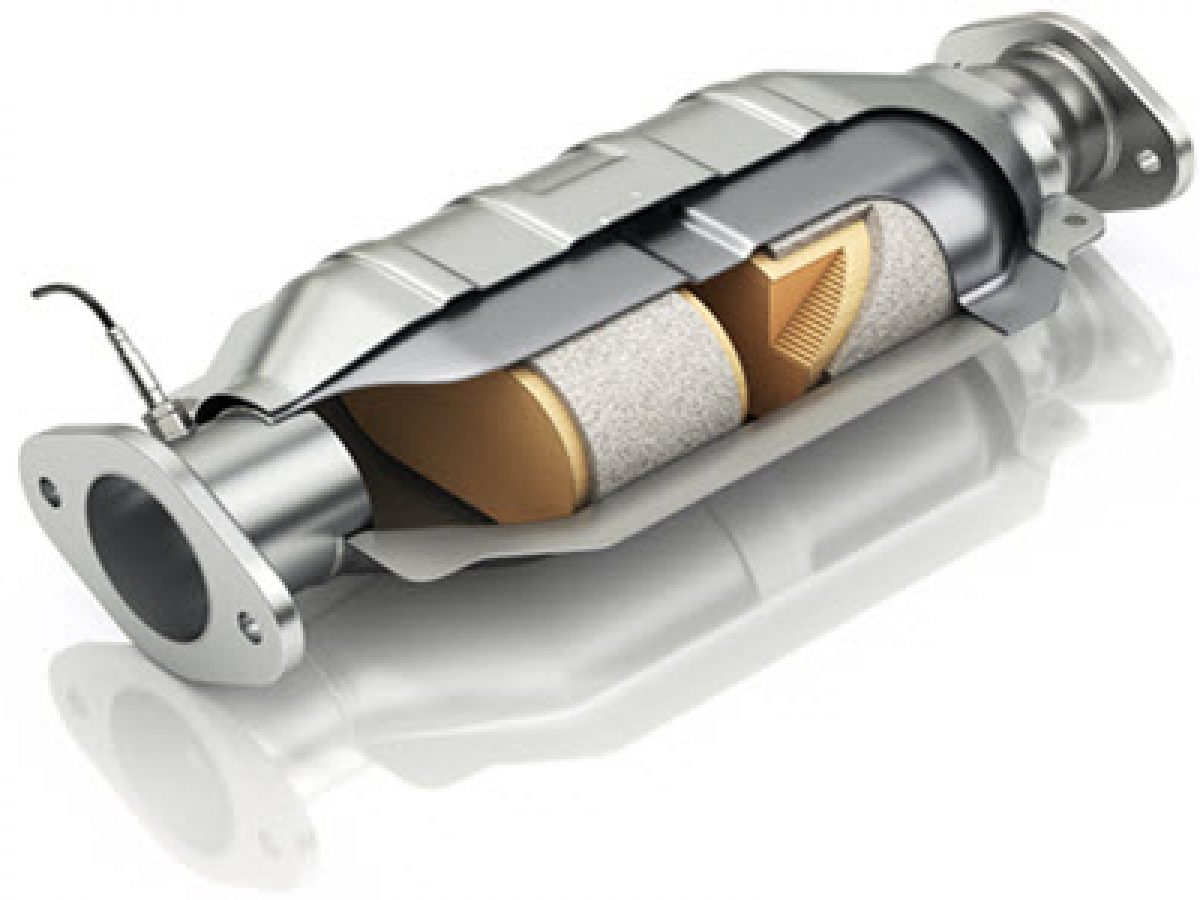
The catalytic converter plays a vital role in a vehicle’s exhaust system by reducing harmful emissions. It helps to convert harmful gases into less harmful substances before they are released into the environment. When a catalytic converter starts to fail, it can have a significant impact on emissions.
A failing catalytic converter may not be able to properly convert the harmful gases, leading to increased pollution. This can contribute to air pollution and have a negative impact on the environment. It is important to recognize the signs of a failing catalytic converter, such as reduced engine performance, a sulfur smell, or a check engine light.
If any of these signs are present, it is necessary to replace the catalytic converter to ensure proper functioning and reduce the vehicle’s impact on the environment.
Common Symptoms Of A Failing Catalytic Converter
A failing catalytic converter can exhibit several common symptoms. The first sign is decreased engine performance and power. If you notice your car struggling to accelerate or experiencing a loss of power, it could be due to a failing catalytic converter.
Another symptom is the presence of unusual smells and odors emanating from the exhaust. If you detect a strong sulfuric smell or a distinct rotten egg odor, it may indicate a problem with the converter. Illumination of the check engine light is also a red flag.
If the light comes on and stays on, it’s important to have it checked by a professional. Increased fuel consumption is another indication of a failing converter, as it can cause your vehicle to burn more fuel than usual. Lastly, listen for rattling or metallic sounds coming from the exhaust system.
These noises could be a result of a deteriorating converter.
Diagnostic Methods To Identify A Failing Catalytic Converter
A failing catalytic converter can cause numerous issues with your vehicle’s performance. One diagnostic method is to use an obd-ii scan to check for error codes related to the catalytic converter. Conducting a visual inspection of the converter can also reveal physical damage or deterioration.
Additionally, testing the exhaust gases for excessive emissions can indicate a failing converter. Another method is to monitor the vehicle’s exhaust temperatures, as a malfunctioning converter could lead to unusually high or low temperatures. These diagnostic techniques can help identify a failing catalytic converter and determine when it needs to be replaced.
Keeping an eye out for these signs can prevent further damage to your vehicle’s exhaust system and ensure its smooth operation.
Factors That Lead To Catalytic Converter Failure
Age and mileage of the catalytic converter play a crucial role in its potential failure. Exposure to high temperatures and thermal stress can also contribute to its deterioration. Engine misfires and a rich fuel mixture can further accelerate the breakdown of the catalytic converter.
Contamination from oil or coolant leaks can contaminate its internals, reducing its effectiveness. Additionally, physical damage resulting from road debris or accidents can cause structural issues and hinder its overall functionality. Regular inspection and maintenance are vital to identify signs of a failing catalytic converter, such as decreased fuel efficiency, a rotten egg smell, or a noticeable reduction in engine performance.
If any of these signs are present, it is essential to address the issue promptly and replace the catalytic converter if necessary. By doing so, you can ensure your vehicle meets emissions standards and operates efficiently.
When To Replace A Failing Catalytic Converter
Following the manufacturer’s recommended service intervals is crucial in determining when to replace a failing catalytic converter. Multiple symptoms such as loss of engine power and decreased fuel efficiency can signal the need for replacement. Additionally, if your vehicle fails emissions tests, it may be an indication that the converter is no longer functioning effectively.
Excessive wear or damage to the converter can also be a clear sign that it needs immediate attention. To accurately diagnose the issue, it is recommended to consult with a professional mechanic who can provide expert advice and guidance in replacing a failing catalytic converter.
By addressing these signs promptly, you can ensure the optimal performance and emissions compliance of your vehicle.
Diy Vs. Professional Replacement Of A Catalytic Converter
Replacing a failing catalytic converter requires careful consideration. One option is to tackle the replacement yourself, while the other is to seek professional help. There are pros and cons to both approaches. Diy replacement gives you the satisfaction of doing the job on your own, but it can be complex and technical.
It is crucial to use oem or high-quality aftermarket catalytic converters to ensure optimal performance and compliance. Cost is another factor to consider, as professional installation can be more expensive, but it may come with warranties and guarantees. Ultimately, the decision between diy and professional replacement depends on your skills, resources, and budget.
Frequently Asked Questions On Signs Of A Failing Catalytic Converter: When To Replace
How Long Does A Catalytic Converter Usually Last?
A catalytic converter typically lasts between 70,000 and 100,000 miles. However, its lifespan can vary depending on driving conditions and maintenance. Regular inspections and maintenance can help prolong the life of your catalytic converter.
What Are Some Signs Of A Failing Catalytic Converter?
Common signs of a failing catalytic converter include decreased engine performance, unusual smell from the exhaust, loud rattling noises, and the check engine light turning on. If you notice any of these signs, it’s important to have your catalytic converter checked by a professional.
Can A Failing Catalytic Converter Damage The Engine?
Yes, a failing catalytic converter can potentially damage the engine. If it becomes clogged or restricted, it can lead to excessive back pressure, which can cause engine misfires, overheating, and other serious issues. Timely replacement is crucial to prevent engine damage.
How Much Does It Cost To Replace A Catalytic Converter?
The cost of replacing a catalytic converter can vary depending on the make and model of your vehicle, as well as your location. On average, you can expect to pay between $500 and $2,500 for parts and labor. It’s recommended to get multiple quotes from reputable mechanics to ensure a fair price.
Can I Drive With A Failing Catalytic Converter?
Driving with a failing catalytic converter is not recommended. It can lead to reduced engine performance, increased emissions, and potential damage to other components. It’s best to have it repaired or replaced as soon as possible to avoid further issues and comply with emission regulations.
Conclusion
When you notice the signs of a failing catalytic converter, it is crucial to take action promptly to avoid further damage to your vehicle. By staying vigilant and paying attention to the warning signs discussed in this blog post, you can determine when it’s time to replace your catalytic converter.
Ignoring these signs can lead to decreased fuel efficiency, poor engine performance, and even potential damage to other components of your car. A failing catalytic converter can also contribute to increased pollution levels and environmental harm. By addressing the issue early on, you not only prevent costly repairs but also play your part in reducing emissions.
So, if you experience any of the signs mentioned, such as reduced power, rattling sounds, or the illuminated check engine light, don’t hesitate to consult a professional mechanic and replace your catalytic converter. Ensuring the proper functioning of this crucial component will keep your vehicle running smoothly and efficiently while minimizing your environmental impact.
Related pick: Check today's price on Amazon