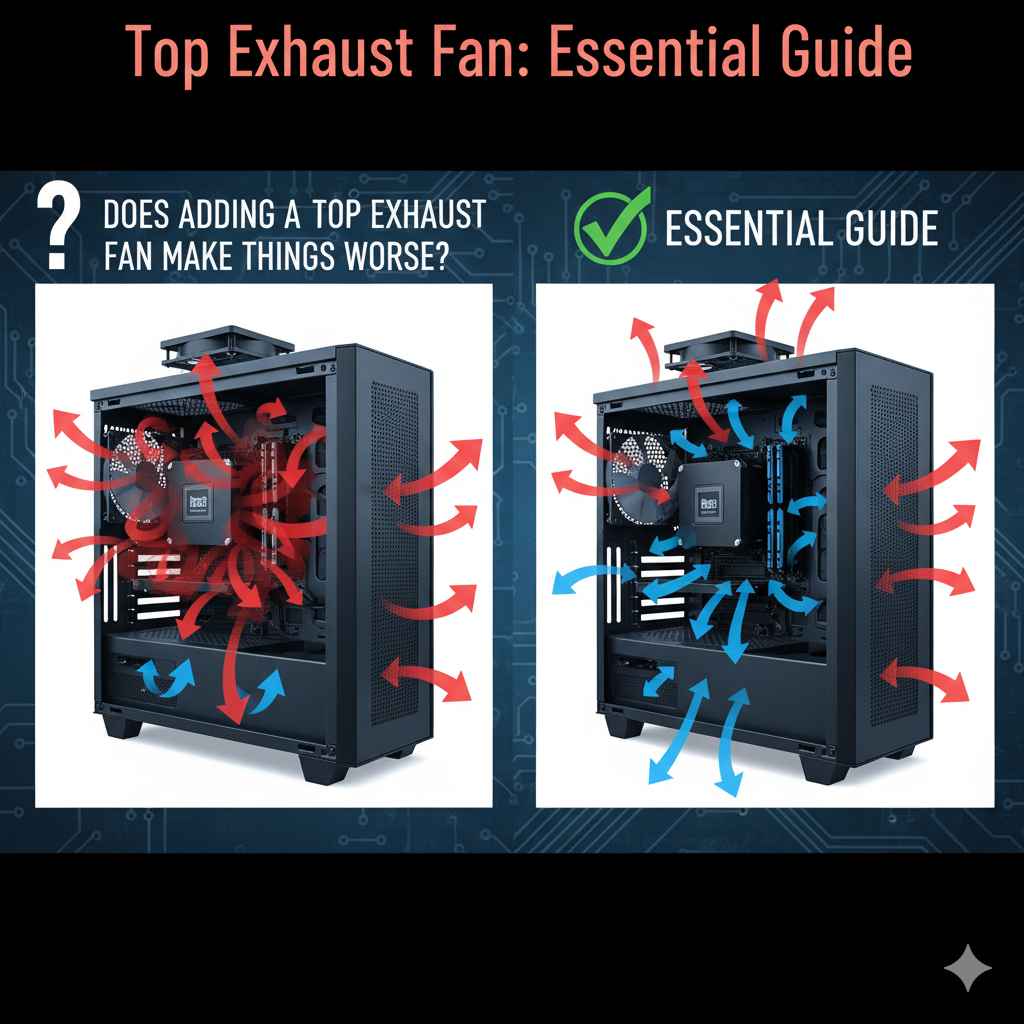
Does Adding a Top Exhaust Fan Make Things Worse? Essential Guide
Adding a top exhaust fan to your vehicle’s exhaust system generally does not make things worse if installed correctly. Often, it’s designed to improve airflow and performance. This guide will explain what it is, why it’s used, and how to ensure it helps, not hinders, your car.

VENTILATION DIRECT
VENTILATION DIRECT Standard Hinge Kit for Exhaust…
- Standard Hinge kit for exhaust fan roof curbs. Includes Left and Right Bracket with Hardware to attach hinge to curb and hinge to…
- Used on Fans with wheels 20 inches or smaller, or 28" fan base or smaller
- 12 GA Galvanized
As an Amazon Associate I earn from qualifying purchases.
Hey there, car folks! Ever notice those newfangled bits on exhaust systems and wonder what they do? Maybe you’ve heard about adding a “top exhaust fan” and are a bit worried it might actually mess with your car’s performance. It’s a common question, and honestly, the world of exhaust tech can seem a little confusing. But don’t sweat it! I’m Monowar Shohag, and I’m here to break it all down for you in simple terms. We’re going to explore what these fans are all about, why some people add them, and most importantly, how to make sure you’re not causing more harm than good. Get ready to understand your exhaust system better and feel more confident about keeping your ride running smoothly.
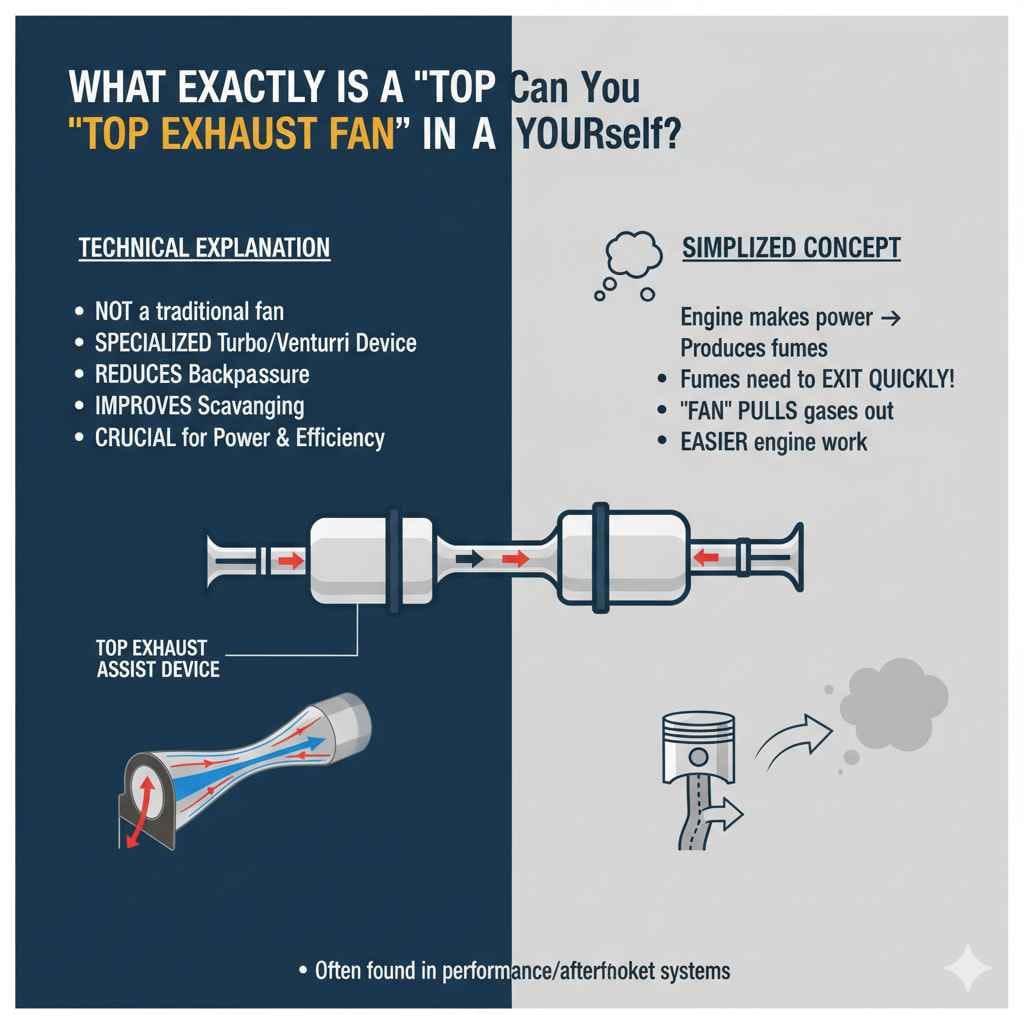
What Exactly is a “Top Exhaust Fan” in a Car?
When we talk about a “top exhaust fan” in the context of a car, we’re usually referring to a component designed to help move exhaust gases out of the system more efficiently. It’s not a fan in the same sense as the one that cools your computer or blows air in your house. Instead, it’s more like a specialized turbocharger or a venturi effect device that uses the flow of exhaust gases to create a stronger pull or assist in their expulsion.
These components are often found in performance-oriented exhaust systems or aftermarket modifications. Their primary goal is to reduce backpressure and improve the overall scavenging of exhaust gases from the engine cylinders. Efficient removal of exhaust gases is crucial for an engine to breathe properly, which directly affects its power output and fuel efficiency.
Think of it like this: when your engine makes power, it produces exhaust fumes. These need to get out of the way quickly so the engine can make the next bit of power. If the exhaust gases linger, they can make the engine work harder and less efficiently. A well-designed “fan” or assisting device can help “pull” those gases out, making the engine’s job a little easier.
The Role of Scavenging in Engine Performance
Before we dive deeper into “fans,” let’s quickly touch on what “scavenging” means in engine terms. Scavenging is the process of removing burned exhaust gases from the cylinder during the exhaust stroke. When the exhaust valve opens, the pressure of the outgoing gases helps to push them out.
However, if there’s too much resistance (backpressure) in the exhaust system, some of these hot gases can get trapped. This trapped gas can mix with the fresh air-fuel mixture that enters the cylinder on the next intake stroke, reducing the cylinder’s capacity for fresh mixture and thus reducing power. Good scavenging means less trapped residual gas, more fresh mixture, and ultimately, more power and better efficiency.
Components sometimes called “top exhaust fans” are designed to enhance this scavenging effect. They aim to create a low-pressure area behind the exiting exhaust pulse, effectively “sucking” the gases out of the cylinder more effectively.
Why Would Someone Add a “Top Exhaust Fan”?
The primary drivers for adding such a component are usually performance and efficiency. Here’s a breakdown of the common reasons:
- Increased Horsepower and Torque: By improving exhaust gas scavenging, the engine can breathe more freely. This allows for a more complete combustion cycle and the potential to make more power, especially at higher engine speeds.
- Reduced Exhaust Backpressure: High backpressure can act like a brake on the engine. These devices aim to lower that pressure, allowing the engine to operate with less resistance.
- Improved Turbocharger Spool-Up: If your vehicle has a turbocharger, better exhaust flow can help the turbo spin up faster. A quicker spool-up means the turbo delivers boost sooner, improving throttle response and acceleration.
- Enhanced Engine Sound: While not the primary goal, some exhaust modifications that improve flow can also alter the exhaust note, which some enthusiasts find desirable.
- Potential for Better Fuel Economy: In some cases, an engine that runs more efficiently due to better breathing might see a slight improvement in fuel economy, though this is often a secondary benefit and highly dependent on driving habits.
It’s important to note that the term “top exhaust fan” isn’t a standard, universally recognized automotive part name. It’s more of a descriptive term used to explain the function of certain devices. These might include things like:
- Exhaust Turbos (not engine turbos): These are smaller turbines driven solely by exhaust gas flow, designed to create a Venturi effect and pull gases through.
- Stinger Exhaust Tips: These are specially shaped tips that can create a Venturi effect.
- Certain Muffler and Resonator Designs: Some internal designs actively promote better flow and scavenging.
The idea is always to make the exhaust gasses exit the system faster and with less effort from the engine.
Does Adding One Make Things Worse? The Potential Downsides
While the intention of adding something like an “exhaust fan” is to improve performance, there are indeed situations where it could make things worse. It’s crucial to understand these potential issues before considering any modification.
The biggest risk comes from incorrect installation or choosing a poorly designed product. Here are the main ways things can go wrong:
1. Incorrect Installation and Fitment
Even the best component can cause problems if it’s not installed properly. This might include:
- Leaks: A faulty seal can allow exhaust gases to escape before they exit the tailpipe. This can be dangerous, as exhaust fumes contain toxic gases like carbon monoxide, and can leak into the cabin. It also severely impacts performance and sound.
- Wrong Size or Design: A component that’s too restrictive or not suited for your specific engine and exhaust system can actually increase backpressure, negating any potential benefits and possibly hurting performance.
- Structural Strain: If the new component is too heavy or awkwardly positioned, it could put undue stress on the existing exhaust hangers and pipes, leading to premature wear or breakage.
2. Increased Noise Levels
While some people enjoy a sportier exhaust note, an unintended consequence of improving exhaust flow can be increased noise. If this modification is too aggressive or not well-tuned, it can result in a drone or loudness that is uncomfortable for daily driving or may even violate local noise ordinances.
3. Reduced Low-End Torque
Some exhaust modifications that are optimized for high-RPM performance might sometimes come at the cost of low-end torque. This means the car might feel less responsive at lower speeds. The “exhaust fan” effect, if too aggressive, could potentially disrupt the carefully balanced pressure waves that help build torque in the lower RPM range.
4. Emissions and Regulatory Concerns
Any modification to the exhaust system, especially one that alters flow characteristics, could potentially affect emissions. In many regions, tampering with emission control systems or using aftermarket parts that are not certified can lead to failing emissions tests or legal entanglements. It’s essential to ensure any modification complies with local regulations. For example, the U.S. Environmental Protection Agency (EPA) provides guidance on vehicle emissions and what constitutes tampering. Always check your local laws!
5. Cost vs. Benefit
Performance modifications can be expensive. If the chosen “top exhaust fan” or similar device doesn’t deliver noticeable improvements, or if it requires significant supporting modifications to work effectively, the cost might not be justified by the benefit obtained. This can lead to frustration and the feeling that you’ve wasted money and potentially made things worse.
Types of Components That Might Be Called a “Top Exhaust Fan”
As mentioned, the term is informal. However, these are some of the common aftermarket or performance-enhancing exhaust components that people might associate with this kind of function:
Venturi Effect Devices
These are perhaps the closest to the idea of a “fan” in the exhaust. They are shaped specifically to accelerate the flow of exhaust gases, which in turn creates a lower pressure behind the exiting gas. This suction effect helps to pull more exhaust out of the engine cylinders.
- Stinger Exhaust Tips: These are often a simple, non-moving addition to the tailpipe. They are designed with a specific internal shape that aims to create the Venturi effect.
- Exhaust Spoilers/Whistles: These are small devices that can be inserted into the exhaust piping. They are designed to vibrate or create a specific airflow pattern to assist flow.
Turbine-Style Exhaust Augmenters
These are more complex devices that often involve a small turbine placed within the exhaust pipe. The flow of exhaust spins this turbine. While some might be designed to generate a small amount of power (unlikely to be significant in most passenger cars), their primary function in this context is to create a Venturi effect to enhance scavenging, similar to how a turbocharger uses exhaust gases to spin its turbine.
A cautionary note: many of these devices are unproven, or their actual benefit is marginal and only noticeable in specific high-performance applications. For the average daily driver, the potential for issues often outweighs the likely benefits.
Performance Mufflers and Resonators
While not a “fan” in the literal sense, high-flow mufflers and resonators are designed for optimal exhaust gas flow. They use internal baffling and chamber designs that are less restrictive than stock components. By reducing the restriction, they allow exhaust gases to exit more freely, indirectly improving scavenging.
Here’s a table showing some general pros and cons of performance exhaust components:
| Type of Component | Potential Pros | Potential Cons |
|---|---|---|
| Venturi Effect Tips/Devices | Minimal cost, relatively easy to install, mild flow improvement, can enhance sound. | May offer negligible performance gains, can increase drone, effectiveness varies greatly. |
| Turbine Augmenters | Can offer a more substantial theoretical flow improvement. | Often expensive, complex installation, can create noise, potential for mechanical failure, gains are often debated and marginal for street use. |
| High-Flow Mufflers/Resonators | Improved exhaust flow leads to better scavenging, potential for modest horsepower gains, can offer a desirable exhaust note. | Can be expensive, installation complexity varies, can increase noise, may not be emissions-legal in all areas. |
How to Ensure a “Top Exhaust Fan” Helps, Not Hurts
If you’re considering adding a component that functions like a “top exhaust fan,” here’s how to approach it to maximize your chances of success and minimize the risks:
1. Do Your Research: Understand What You’re Buying
- Identify the Component: Is it a Venturi tip, a turbine device, or a high-flow muffler? Understand its intended function.
- Read Reviews: Look for reviews from users with similar vehicles and driving conditions. Pay attention to comments about installation, noise, performance gains, and any negative experiences.
- Check Manufacturer Claims: Be wary of exaggerated claims. Look for reputable brands that provide data or explain the engineering behind their products.
- Consult with Experts: Talk to trusted mechanics or performance shops. They can offer honest advice based on their experience with various products and vehicles.
2. Prioritize Quality and Compatibility
- Vehicle Specificity: Ensure the part is designed for your car’s make, model, and year. Generic parts are less likely to fit correctly or perform as intended.
- Material Quality: Opt for components made from high-quality materials like stainless steel, which resist corrosion and last longer.
- Reputable Brands: Stick with well-known manufacturers that have a track record of producing reliable aftermarket parts.
3. Professional Installation is Highly Recommended
This is where you can significantly reduce the risk of making things worse. A professional installer will have the tools, knowledge, and experience to:
- Ensure a perfect fit without any gaps or leaks.
- Properly support the new component to avoid stressing the rest of the exhaust system.
- Make sure all connections are secure and airtight.
- Identify any potential compatibility issues with other exhaust components.
For example, when installing a new exhaust component, a professional will often check the integrity of the entire exhaust hanger system. A damaged hanger can lead to premature failure of even a well-installed new part. Resources like Carfax’s guide to exhaust systems offer good general information on exhaust components and their importance for vehicle health.
4. Consider the Entire Exhaust System
A single component rarely works in isolation. If you’re adding a device to enhance flow, consider if your current muffler, catalytic converter, and piping are adequate. A restrictive catalytic converter or an undersized pipe could become the new bottleneck, limiting the effectiveness of your new “fan” or even creating new problems.
Sometimes, achieving significant performance gains requires a holistic approach, possibly involving a full cat-back exhaust system rather than just one component.
5. Understand Your Local Regulations
Before buying or installing anything, verify that it meets your local emissions and noise regulations. Modifying an exhaust system can have legal consequences if not done correctly. For instance, in the UK, the Department for Transport (DfT) sets standards for vehicle exhaust emissions and noise levels.
The DIY Factor: Can You Install it Yourself?
For some of the simpler components, like a Venturi-style exhaust tip, a DIY installation might be feasible for those with some mechanical aptitude. However, it’s crucial to be honest about your skill level. If you’re unsure about any step, it’s always better to err on the side of caution and seek professional help.
Tools You Might (or Might Not) Need for DIY Installation:
- Wrenches and Sockets Set: For removing old clamps and bolts.
- Penetrating Oil: To loosen rusted bolts and clamps.
- Exhaust Clamps/Hangers: Sometimes new ones are needed for a secure fit.
- Safety Gear: Gloves, eye protection, and a sturdy jack with jack stands are essential for working under a vehicle.
- Wire Brush: To clean mating surfaces if applicable.
If you’re dealing with anything more complex like a turbine augmenter or significant pipe modification, a DIY attempt without proper tools and experience is highly discouraged. Poorly fitted exhaust components can lead to dangerous leaks or structural damage.

FAQ: Your Top Questions Answered
Q1: Will a “top exhaust fan” make my car louder?
It can, yes. Some devices designed to improve exhaust flow may also change the sound of your exhaust. The amount of added noise depends heavily on the specific component, the rest of your exhaust system, and your engine. It’s often a trade-off for improved performance.
Q2: Can adding this affect my car’s warranty?
Potentially. Any aftermarket modification can sometimes void the warranty on related components, especially if the modification is deemed to have caused the issue. It’s best to check your vehicle’s warranty documentation or consult with your dealer.
Q3: Is it legal to add a “top exhaust fan”?
Legality depends on where you live. Some modifications might be legal for off-road use but not for public road use. Always check your local regulations regarding exhaust noise and emissions before installing. In the U.S., modifications that significantly alter emission control systems can be illegal. Visit your state’s Department of Motor Vehicles or environmental agency website for specifics.
Q4: What’s the difference between this and a supercharger or turbocharger?
A supercharger and engine turbocharger are forced induction systems that use a compressor to force more air into the engine, significantly increasing power. A “top exhaust fan” or similar device in the exhaust system is designed to help the engine expel gases more efficiently, which is a related but different function. It does not directly force air into the engine.
Q5: Can I install a “top exhaust fan” on any car?
While the concept can be applied, specific components are designed for particular vehicle types and engine sizes. A component designed for a V8 truck might not be suitable for a small 4-cylinder car. Compatibility is key for optimal performance and to avoid issues.
Q6: Are there “performance” gains guaranteed if I add one?
No, gains are not guaranteed. The actual performance improvement depends on many factors, including the design of the component, your vehicle’s existing exhaust system, your engine type, and how the component is installed.
Related pick: Check today's price on Amazon