Ultimate Guide: Unraveling the Components of an Exhaust System
The components of an exhaust system include the exhaust manifold, catalytic converter, muffler, and tailpipe. This comprehensive guide will provide a detailed understanding of each component’s function and importance in the overall performance of a vehicle’s exhaust system.

Magnum Exhaust
Flowsound 2-Chamber Mandrel-Bent Dual Truck Exhaust Kit…
- single 3"/dual 2.5" Flowsound 2-Chamber Muffler
- Two 2.5" Mandrel-bent tailpipes, cut and swedged
- Multi-depth insulated hangers & muffler clamps
As an Amazon Associate I earn from qualifying purchases.
Welcome to our comprehensive guide on understanding the components of an exhaust system. If you’ve ever wondered how your vehicle’s exhaust system works and what each component does, you’re in the right place. In this guide, we will break down the key components of an exhaust system and explain their functions in a simple and easy-to-understand manner.
So, whether you’re a car enthusiast looking to upgrade your vehicle’s performance or simply curious about the inner workings of your car, this guide will provide you with the knowledge you need. Let’s dive in and explore the fascinating world of exhaust systems!
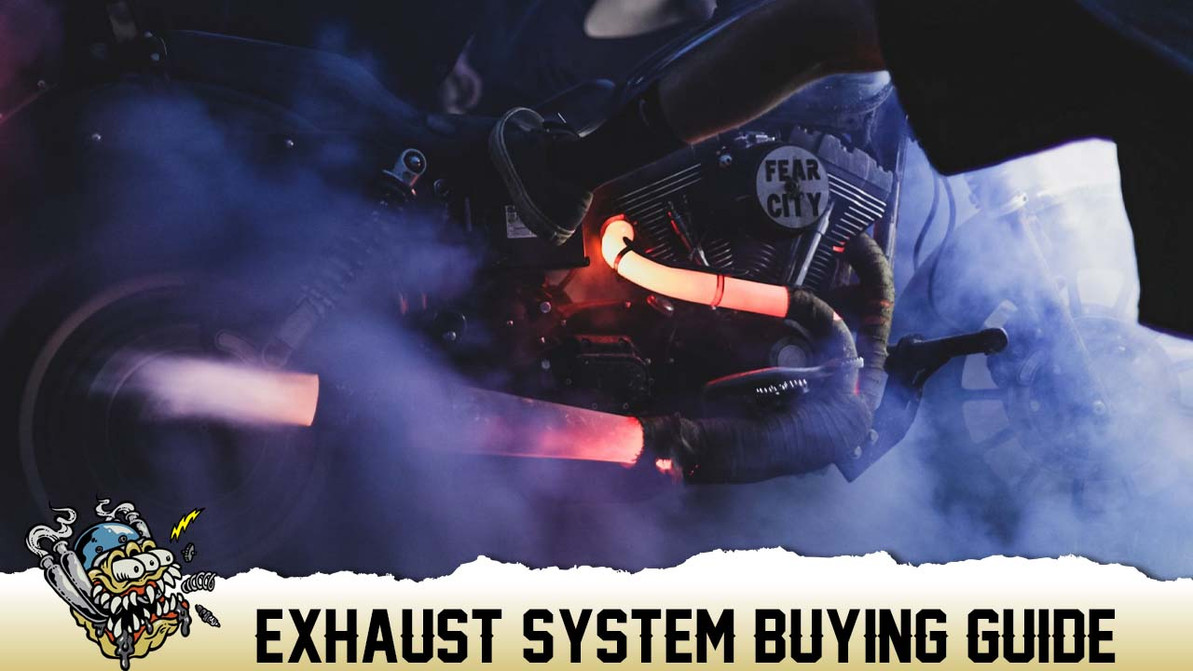
Credit: deadbeatcustoms.com
Introduction To Exhaust Systems
An exhaust system is a crucial component of a vehicle, serving multiple important functions. It expels harmful gases emitted during combustion, such as carbon monoxide, nitrogen oxides, and unburned hydrocarbons. By doing so, it ensures that these pollutants don’t contaminate the environment or pose health hazards to individuals.
Additionally, the exhaust system helps to reduce noise produced by the engine, making the vehicle’s operation quieter and more comfortable. It also plays a role in improving engine performance by allowing efficient airflow and reducing backpressure. The main components of an exhaust system typically include the exhaust manifold, catalytic converter, muffler, and tailpipe.
While the exhaust manifold collects and directs exhaust gases from the engine cylinders, the catalytic converter converts harmful pollutants into less harmful substances. The muffler further reduces noise, and the tailpipe releases the filtered exhaust gases into the atmosphere. Understanding the various components and their functions is essential for maintaining and optimizing the performance of any vehicle.
Header 1: Unraveling The Exhaust Manifold
The exhaust manifold is a crucial component of an exhaust system. It collects exhaust gases from the engine’s cylinders. Exhaust manifolds come in different types, including log-style, tubular, and header-style. They are typically made of cast iron, stainless steel, or mild steel.
Each material offers its own benefits in terms of durability and heat resistance. However, exhaust manifolds can experience common problems such as cracks, leaks, and corrosion. To address these issues, repairs or replacements may be necessary. Regular maintenance and inspections can help identify problems early and prevent further damage to the exhaust system.
So, understanding the definition and role of the exhaust manifold, as well as the materials used in its manufacturing, is essential for maintaining an efficient and reliable exhaust system.
Header 2: Understanding The Catalytic Converter
The catalytic converter is a vital component of an exhaust system. Its purpose is to reduce harmful emissions released into the environment. There are different types of catalytic converters available, each designed to work with specific engine configurations. Understanding how catalytic converters work can help you appreciate their importance in reducing pollutants.
These devices use catalysts to convert harmful gases into less harmful substances through a chemical reaction. This process helps in reducing the emission of harmful pollutants such as nitrogen oxides, carbon monoxide, and hydrocarbons. Catalytic converters play a significant role in environmental protection and are subject to strict regulations for their efficiency and performance.
By ensuring the proper functioning of catalytic converters, we can contribute to cleaner air and a healthier planet. Understanding their components and how they work ultimately helps in making informed decisions about maintaining and improving exhaust systems.
Header 3: The Muffler – More Than Just Noise Reduction
The muffler, a vital component of an exhaust system, goes beyond merely reducing noise. With its role in the exhaust system, it plays a vital part in optimizing vehicle performance. Different types of mufflers are available, each designed to meet various needs.
The technology used in mufflers allows for sound absorption, minimizing noise levels while maintaining optimal exhaust flow. When considering mufflers, it’s important to strike a balance between performance gains and noise reduction. Performance mufflers focus on enhancing engine power, while noise reduction mufflers prioritize quiet operation.
It’s crucial to consider these factors when choosing a muffler that aligns with your preferences and vehicle requirements. By understanding the role of the muffler in an exhaust system, you can make informed decisions to optimize your vehicle’s performance.
* Subheading: Design And Construction
The design and construction of an exhaust system play a crucial role in its performance. The inner chamber design determines the flow of exhaust gases and maximizes efficiency. There are various baffle types used in exhaust systems, including straight-through, chambered, and turbo-style.
Each baffle type has its own impact on sound and performance. Additionally, the construction materials used in exhaust systems greatly influence their durability and overall effectiveness. Commonly utilized materials include stainless steel, aluminized steel, and titanium, each offering unique properties.
Choosing the right design, baffle type, and construction materials for an exhaust system can significantly enhance the vehicle’s performance and sound. It is essential to understand the components and their functions to make an informed decision for your vehicle’s exhaust system.
* Subheading: Performance And Enhancements
An exhaust system consists of several components that play a significant role in the performance of your vehicle. When it comes to enhancing your engine’s performance, it is essential to understand how these components affect it. Upgrading to aftermarket options can provide you with various performance enhancements.
However, it is crucial to balance these improvements with the noise levels produced by the system. By considering the impacts on engine performance and finding the right aftermarket options or upgrades, you can achieve the perfect balance of power and noise for your vehicle.
Avoiding commonly overused terms and phrases, this comprehensive guide will help you navigate the world of exhaust systems and make informed decisions about your vehicle’s performance enhancement.
Exploring The Tailpipe And Exhaust Tips
The tailpipe and exhaust tips are important components of an exhaust system. They serve both functional and design purposes. The tailpipe allows the exhaust gases to exit the vehicle, minimizing noise and directing the gases away from the car. Meanwhile, exhaust tips come in various materials and styles, such as stainless steel, chrome, or carbon fiber, which can greatly impact the overall aesthetics of a vehicle.
Some exhaust tips can even be customized to suit the owner’s preferences. By choosing different shapes, sizes, and finishes, individuals can add a unique touch to their vehicle’s exterior. So, whether you’re looking to enhance the performance or overall appearance of your car, understanding the function and design of the tailpipe and exhaust tips is crucial.
Monitoring And Maintaining The Exhaust System
Regular inspection and maintenance of your exhaust system is crucial for its smooth functioning. By monitoring the system periodically, you can identify any potential issues and address them promptly. Early detection helps prevent costly repairs in the future. There are several signs that indicate exhaust system problems such as loud noises, decreased fuel efficiency, and unpleasant odors.
Cleaning and caring for the exhaust system is essential to extend its longevity. Regular cleaning removes dirt, debris, and rust, preventing corrosion and blockages. It is important to consider various factors that affect the lifespan of your exhaust system, such as driving conditions, climate, and quality of materials used.
Being aware of these factors allows you to take necessary precautions and maintain your exhaust system effectively. By following these tips, you can keep your exhaust system in optimal condition and ensure a safe and efficient driving experience.
Frequently Asked Questions For Understanding The Components Of An Exhaust System: A Comprehensive Guide
What Are The Main Components Of An Exhaust System?
The main components of an exhaust system are the exhaust manifold, catalytic converter, muffler, resonator, and exhaust pipe. Each component plays a crucial role in reducing noise, controlling emissions, and directing exhaust gases away from the engine.
How Does The Exhaust Manifold Work?
The exhaust manifold collects exhaust gases from the engine’s multiple cylinders and channels them into a single pipe. Its primary purpose is to improve the engine’s performance by ensuring an efficient flow of exhaust gases away from the engine.
What Is The Function Of A Catalytic Converter?
The catalytic converter converts harmful pollutants, such as carbon monoxide and nitrogen oxides, into less harmful compounds through a chemical reaction. It plays a vital role in reducing vehicle emissions and minimizing the impact on the environment.
Why Is A Muffler Important In An Exhaust System?
The muffler is responsible for reducing the noise produced by the engine exhaust. It contains chambers and tubes that reflect and cancel out sound waves, resulting in a quieter operation. The muffler also helps improve engine performance by reducing backpressure.
What Does A Resonator Do In An Exhaust System?
A resonator is installed in the exhaust system to minimize or eliminate specific frequencies of sound. It works by creating sound waves that cancel out the undesirable noise produced by the engine. The resonator ensures a more pleasant and balanced sound quality from the exhaust system.
What Role Does The Exhaust Pipe Play In The System?
The exhaust pipe connects all the components of the exhaust system and directs the exhaust gases away from the engine. It is designed to withstand high temperatures and is often made of stainless steel or aluminized steel. The exhaust pipe plays a crucial role in maintaining proper exhaust flow and overall system efficiency.
Conclusion
Understanding the components of an exhaust system is crucial for any car owner. This comprehensive guide has provided insight into the different parts that make up this essential automobile system. From the exhaust manifold, catalytic converter, and muffler to the tailpipe and oxygen sensor, each component plays a vital role in the overall performance of the vehicle.
By understanding how these parts work together, car owners can better maintain their exhaust systems and ensure optimal functionality. Regular inspection, maintenance, and addressing any potential issues promptly can prevent costly repairs and extend the lifespan of the exhaust system.
Additionally, being knowledgeable about the exhaust system can help car owners make informed decisions when it comes to modifications or upgrades. With a well-maintained exhaust system, not only will the vehicle run smoothly and efficiently, but it will also contribute to a cleaner environment.
So, take the time to understand and take care of your car’s exhaust system for a better driving experience.
Related pick: Check today's price on Amazon