Does An Exhaust Tip Have A Proven Purpose?
Does an exhaust tip have a proven purpose? Yes, while often a stylistic upgrade, exhaust tips can offer minor functional benefits like protecting the bumper, directing exhaust fumes away, and slightly altering sound. Their primary purpose for most drivers is aesthetic enhancement and personalization.

Dsycar
Dsycar Universal Stainless Steel 1.5" - 2.25"…
- 【 Measure Your Tailpipe Diameter】Please measure the outside diameter of your exhaust pipe before purchase, otherwise our product w…
- 【 Note 2 】Please check your original tailpipe's type. Straight tailpipe is for straight type, and curved tailpipe is for curved ty…
- 【 Note 3 】View product details image,Understand the installation and size of the product, can view the other seven exhaust pipe pr…
As an Amazon Associate I earn from qualifying purchases.
There’s a lot of buzz around car parts, and sometimes it’s hard to know what’s just for looks and what actually does something. One of those parts that sparks a lot of questions is the exhaust tip. You see them on all sorts of cars – sleek chrome ones, angled black ones, big wide ones. But what’s the real story? Do they actually do anything for your car, or are they just there to make it look pretty? If you’ve ever looked at your car’s exhaust and wondered if adding a fancy tip is worth it, you’re in the right place. We’re going to break down the real purpose of exhaust tips in simple terms. We’ll cover what they are, if they help your car perform better, and what you need to know before you pick one out.
Understanding the Exhaust System: A Quick Overview
Before we dive into exhaust tips, let’s quickly touch on the exhaust system itself. Think of your car’s engine like a small power plant. When it burns fuel, it creates exhaust gases. These gases need to go somewhere! The exhaust system is a network of pipes, mufflers, and catalytic converters that safely transports these hot, harmful gases from the engine all the way to the back of your car and out into the air.
Its main jobs are:
Reducing noise: The muffler is key here, quieting down the loud sounds from combustion.
Cleaning emissions: The catalytic converter changes harmful gases into less harmful ones, which is good for the environment.
Directing exhaust: It guides the gases away from the car’s cabin and other sensitive parts.
Now, where does the exhaust tip fit into all this?

What Exactly is an Exhaust Tip?
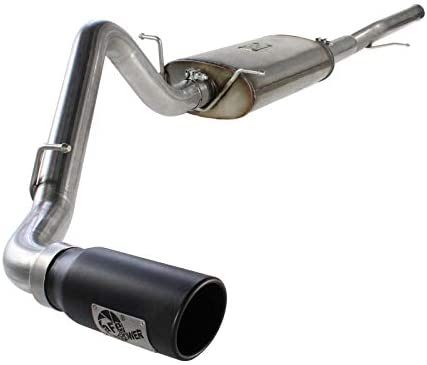
An exhaust tip is the very last part of your car’s exhaust system that you can see. It’s usually a decorative piece attached to the end of the tailpipe. You can find them in a huge variety of styles, materials, and sizes. Some are made of polished stainless steel that gleams, others are painted black for a stealthy look, and some are huge and aggressive for sportier cars.
Think of it like the finishing touch on a piece of furniture or the final detail on a custom build. Its placement means it’s the most visible part of the exhaust, which is why it’s so popular for customization.
Does an Exhaust Tip Have a Proven Purpose? The Functional Side
This is the big question! While many people add exhaust tips purely for looks, they can have a few subtle functional purposes. Let’s explore them:
1. Directing Exhaust Gases
One of the most straightforward, albeit minor, functions of an exhaust tip is its role in directing the flow of exhaust gases away from the vehicle chassis and, importantly, the rear bumper. Without a tip, or with a very simple, plain tailpipe, exhaust gases can sometimes be directed poorly. This can lead to:
Soot buildup: Exhaust gases carry soot and carbon. If they’re not directed properly, they can stain and blacken your bumper or the rear bodywork, making your car look dirty even after a wash. A well-designed tip can help prevent this by channeling the gases away.
Heat damage: While less common with modern bumper designs, prolonged exposure of hot exhaust gases directly onto plastic or painted surfaces could theoretically cause discoloration or even minor warping over time. An exhaust tip helps create a small buffer.
2. Minor Improvement in Exhaust Flow (Debatable)
This is where things get a bit technical and often debated among car enthusiasts. The idea behind this is that a larger diameter or specially shaped exhaust tip could slightly improve exhaust gas flow. Here’s the reasoning, though it’s important to note that for most standard vehicles, this effect is minimal to non-existent without other exhaust system modifications.
Diameter: If the exhaust tip is significantly larger in diameter than the existing tailpipe, it could potentially offer a less restrictive path for exhaust gases to exit. However, modern factory exhaust systems are usually quite well-designed, and simply changing the tip rarely makes a noticeable difference in engine performance. For a true performance gain, you’d typically need to upgrade the entire exhaust system – the pipes, muffler, and catalytic converter.
Shape and Aerodynamics: Some tips are designed with more aerodynamic shapes to reduce turbulence as the exhaust gases exit. Again, the actual performance benefit from this on a stock vehicle is usually very small.
To put it simply, if you’re looking for a significant horsepower boost, an exhaust tip alone won’t do it. For those, you’re looking at more involved upgrades like a performance exhaust system or tuning.
3. Protecting the Tailpipe Itself
The tailpipe extends from the muffler and is the part directly exposed to the elements and road debris. An exhaust tip, especially a robust one made of stainless steel, can offer a layer of protection. It acts as a buffer against minor bumps, scratches, and corrosion that might otherwise damage the exposed end of the tailpipe. This can help prolong the life of the tailpipe itself and keep it looking good.
The Primary Purpose: Aesthetics and Personalization
Let’s be honest, for the vast majority of car owners, the main reason for choosing and installing an exhaust tip is to change the look of their vehicle. It’s one of the most accessible and visible ways to personalize your car.
Here’s why aesthetics are so popular with exhaust tips:
Enhanced Visual Appeal: A sleek, polished chrome tip can make a standard car look more upscale or sporty. A matte black tip can give a more aggressive, understated look.
Matching Vehicle Style: You can choose a tip that complements your car’s overall style. A classic car might benefit from a simple, rounded chrome tip, while a modern performance car could sport a multi-outlet, angled tip.
Covering Up Old or Rusty Tailpipes: Sometimes, the original tailpipe might be rusted, bent, or simply look aged. An exhaust tip can cover these imperfections, giving the rear of the car a fresh, clean appearance without needing to replace the entire exhaust system.
Creating a Desired “Look”: Want your car to look like it means business? A larger diameter, aggressive-looking tip can contribute to that perception. Conversely, a subtle, well-integrated tip can add a touch of class.
Customization Options
The market for exhaust tips is huge, offering endless possibilities to match your taste:
Materials: Stainless steel (highly durable and corrosion-resistant), carbon fiber (lightweight and sporty), titanium (high-performance and exotic), and even painted steel are common.
Finishes: Polished chrome, brushed metal, matte black, carbon fiber weave, and vibrant colored coatings.
Shapes: Round, oval, rectangular, quad tips, slant cut, straight cut, rolled edges, flat edges.
Sizes: From subtle, small tips to large, imposing ones that fill out the bumper cutouts.
Attachment Styles: Some bolt onto the existing tailpipe, while others slip over and are secured with set screws. Some might even require welding for a permanent installation.
Types of Exhaust Tips and Their (Perceived) Benefits
Let’s break down some common types of exhaust tips you might encounter:
1. Straight Cut Tips
Description: The end of the tip is cut flat and runs parallel to the ground.
Aesthetic: A clean, classic, and often sporty look.
Functional Aspect: Generally good for directing exhaust gases straight back.
Best For: A wide range of vehicles, from everyday sedans to performance cars.
2. Slant Cut Tips
Description: The end of the tip is cut at an angle.
Aesthetic: Creates a more aggressive or dynamic look, often filling out bumper cutouts nicely.
Functional Aspect: The angle can help tuck the tip up higher and away from the road, and directs exhaust slightly downward and backward.
Best For: Cars with angled bumper cutouts where a straight tip would look out of place.
3. Rolled Tips
Description: The edge of the tip is bent or “rolled” outward to create a smooth, rounded lip.
Aesthetic: Provides a more finished, premium, and sometimes vintage look.
Functional Aspect: Can offer a slightly larger exit area compared to an unrolled tip of the same internal diameter. The rolled edge also adds durability.
Best For: Classic cars, luxury vehicles, or anyone seeking a refined appearance.
4. Double Wall Tips
Description: These tips have an inner and outer wall, creating a hollow space between them.
Aesthetic: Often perceived as more robust and high-quality. The gap between walls can be subtle or pronounced depending on design.
Functional Aspect: The double wall can help insulate the outer surface from the extreme heat of the exhaust gases, potentially reducing heat transfer to the bumper.
Best For: Cars where heat dissipation is a concern, or for a more substantial visual presence.
5. Carbon Fiber Tips
Description: Tips with outer shells made from carbon fiber, usually over a stainless steel core.
Aesthetic: A very modern, sporty, and high-performance look, popular on European sports cars.
Functional Aspect: Carbon fiber is lightweight, which is always a plus in automotive applications, though the weight savings from just a tip are negligible.
Best For: Performance-oriented vehicles, or cars that already feature carbon fiber accents.
6. Quad Tips or Multiple Outlets
Description: Configurations with two, three, or four exhaust tips exiting at once.
Aesthetic: A very aggressive and sporty statement, often seen on high-performance or modified vehicles.
Functional Aspect: Usually part of a larger dual-exhaust system. Individually, each tip might not offer much, but the overall setup is designed for better flow.
Best For: Performance cars, track cars, or those aiming for a bold, aggressive look.
Key Considerations Before Buying and Installing an Exhaust Tip
If you’ve decided an exhaust tip is for you, whether for looks or minor function, here are some things to keep in mind:
1. Compatibility with Your Existing Exhaust
Tailpipe Diameter: Measure the outer diameter of your existing tailpipe. Your new exhaust tip needs to fit snugly over this. Most tips are designed to fit a range of common tailpipe sizes.
Tailpipe Length: Ensure the tip won’t extend too far and look awkward, or not far enough to properly attach.
Mounting Method: Are you looking for a clamp-on tip (most common and easiest for beginners), a bolt-on, or a weld-on? Weld-on tips are permanent and require professional installation. Clamp-on and bolt-on are DIY-friendly.
2. Material and Durability
Stainless Steel: Generally the best choice for durability, corrosion resistance, and longevity. Look for 304-grade stainless steel if possible, as it’s highly resistant to rust.
Chrome Plated Steel: Can look very shiny but is more prone to chipping and rusting over time if the plating is damaged.
Carbon Fiber: Looks great but can be more expensive and requires care to avoid scratches or damage from road debris.
3. Exhaust Tip Size and Shape
Proportions: Choose a size that looks proportionate to your car’s rear bumper and overall size. A tip that’s too small can look lost, while one that’s too large can look gaudy or even hang too low.
Bumper Cutouts: If your bumper has specific cutouts for exhaust, try to match the tip’s shape and size to fill them out nicely. Measure these cutouts to guide your choice.
4. Tone and Sound Changes (Usually Negligible)
As mentioned, a tip on its own rarely changes your car’s exhaust note significantly. However, if the tip is much larger in diameter than the original pipe, or if it’s hollow and very long, it could theoretically create a minuscule change in resonance. If you’re seeking a noticeable sound difference, you’ll need to look at mufflers or full cat-back exhaust systems.
5. Legal Considerations
In most places, simple cosmetic exhaust tips are perfectly legal. However, some jurisdictions have regulations about exhaust noise levels and emissions. Ensure the tip itself doesn’t bypass any emissions equipment or significantly alter the sound beyond legal limits. It’s always a good idea to check with your local Department of Motor Vehicles or a reputable mechanic if you have concerns. According to the U.S. Environmental Protection Agency (EPA), modifications that increase emissions or noise can be illegal.
Installing an Exhaust Tip: A Beginner’s Guide
Installing a clamp-on or bolt-on exhaust tip is a straightforward DIY project that most people can tackle in their driveway.
Tools You’ll Likely Need:
A new exhaust tip (with clamp or bolts included)
Screwdriver set (Phillips and flathead) or socket set (usually 10mm or 13mm for clamps)
Gloves (to protect your hands from sharp edges and dirt)
Safety glasses (essential for eye protection)
Wire brush (to clean the existing tailpipe)
Penetrating oil (optional, if bolts are rusty)
Measuring tape
Step-by-Step Installation:
1. Safety First: Park your car on a level surface. Ensure the engine is off and has had plenty of time to cool down. Exhaust components can get extremely hot! Engage the parking brake.
2. Clean the Tailpipe: Locate the end of your car’s current tailpipe. Use a wire brush to clean off any rust, dirt, or grime. A clean surface will allow the new tip to clamp on securely.
3. Measure and Test Fit: Before tightening anything, slide the new exhaust tip onto the tailpipe. Check its position. Does it sit too far in or stick out too far? Does it look straight and centered? You might need to adjust it a few times.
4. Secure the Tip:
For Clamp-On Tips: Position the tip where you want it. Slide the provided clamp over the connection point of the tailpipe and the tip. Tighten the clamp’s bolts using your screwdriver or socket wrench until the tip is secure and doesn’t wiggle. Don’t overtighten, as this can crush the tip.
* For Bolt-On Tips: These usually have set screws. Slide the tip into place. Insert and tighten the set screws into the pre-drilled holes on the tip, which will press against the tailpipe to hold it firmly. Again, tighten securely but avoid stripping the screws.
5. Final Check: Give the tip a gentle shake to ensure it’s firmly attached. Make sure it’s aligned straight and centered within any bumper cutout.
6. Clean Up: Dispose of any old parts and clean your tools.
Important Note: If your exhaust tip requires welding, it’s best to leave this to a professional mechanic or an exhaust shop. Welding exhaust components requires specialized tools, knowledge, and safety precautions.

Frequently Asked Questions (FAQ)
Q1: Will an exhaust tip make my car louder?
A1: Generally, no. A standard exhaust tip is a cosmetic addition that doesn’t change the internal baffling of the muffler or the diameter of the main exhaust piping. Significant sound changes usually come from upgrading the muffler or the entire exhaust system.
Q2: Can I install an exhaust tip myself?
A2: Yes, most clamp-on and bolt-on exhaust tips are designed for easy DIY installation. You typically just need basic tools like a screwdriver or socket set. Weld-on tips require professional installation.
Q3: How do I know what size exhaust tip to buy?
A3: Measure the outer diameter of your car’s existing tailpipe. Most exhaust tips specify the range of tailpipe diameters they can accommodate. Also, consider the size of any bumper cutouts for aesthetic balance.
Q4: Will an exhaust tip improve my car’s gas mileage or performance?
A4: It’s highly unlikely. While some designs might offer very minor improvements in exhaust flow on paper, these are usually too small to be noticeable in terms of fuel economy or horsepower for a vehicle with a stock exhaust system.
Q5: What are exhaust tips made of? Where can I buy them?
A5: Common materials include stainless steel (often 304 grade for corrosion resistance), chrome-plated steel, and carbon fiber. You can purchase exhaust tips from major auto parts stores, online retailers specializing in automotive accessories, and from custom car parts websites.
Q6: How do I clean and maintain my exhaust tip?
A6: For chrome or stainless steel tips, regular cleaning with car wash soap and water is usually sufficient. For stubborn grime or rust spots, specialized metal polishes or cleaners can be used. Follow the product instructions carefully. Applying a metal protectant can help maintain shine and prevent corrosion.
Q7: Is it safe to have an exhaust tip?
A7: Yes, when properly installed, exhaust tips are safe. They are designed to handle the heat and vibrations of the exhaust system. Ensure it is securely attached to prevent it from falling off, which could be a road hazard.
Conclusion
So, does an exhaust tip have a proven purpose? In short, yes, but its primary purpose for most drivers leans heavily towards enhancing the vehicle’s appearance and personalizing its look. While it can offer minor functional benefits like protecting the bumper from soot and potentially aiding slightly in directing exhaust gases, these effects are secondary for the average car owner.
Related pick: Check today's price on Amazon