What Does An Intercooled Exhaust Tip Do? Essential Guide
An intercooled exhaust tip is primarily a visual upgrade, featuring an internal cooler lining designed to keep the outer surface less hot to the touch. While it doesn’t significantly affect engine performance or cooling, it offers safety benefits by reducing burn risk and provides a unique, often striking aesthetic look to the vehicle’s rear end.
Welcome! If you’ve been looking at aftermarket exhaust parts, you might have stumbled upon the term “intercooled exhaust tip.” It sounds complicated, like something only professional racers use. It’s okay if you feel confused; exhaust jargon can be tricky! Many car owners wonder exactly what these tips do and if they are worth the investment. Rest assured, understanding these tips is much easier than you think. We are going to break down exactly what an intercooled exhaust tip is, how it works, and whether it’s the right choice for your ride. We’ll keep things simple, focusing on practical benefits without the confusing engineering speak. Let’s jump in and demystify this cool exhaust component!
Understanding Exhaust Components: Before We Cool Down
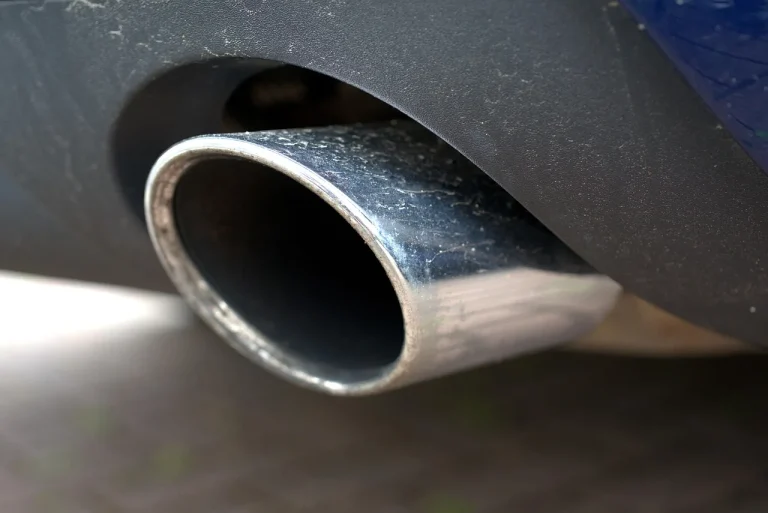
Before diving into the “intercooled” part, it helps to quickly remember what a standard exhaust tip is. The exhaust tip is the very last piece of metal your engine’s waste gases pass through before exiting into the air. Think of it like the muzzle of a gun—it’s the visible end of the system.
Most factory exhaust tips are simple, often hidden, or dull chrome. Upgrading to a new tip is one of the easiest and most affordable ways to change the look of your vehicle. They come in various shapes (round, slash-cut, square) and materials (stainless steel, titanium).
What Makes a Standard Tip Hot?
Your engine creates extremely hot exhaust gases—we are talking hundreds of degrees Fahrenheit—to move your car. These gases travel down the exhaust pipe. Even with mufflers and resonators doing their jobs, the metal of the exhaust tip absorbs a massive amount of that heat. If you touch a standard exhaust tip shortly after driving, you risk a serious burn. This is a common safety concern, especially for those with children or pets around the car.
What Exactly Does “Intercooled” Mean in an Exhaust Tip?
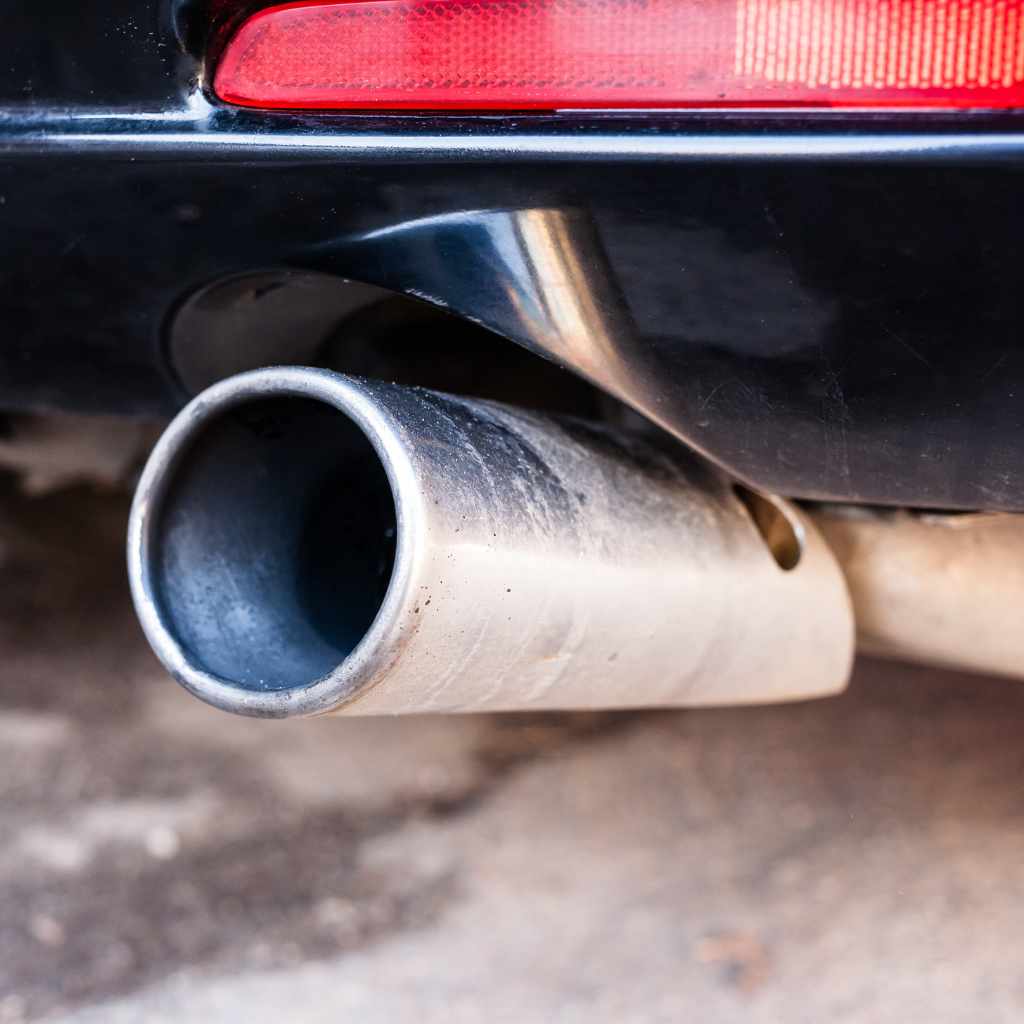
When you see “intercooled” applied to an exhaust tip, it does not mean the tip is part of the engine’s air-to-air cooling system (like a turbocharger intercooler might be). In the context of exhaust tips, “intercooled” refers to a specific design feature built into the tip itself to manage external heat.
The Double-Wall Construction Secret
The key to the intercooled exhaust tip lies in its construction. Unlike single-wall tips, intercooled (or sometimes called double-wall) tips have two layers of metal:
- The Inner Wall: This wall is directly exposed to the hot exhaust gases leaving the engine.
- The Outer Wall: This is the surface you see and touch.
Between these two walls, there is a small air gap—this air pocket acts as an insulator, or a buffer zone. This air gap is the “intercooling” mechanism. It slows down the transfer of extreme heat from the scorching inner wall to the outer viewing surface.
The Real Purpose: Heat Dissipation, Not Performance
It is vital to understand that an intercooled exhaust tip does not cool the exhaust gases themselves as they exit. If it could significantly cool the gases, it would actually reduce the speed and efficiency of the exhaust flow, which is bad for performance. Instead, its job is purely focused on the external surface temperature.
The small amount of trapped air helps to radiate some of that heat outward or trap it momentarily, preventing the visual exterior shell from reaching the same dangerously high temperatures as a bare single-wall tip. This makes it a safety and aesthetic upgrade.
Key Functions: What Does an Intercooled Exhaust Tip Do?
When you install an intercooled exhaust tip, you are primarily investing in two main benefits: safety and appearance. Let’s break down these functions.
1. Enhanced Safety (Reduced Burn Risk)
This is often the biggest selling point for an intercooled tip on a daily driver. Because the outer wall stays cooler—sometimes significantly cooler—the risk of accidental burns to children, pets, or even yourself while cleaning or working near the car is reduced. While they still get warm after a long drive, they do not typically reach the searing temperatures of a thin, single-wall tip.
2. Superior Aesthetics and Finish Longevity
The dual-wall design offers a cleaner, often thicker, and more premium look. Single-wall tips are prone to heat discoloration very quickly. When intense heat hits the shiny chrome or polished stainless steel, it causes “bluing” or “browning”—a permanent discoloration that ruins the look.
By insulating the outer wall, intercooled tips resist these color changes much longer. This means your investment stays looking shiny and new for many years, requiring less frequent polishing or replacement due to heat damage.
3. Protection Against Heat Fatigue
Constant, extreme exposure to high heat can cause metal fatigue, leading to potential cracks or warping over decades. While most exhaust components last a very long time, the isolation provided by the intercooled design offers an extra layer of thermal protection for the visible exterior shell.
Intercooled vs. Single-Wall Tips: A Quick Comparison
To make the benefit clear, it helps to look at them side-by-side. This table focuses on the practical differences a beginner needs to know when shopping.
| Feature | Intercooled (Double-Wall) Tip | Single-Wall Tip |
|---|---|---|
| External Surface Heat | Significantly cooler to the touch. | Becomes extremely hot quickly. |
| Heat Discoloration (Bluing) | Resists bluing much longer due to air gap. | Discolors quickly under high heat strain. |
| Cost | Generally higher cost due to complex manufacturing. | More affordable and easier to find. |
| Installation Feel | Feels more robust and premium. | Can feel thin; easier to warp if mishandled. |
| Primary Benefit | Safety and long-term finish preservation. | Simple aesthetic upgrade and low cost. |
Does an Intercooled Tip Affect Performance or Sound?
This is a critical question for anyone upgrading their exhaust system. You want better looks without losing power or changing the sound negatively. Here is the short answer:
Engine Performance
No, an intercooled exhaust tip does not meaningfully affect your engine’s horsepower or torque. Performance gains or losses in an exhaust system come from changes in the piping diameter, muffler baffling, and catalytic converter flow—all components before the very end tip. The tip is purely decorative and heat-management for the surface.
Exhaust Sound
The sound of your exhaust is determined by the muffler and resonator design. Since the intercooled tip is simply a shell placed at the exit point, it has minimal to no impact on the tone, volume, or quality of the sound coming from your muffler. Any perceived change is usually psychological or so minor it’s unnoticeable.
How to Choose and Install Your Intercooled Exhaust Tip
If you decide that the added safety and longevity of an intercooled tip are right for you, the installation process is straightforward. It usually requires only basic hand tools. Always prioritize measuring correctly—a poorly fitting tip looks worse than no tip at all!
Step 1: Measure Twice, Buy Once
The most common mistake beginners make is buying the wrong size. You need three key measurements:
- Inlet Diameter: This is the size of the exhaust pipe you are clamping the new tip onto. Measure the outside diameter (OD) of your existing pipe end. Tips are usually sized like 2.25 inches or 2.5 inches.
- Outlet Diameter: This is the size of the tip opening you want to see. Larger tips often look more aggressive.
- Length: How far do you want the tip to stick past the bumper? Measure your old tip or the space available.
For example, you might buy a “2.5-inch inlet / 4-inch outlet / 8-inch length” tip.
Step 2: Gather Your Tools
You won’t need welding gear for most slip-on intercooled tips! Here is what you typically need:
- Safety Glasses (Always mandatory when working under a car)
- Wrench or Socket Set (for removing clamps or bolts)
- Screwdriver (flathead or Phillips, depending on clamping style)
- High-Temperature Metal Cleaner (like brake cleaner)
- Gloves (to protect hands from sharp edges and residual grime)
Step 3: Removing the Old Tip (If Applicable)
If you have factory tips or an existing aftermarket tip, you need to remove it first.
- Ensure the car has been off for several hours. Even stock tips can retain heat. Wear gloves.
- Locate the clamp or weld point securing the tip to the muffler pipe.
- If it uses a bolt clamp, loosen the bolt until the clamp loosens its grip.
- If the tip is rusted on, a little penetrating oil can help, or you may need to carefully use a cutting tool (if welded), but most aftermarket tips are bolted for easy replacement.
- Slide the old tip off the pipe end.
- Clean the exposed end of the exhaust pipe thoroughly with metal cleaner to prepare for the new tip.
Step 4: Installing the Intercooled Tip
This is the fun part. Remember that the intercooled tip slides over the existing pipe.
- Slide the new intercooled tip onto the end of the exhaust pipe, making sure the alignment is straight and the tip is positioned exactly where you want it sticking out from the bumper.
- Position the clamp ring (if provided) so it covers the connection point where the inner wall of the new tip meets the outer surface of the old pipe.
- Tighten the clamp bolt securely. You want it tight enough that the tip cannot rotate or slide off, but do not overtighten to the point that you crush or deform the pipe underneath. A firm resistance is usually enough.
- Check alignment one final time. If it’s crooked, slightly loosen the bolt, adjust, and re-tighten.
Safety Note: Some high-end tips may recommend using high-temperature silicone or specialized clamps for added security, though simple bolt-on tightening is standard for 90% of slip-on tips.
Maintenance and Longevity for Your Cool Tip
Even though intercooled tips are designed to resist discoloration better, they still require maintenance, just like your car’s paint job.
Cleaning Tips
The primary issue with exhaust tips (especially polished metal) is soot and road grime.
- Use a dedicated metal polish or chrome cleaner. Avoid abrasive scouring pads, which can scratch the finish, defeating the purpose of a high-quality tip.
- For minor bluing that does occur, a specialized metal brightener or “swirl remover” designed for exhaust tips can sometimes bring back some of the shine, but prevention is best.
- Never spray cold water on a hot exhaust tip. This rapid temperature change can cause thermal shock, potentially cracking the metal or the clear coat.
Long-Term Checks
Periodically check the clamp bolt to ensure it hasn’t vibrated loose. A loose tip can bang against the bumper or lower the look of your car. You can find detailed safety information regarding vehicle exhaust temperatures and safety standards from organizations like the National Highway Traffic Safety Administration (NHTSA), although they focus more on underbody heat shielding than tip aesthetics.
Why Choose an Intercooled Tip Over a Cheaper Option?
While the initial cost of an intercooled tip is higher, thinking long-term often justifies the expense, especially if you value the look of your vehicle.
Durability vs. Disposable Upgrades
A cheap, single-wall tip purchased online might look great for three months, but once the heat starts to discolor it, it becomes a permanent eyesore. Consumers who invest in a quality, double-wall (intercooled) design are investing for years of good looks, reducing the need to replace the tip every season.
The Value of Thermal Comfort
For many, the simplified handling of a tip that is merely “warm” instead of “scalding hot” is worth paying a premium. If your car is parked in a busy area or frequently near curious children, the added layer of thermal protection offers peace of mind that a standard tip simply cannot provide.
Frequently Asked Questions (FAQs) about Intercooled Exhaust Tips
Q1: Do I need an intercooled tip if I have a performance exhaust system?
A: Not strictly. If you have a very high-flow, short exhaust system that doesn’t retain heat long, the benefit might be marginal. However, if you drive long distances or frequently park your car shortly after hard driving, the enhanced safety and finish protection of an intercooled tip still make it a good choice.
Q2: Will installing an intercooled tip void my factory exhaust warranty?
A: Generally, no. Replacing an exhaust tip is considered a minor, non-engine modification, similar to swapping out floor mats. As long as the tip replacement does not directly cause a failure in the main muffler or piping (which it shouldn’t), your factory powertrain warranty remains intact. Always confirm with your dealer if you have specific concerns.
Q3: How much cooler does an intercooled tip actually get?
A: This varies greatly depending on driving conditions (highway speed vs. stop-and-go traffic) and ambient temperature. However, owners typically report that an intercooled tip runs significantly cooler—often cool enough that a quick, accidental brush won’t cause an immediate burn—while a single-wall tip can reach temperatures high enough to cause blistering in seconds.
Q4: Can I polish a discolored (blue or brown) intercooled tip back to its original shine?
A: Mild heat tint (light blue/gold) can often be removed with specialized metal polish designed for exhaust tips or a very fine steel wool (0000 grade) used gently. Severe, dark brown or black discoloration is usually deeper heat pitting, which is much harder to fully remove. Prevention through using the double-wall design is the best strategy.
Q5: What is the difference between “Intercooled” and “Double-Wall”?
A: In the world of exhaust tips, these terms are usually interchangeable. Both refer to the design where there is an air gap separating the inner pipe (seeing the exhaust) from the outer shell (the visible part). This air gap acts as an insulator.
Q6: Do I need to worry about this tip rusting?
A: Most high-quality intercooled tips are made from 304 or 316 stainless steel, which are highly resistant to rust and corrosion caused by exhaust moisture and road salt. Always check the material specification before purchase; cheap chrome-plated steel will eventually rust, regardless of the wall structure.
Conclusion: A Smart, Safe Upgrade for Your Ride
You now know exactly what does an intercooled exhaust tip do: it provides a crucial thermal buffer between the super-hot gases leaving your engine and the visible outside surface of your vehicle. It is a smart, functional upgrade focused on aesthetics and safety, not raw engine power.
For the everyday driver or the enthusiast who frequently shows off their car, the intercooled tip solves the persistent problem of heat discoloration and reduces the minor but persistent risk of accidental burns. Installation is simple enough for any beginner willing to buy a socket wrench. By choosing a double-wall design, you are investing in a component that will maintain its sharp, clean look for the long run, saving you time and effort on maintenance down the road. Now you can confidently choose an exhaust tip that looks great, lasts long, and keeps everyone safe around your vehicle!