What Does An Exhaust Tip Do? Proven Essential
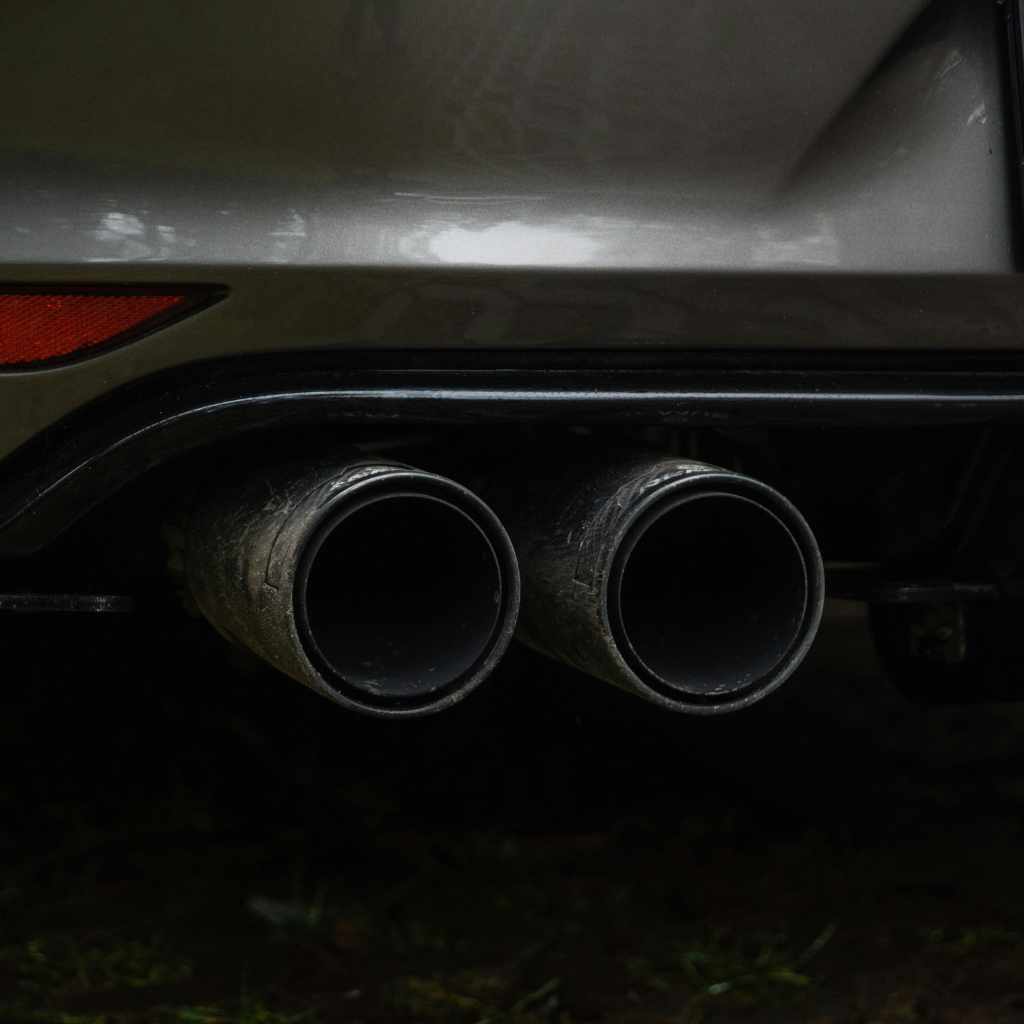
The exhaust tip is more than just decoration; it directs harmful exhaust gases safely away from your vehicle, is crucial for proper system flow (which affects engine performance), and protects the main muffler pipe from visible damage and corrosion.
Welcome! If you’ve ever looked closely at your car’s rear end, you’ve noticed that shiny piece where the smoke finally escapes—that’s the exhaust tip. Many new drivers think it’s just a fancy piece of chrome. But knowing what does an exhaust tip do is key to understanding your car’s health and style. It’s easy to feel overwhelmed when talking about exhaust parts, but I’m here to simplify everything. We will break down its jobs, why choosing the right one matters, and how simple it is to keep it looking great. By the end of this guide, you’ll know exactly why this small part is truly essential.
The Primary Job: Direction and Safety
The most fundamental task of any exhaust component, including the tip, relates to safety. Your engine creates toxic fumes, primarily carbon monoxide, which must be moved far away from the passenger cabin.
1. Directing Harmful Gases
Think of the exhaust tip as the final exit ramp for the hot, toxic gases created when your fuel burns. Without a proper exit point, these gases could back up, reducing engine efficiency or, worse, leaking into the car. The tip ensures these gases are channeled precisely away from the vehicle’s undercarriage and cabin area.
This process is critical for your health. Carbon monoxide is odorless and deadly. While the main exhaust system does the heavy lifting, the tip provides the final, calculated release point. Reputable sources, like the U.S. Department of Transportation’s National Highway Traffic Safety Administration (NHTSA), emphasize the need for fully functional exhaust systems precisely because of these emissions.
2. Muffler Pipe Protection
The exhaust tip often extends past the end of the main muffler pipe. This might seem small, but it offers vital protection. The metal components of the muffler and tailpipe are expensive to replace. The exhaust tip acts as a sacrificial buffer against:
- Road debris kicked up by the rear tires.
- Minor bumps or scrapes when parking.
- Direct exposure to rain and ground moisture, slowing down corrosion on the primary pipe.
The Performance Role: Flow and Backpressure
While the tip isn’t responsible for the main power generation (that’s the engine and catalytic converter’s job), its shape and size absolutely influence how smoothly the exhaust gases leave the system. This is where terms like “flow” and “backpressure” come into play.
Understanding Backpressure
Backpressure is the resistance gases meet as they try to exit the engine. A little backpressure is actually necessary for low-end torque (the pulling power you feel when starting from a stop). Too much backpressure chokes the engine, making it work harder and less efficiently. Too little, especially on certain engine types, can hurt low-speed performance.
How Tip Size Affects Flow
The diameter of the exhaust tip plays a role in the final exit velocity. Generally:
- Stock (Standard) Tips: These are sized by engineers to provide a balanced, quiet performance for everyday driving, maintaining appropriate backpressure for fuel economy and emissions control.
- Larger Aftermarket Tips: Upgrading to a wider tip (often done for looks) slightly reduces backpressure at the very end of the pipe. On a stock engine, the benefit is minimal. However, on a highly modified engine that breathes heavily (like one with performance headers), a larger tip ensures that extra volume of gas can escape instantly, preventing power loss at high RPMs.
If you are just replacing a rusted tip on a standard sedan, focusing on the stock size ensures you maintain the smooth, factory-designed flow characteristics. If you have performance upgrades, matching the tip size to the rest of your system is essential for extracting maximum horsepower.
Aesthetics: The Visual Showcase
Let’s be honest: for many drivers, this is the most visible reason for an upgrade. The exhaust tip is the final accessory visible on the back of your car, much like the wheel style.
Controlling Your Car’s “Voice” and Look
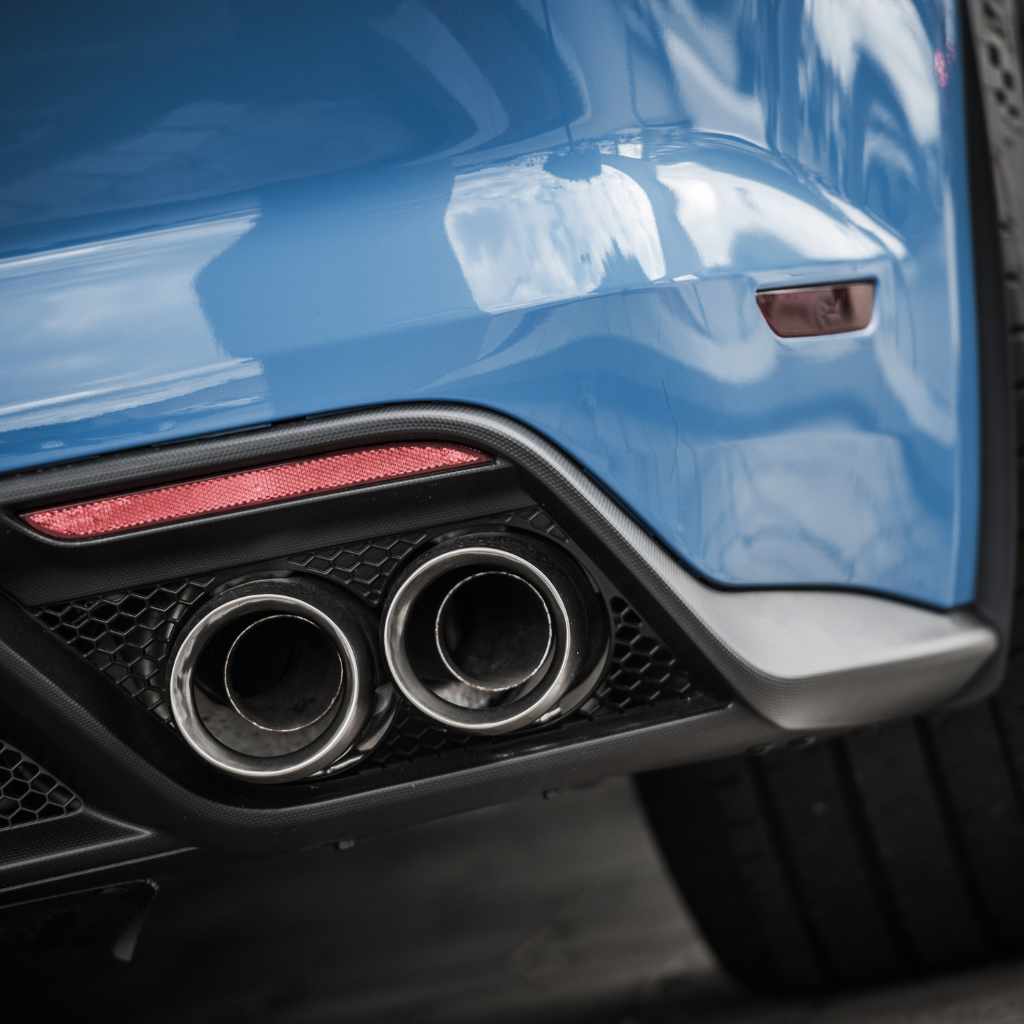
While the muffler dictates the deepness and volume of the sound, the exhaust tip strongly influences the tone and visual finish of the sound being expelled. Chrome tips reflect light, stainless steel tips offer a modern, durable look, and carbon fiber tips are often used for a racing aesthetic.
The shape also contributes significantly to the overall look:
| Tip Style | Visual Effect | Common Use |
|---|---|---|
| Rolled Edge (Double Wall) | Clean, premium, hides raw pipe edge. | Luxury or everyday drivers wanting a refined look. |
| Straight Cut (Single Wall) | Aggressive, sporty, motorsport vibe. | Performance cars, enthusiasts. |
| Angle Cut (Slant Cut) | Classic, tucked neatly under the bumper line. | Trucks and older muscle cars. |
Choosing a style allows you to tailor the rear profile of your vehicle. A simple swap of the tip can dramatically change the perceived personality of your car, often for a much lower cost than replacing the entire exhaust system.
The Material Science: Durability Matters
Exhaust tips deal with extreme heat, corrosive elements (like road salt and acid rain), and constant exposure to the environment. The material they are made from determines their lifespan and how well they resist tarnishing.
Common Exhaust Tip Materials
- Stainless Steel (304 or 409 Grade): This is the workhorse material. It offers excellent resistance to rust and corrosion compared to standard steel. Larger, high-quality aftermarket tips are often T304 stainless for mirror-like finishing and durability.
- Chrome-Plated Steel: Often used on OEM (factory) vehicles or budget replacements. Chrome provides a brilliant shine initially, but if the underlying steel rusts or the chrome plating chips, especially near the welding points, moisture gets in, leading to bubbling and peeling finishes.
- Titanium or Carbon Fiber: Found on very high-end or specialized performance vehicles. They are extremely light and heat-resistant but come at a significant cost premium.
When shopping for a replacement tip, always look at the material grade. A good quality stainless steel tip is a smart investment because it will resist discoloration from heat (sometimes called “bluing”) better than cheaper alternatives. The better the material, the less you have to worry about cleaning and maintenance.
Installation and Replacement: A Beginner’s Project
One of the most appealing aspects of the exhaust tip is that replacement is often a task a beginner can handle with basic hand tools. You are essentially dealing with a clamp or a bolt, assuming the rest of your exhaust system is healthy.
Quick Comparison: Clamp-On vs. Weld-On Styles
When purchasing a new tip, you need to know how it attaches to the existing pipe sticking out from your muffler. This dictates how easy the job will be.
| Attachment Method | Difficulty Level | Pros |
|---|---|---|
| Bolt-On/Clamp-On Tip | Easy (Beginner) | No cutting or welding required; easily removable for cleaning. |
| Weld-On Tip | Moderate (Requires welder) | Most secure, permanent fit; stops vibration noise. |
Step-by-Step Guide: Replacing a Clamp-On Tip
If you have a factory-style clamp-on or slip-on tip, follow these steps. Safety first: Ensure the vehicle is completely cool before touching any exhaust component.
Tools You Might Need:
- Safety glasses and work gloves.
- Penetrating oil (like WD-40) for rusted bolts.
- Socket wrench set or adjustable pliers/channel locks.
- Wire brush or steel wool (for cleaning).
- New exhaust tip sized correctly for your pipe diameter (measured in inches).
The Replacement Process:
- Safety Check: Park on a level surface, engage the parking brake, and wait at least an hour after driving for the exhaust system to cool completely. Put on your safety gear.
- Locate the Clamp/Set Screw: Examine where the old tip attaches to the pipe coming from the muffler. Look for a bolt (set screw) or a large band clamp tightened around the connection point.
- Loosen the Fastener: Using your wrench or socket, carefully loosen the bolt or clamp. If it’s rusted, apply penetrating oil and wait 15 minutes before trying again. Avoid excessive force that might snap the bolt.
- Remove the Old Tip: Once loose, wiggle and pull the old tip straight off the pipe. It might be tight due to heat cycling and rust. If it’s stubborn, a gentle tap with a rubber mallet might help loosen it.
- Clean the Pipe: Use a wire brush or steel wool to clean the exposed end of the tailpipe until it is smooth and free of heavy rust or debris. This ensures the new tip slides on smoothly.
- Install the New Tip: Slide the new exhaust tip onto the pipe, ensuring it is centered and positioned exactly how you want it to look relative to your bumper. Ensure the fastening mechanism (clamp or set screw) aligns with a smooth, unrusted section of the pipe.
- Secure the Tip: Tighten the set screw or clamp firmly. You want it tight enough so the tip won’t rotate or fall off, but do not overtighten clamps, as this can crush the pipe material.
- Final Check: Have a friend briefly run the engine while you stand safely away to check alignment and listen for any immediate leaks or strange noises.
For complex setups involving dual exhausts or if your existing pipe is heavily rusted, consulting a professional mechanic remains the safest path. However, for simple slip-on replacements, this is very manageable.
Maintenance: Keeping That Shine
The value of an exhaust tip is often tied to its appearance. A dull, sooty, or corroded tip detracts from your car’s look. Because these tips are exposed to the hottest exhaust gases, they require specific care.
Dealing with Heat Discoloration (Bluing and Browning)
When stainless steel or chrome gets very hot, the metal oxidizes, causing iridescent colors—usually blue, purple, or brown—to appear. This is normal, especially after hard driving.
For Chrome Tips:
- Use specialized chrome polish. Avoid abrasive cleaners or steel wool, as these scratch the delicate chrome layer.
- For light bluing, try a paste made of baking soda and water, rubbing gently in the direction of the grain.
For Stainless Steel Tips:
- A dedicated stainless steel cleaner and polish are best.
- For harder-to-remove soot, fine-grade (0000) steel wool can sometimes be used very lightly, always moving along the length of the tip, never in circles.
Rust Prevention
If your tip is steel-based, rust is inevitable unless treated. After cleaning off the soot, apply a light coat of high-temperature ceramic coating spray designed for exhaust parts. This provides a barrier against moisture and salt, helping prolong the finish dramatically. You can find more information regarding automotive material strength and longevity through engineering resources like those found at university materials science departments, though for simple car care, sticking to certified automotive products is usually safest.
The “Why Bother?” Question: Weighing the Benefits
If my exhaust isn’t broken, why should I pay attention to the tip? Here are the proven, essential functions summarized against potential aesthetic upgrades.
| Essential Function | Upgrade Benefit | Beginner Takeaway |
|---|---|---|
| Safe Exhaust Gas Dispersion | Minor improvement in flow on high-power engines | Ensures fumes exit vehicle perimeter safely. |
| Muffler Pipe Protection | Improved visual appeal and material choice (e.g., better stainless steel). | Stops physical damage to the more expensive muffler section. |
| System Sealing (Prevents leaks at the exit) | Custom sound tone (though muffler is the main factor). | A poorly fitted tip can sometimes allow exhaust noise to escape right at the end. |
In short, even the smallest, cheapest clamp-on tip fulfills critical safety and protective roles. An aesthetic upgrade merely enhances these functions with better looks and more durable materials.
Addressing Common Misconceptions
Because the exhaust tip is so visible, many incorrect ideas about its function spread among car enthusiasts. Let’s clear up three common myths.
Myth 1: A Bigger Tip Equals More Horsepower on Any Car
This is mostly false for factory-tuned vehicles. Your engine’s computer is calibrated for a specific volume of exhaust flow (which the stock tip supports). Putting a massive tip on a small engine often does nothing visually or performance-wise, and on rare occasions, poorly sized tips (too large or too small for the system volume) can slightly disrupt the necessary exhaust pulse tuning, potentially costing you a tiny bit of power. Performance gains from tips only become noticeable when paired with significant internal engine or header modifications.
Myth 2: Rusting Tips Mean the Whole Exhaust Is Bad
Not true! The exhaust tip is often the thinnest, most exposed piece of metal. It catches dirt, salt, and moisture directly. If your tip rusts out, it usually means the tip needs replacing, not that your entire, much thicker muffler system is failing. Think of it as a replaceable trim piece.
Myth 3: You Can Silence Your Car with Just a New Tip
Completely false. The component responsible for quieting sound (reducing decibels) is the muffler, which uses baffles or sound-absorbing packing materials. The tip only directs sound waves outward and may slightly alter the tone due to its shape, but it cannot silence a loud exhaust.
Frequently Asked Questions (FAQ) for Beginners
Q1: How do I measure my tailpipe so I buy the right size exhaust tip?
A: You must measure the outer diameter (OD) of the pipe that the old tip slips over or clamps onto. Use a set of digital calipers for accuracy, or wrap a string tightly around the pipe, mark where it overlaps, and then measure the string with a ruler. Remember: If you are replacing a slip-on tip, you measure the pipe sticking out of the muffler.