Does A Car Lose Horsepower: Essential Impact
Yes, a car can lose horsepower, but it’s usually not a drastic amount for most everyday driving situations. Factors like age, wear and tear, and exhaust system issues can contribute to a gradual decrease in power over time. We’ll break down the main culprits and what you can do about it.
Taking care of your car can feel like a big puzzle sometimes, right? You might notice your car doesn’t feel quite as peppy as it used to. One question that pops up is: does a car lose horsepower? It’s a common worry for many drivers. Happily, it’s usually a slow process rather than a sudden problem. Understanding what causes this can save you headaches and keep your car running smoothly. This guide will walk you through the common reasons why your car might feel a bit less powerful and, more importantly, what simple steps you can take to address them. Let’s get your car back to feeling its best!
Why Your Car Might Feel Less Powerful
Cars are amazing machines, but like anything, they experience wear and tear. Over time, several components can affect how much power your engine produces. It’s not just one big thing; it’s often a combination of smaller issues that add up. Think of it like a runner getting a bit slower with age – it’s natural, but you can still train them to perform better! We’ll explore the most common reasons:
Engine Health and Maintenance
This is the big one. Your engine is the heart of your car, and if it’s not happy, your car won’t perform its best. Regular maintenance is key to keeping that heart beating strong and delivering all the horsepower it was designed for.
Oil Changes: Clean oil lubricates your engine’s moving parts, reducing friction. Old, dirty oil forms sludge, which increases friction and makes it harder for parts to move freely, costing you power.
Air Filter: An engine needs air to breathe. A clogged air filter is like trying to run with a mask on – it restricts airflow, making the engine work harder and less efficiently.
Spark Plugs: These ignite the fuel-air mixture. Worn-out spark plugs create a weaker spark, leading to incomplete combustion. This means you’re not getting all the power from your fuel.
Fuel Injectors: These spray fuel into the engine. If they get dirty or clogged, they don’t spray fuel evenly or efficiently, affecting how well your engine burns fuel and produces power.
The Exhaust System’s Role
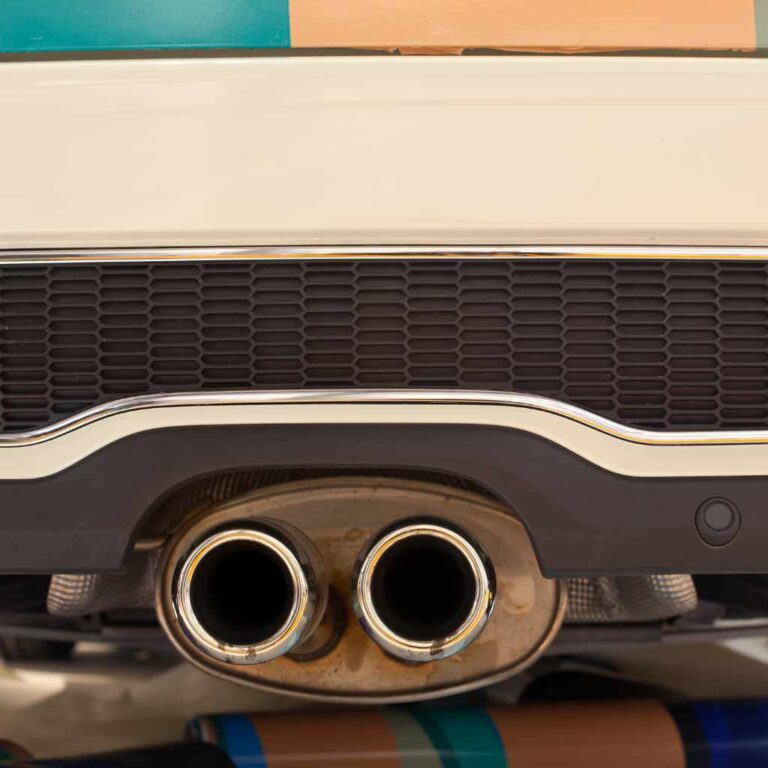
Your exhaust system might not be the first thing you think of when it comes to horsepower, but it plays a crucial role. It’s designed to get rid of burnt gases efficiently. If it’s not doing its job well, your engine can get choked up, losing power.
Imagine trying to exhale after taking a huge breath, but your throat is a little blocked. It’s harder to get all that air out, right? The same happens with an engine and its exhaust.
The Engine Control Unit (ECU)
Your car’s computer, the ECU, manages everything from fuel delivery to ignition timing. If its sensors are giving it bad information or if it’s not programmed optimally, it can lead to reduced performance. Sometimes, modern cars are programmed for fuel economy or emissions, which can slightly reduce peak horsepower compared to older models.
Weight and Aerodynamics
While not a direct engine issue, extra weight or poor aerodynamics can make your car feel like it’s losing horsepower. Hauling around extra stuff or having parts that create a lot of drag means your engine has to work harder to achieve the same speed.

The Essential Impact of Exhaust System Issues on Horsepower
Your exhaust system is like the highway for your engine’s waste gases. If this highway has traffic jams, detours, or is just poorly designed, your engine’s performance suffers. A well-functioning exhaust system is crucial for maximizing horsepower.
Backpressure: The Silent Power Killer
Backpressure is the resistance to the flow of exhaust gases. While a tiny bit of backpressure is needed for some engine designs (especially older ones), too much is a horsepower killer.
What creates too much backpressure?
Clogged Catalytic Converter: This is a common culprit. The catalytic converter cleans up emissions but can become clogged with soot and debris over time, severely restricting exhaust flow.
Crushed or Restricted Muffler: Mufflers are designed to quiet the exhaust, but their internal baffles can break down or get plugged, creating a bottleneck.
Kinked or Damaged Exhaust Pipes: Any physical damage that narrows the pipe’s diameter will increase backpressure.
How it affects horsepower: When exhaust gases can’t escape easily, they build up in the engine cylinders. This prevents the engine from filling with a fresh charge of air and fuel as effectively, leading to less power with each combustion cycle. Think of it like trying to quickly refill a glass of water from a jug with a tiny opening – it takes longer and you can’t fill it as much each time.
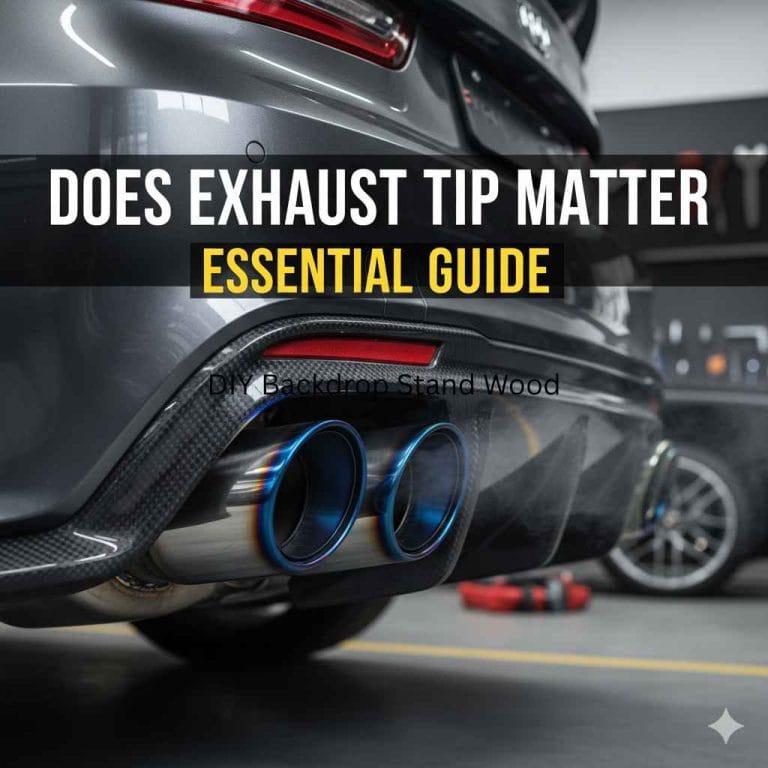
Are You Asking: “Does A Car Lose Horsepower If Exhaust Tip Is Off?”
Generally, if just the exhaust tip is missing, it’s unlikely to cause a significant loss of horsepower. The main job of the exhaust system in terms of power is handled by the pipes, catalytic converter, and muffler. The tip is mostly for aesthetics and directing the exiting gases.
However, there are a couple of very minor, indirect ways it could theoretically lead to a slight loss:
1. Tiny Reduction in Backpressure: If the rest of the system is perfectly healthy, removing the tip might slightly reduce the overall backpressure. For modern, efficient engines, this slight difference is usually negligible. For some older or performance-tuned engines, a very specific amount of backpressure can be beneficial. Removing the tip could theoretically disrupt that delicate balance, though the impact is likely immeasurable in real-world driving.
2. Environmental Factors: An open exhaust tip could allow more water or debris to enter the exhaust piping prematurely. Over a long period, this could contribute to corrosion or blockage further up the system, but this is highly unlikely to be an immediate cause of lost horsepower.
So, for the common question, “Does a car lose horsepower if exhaust tip is off?”, the answer is almost always no, not in any noticeable way. The critical components for horsepower are much further upstream.
Other Factors Contributing to Horsepower Loss
Beyond engine health and the exhaust system, other elements can also lead to a feeling of reduced power.
Sensors and the Fuel System
Modern cars rely heavily on a network of sensors to tell the ECU what’s going on. If one of these sensors fails or sends incorrect data, the ECU might adjust engine parameters in a way that sacrifices power.
Oxygen Sensors (O2 Sensors): These monitor the amount of oxygen in the exhaust. Incorrect readings can cause the ECU to adjust the fuel mixture, leading to poor performance.
Mass Airflow (MAF) Sensor: This measures how much air is entering the engine. A dirty or faulty MAF sensor can send wrong data, affecting the fuel-air mixture.
Fuel Pump: If the fuel pump isn’t delivering fuel at the correct pressure and volume, the engine won’t get enough fuel to produce its full power, especially under load.
Transmission and Drivetrain Issues
Your transmission and other drivetrain components are responsible for getting power from the engine to the wheels. Any problems here can feel like a loss of horsepower.
Slipping Transmission: If your automatic transmission is starting to slip, it means some of the engine’s power is being lost as heat rather than being sent to the wheels.
Worn CV Joints or U-Joints: These components allow your wheels to turn and move. If they are worn, they can create drag and reduce efficiency.
Low Gear Oil/Incorrect Fluid: Like engine oil, transmission fluid needs to be at the right level and condition to allow components to move smoothly.
Age and Wear and Tear
Even with perfect maintenance, components simply wear out over time.
Engine Wear: As an engine ages, piston rings, cylinder walls, and valve seals wear down. This can lead to reduced compression, which is a direct measure of an engine’s efficiency and power-producing ability. You can learn more about engine compression testing on resources like the National Highway Traffic Safety Administration (NHTSA) website, which covers general vehicle safety and maintenance principles.
Reduced Fuel Quality: Over many years, the quality of gasoline can degrade if stored improperly, although this is less common with freshly purchased fuel.
General Component Degradation: Rubber hoses can crack, seals can shrink, and other parts can degrade, leading to minor leaks or inefficiencies that accumulate.
How to Maintain Horsepower: A Simple Guide
The good news is that most horsepower loss can be prevented or reversed with good, regular maintenance. You don’t need to be a master mechanic to make a big difference!
Regular Maintenance Schedule
This is the most important thing you can do. Follow your car’s owner’s manual for recommended service intervals.
Oil Changes: Stick to the recommended mileage or time intervals.
Air Filter Replacement: Check it regularly and replace it when it looks dirty.
Spark Plug Replacement: Follow the manufacturer’s schedule, as new plugs make a noticeable difference.
Fuel Filter: A clean fuel filter ensures your engine gets clean fuel.
Coolant Flushes: Overheated engines don’t perform well.
Listen to Your Car
Your car will often tell you when something is wrong. Pay attention to:
Unusual noises: Rattles, hisses, or knocking sounds can indicate problems.
Warning lights: Don’t ignore the check engine light! It’s there for a reason.
Changes in performance: If your car feels sluggish, takes longer to accelerate, or your fuel economy drops suddenly, it’s time to get it checked.
Inspect Your Exhaust System
This is where my expertise really shines! A quick visual inspection can tell you a lot.
Look for rust and holes: Especially on pipes and the muffler. Small holes can leak exhaust gases, affecting performance and sound.
Check for hanging or loose parts: A damaged exhaust can rattle and create further problems.
Listen for leaks: You might hear a “puffing” sound from near the engine if there’s a leak in the exhaust manifold or front pipes. For more on exhaust system components, you can check out resources from reputable automotive repair sites, like those offered by the National Institute for Automotive Service Excellence (ASE).
Fuel System Cleaning
Occasionally, using a good quality fuel system cleaner added to your gas tank can help clean out deposits from fuel injectors and combustion chambers.
Don’t Overload
Avoid carrying unnecessary heavy items in your car. Added weight makes your engine work harder.
When to Seek Professional Help
While many maintenance tasks are beginner-friendly, some issues require a mechanic’s expertise.
Check Engine Light is On: This light indicates a problem detected by your car’s computer. A mechanic has the tools to read the specific fault codes.
Significant Performance Drop: If your car feels dangerously weak or unresponsive.
Exhaust System Damage: If you suspect major damage, leaks, or a clogged catalytic converter.
Transmission Issues:** Problems with how your car shifts gears.
Common Misconceptions About Horsepower Loss
It’s easy to get the wrong idea about car performance. Let’s clear up a few common myths:
Myth: All cars naturally lose a lot of horsepower as they age.
Reality: While some wear is inevitable, significant horsepower loss is usually a sign of underlying maintenance issues, not just age. A well-maintained older car can still have strong performance.
Myth: Adding a bigger muffler or exhaust tip will automatically give more horsepower.
Reality: It’s not that simple. For most cars, a stock exhaust system is well-balanced. Changing just parts of it can sometimes hurt performance if not done correctly to manage backpressure and flow.
Myth: A car must lose horsepower if you use regular gas instead of premium.
Reality: This is only true for cars specifically designed and tuned for premium fuel. For most cars, using regular gas is perfectly fine, and the engine’s computer will adjust to prevent issues. Using premium in a car designed for regular won’t give you more power.
Table: Common Causes of Horsepower Loss and Their Effects
To help you visualize the issues, here’s a quick table summarizing the main causes of horsepower loss.
| Cause | How it Affects Horsepower | Example Scenario | Fix Level |
|---|---|---|---|
| Clogged Air Filter | Restricts airflow, engine can’t “breathe” properly, leading to less power. | Car feels sluggish, especially when accelerating hard. | Easy DIY |
| Worn Spark Plugs | Weak spark causes incomplete fuel burn, wasting energy and power. | Engine misfires, rough idle, reduced acceleration. | Easy DIY |
| Clogged Catalytic Converter | Creates excessive backpressure, “choking” the engine. | Significant power loss, especially at higher speeds; check engine light may appear. | Professional Repair |
| Old Engine Oil | Increased friction between engine parts, making it work harder. | Subtle power loss, increased engine noise, reduced fuel efficiency. | Easy DIY |
| Faulty O2 Sensor | Incorrect fuel-air mixture adjustments by the ECU. | Poor fuel economy, rough running, check engine light. | Professional Repair |
| Low Compression | Engine cylinders can’t hold pressure effectively, reducing combustion efficiency. | Noticeable power loss, difficult starting, even at higher mileage. | Major Engine Repair/Overhaul |

Frequently Asked Questions (FAQ)
Here are some common questions beginners have about horsepower loss.
Q1: How much horsepower does a car typically lose over 100,000 miles?
It varies greatly depending on the car’s make, model, and how well it was maintained. A generally healthy car might lose around 5-10% of its original horsepower due to wear and tear. However, a poorly maintained car could lose much more, while a meticulously cared-for one might lose very little.
Q2: Can a dirty car wash really affect my car’s horsepower?
A dirty car exterior itself doesn’t directly affect engine horsepower. However, if you’re referring to dirt getting into the engine bay or air intake during washing, that could potentially cause minor issues if not done carefully. Stick to cleaning the exterior panels where it’s safe.
Q3: If my car feels less powerful, is it always the engine?
Not necessarily. While the engine is usually the primary suspect, issues with the transmission, fuel delivery system, or even factors like underinflated tires can make your car feel less powerful because they reduce the efficiency of getting power to the road.
Q4: Does exhaust leak always mean lost horsepower?
A small exhaust leak, especially further down the system (like a tiny hole in a tailpipe), might not cause significant horsepower loss. However, leaks closer to the engine, such as from the exhaust manifold, can create backpressure issues and disrupt the readings for sensors like the O2 sensor, definitely leading to power loss and poor engine performance.
Q5: Is it worth fixing an old car that has lost a lot of horsepower?
That depends on the cost of repairs versus the car’s value and your attachment to it. If the loss is due to simple maintenance like a new air filter or spark plugs, it’s definitely worth it. If it requires major engine work, you’ll need to weigh the expenses against the car’s worth.
Q6: Can I check my car’s horsepower myself?
You can’t easily measure your car’s exact horsepower at home. This requires a dynamometer, often found at performance shops. However, you can certainly feel* when your car is performing below its best. Simple maintenance like changing air filters and spark plugs will often restore a noticeable amount of lost “feel” for power.
Conclusion
Understanding if your car loses horsepower is important for keeping it running at its best. The good news is that much of the power loss we experience isn’t a mysterious curse but rather a result of components that need a little attention. Regular maintenance, from simple oil changes and air filter replacements to keeping an eye on your exhaust system for leaks or blockages, is your best defense against losing that lively feel in your ride.
By addressing issues like clogged air filters, worn spark plugs, and ensuring your exhaust system can breathe freely, you’re not just restoring lost power; you’re also improving your car’s fuel efficiency and longevity. Listen to your car, perform routine checks, and don’t hesitate to consult a trusted mechanic when you suspect a more significant problem. Keeping your car in good shape means keeping it enjoyable and reliable for every journey. Happy driving!