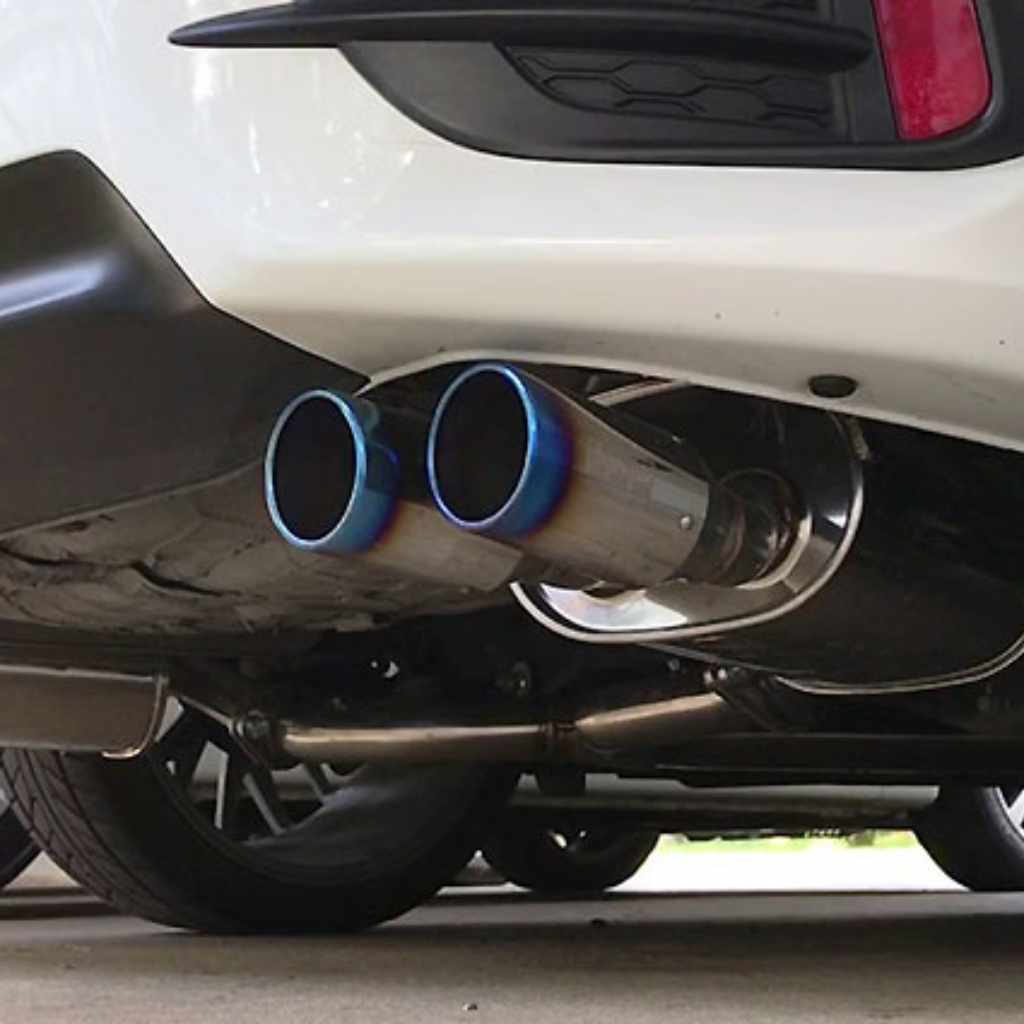
Do You Lose Torque With Bigger Exhaust Pipe? Essential Proof
Generally, going too big on your exhaust pipe diameter can reduce low-end torque, especially on smaller, naturally aspirated engines. Proper sizing is key; the goal is maximizing exhaust gas velocity, not raw pipe size. For most daily drivers, a slightly larger, high-flow pipe improves horsepower without sacrificing usable street torque if matched correctly to the engine.

As an Amazon Associate I earn from qualifying purchases.
Upgrading your car’s exhaust system is exciting. You want that great sound and perhaps a little extra pep in your step. But a common worry pops up like a stubborn bolt: Does using a bigger exhaust pipe hurt my low-end power? It’s a frustrating question because the internet is full of conflicting advice. Some say bigger is always better, while others warn of sluggish performance.
Don’t worry! You don’t need a physics degree to figure this out. As your friendly guide to all things exhaust, I’m here to break this down simply. We will look at the science behind exhaust flow and give you the proof you need to choose the right size for your vehicle. Let’s clear up the mystery so you can upgrade with confidence.
The Core Concept: Why Pipe Size Matters for Torque
When we talk about exhaust pipe size, we are really talking about exhaust gas velocity. Think of your engine like a powerful pump pushing out used air (exhaust gases) after combustion. This air needs to escape quickly and efficiently.
Torque, that feeling of being pushed back into your seat during acceleration, relies heavily on getting those exhaust gases out fast at lower engine speeds (RPMs).
Understanding Exhaust Scavenging
The magical word in exhaust tuning is scavenging. This isn’t about cleaning up trash; it’s a performance trick. When exhaust pulses leave a cylinder, they create a vacuum or low-pressure wave behind them. If your pipe size is just right, this vacuum wave can actually help pull the next batch of exhaust gases out of the next cylinder before it fully finishes its cycle.
This pulling action—scavenging—improves efficiency, which directly boosts torque at specific RPM ranges.
The Velocity vs. Diameter Trade-Off
Here is where the “losing torque” debate comes from. It centers on how diameter affects speed (velocity):
- Pipe Too Small: Gas velocity gets too high, creating too much back pressure. The engine has to struggle to push the gases out, robbing power, especially at high RPMs.
- Pipe Too Big: Gas velocity drops too low. The exhaust gases essentially slow down and pile up, increasing overall drag and creating a weak vacuum wave. This lack of effective scavenging hurts low-end torque because the engine isn’t breathing out efficiently when you need it most (like pulling away from a stoplight).
For most daily driving conditions, which happen between 1,500 and 3,000 RPM, maintaining good velocity is crucial for smooth throttle response—i.e., torque.
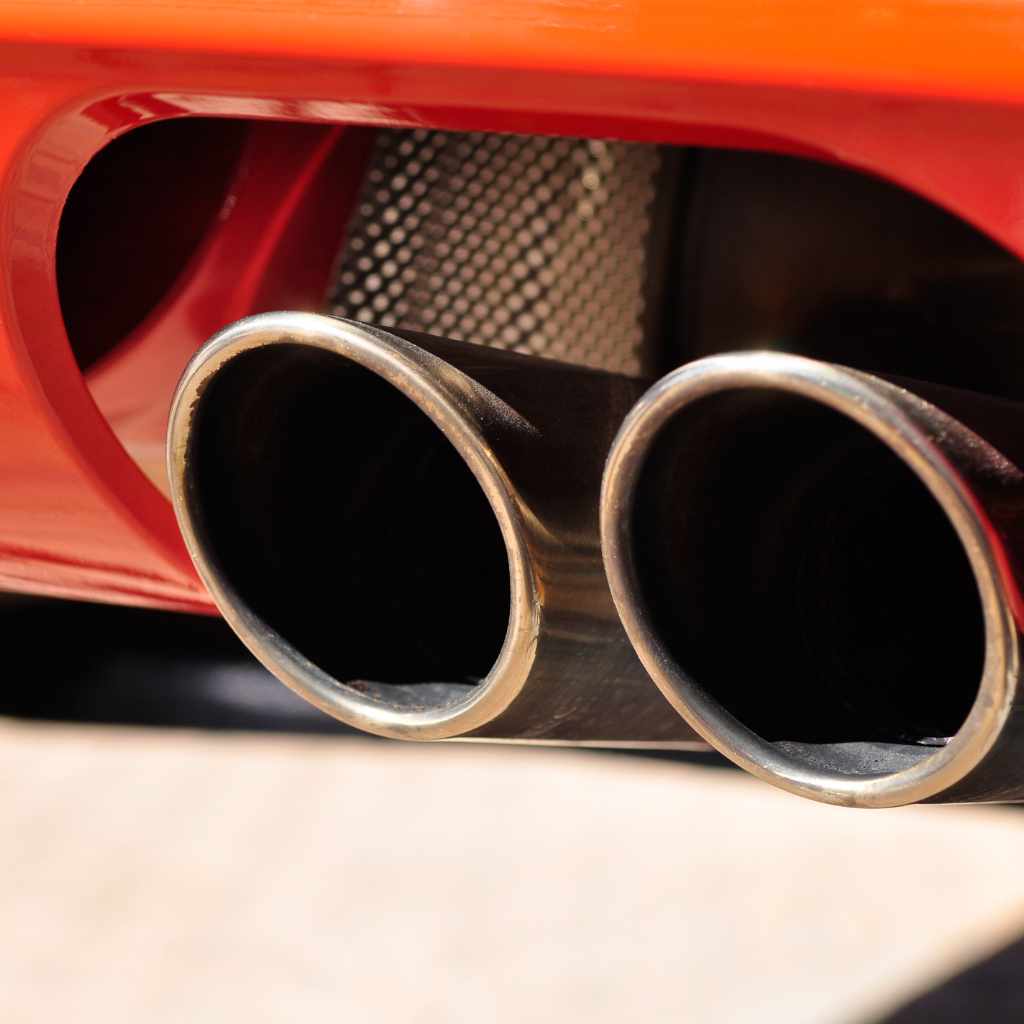
The Proof: Engine Size and Expected Results
There is no single universal “best” pipe size. The correct size depends almost entirely on two things: the volume of air your engine moves (displacement) and whether it uses a turbocharger.
You can find excellent engineering guidance on fluid dynamics, which governs exhaust flow, from resources like those provided by industrial engineering standards groups, though specific automotive application charts are heavily tested by manufacturers. For instance, understanding flow requirements is similar to how large industrial piping must be sized for safe pressure management, as detailed in many pipe flow capacity calculators.
Naturally Aspirated Engines (Non-Turbo)
These engines rely purely on atmospheric pressure to help fill the cylinders. Balancing the exhaust pulse velocity is critical for midrange torque.
Table 1: Recommended Exhaust Pipe Diameters for Torque vs. Horsepower
| Engine Displacement (Liters) | Primary Goal: Max Torque (Smaller Diameter) | Primary Goal: Max Horsepower (Larger Diameter) |
|---|---|---|
| 1.6L – 2.0L (4-Cylinder) | 2.0″ – 2.25″ | 2.25″ – 2.5″ |
| 2.5L – 3.5L (V6/V8 Small) | 2.25″ – 2.5″ | 2.5″ – 2.75″ |
| 4.0L+ (V8 Large/Performance) | 2.5″ – 2.75″ | 2.75″ – 3.0″+ |
What the table shows: If you take a small 2.0L engine and slap a 3.0-inch exhaust on it, the exhaust gases slow down drastically at low RPMs. This loss of velocity means the engine struggles to push out spent gases effectively, leading to a noticeable sag in torque right when you need to accelerate from a stop. You might gain a tiny bit more peak horsepower up high, but the street driveability suffers. This is the proof that “bigger does not always equal better” for torque.
Turbocharged Engines: A Different Story
Turbocharged engines operate under much higher exhaust pressure because the turbocharger turbine is physically restricting the flow to build boost. In these systems, exhaust restriction (back pressure) is the true enemy of horsepower and torque across the board.
For most turbocharged setups, going slightly bigger than stock (usually 2.5 inches to 3.0 inches on smaller turbos, or 3.0 inches plus on larger ones) is almost always beneficial.
- Why? The turbocharger itself manages the necessary velocity and scavenging effects before the gases reach the main pipe. The primary job of the downpipe and exhaust after the turbo is simply to get the high volume of hot, fast-moving gas out of the system as quickly as possible without creating pressure spikes that inhibit the turbo from spinning up.
- Rule of Thumb for Turbos: Always aim for the smoothest, least restrictive path post-turbo. Torque loss due to pipe size is far less of a concern here unless the pipe is truly massive (e.g., 4 inches on a small Honda Civic turbo).
The Science of Back Pressure vs. Velocity
To truly understand the proof, we must separate back pressure and velocity. They are neighbors, but not the same thing.
Back Pressure
This is the resistance gases meet trying to leave the tailpipe. Too much back pressure restricts the engine’s ability to fill the cylinder with fresh air and fuel mixture on the intake stroke. Every component—bends, resonators, mufflers, and the pipe diameter itself—contributes to back pressure.
Velocity
This is how fast the gases are moving through the pipe. High velocity keeps the exhaust pulses tightly packed, creating that scavenging effect that draws out spent gases. Low velocity causes the pulses to spread out, reducing suction.