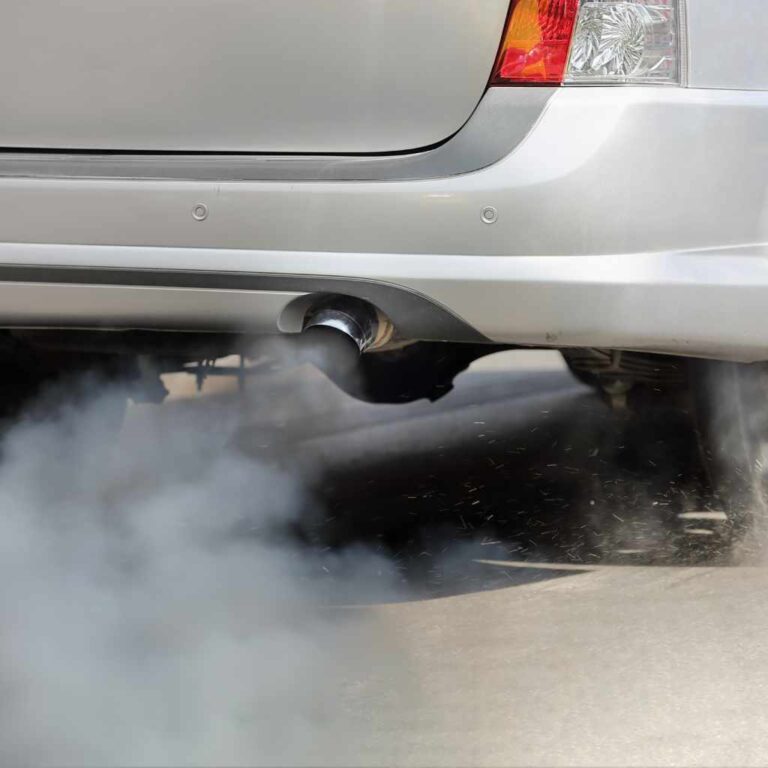
Do I Need Silicone For Exhaust Pipe? Essential Guide
Generally, no, you do not need high-temperature silicone sealant for standard exhaust pipe joints secured by clamps or bolts. Factory systems rely on metal-to-metal connections. However, specialized exhaust putty or sealant is necessary when repairing small cracks, sealing temporary slip-fit joints, or replacing a gasket that is no longer available. Always use products rated for extreme heat.**
Share Goo
2Set ShareGoo Exhaust Pipe Tubing,Silicone Exhaust Extension…
- Compatible with HSP Redcat Lightning Tornado Volcano S30 1/10 nitro monster truck car
- Made of quality silicone.
- Used to connect RC exhaust pipes.
As an Amazon Associate I earn from qualifying purchases.
Have you ever looked at your car’s exhaust system and wondered how all those pipes manage to connect so tightly? It’s easy to think that a gooey substance, like silicone, holds everything together. This question—”Do I need silicone for exhaust pipe?”—comes up often, especially when you are fixing a leak or replacing a rusted section. It can be frustrating trying to figure out which materials are safe for something that gets incredibly hot.
The truth is, most modern exhaust systems rely on strong, heat-resistant metal connections like clamps, flanges, and gaskets. However, knowing when that special, high-temperature automotive sealant is the right tool can save you a headache (and a potential leak). As your automotive guide, I’m here to simplify this. We will explore exactly what materials your exhaust needs, when standard silicone is a big no-no, and how to use sealant safely when you truly need it. Let’s dive in and make your exhaust maintenance crystal clear!
Understanding Exhaust Pipe Connections: The Basics
Before we talk about sealants, we must understand how exhaust pipes are normally held together. Your exhaust system faces intense heat and constant vibration, so it needs robust, reliable connections.
The Three Main Methods of Pipe Joining
Most professional exhaust installations utilize one of these secure methods:
- Slip-Fit Joints (Friction Fit): These are pipes designed to slide one inside the other. They rely on a tight fit, often reinforced by a strong external clamp (like a band clamp or U-bolt clamp) to maintain pressure and prevent leaks.
- Flange Joints: These connections involve two flat metal plates bolted together. A specialized gasket sits between the flanges, designed to crush slightly and fill any microscopic gaps under the extreme pressure of the bolts.
- Welded Joints: In factory systems or high-performance aftermarket parts, pipes are often permanently joined by welding. This is the strongest and most leak-proof method available.
Why Standard Silicone Is Hazardous
When we talk about “silicone,” most people think of the common household or bathroom sealant. This is where the danger lies.
Standard silicone sealants break down rapidly when exposed to the high temperatures generated by an exhaust system. These temperatures can easily exceed 1000°F (538°C) near the engine manifold.
If you use regular silicone near hot exhaust components, these are the risks:
- Meltdown and Failure: The silicone will melt, burn, or turn into brittle ash, causing the seal to fail instantly.
- Toxic Fumes: Burning silicone releases noxious, foul-smelling, and potentially toxic fumes into the atmosphere, which can enter your cabin if the seal fails in the wrong spot.
- Fire Hazard (Extreme Cases): While rare in standard underbody applications, extreme overheating combined with flammable breakdown products can pose a minor risk.
Key Takeaway: Never use standard, room-temperature silicone sealant anywhere close to components that regularly operate over 300°F.
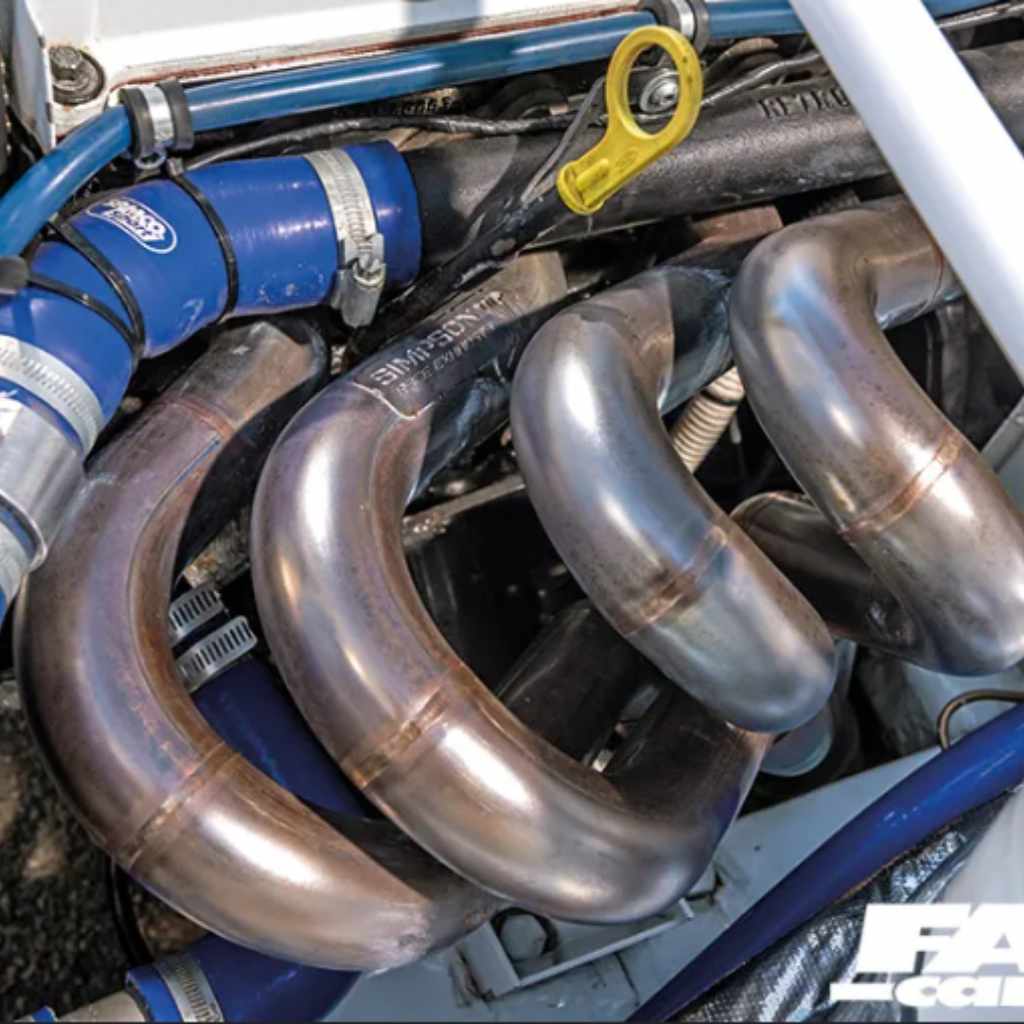
When You Might Need Sealant: Specialized High-Temp Products
While clamps and gaskets do the heavy lifting, there are a few specific situations where an automotive-grade sealant or putty is highly recommended, or even required, for a lasting repair. These products are specially formulated with inorganic compounds that resist extreme heat.
1. Sealing Temporary Slip-Fit Connections
If you are installing a new muffler or piece of piping that uses a slip-fit connection (one pipe sliding over another), you might notice a slight gap or hear a faint puffing sound even after tightening the clamp. This is common when replacing older parts that no longer fit perfectly together.
In this case, an exhaust paste or cement is very useful. It acts as a sacrificial filler that hardens when the exhaust gets hot, temporarily sealing minor leaks until the next repair.
2. Repairing Small Cracks and Pinholes
If you don’t have welding equipment, specialized exhaust repair putty can fix small cracks or pinholes in the muffler body or a non-critical section of pipe. These putties are thick and designed to be smeared over the damaged area. When cured by heat, they form a durable, heat-resistant patch.
3. Replacing Gaskets That Are No Longer Sealing
Sometimes, older flange connections warp slightly, or you simply cannot find the exact, perfect replacement gasket. Applying a thin layer of high-temperature RTV silicone specifically designed for exhaust flanges before bolting the two surfaces together ensures that those hard-to-reach spots are sealed against combustion gases.
Choosing the Right Product: Sealants vs. Pastes vs. RTV
The term “silicone for exhaust” is often used casually, but automotive repair uses several distinct, heat-tolerant products. Understanding the difference helps you choose the correct tool for the job.
Table 1: Comparing Exhaust Sealing Products
| Product Type | Primary Use | Typical Heat Resistance | Application Notes |
|---|---|---|---|
| Exhaust Paste/Cement | Sealing slip joints and small leaks before clamping. | Up to 2000°F (1093°C) | Hardens quickly when exposed to heat. Often messy. |
| Exhaust Repair Putty/Wrap Kit | Patching cracks, holes, or rusted-out sections. | Up to 1500°F (815°C) | Requires thorough cleaning of the patch area. Sets over time. |
| High-Temperature RTV Silicone | Sealing flange faces or areas where gaskets might fail. | Up to 600°F (316°C) continuous, higher intermittent. | Must be specifically labeled “Exhaust Flange Sealant.” It remains somewhat flexible. |
| Standard (Room Temp) Silicone | Household/bathroom sealing (NEVER use on exhaust). | Under 300°F (149°C) | Will fail, smoke, and degrade rapidly near exhaust heat. |
Focusing on High-Temp RTV Silicone (Exhaust Grade)
If the product you are looking at explicitly says “RTV Silicone” and is rated for high temperatures (look for 600°F continuous rating), it is generally safe for gaskets and flange mating surfaces. RTV stands for Room Temperature Vulcanizing, meaning it cures when exposed to air at normal temperatures before the engine heats it up. Ensure the label specifies its use on exhaust manifolds, catalytic converters, or headers.
For more information on the materials used in exhaust construction and repair, resources from organizations like the SAE International (Society of Automotive Engineers) can provide deeper technical context on material stresses, though their documentation is often quite detailed.
Step-by-Step: How to Use Exhaust Paste or Putty Safely
When you decide that a heat-resistant sealant is necessary to stop a leak in a slip-fit connection, proper preparation is the absolute key to success. A poorly prepped surface will cause the sealant to blow out almost immediately.
Tools You Will Need:
- Safety Glasses and Gloves (Essential!)
- Wire brush or abrasive pad
- Brake cleaner or strong degreaser
- The high-temperature exhaust paste or putty
- The clamp or fastening mechanism you will use
The Preparation Process (Do Not Skip This!)
Preparation accounts for 90% of a successful exhaust sealant job.
- Safety First: Ensure the vehicle has cooled completely. Exhaust components retain heat for a very long time. Wear gloves and eye protection.
- Disassemble and Clean: Separate the two pipe sections that need sealing. You must remove all rust, dirt, oil, and old sealant residue from both the inner surface of the outer pipe and the outer surface of the inner pipe. Use the wire brush aggressively.
- Degrease Thoroughly: Spray the cleaned metal surfaces liberally with brake cleaner. Wipe them totally dry. Any oil or grease will prevent the compound from bonding correctly. The metal should look clean, dull gray, and feel slightly rough (this roughness aids adhesion).
- Inspect for Fit: Reinsert the pipes to ensure they fit snugly. If there is a large gap (more than 1/8th of an inch), the clamp alone will likely fail, and you need a new pipe segment, not just sealant.
Applying the Sealant/Paste
If you are using a paste or sealing a slip joint:
- Apply a generous, continuous bead of the high-temp paste to the outer surface of the inner pipe—the section that slides into the larger pipe. You need enough so that when the pipes push together, the paste squeezes slightly out of the seam.
- Slide the outer pipe over the inner pipe carefully.
- Wipe off the excess paste that oozes out of the outside junction with a damp rag—this helps manage the mess, but leaving a small bead is fine.
- Install the appropriate clamp (band clamp or U-bolt) immediately over the joint. Tighten the clamp securely according to the manufacturer’s specifications. The clamp provides the necessary crushing force for the paste to set correctly.
Curing Time Matters
This is crucial. Unlike standard repairs where you can often drive away immediately, exhaust pastes and putties require curing time before using the vehicle. Consult the product label, but generally:
- Allow the applied repair to “air cure” for several hours (sometimes overnight) before attempting to start the engine.
- After starting, drive gently for the first 10–15 minutes. Loud backfiring or excessive throttle use too early can blow the soft sealant out before it fully hardens with heat.
Step-by-Step: How to Use Exhaust Paste or Putty Safely
When an Exhaust Gasket Is the Only Answer
For bolted connections, like where the exhaust manifold meets the engine block or where the catalytic converter bolts to the downpipe, you must prioritize the gasket.
The Role of the Gasket
Exhaust gaskets are precision-engineered components made from materials like graphite, composite fibers, or multi-layer steel (MLS). Their job is to absorb vibrations and minute surface imperfections between the two solid metal flanges when they are bolted together. They provide a reliable, tight seal under sustained pressure and heat.
Why Sealant Fails on Flanges
If you try to use thick paste or RTV silicone between properly machined, flat flanges that are supposed to use a gasket:
1. The RTV may not be strong enough to handle the clamping force of the bolts and will squeeze out entirely—taking the seal with it.
2. If you layer RTV over a gasket, the gasket may not seat properly, leading to an uneven seal that fails faster than if you had used nothing at all.
The Exception: Minor Gasket Face Gaps
If you have replaced an old gasket with a new one, and you notice minor weeping or smell exhaust fumes from a corner, you can use a very thin smear of high-temp exhaust RTV on top of the new gasket to fill in any tiny imperfections. Remember: the gasket does the work; the RTV is just insurance for imperfections.
Is DIY Exhaust Repair Safe?
Working under a vehicle, especially near the exhaust system, requires careful attention to safety. Your exhaust system carries extremely hot gases and corrosive byproducts.
Safety Checks Before You Begin
As an automotive guide, I always stress these points for home mechanics:
- Cool Down Time: Let the car sit for at least two hours after driving before touching any exhaust component. Use your hand to feel the temperature of the pipe near the repair area—if it’s warm, wait longer.
- Secure Lifting: If you must raise the car, use sturdy jack stands rated for the car’s weight. Never rely solely on a hydraulic jack. Consult your vehicle manual for designated lift points.
- Ventilation: If you start the engine briefly to “test a seal,” do so outside or ensure massive airflow. Never run the engine in an enclosed garage.
- Corrosion Check: Exhaust systems rust from the inside out. If the pipe is heavily rusted near the repair area, the clamp or sealant will not hold, as it won’t have solid metal to grip. In this case, replacement is the only permanent fix.
Performance Considerations
A small leak isn’t just noisy; it can affect performance, especially near the oxygen sensors or catalytic converter.
A leak before the catalytic converter or oxygen sensors can introduce fresh air into the exhaust stream. The sensors read this as the engine running lean, which causes the Engine Control Unit (ECU) to dump more fuel, potentially hurting fuel economy and damaging the catalytic converter over time. Sealing these upstream leaks quickly is important for engine health.
Maintenance Tips to Reduce the Need for Sealants
The best way to avoid needing sticky, messy sealants is to maintain the existing connections correctly.
Proper Clamp Tightening
When dealing with slip joints secured by clamps (many aftermarket mufflers use these), the clamp must be tightened correctly.
- If using a band clamp, ensure it seats evenly around the circumference of the joint. Over-tightening one side can cause the pipe to ovalize, creating an uneven seal even before you add paste.
- If using a U-bolt clamp, ensure the bolt tightens the outer pipe onto the inner pipe evenly.
Regular Inspection
Make it a habit to look under the car every few months, especially after driving on rough roads or through deep water:
- Listen for any new hissing or puffing sounds, especially when first starting the car when it’s cold.
- Look for black soot trails around joints. Soot indicates hot exhaust gas has been blowing out through a gap for a while. A soot trail means the joint needs attention—either tightening or replacement—before the leak gets too large for paste to handle.

Frequently Asked Questions (FAQ) About Exhaust Sealants
Q1: Can I use regular black silicone caulk for a small muffler leak?
A: Absolutely not. Regular silicone caulk cannot handle exhaust temperatures. It will burn, melt, turn to ash, and the leak will immediately return, often producing unpleasant smoke.
Q2: How long does exhaust paste take to dry before I can drive my car?
A: Standard exhaust pastes need time to air cure before heat sets them fully. Most manufacturers recommend letting the repair sit for 2 to 24 hours before starting the engine. Once running, drive gently for the first 15 minutes.
Q3: What is the best material to use when connecting two new exhaust pipes that slide together?
A: The best material is a high-temperature exhaust paste or cement applied liberally to the inner pipe, combined with a properly tightened band clamp or U-bolt clamp. The clamp provides the pressure; the paste fills the microscopic gaps.
Q4: If my exhaust header flange is leaking, should I use RTV or just replace the gasket?
A: Always replace the gasket first. If the flange surfaces are perfectly flat and you are using a high-quality gasket, no extra sealant is needed. Only apply a very thin film of high-temp RTV to the new gasket if you suspect surface imperfections on older components.
Q5: Will using exhaust putty affect my oxygen sensor readings?
A: If you apply the putty correctly to an external joint behind the oxygen sensor, it generally won’t affect readings. However, if the leak is forward of the sensor, the external air entering the exhaust stream can cause false lean readings, making your car run poorly.
Q6: Is exhaust sealant a permanent fix?
A: No. Exhaust sealants (pastes, putties) are temporary or supplementary fixes for small leaks, scratches, or non-critical slip joints. They are not a substitute for welding or replacing heavily rusted or damaged pipes. A permanent, professional fix eventually requires welding or component replacement.
Conclusion: Making the Right Call on Exhaust Sealants
It’s clear that the simple answer to “Do I need silicone for exhaust pipe?” is usually “No, you need metal clamps, bolts, and proper gaskets.” Modern exhaust design wisely avoids relying on chemical seals to handle the intense heat and vibration generated by your engine.
Related pick: Check today's price on Amazon