Do They Make Custom Exhaust Pipes For Harleys: Proven Best
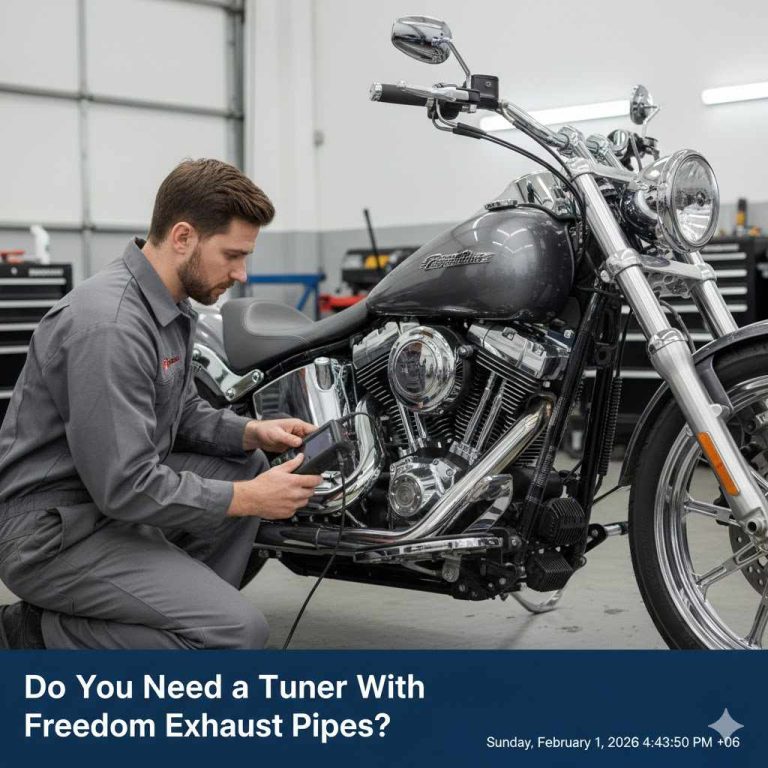
Yes, they absolutely make custom exhaust pipes for Harleys! In fact, customizing your Harley exhaust is one of the most popular upgrades owners pursue. You can order completely custom systems or heavily modify stock setups to achieve the exact sound, look, and performance boost you want for your specific Harley-Davidson model.

RemTune
90 Degree 3" (76mm) 304 Stainless Steel…
- RAW FABRICATION COMPONENTS: These are individual unwelded pie cut sections intended for custom fabrication projects. They require…
- PREMIUM 304 STAINLESS STEEL CONSTRUCTION: Crafted from AISI 304 stainless steel for exceptional strength, corrosion resistance, an…
- TIGHT RADIUS 90 DEGREE CUT — MAXIMUM FLOW: Precision tight radius geometry delivers smooth, unrestricted exhaust flow while allowi…
As an Amazon Associate I earn from qualifying purchases.
Thinking about swapping out the stock pipes on your Harley-Davidson? You are not alone! Many Harley riders want that classic, unmistakable rumble, better looks, or a bit more horsepower. It can feel like a maze trying to figure out if you can order exactly what you want off the shelf. Will a shop build something just for your bike?
Relax! Getting custom exhaust pipes for your Harley is very common, and it is easier than you might think. We will walk through exactly how custom systems work, what your options are, and how to ensure you get the best setup for your ride. Let’s dive into making your Harley sound and look perfect.
The Simple Truth: Why Harley Custom Exhausts Are So Popular
Harley-Davidson motorcycles are icons of customization. From the moment one rolls off the assembly line, owners start planning modifications. The exhaust system is usually priority number one. Why? It touches three main areas every rider cares about: Sound, Style, and Speed (Performance).
Sound: Getting That Signature Harley Thump
Stock Harley exhausts are quiet. They must meet strict noise and emissions rules set by government bodies, like the Environmental Protection Agency (EPA) in the US. For many riders, this means losing the heart of the Harley experience.
Custom pipes are designed to unlock that deep, low-frequency sound. Aftermarket companies engineer baffles and chamber designs to produce louder, throatier tones that satisfy the rider’s ear. Finding the perfect sound is often the main reason people ask, “Do they make custom exhaust pipes for Harleys?”
Style: Matching Your Bike’s Personality
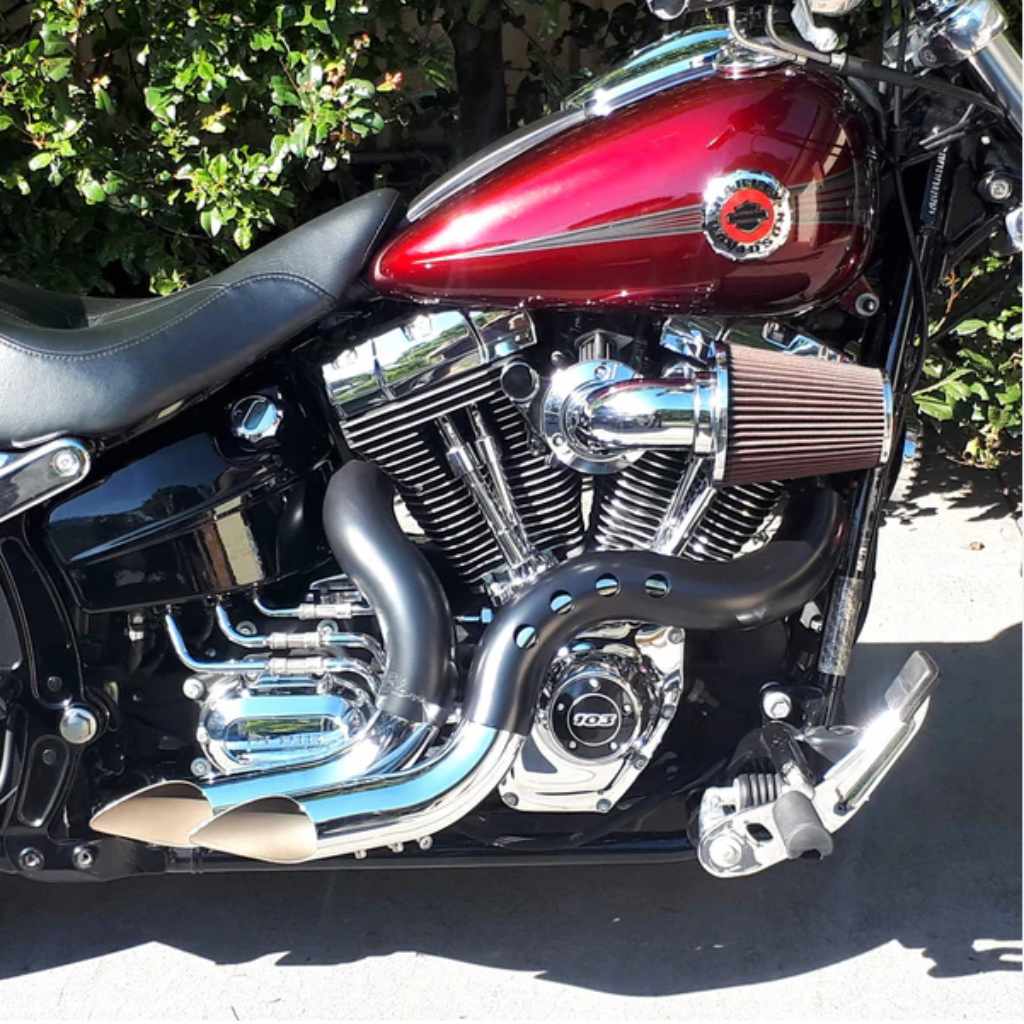
Exhaust pipes are visually significant parts of a motorcycle. They take up a lot of real estate on the side of the bike. Custom options come in hundreds of finishes (chrome, matte black, ceramic coated), shapes (straight pipes, slash-cut, shotgun style), and lengths. This allows riders to fully match the exhaust to their bike’s overall style—be it old-school chopper or modern bagger.
Speed and Efficiency: Breathing Easier
A well-designed, free-flowing exhaust helps your engine breathe better. Less restriction means the engine can move air in and out more efficiently. This often translates to small but noticeable gains in horsepower and torque, especially when paired with an upgraded air cleaner and a proper fuel tuner (a crucial step we cover later).
Understanding Harley Exhaust Customization Levels
When we talk about “custom” for Harleys, it doesn’t just mean one thing. There are several levels you can explore, ranging from simple bolt-on parts to scratch-built systems.
1. Bolt-On Aftermarket Upgrades (Stage 1)
This is the most common starting point. Companies like Vance & Hines, Rush, and Kuryakyn mass-produce high-quality exhaust systems specifically designed for certain Harley models (like Sportsters, Dynas, or Touring bikes). While these are “aftermarket,” they are custom-engineered for perfect fitment.
- Pro: Easy installation, usually bolt right onto stock mounting points.
- Con: Less unique; many other bikes might have the exact same system.
2. Slip-On Mufflers Only
If you like the look of your factory headers (the pipes coming off the engine), you can swap just the mufflers (the back half). This is often a cheaper and easier way to change the sound instantly.
3. Full System Replacement
This involves replacing everything from the exhaust ports on the engine all the way to the tips. This offers the biggest change in sound, performance, and look. These systems are made to flow better than stock from the start.
4. True Custom Fabrication (The Deep Dive)
This is where you go to a specialized exhaust shop or talented fabricator. For unique builds, choppers, or bikes with major engine swaps, the pipe may need to be bent, welded, and routed specifically for that frame geometry. This is the most custom option available.
Step-by-Step: How to Get Custom Pipes for Your Harley
If you are leaning toward a true custom look or just want to ensure you order the perfect aftermarket set, follow these steps. This process helps avoid costly mistakes.
Step 1: Know Your Bike Exactly
Before ordering anything, you must know the specifics of your motorcycle. Mistakes often happen because people buy parts meant for the wrong model or year.
- Identify the Model Family: Is it a Softail, Dyna, Touring (Street Glide/Road King), Sportster, or V-Rod?
- Find the Year: Exhaust design pieces can change yearly due to frame updates or emissions equipment locations.
- Check for Sensors: Modern Harleys (roughly 2012 and newer, depending on the model) have Oxygen (O2) sensors built into the header pipes. Your new exhaust must have ports/bungs to accept these sensors, or your bike will run poorly.
Step 2: Define Your Goal (Sound, Style, Legality)
Be specific about what you want. If you tell a shop or look online for “loud pipes,” you might get something deafening that violates local noise ordinances. Check local regulations regarding noise levels—for example, in some areas, exhaust noise is legally monitored, which is something the EPA studies extensively regarding vehicle emissions and sound output (U.S. Environmental Protection Agency official site).
- Goal Example: “I want a deep, throaty sound for my 2018 Fat Bob, matte black finish, and it must fit saddlebags.”
Step 3: Choosing the Right Configuration
Harleys typically use one of two main exhaust layouts:
| Type | Description | Best For |
|---|---|---|
| 2-into-1 | Both headers connect into a single collector/muffler. | Maximum low-end torque and cleaner performance tunes. |
| 2-into-2 Shotgun/Dual | Each header pipe runs to its own separate muffler. | Classic look and that classic, balanced Harley sound. |
Step 4: Installation Considerations (DIY vs. Pro)
If you are buying bolt-on aftermarket parts, many skilled beginners can handle the installation. If you are going for a true one-off custom weld job, you need a professional fabricator who understands TIG welding stainless steel or chrome moly tubing correctly.
If you are installing a full system yourself, make sure you have the right tools. A jack stand (never rely only on a simple kickstand—safety first!), good penetrating oil for stuck bolts, and the correct torque wrench are essential. Aftermarket pipes often require specific torque settings to prevent leaks or damage to the cylinder head.
Step 5: The Essential Follow-Up: Tuning
This is the most overlooked step when upgrading Harley exhausts, especially on modern bikes. Changing the exhaust fundamentally changes how much air the engine takes in. If you don’t tell the bike’s computer (ECU) about this change, it will run lean (too much air, not enough fuel).
Running lean causes excessive heat, can damage internal engine parts, and definitely hurts performance. You must adjust the fuel mixture. This is called “tuning.”
You will generally need one of these tuning devices:
- A dedicated Fuel Management System (like a Power Vision or Fuelpak).
- A visit to the dealer to “reflash” the stock ECU with a new map.
A good custom shop will always advise you on the necessary tuning required for the pipes they install.
Where Do I Go for True Custom Exhaust Fabrication?
When the off-the-shelf options just won’t cut it, you need a professional fabricator. This service is readily available, but you must search for the right specialty.
Finding the Right Fabricator
You are not necessarily looking for an auto shop; you are looking for a motorcycle specialist experienced in tube bending and welding.
Look for shops advertising:
- Custom Motorcycle Builds (Choppers, Bobbers).
- TIG Welding (This creates the cleanest, strongest welds necessary for high-heat exhaust components).
- Experience with specific Harley engine types (e.g., Twin Cam vs. M8).
A highly respected resource for fabrication techniques and best practices in metalworking can often be found through associations dedicated to welding safety and quality, such as those that provide guidance on safe metal construction practices and tooling.
The Custom Fabrication Process Timeline
Since these are not mass-produced, they take time and money. Here’s a general idea of what to expect:
| Phase | Description | Estimated Time |
|---|---|---|
| Consultation & Design | Meeting with the builder, defining routing, shape, and muffler choice. | 1–3 Days |
| Mock-Up & Fitting | The builder creates a temporary setup to ensure clearance around the frame, transmission, and accessories. | 1–2 Weeks |
| Final Fabrication | Welding the final pieces, ensuring strength and sealing. | 1 Week |
| Finishing | Ceramic coating, plating, or polishing the finished product. | 1–3 Weeks |
Because of the finishing steps (especially specialized ceramic coatings), high-quality, true custom exhausts can take anywhere from three weeks to two months, depending on the shop’s backlog.
Pros and Cons of Going Full Custom Fabrication
While getting exactly what you want sounds amazing, true customization comes with trade-offs compared to buying a pre-made system from a major brand.
Advantages (Pros)
- Perfect Fitment: Pipes hug the frame exactly as designed by you and the builder.
- Unique Sound Profile: You control the length, diameter, and baffle style, leading to a completely unique sound signature.
- Clearance Solved: Ideal for bikes with non-standard equipment, like oversized fuel tanks, custom forward controls, or large saddlebags.
- No Compromise on Aesthetics: Exactly the look you envisioned, not the look the mass market demands.
Disadvantages (Cons)
- Higher Cost: Labor rates for skilled welders are high. A true custom set can cost significantly more than a bolt-on kit.
- Installation Complexity: If you ever need to replace a section, an off-the-shelf system will be easier to source parts for.
- Warranty Concerns: Major manufacturers warranty their parts. A custom shop’s warranty might be limited to workmanship only.
- Potential Performance Uncertainty: An unknown fabricator might focus more on looks than on proper exhaust scavenging (which affects performance). Always ensure they understand the 2-into-1 vs. 2-into-2 dynamics.
The Importance of Baffles in Custom Pipes
If you ask a fabricator to build you “straight pipes,” they might do it, but you need to understand the consequences. Baffles are the internal components inside the muffler or header that help control sound and influence exhaust flow characteristics.
What Do Baffles Do?
- Sound Dampening: They break up sound waves, making the exhaust quieter.
- Tuning Helper: They help tune scavenging—the process where the exiting exhaust pulse helps pull the next fresh fuel/air charge into the cylinder. Getting this right is key to mid-range power.
- Backpressure: While Harleys perform best with less restriction than cars, they still need some backpressure to run well at lower RPMs. Straight pipes offer almost zero backpressure, which can cause poor throttle response at low speeds until the ECU is heavily tuned.
When ordering custom pipes, you can often specify “removable baffles” or “high-flow baffles.” This gives you flexibility: run it louder for a show, or quieter (and safer legally) for a long cruise.
Tuning Deep Dive: Why It Affects Your Custom Install
Let’s revisit tuning because it is non-negotiable for most Harley exhaust upgrades. A beginner might think, “It’s just pipes. Bolt them on and go!” On a modern, computer-controlled Harley, this will cause problems.
The Air/Fuel Ratio (AFR) Explained Simply
Engines need a precise mix of air and fuel (the stoichiometric ideal is about 14.7 parts air to 1 part fuel). When you install an exhaust that allows significantly more air out, the engine compensates by pulling in more air through the throttle body (especially if you also install a high-flow air cleaner, which often happens simultaneously).
If the fuel injectors don’t spray enough extra fuel to match the new airflow, the mixture becomes “lean.”
Symptoms of a Lean Condition (Bad Tuning):
- Popping or backfiring on engine deceleration (deceleration pop).
- Excessive heat radiating from the engine.
- Rough idle.
- Loss of power at high RPMs.
A tuner (like a Fuelpak or a dyno tune) reprograms the ECU to inject the correct amount of fuel for the new flow rate. This stabilizes the engine and unlocks the performance gains the custom pipes promise.
Frequently Asked Questions (FAQ) About Harley Custom Exhausts
Q1: Is it illegal to put custom exhaust pipes on my Harley?
A: It depends entirely on where you live. Many states and countries have noise limits enforced by law. While you can buy “race use only” pipes that are very loud, riding them on public roads might get you a ticket. Always check your local vehicle equipment codes.
Q2: Will custom pipes void my Harley-Davidson warranty?
A: Yes, they absolutely can. According to the Magnuson-Moss Warranty Act in the US, a dealer can deny a warranty claim if they can prove the aftermarket part caused the failure. If you install loud pipes and blow a piston due to improper heat from being too lean, they can deny the engine repair claim. Installing a proper tuner mitigates this risk significantly.
Q3: How long does it take a shop to fabricate a completely custom set of pipes?
A: For a unique, one-off set, plan for anywhere from three weeks to two months. This heavily depends on the shop’s queue and the complexity of the required bending and finishing (like re-chroming or ceramic coating).
Q4: Can I keep my saddlebags if I buy custom exhaust pipes?
A: This is critical! Many performance-oriented 2-into-1 systems aim pipe flow away from the rear wheel, which might interfere with stock saddlebags. If you run bags, make sure the custom pipes you buy or commission are specifically listed as “Saddlebag Compatible” or “Bagger Ready.”
Q5: Are custom pipes much louder than my stock ones?
A: Almost always, yes. The primary goal of aftermarket exhausts is usually increasing volume. However, some high-end aftermarket systems feature internal tuning valves or advanced baffling that allow you to have a moderate volume for daily riding and a louder tone when you open up the throttle.
Q6: What is the difference between slip-ons and a full system?
A: Slip-ons are just the muffler cans bolted onto your existing factory header pipes. A full system replaces the entire assembly: headers, mufflers, and connections. A full system offers more comprehensive changes to sound and potential performance than just slip-ons.
Maintaining Your Custom Harley Exhaust
Once you have those beautiful, loud, custom pipes installed, keeping them looking good is important. Unlike your car’s exhaust, which is usually hidden away, your Harley pipes are front and center
Related pick: Check today's price on Amazon