Do Aftermarket Pipes for Harley Need Exhaust Gaskets? Essential Guide
If you own a Harley and are thinking about upgrading to aftermarket pipes, you probably have a lot of questions. One of the biggest concerns is whether you need new exhaust gaskets to go along with those shiny new pipes.
It might seem like a small detail, but the right gaskets can make a huge difference in how your bike performs and sounds. You don’t want to waste money or risk leaks that could damage your engine. Keep reading, and you’ll find out exactly what you need to know to get the best results from your Harley’s exhaust upgrade.
Role Of Exhaust Gaskets
Exhaust gaskets play a key role in the performance of Harley pipes. They create a tight seal between the exhaust parts. This prevents harmful gases from leaking out. A good gasket ensures the exhaust system works properly.
Without the right gasket, leaks can happen. This affects how the engine runs and sounds. Understanding the role of exhaust gaskets helps in maintaining your Harley’s exhaust system.
Sealing And Preventing Leaks
Exhaust gaskets seal the connection between pipes and engine parts. They stop exhaust gases from escaping. Leaks can cause engine problems and reduce fuel efficiency. A tight seal keeps the system safe and clean. Gaskets also protect other engine parts from heat damage.
Impact On Performance And Sound
Leaks in the exhaust system change engine performance. Power may drop and fuel use can rise. The sound of the bike may also change. A proper gasket keeps the sound loud and clear. It helps the engine run smoothly without issues.
Types Of Aftermarket Pipes
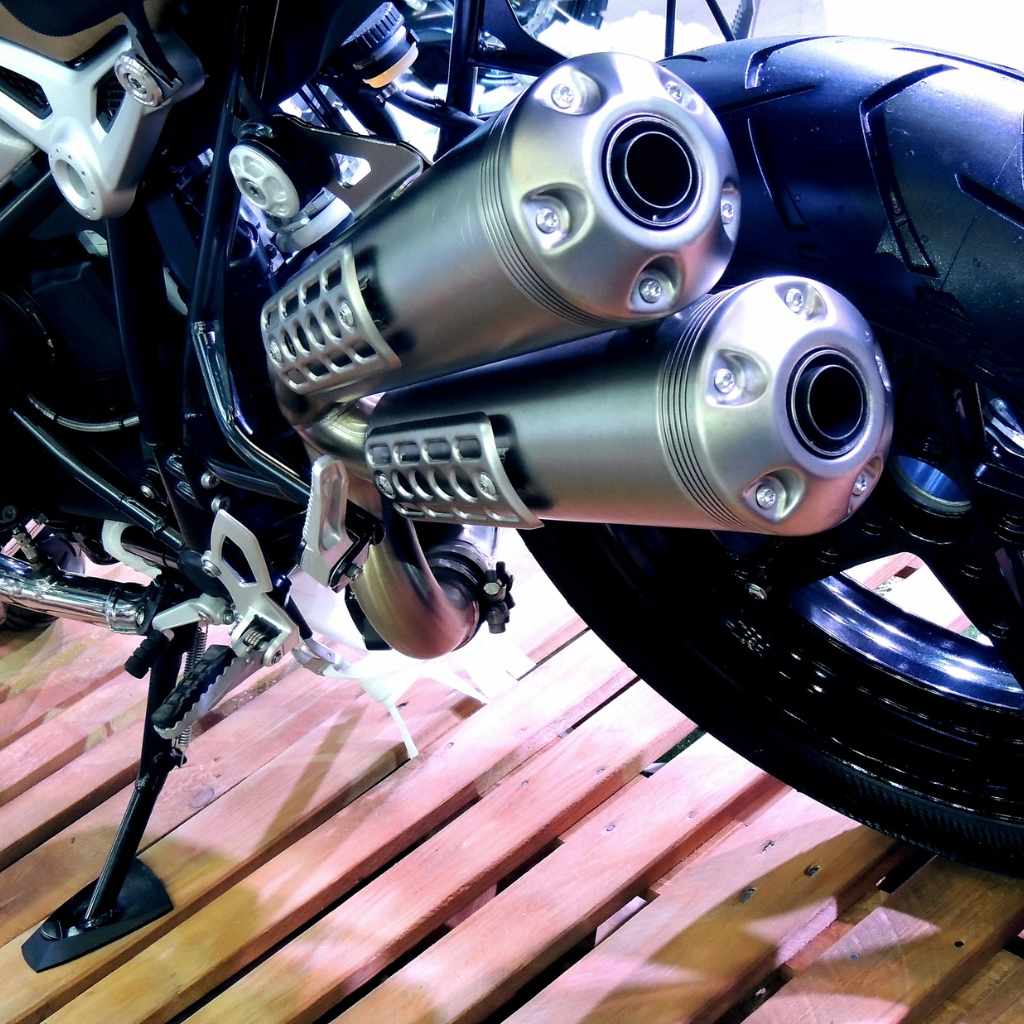
Aftermarket pipes for Harley motorcycles come in different types. Each type changes the bike’s sound, look, and performance. Knowing the types helps you choose the right pipe for your needs. Below are the two main types of aftermarket pipes.
Slip-on Pipes
Slip-on pipes replace only the muffler part of the exhaust. They are easy to install and cost less. Slip-ons improve sound and add a bit of power. They keep the original headers of the bike. No need to change many parts.
Slip-on pipes usually require new exhaust gaskets. Gaskets help seal the connection and stop leaks. Without good gaskets, the exhaust sound may be uneven or noisy. Always check if your slip-on pipe needs new gaskets.
Full Exhaust Systems
Full exhaust systems replace the entire exhaust from headers to mufflers. They change the bike’s sound a lot more than slip-ons. Full systems can improve power and reduce weight. Installation takes more time and skill.
Full systems always need new exhaust gaskets. New gaskets ensure a tight seal between all parts. This prevents leaks and keeps the exhaust working well. Using old gaskets can cause damage or poor performance.
Gasket Requirements For Different Pipes
Exhaust gaskets play a key role in Harley pipe installations. They ensure a tight seal between pipes and engine parts. This prevents leaks and keeps the exhaust running smoothly. Different pipes require different gasket types. Understanding these needs helps avoid problems and improves bike performance.
Factory Vs Aftermarket Compatibility
Factory pipes come with gaskets designed for exact fit. These gaskets match the pipe and engine perfectly. Aftermarket pipes may not fit as precisely. Some need new or different gaskets to seal well. Sometimes, factory gaskets work with aftermarket pipes. Other times, new gaskets are necessary to avoid leaks. Always check gasket compatibility before installing pipes.
When Gaskets Are Necessary
Not all pipes need new gaskets. If the aftermarket pipe matches the factory design closely, original gaskets may suffice. If the pipe changes shape or size, new gaskets become essential. Gaskets help prevent exhaust gas leaks and noise. They also protect engine parts from damage. Always replace gaskets if they show wear or damage during installation.

Choosing The Right Exhaust Gasket
Choosing the right exhaust gasket is key for a Harley’s aftermarket pipes. The gasket seals the connection between the pipes and the engine. A good seal stops leaks and keeps the bike running smoothly. Picking the correct gasket helps avoid noise, loss of power, and damage. It also makes installation easier and ensures lasting performance.
Material Options
Exhaust gaskets come in various materials. Metal gaskets handle high heat well and last longer. They suit bikes with strong engines and high exhaust temperatures. Fiber gaskets are softer and fit irregular surfaces better. They offer good sealing but wear faster. Some gaskets combine metal and fiber for balance. Choose a material that matches your bike’s heat levels and usage.
Size And Fit Considerations
Size matters when selecting an exhaust gasket. The gasket must match the pipe diameter and flange shape exactly. A wrong size causes leaks and poor performance. Check the pipe specs before buying. Some aftermarket pipes differ from stock sizes. Measure carefully or use the gasket recommended by the pipe maker. A perfect fit means less noise and better engine power.
Installation Tips
Installing aftermarket pipes on your Harley requires care and attention. Proper installation ensures good performance and prevents leaks. Follow these tips to install exhaust gaskets and pipes correctly. This helps avoid common issues and keeps your bike running smoothly.
Preparing The Surface
Clean the pipe and exhaust port surfaces well. Remove old gasket material and dirt. Use a soft brush or cloth to wipe the area. Avoid scratching the metal. A clean surface helps the new gasket seal tightly. Check for any damage or warping before installing the gasket.
Torque Specifications
Tighten bolts to the correct torque as specified by the manufacturer. Over-tightening can crush the gasket and cause leaks. Under-tightening may allow exhaust gases to escape. Use a torque wrench for accuracy. Tighten bolts in a crisscross pattern to apply even pressure on the gasket.
Signs Of Improper Installation
Listen for unusual exhaust noises or hissing sounds. These may indicate a poor seal. Check for visible exhaust leaks or soot marks near the gasket. Vibrations or rattling noises can also signal loose bolts. Inspect the gasket area regularly after installation for any signs of damage.

Common Issues Without Gaskets
Aftermarket pipes for Harley motorcycles may seem like a simple upgrade. Skipping exhaust gaskets can lead to several common problems. These issues affect performance and can cause long-term damage. Understanding these problems helps riders make better choices.
Exhaust Leaks
Without gaskets, exhaust pipes do not seal properly. Gaps form where pipes meet the engine. Exhaust gases escape through these gaps. This leak reduces engine efficiency and power. It also lets harmful gases enter the air around the bike.
Noise And Vibration Problems
Exhaust leaks cause loud, unwanted noises. The sound may be harsh or uneven. Vibration increases because parts are not tightly connected. This makes the ride less comfortable. Noise can also distract or annoy other drivers and riders.
Potential Engine Damage
Exhaust gaskets protect the engine from heat and pressure leaks. Without them, hot gases can damage engine parts. Over time, this can cause cracks or warping. Engine sensors may give false readings. This leads to poor fuel economy and costly repairs.
Maintenance And Replacement
Proper maintenance and timely replacement of exhaust gaskets are essential for Harley pipes. These small parts keep the exhaust system sealed and prevent leaks. Neglecting gaskets can cause noise, loss of power, and damage to the engine. Regular checks help keep the bike running smoothly and safely.
When To Inspect Gaskets
Check exhaust gaskets during every oil change or every 3,000 miles. Listen for unusual noises like hissing or popping near the exhaust. Look for black soot marks around the gasket area. These signs indicate a leaking or worn gasket. Also, inspect gaskets after installing new aftermarket pipes. Early detection avoids bigger problems later.
Replacing Gaskets For Optimal Performance
Replace gaskets whenever you remove or install pipes on your Harley. Use high-quality gaskets made for your specific model. Make sure the surfaces are clean before fitting new gaskets. Tighten bolts to the correct torque to avoid leaks. Fresh gaskets ensure better exhaust flow, reduce noise, and improve engine efficiency. Regular replacement extends the life of your pipes and engine.
Frequently Asked Questions
Do Aftermarket Harley Pipes Require New Exhaust Gaskets?
Yes, aftermarket pipes usually need new exhaust gaskets. This ensures a proper seal, preventing leaks and maintaining performance.
Can I Reuse Old Exhaust Gaskets On Harley Pipes?
Reusing old gaskets is not recommended. They may cause leaks or damage, affecting exhaust efficiency and engine performance.
What Type Of Gasket Fits Aftermarket Harley Exhaust Pipes?
High-quality, heat-resistant gaskets designed for Harley exhaust systems are ideal. They provide durability and a tight seal for optimal function.
How Often Should Exhaust Gaskets Be Replaced On Harley?
Exhaust gaskets should be replaced during pipe installation or if you notice leaks, noise, or reduced engine performance.
Conclusion
Aftermarket pipes for Harley often need exhaust gaskets to work properly. These gaskets help seal the connection and stop leaks. Without them, your bike may lose power or make strange noises. Always check the pipe and gasket fit before riding.
Using the right gasket keeps your engine safe and running smooth. Don’t skip this small but important part. It makes a big difference in performance and sound. Choose quality gaskets to avoid problems down the road. Simple steps like these keep your Harley riding strong and quiet.