Do Stock Honda Motorcycle Exhaust Pipes Have Essential Gaskets?
Quick Summary: Yes, stock Honda motorcycle exhaust pipes absolutely use essential gaskets where the header pipe meets the engine cylinder head and often where mid-pipes or silencers connect. These gaskets seal crucial joints, preventing dangerous exhaust leaks that hurt performance and safety.**
Welcome to the world of motorcycle maintenance! If you’ve ever looked closely at your Honda’s exhaust system—that shiny, complex network of pipes—you might wonder about the small, often overlooked parts holding it all together. Are those little rings between the engine and the pipe just there by chance, or are they truly necessary? Many new riders feel a bit lost when dealing with exhaust bolts and connections. It’s totally normal!
Understanding these small components, like gaskets, is key to keeping your Honda running smoothly, quietly, and safely. A failing exhaust gasket can lead to annoying sounds, poor engine breathing, and even safety risks from hot leaks. But don’t worry! This guide will break down exactly what these gaskets are, why your stock Honda pipe needs them, and how to check if yours are doing their job properly. We will cover everything clearly, step by step, so you can tackle this part of your bike’s health with confidence.
The Short Answer: Why Gaskets Matter on Your Honda Exhaust
To put it simply: Yes, your stock Honda motorcycle exhaust pipes have essential gaskets. They are not optional extras; they are critical sealing components.
Think of your engine like a pump—it needs to push hot, high-pressure gas out efficiently. If there’s a gap where the pipe bolts to the engine cylinder head, those hot gases will escape too early. Gaskets are the non-negotiable mediators between two metal surfaces. They fill in microscopic imperfections, ensuring a perfect, leak-free seal.
These seals are important for performance, but even more so for safety and emissions control. Messing up the exhaust seal can cause immediate problems that affect how your bike runs right away.
What Exactly Is a Gasket in the Exhaust System?
A gasket is simply a mechanical seal placed between two or more mating surfaces. In the world of motorcycles, especially Hondas which are known for their precision engineering, these seals are designed to handle extreme heat and vibration while maintaining an airtight closure.
The Two Main Types of Exhaust Gaskets on a Honda
When talking about stock Honda exhaust systems, you will typically encounter two primary locations requiring a gasket:
- Header-to-Engine Gasket (The Flange Gasket): This is arguably the most critical gasket. It sits exactly where the exhaust header pipe fastens directly to the engine cylinder head (where the exhaust ports are). Because this is the source of the hot, high-pressure exhaust gas, this seal must be perfect.
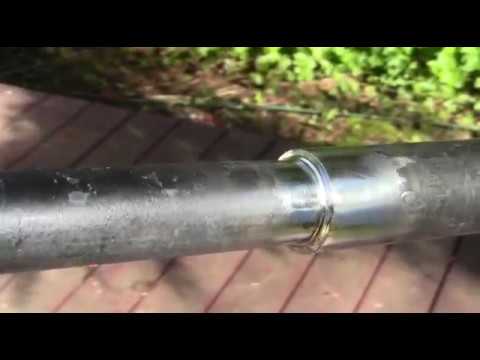
- Connecting/Slip-Fit Gaskets (Mid-Pipe/Muffler Connections): On systems with multiple sections (like a header pipe running into a mid-pipe or muffler), there are usually slip-fit connections. These connections often use a specialized gasket—sometimes a crushable ring or an O-ring gasket—to prevent leaks as the pipes join together, absorbing minor vibrations and thermal expansion.
These gaskets are made from materials meant to withstand incredible temperatures. Steel, copper, graphite, or specialized composite materials are used to ensure they don’t burn out or crumble under the harsh conditions inside your exhaust path.
Investigating the Stock Honda Cylinder Head Gasket
The connection between the header pipe and the engine is non-negotiable. On most modern or even older Honda street bikes, this joint relies on a specific type of seal.
Understanding the Exhaust Port Seal
Honda engines are designed to breathe efficiently. When the piston pushes exhaust gas out, it does so under pressure. If the seal at the cylinder head is poor:
- Performance Drops: The engine loses “back pressure” needed for scavenging (pulling out the rest of the spent gases), leading to sluggish performance, especially at mid-range RPMs.
- Noise Increases: You get that annoying, sharp “ticking” or “puffing” sound, indicating gas is escaping with every exhaust pulse.
- Safety Concern: Hot gas escaping near engine wiring, fuel lines, or fairings can pose a serious fire hazard over time.
For most multi-cylinder Hondas (like inline-fours), you will find a separate gasket for each exhaust port. For single-cylinder bikes (like dirt bikes or smaller scooters), there is just one large gasket for that single port. These are often referred to as “crush gaskets” or “ring gaskets” because they are designed to compress and deform slightly upon installation to form that perfect seal. They are almost always one-time use items.
You can find details on specific OEM part numbers for your model by checking the official Honda Parts Catalog or reputable OEM resources, which is important when maintaining factory performance standards. For instance, understanding the metallurgy helps maintain compliance with EPA standards regarding emissions. The EPA sets strict standards for motorcycle emissions and tampering, making proper sealing essential.
When Do You Need to Replace These Gaskets?
A gasket’s life isn’t infinite. They are wear items, just like brake pads or spark plugs. Knowing when to swap them out is key to preventive maintenance.
Signs Your Honda Exhaust Gaskets Have Failed
If you notice any of these signs, grab your socket set—it’s time to inspect the seals!
- Visible Soot/Black Marks: Look at the joint where the pipe meets the engine or between pipe sections. If you see black, sooty residue leaking out, the gasket has failed. This is the clearest sign of an exhaust leak.
- Ticking or Puffing Noise: A distinct, sharp ticking sound that speeds up with engine RPM, especially during startup or acceleration, almost always indicates a leak at the head pipe/engine flange.
- Reduced Power: While hard to diagnose for beginners, a noticeable loss of low-to-midrange punch, even after ensuring the air filter and fueling are correct, points toward an exhaust leak robbing you of performance.
- Rust or Discoloration Around Joints: Over time, the constant leak of hot gases can cause surrounding metal to discolor prematurely or rust faster than the rest of the pipe.
The Importance of Replacement During Pipe Removal
Here is a golden rule for any exhaust work, whether you are replacing a stock pipe or installing an aftermarket one: If you remove the header pipe from the cylinder head, you must replace the head gasket.
Why? Most exhaust gaskets are “crush” gaskets. They deform when the bolts are tightened, filling the space perfectly. Once that pressure is released, and the hot metal cools, the gasket loses its tight ‘crush fit.’ Trying to reuse it will almost certainly result in a leak the second you fire the engine up again. It simply won’t seal a second time with the same effectiveness.
| Gasket Location | Typical Material | Reuse Possible? |
|---|---|---|
| Cylinder Head/Header Joint | Copper/Steel Crush Ring | No (Must Replace) |
| Mid-Pipe to Muffler Connection | Graphite or Mild Steel Ring | Unlikely (Best to replace) |
| Slip-Fit Joints (if applicable) | Rubber O-ring (Cooler sections) | Yes (If not visibly damaged) |
Step-by-Step Guide: Checking and Replacing Your Exhaust Gaskets
You don’t need a fully equipped shop to inspect these seals. With a few basic tools and a little patience, you can diagnose and fix leaks yourself. This is a fantastic, confidence-building beginner job!
Tools You Will Likely Need:
- Socket set and ratchet (metric sockets, as Honda uses metric hardware)
- Torque wrench (very important for proper sealing)
- Wrench suitable for O2 sensors, if your bike has one installed in the header pipe
- Gasket scraper or stiff plastic putty knife
- New, correct replacement gaskets (get these before starting!)
- Anti-seize compound (optional, but highly recommended for reassembly)
Procedure for Checking the Head Pipe Gasket
This focuses on the seal where the metal pipe meets the engine block:
- Safety First: Ensure the motorcycle is cool—cold enough that you can comfortably touch the engine casing. Exhaust components get dangerously hot very quickly! Consult your owner’s manual for basic setup, and ensure the bike is stable on its center stand or a secure paddock stand.
- Locate the Section: Trace the header pipe back from the muffler all the way to where it bolts onto the front of the engine.
- Visual Inspection: Look closely at the joint. Do you see any black residue, corrosion, or dust patterns that stop sharply right at the flange? This suggests gas has been blowing out from that seam.
- The “Cold Start Test”: If the leak is subtle, ask a friend to start the bike for you while you carefully listen near the joint (do not touch anything!). Wear ear protection. If you hear a distinct “hiss” or “puff” that stops once the bike warms up (sometimes leaks disappear once the metal expands), you’ve found your culprit.
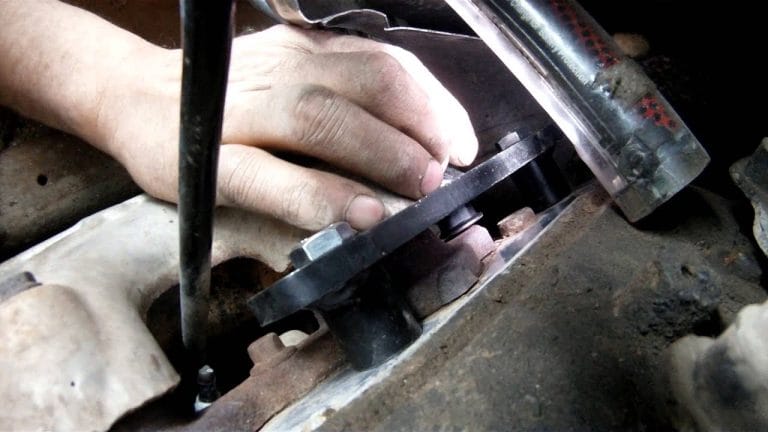
- Prepare for Removal: If a leak is confirmed, you must remove at least the affected header pipe. This usually involves removing the bolts connecting the header to the cylinder head flange and potentially disconnecting the rest of the exhaust system to allow movement. If you have an O2 sensor in this pipe, carefully disconnect its wiring harness first!
Procedure for Replacing the Head Pipe Gasket
Once the pipe is off, the old gasket material must be completely removed:
- Debris Removal: Carefully clean the mating surface on the cylinder head. Use a dedicated gasket scraper or a plastic tool only. You want a smooth, clean metal surface, but you absolutely cannot gouge or scratch the aluminum head material, as this could cause a permanent leak path.
- Examine the Surface: Check the metal surfaces of both the cylinder head and the header flange carefully for warping or heavy pitting. If these surfaces are severely damaged, even a new gasket might not seal, and professional machining might be required (though this is rare on stock components).
- Install the New Gasket: Place the new crush gasket onto the cylinder head port. Ensure it seats perfectly flat and fully covers the opening.
- Reassembly: Carefully slide the header pipe back over the new gasket. Reinstall the flange bolts.
- Torque Correctly: This step is vital. Tighten the bolts in a specific pattern—usually crossing them (like tightening lug nuts on a car) to ensure even pressure. Use a torque wrench set to your Honda’s specified torque setting (check a repair manual for the exact specification). Under-tightening causes leaks; over-tightening can warp the pipe or damage the cylinder threads.
- Test Run: Start the bike. Listen carefully. The ticking/puffing should be completely gone. You should hear the deep, smooth exhaust note characteristic of a sealed system.
Gaskets Beyond the Engine: Slip-Fit Connections
If your Honda has a complex exhaust routing—say, a header pipe connecting to a center pipe, which then connects to the muffler—you will find gaskets at these joints too, often called slip-fit or donut gaskets.
How Slip-Fit Gaskets Work
Unlike the high-pressure seal at the engine, these joints primarily need to seal against lower pressure and accommodate the slight movement caused by the engine vibrating and the metal expanding when hot. They often look like a thick ring or a slightly malleable metal gasket.
When you remove the clamp or bolt holding these sections together, you often have to wiggle the pipes apart. If the existing gasket looks brittle, cracked, or flat (losing its spongy quality), it should be replaced. Since these connectors often lack the high clamping force of the engine flange, they rely heavily on the gasket’s integrity.
When putting these back together, a light application of anti-seize compound on the outside of the new gasket (if it’s a metal ring) can prevent future bolts from seizing up, making your next maintenance job much easier. Check out resources like general automotive forums for user experiences on torque specs and torque sequence tips for specific Honda models.
Gasket Maintenance vs. Performance Upgrades
When replacing a stock Honda exhaust pipe with an aftermarket system (like a performance slip-on or a full system), the need for gaskets changes slightly, but the rule remains: Never reuse the engine flange gasket.
Aftermarket Pipe Considerations
Performance manufacturers often change the interface design:
- Full Systems: These replace everything, including the header assembly. They often come with new, high-performance crush gaskets included in the box. Always use the gaskets provided by the manufacturer of the new system unless specific instructions say otherwise.
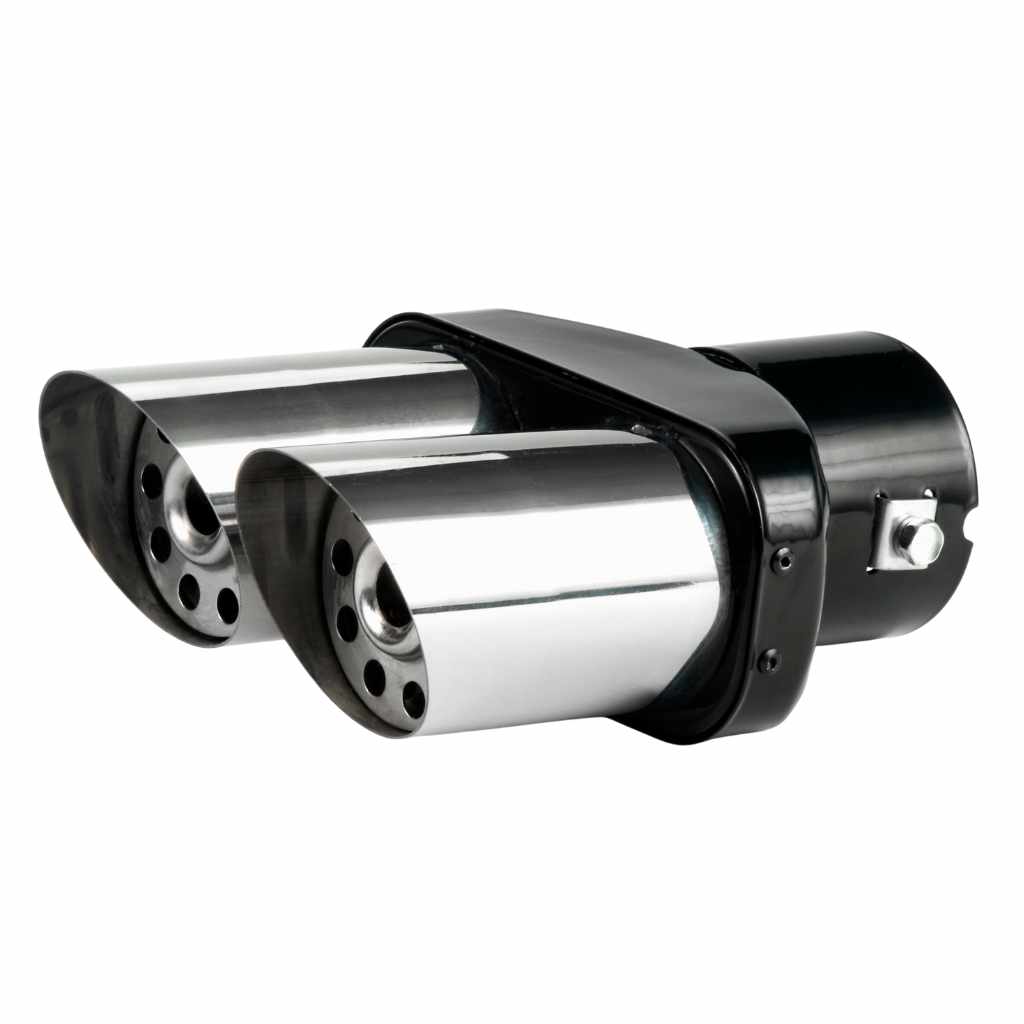
- Slip-On Mufflers: These only replace the rear section. They often use a simple band clamp or spring connection over a slip joint. If your stock slip-fit gasket between the header/mid-pipe and the new muffler looks usable, you might get away with reusing it, but it’s risky. Since these joints operate at much lower temperatures and pressures than the header, the failure isn’t as catastrophic, but replacing this second gasket is cheap insurance for silence and sealing.
The main takeaway is that while aftermarket parts might use slightly different sealing materials, the fundamental requirement for a gasket at the engine outlet remains: Honda designs the system around that seal for optimal output.
Troubleshooting Leaks: Common Beginner Mistakes
It can be frustrating to install a new gasket only to still have a leak. Here are the common pitfalls beginners encounter when dealing with exhaust seals:
The Reassembly Checklist
| Mistake | How It Causes Leaks |
|---|---|
| Reusing the Old Head Gasket | The old gasket is compressed and won’t re-expand to fill the microscopic gaps on the second seating. |
| Inadequate Surface Prep | Old gasket crust or carbon buildup prevents the new gasket from sitting perfectly flush against the metal. |
| Incorrect Torque Sequence | Tightening bolts sequentially instead of crossing them creates uneven pressure, causing one side of the gasket to blow out under pressure. |
| Damaged Mating Surface | Scraping the aluminum cylinder head while cleaning can create a deep scratch that the gasket cannot bridge, causing a permanent weep. |
Remember, perfect torque application is something mechanics spend years perfecting. If you don’t have a reliable torque wrench, consider having a trusted shop install the head gasket connection for absolute peace of mind, especially on high-performance bikes. Precision matters when dealing with pressurized exhaust flow.
Frequently Asked Questions (FAQ) for New Honda Owners
Q1: If my stock Honda exhaust doesn’t leak, can I just clean the gasket and reuse it next time?
A: Generally, no, especially not the one at the cylinder head. These crush gaskets are designed for a single, perfect seal. If disassembly is required, always install a brand-new gasket at that critical engine joint. It’s the cheapest insurance you can buy against performance loss.
Related pick: Check today's price on Amazon