Does a Furnace Exhaust Pipe Need a Cap? Answering the Question
Figuring out home systems can be tricky, and the question Does a Furnace Exhaust Pipe Need a Cap? often pops up for homeowners. It’s a common question, especially for those new to home maintenance. Don’t worry if you’re unsure; it’s a completely understandable concern! We’ll explore this topic in detail, giving you clear answers and simple guidance. Get ready to discover everything you need to know about your furnace exhaust pipe and its cap in the next sections.
RAVEN
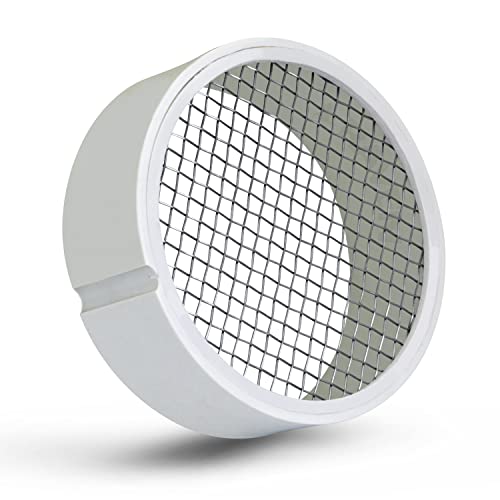
PVC Termination Cap Mesh Screen Vent Cover,…
- ATTENTION: Please Read FIRST: the inner diameter measures 2" inch and the outer diameter measures 2-3/8" inch, therefore any pipe…
- PRODUCT PATENT: PVC drain screen cover with wire round mesh screen built in slot allows water condensation to drain out on the sid…
- SIMPLE & COMPATIBLE: mesh screen vent cover is easy to install and no effort is required by inserting the termination vent cap ins…
As an Amazon Associate I earn from qualifying purchases.
Essential Furnace Exhaust Pipe Basics
Your furnace’s exhaust pipe, also known as a flue pipe or vent pipe, is a crucial part of your home’s heating system. Its job is to safely remove combustion byproducts, like carbon monoxide, from your house. These byproducts are produced when the furnace burns fuel, whether it’s natural gas, propane, or oil. The exhaust pipe is usually made of metal, like galvanized steel or stainless steel, because it must withstand high temperatures and resist corrosion. Knowing the purpose of this pipe is the first step toward understanding how it works.
The Role of the Exhaust Pipe
The main task of the exhaust pipe is to direct dangerous gases from your furnace outside. These gases, including carbon monoxide and other harmful substances, can be deadly if they leak into your home. The pipe connects to the furnace and extends through your home’s walls or roof, allowing these gases to safely escape into the atmosphere. Proper venting is important for the safety of everyone in the house, preventing carbon monoxide poisoning and ensuring the furnace operates efficiently. The exhaust pipe’s location is usually away from windows and air intakes to prevent the gases from re-entering the home.
Gas Removal: The primary function is to safely remove combustion gases.
The burning of fuel in your furnace creates a variety of gases, which need to be removed from your home. The exhaust pipe is specially designed to handle these gases. Carbon monoxide is the most dangerous of these because it’s odorless and colorless. Other gases like nitrogen oxides and sulfur oxides can also be present, depending on the fuel. The pipe’s construction materials are chosen to withstand these substances and prevent leaks or degradation. A blocked or damaged exhaust pipe can cause these gases to build up inside your home, creating a serious hazard. That’s why having a good exhaust pipe is very important for safety.
Protection from Weather: Protects the venting system from rain, snow, and debris.
Exhaust pipes are exposed to the elements, including rain, snow, and debris like leaves and twigs. Without protection, these elements can enter the pipe and cause problems. Water can corrode the pipe, reducing its lifespan and potentially leading to leaks. Debris can block the pipe, preventing the proper venting of gases, which can cause the furnace to work harder and even shut down. A properly designed exhaust system will have measures to prevent weather elements from entering the pipe. Caps and other protective devices are frequently used to keep the system clear and functional. If you live in an area with a lot of heavy snow, the exhaust pipe will need even more protection to prevent blockage from snowdrifts.
Ensuring Proper Airflow: Supports the removal of exhaust and prevents backdrafting.
Proper airflow is critical for the furnace to work effectively and safely. The exhaust pipe is essential for creating a draft that pulls combustion gases out of the furnace. This airflow helps the furnace burn fuel efficiently and prevents gases from backing up into the house, a phenomenon called “backdrafting”. Backdrafting can be caused by problems with the exhaust pipe or in the ventilation system. The exhaust pipe’s diameter and length are carefully designed to ensure correct airflow. Regular maintenance of the exhaust pipe can help to prevent airflow issues and keep the heating system working correctly. Ensuring your exhaust pipe is in good shape is like keeping a clear airway for your furnace, allowing it to “breathe” properly.
Material and Construction of Exhaust Pipes
Exhaust pipes are built to last and have to handle tough conditions. They are most commonly made from metals that can resist high temperatures and corrosion. The choice of materials makes a big difference in the pipe’s lifetime and how safely it works. Understanding what these pipes are made of and how they are built will help you appreciate their function and importance.
Galvanized Steel: A common and cost-effective material.
Galvanized steel is often used in exhaust pipes because it’s economical and fairly durable. It is steel that has been coated with a layer of zinc. The zinc coating protects the steel from corrosion, which is a big concern with the high heat and moisture from the exhaust gases. Galvanized steel is a good choice for many standard furnaces. However, the lifespan of galvanized steel may be limited, particularly in regions with high humidity or in contact with corrosive materials. Regular inspections are recommended to check for rust or damage that could compromise the pipe’s integrity. When it comes to installation, it is crucial to use the right connectors and sealants to prevent leaks.
Stainless Steel: More durable and resistant to corrosion.
Stainless steel is a step up from galvanized steel because it provides better resistance to corrosion and lasts longer. It contains chromium, which forms a protective layer on the surface that prevents rust. This makes it a great choice for furnaces, especially those that burn fuels with higher moisture content, such as oil or propane. Stainless steel is more resistant to the harsh conditions inside the exhaust pipe, making it a better option. While it’s more expensive than galvanized steel, stainless steel’s durability can save money in the long run. Stainless steel can also handle higher temperatures, making it safer. Because of its qualities, it is often seen in furnaces with higher efficiency ratings.
Aluminum: Can be used in specific furnace models.
Aluminum is used in some exhaust pipe systems, particularly with high-efficiency furnaces. Aluminum is lightweight, resistant to corrosion, and a good conductor of heat. Its ability to quickly dissipate heat is beneficial for certain furnace designs. Aluminum exhaust pipes are normally coated to improve their resistance to the gases produced by the furnace. Using aluminum will often depend on the design of the furnace and any local building codes. It is important to know the specifications of your furnace to ensure that the exhaust pipe material is compatible and safe. While aluminum can be an excellent choice, it may not be appropriate for all furnace types.

Does a Furnace Exhaust Pipe Need a Cap? The Answer
The question Does a Furnace Exhaust Pipe Need a Cap? is crucial because it relates directly to the safe operation of your furnace and the health of your home. The short answer is yes, in almost all cases, a furnace exhaust pipe needs a cap. The specifics of the cap’s design and function can vary, but the main purpose remains the same: to protect your home and the furnace system.
Purpose of a Furnace Exhaust Pipe Cap
A cap on a furnace exhaust pipe is more than just a decorative piece; it’s a critical component for both safety and performance. Its design is for many purposes, from preventing outside elements from entering the system to helping the system work efficiently. The cap plays a vital part in maintaining the integrity of the ventilation system. Here’s a closer look at why these caps are so important.
Preventing Debris: Blocks leaves, animals, and other objects from entering.
One of the primary purposes of an exhaust pipe cap is to keep unwanted items out. Leaves, twigs, and small animals like birds and rodents can find their way into the exhaust pipe. These can cause blockages, which prevent the exhaust gases from leaving your house correctly. A blocked exhaust pipe can create a dangerous situation, potentially leading to carbon monoxide buildup. The cap is often designed with a mesh screen to allow the exhaust gases to escape while keeping out larger objects. Regular inspection of the cap is essential to ensure that it is free of obstructions and working as it should.
Excluding Rain and Snow: Prevents water from entering the exhaust system.
The exhaust pipe cap is essential for keeping rain and snow out of your furnace’s ventilation system. Water can corrode the pipe, leading to leaks and reduced lifespan. Water can also cause rust to form, leading to blockages. Ice buildup inside the pipe during the winter can also restrict airflow, making the furnace work harder. The cap is usually designed to deflect rain and snow away from the opening of the pipe. This helps to protect the system from moisture damage and guarantees that your furnace will operate efficiently, even during bad weather. The cap design helps prevent water from entering while allowing exhaust gases to escape.
Enhancing Airflow: Helps maintain correct drafting of exhaust gases.
In addition to blocking debris and moisture, the cap can help with airflow. The cap’s shape can improve the way exhaust gases exit the pipe, which ensures proper drafting. Some caps are made to create a slight vacuum effect, helping to pull the exhaust gases out of the furnace. This helps the furnace burn fuel more efficiently and prevents the backflow of gases into your home. The design of the cap can also help protect against downdrafts, which can push air and exhaust gases back down the pipe. By maintaining proper airflow, the cap supports efficient furnace operation and a safer environment. A well-designed cap is a key part of your furnace’s overall efficiency.
Types of Exhaust Pipe Caps
There are many kinds of exhaust pipe caps, each designed to meet specific needs and provide different levels of protection. The type of cap you need can depend on factors like your location, the type of fuel your furnace uses, and the design of the exhaust system. Understanding the different kinds will help you pick the best one for your setup.
Standard Caps: Basic design with mesh to keep debris out.
Standard caps are the most common type and offer basic protection for your exhaust pipe. They generally consist of a metal cover that sits over the pipe opening and a mesh screen. The screen stops debris, like leaves and animals, from entering the pipe while allowing exhaust gases to escape. Standard caps are typically made of galvanized steel or stainless steel and are designed to withstand the heat and weather. They are easy to install and usually fit most standard exhaust pipes. They’re a good choice for areas with little to moderate weather exposure and minimal issues with animals or debris. Regular maintenance, such as occasional cleaning, is required to remove any build-up that may impact performance.
Rain Caps: Designed to deflect rain and prevent water entry.
Rain caps are designed specifically to protect against water infiltration. They often feature a sloped or domed top that deflects rainwater away from the opening of the exhaust pipe. This helps to keep the exhaust system dry, which prevents corrosion and reduces the risk of rust. Rain caps usually include a mesh screen to keep out debris, giving you both water and debris protection. They are especially useful in areas with a lot of rainfall or heavy snow. Rain caps are usually made of durable materials like galvanized steel or stainless steel and can be easily installed on most standard exhaust pipes. The design makes them an effective way to protect your exhaust system from water damage, extending the life of your furnace and ventilation system.
Wind-Resistant Caps: Help prevent downdrafts.
Wind-resistant caps are designed to prevent wind from causing downdrafts in the exhaust system. Downdrafts occur when wind blows down the exhaust pipe, pushing air back into the furnace. This can disrupt the furnace’s operation, causing it to burn fuel inefficiently, and potentially leading to the backflow of exhaust gases into your home. These caps usually have a unique design that redirects the wind or creates a barrier against it. Some common features include a cowl or a rotating design. These caps can be especially useful in areas with strong winds. They are typically made from durable materials that can withstand various weather conditions. While they are a little more expensive than standard caps, the benefits they provide in terms of performance and safety make them a good option in windy areas.
Installation and Maintenance of an Exhaust Pipe Cap
The correct installation and consistent maintenance of your exhaust pipe cap are essential for ensuring that it works correctly and provides the protection it should. The installation process is usually straightforward, but it’s important to follow the correct steps to make sure it’s secure. Regular maintenance will help to keep the cap free of obstructions and in good working order, which will guarantee that your furnace operates safely and efficiently.
Installing a New Cap
Installing a new cap is a job that many homeowners can do, but it is always a good idea to seek help from a professional if you’re not comfortable. The process involves some basic steps, and you’ll want to take your time to do it right.
Safety First: Always shut off your furnace and let the exhaust pipe cool before beginning.
Safety is the most important part of any home improvement project, so make sure to take all the right precautions. Turn off your furnace and allow the exhaust pipe to cool completely. This will prevent any risk of burns. Working on a roof can also be dangerous, so make sure you are using a ladder securely and have the correct safety gear. It is often a good idea to have a helper to support you and ensure safety. Make sure that the area around the exhaust pipe is clear and free of obstacles to prevent accidents. Always wear gloves to protect your hands from any sharp edges. A well-planned and secure setup is critical to safe and effective work.
Removing the Old Cap: Remove any existing cap carefully.
The next step is to remove the old cap. The procedure will vary depending on the type of cap and how it is secured. Carefully inspect the existing cap to see how it is connected. Some caps are held in place with screws, while others may simply snap into place. Use the proper tools, such as a screwdriver or pliers, to remove any fasteners holding the old cap in place. Once the fasteners are removed, gently detach the old cap from the exhaust pipe. Be careful not to damage the pipe itself during this process. After removing the old cap, thoroughly clean the area to make sure there are no obstructions before putting on the new one.
Selecting the Right Cap: Ensure the new cap is the right size and type.
Selecting the right cap is very important for the exhaust pipe to function properly. Take a measurement of the exhaust pipe’s diameter to ensure that the new cap fits properly. Make sure the cap is made from a durable material, like galvanized steel or stainless steel, to withstand the elements. Think about the weather conditions in your area, and choose a cap designed for those conditions. If you live in an area with a lot of rain, a rain cap is ideal. If you have concerns about the wind, a wind-resistant cap may be better. Read the installation instructions carefully to ensure that you have all the necessary parts and that you understand how to install it. Getting the right cap ensures that your exhaust system is protected and that your furnace works safely and efficiently.
Installing the New Cap: Secure the new cap following the manufacturer’s instructions.
Once you have the new cap, you can install it. Carefully position the new cap on the exhaust pipe. Make sure it is correctly aligned and fits snugly. The installation method will vary depending on the cap’s design, but it usually involves screws or a clamp system. Use the proper tools and follow the instructions that came with the cap. Make sure the cap is tightly secured to prevent it from coming loose due to wind or weather. After installation, make sure the cap is stable. You can give it a gentle tug to make sure it is held in place. A properly installed cap will protect your furnace system.
Routine Maintenance
Maintaining your exhaust pipe cap will help to ensure that it functions correctly and extends its lifespan. Regular maintenance is a small investment of time that can save you from bigger problems down the road.
Visual Inspections: Check for damage or obstructions at least twice a year.
Regular visual checks are an important part of maintaining your exhaust pipe cap. At least twice a year, and especially before and after the heating season, go up and check the cap. Look for any signs of damage, such as rust, dents, or cracks. Also, look for any obstructions. Leaves, twigs, bird nests, or other debris can block the cap and prevent the exhaust gases from escaping properly. Make sure the mesh screen is intact and free of blockages. If you see any damage or obstructions, take care of them immediately to ensure your furnace’s safety and effectiveness. By doing these visual inspections, you can identify potential issues early and prevent problems from becoming severe.
Cleaning the Cap: Remove any debris that has accumulated.
Cleaning your exhaust pipe cap regularly will make sure it is clear of obstructions. Use a brush with soft bristles or a shop vacuum to gently remove leaves, twigs, and any other debris that may have collected. Don’t use anything too abrasive that could damage the cap. Clean the mesh screen to ensure that it isn’t blocked. For any stubborn debris, you can use a mild soap and water solution. Always make sure the cap is dry before putting it back on the exhaust pipe. Cleaning your cap is a simple task that can significantly improve your furnace’s performance and safety. Regular cleaning ensures good airflow and prevents the build-up of harmful gases.
Checking for Corrosion: Address any rust or corrosion promptly.
Corrosion can significantly affect the life of your exhaust pipe cap. Inspect your cap for any signs of rust or corrosion regularly. Rust is usually a sign that the metal is deteriorating, which can affect the cap’s ability to protect your exhaust system. If you see minor rust, you may be able to remove it with a wire brush and apply a rust-resistant coating. If the corrosion is severe, it may be time to replace the cap. Don’t put it off because a corroded cap may lead to leaks or even failure, which could be dangerous. Addressing rust and corrosion quickly will extend the life of your exhaust pipe cap and keep your furnace operating safely.
Common Problems and Solutions
Even with regular maintenance, things can go wrong with your furnace exhaust pipe and its cap. Being able to identify and fix these problems quickly can help to keep your home safe and protect your heating system. Let’s look at some common issues and how you can deal with them.
Blockages and Obstructions
Blockages are one of the most common issues with exhaust pipe caps. Leaves, animal nests, or even ice can block the exhaust pipe, stopping dangerous gases from escaping. Identifying these blockages and knowing how to solve them is key to safety.
Identifying Blockages: Look for reduced airflow or unusual furnace behavior.
Spotting blockages in your exhaust pipe often starts with observing how your furnace works. Reduced airflow is one of the main indicators. This may make it sound like the furnace is working harder than usual, or that there is a strange noise coming from it. Some furnaces may automatically shut down if there is a problem with the exhaust. Another sign could be the smell of exhaust gases inside your home, which is a major red flag. Keep an eye out for any changes in the way your furnace behaves or any odors that could suggest a blockage. If you suspect a blockage, it’s very important to address the problem right away.
Clearing Minor Obstructions: Use a brush or shop vacuum to clear small debris.
Small obstructions, like leaves or twigs, can often be cleared without much trouble. The best thing to do is use a brush with soft bristles to gently remove any debris from the cap. You can also use a shop vacuum to suck out small pieces of debris. Make sure the furnace is turned off and the exhaust pipe has cooled before doing any work. When cleaning the cap, wear gloves and eye protection. After removing any debris, check to be certain that the airflow is improved. If the problem is not resolved after removing the minor obstruction, you might have to look for more serious problems.
Addressing Severe Blockages: Call a professional for more difficult situations.
Serious blockages, like bird nests or ice buildup, can be more difficult to remove and may require professional help. Do not attempt to force anything down the exhaust pipe, as this could cause further damage or problems. A professional HVAC technician has the correct tools and knowledge to safely remove obstructions. They can inspect the exhaust system and identify any other problems that may be present. A professional will also ensure that the exhaust system meets local codes and regulations, making sure that your furnace is working safely and effectively. Hiring a professional is the best way to handle severe blockages and avoid potential hazards.
Corrosion and Damage
Over time, the exhaust pipe cap can get damaged or corroded due to exposure to the elements and the high temperatures of the exhaust gases. Addressing corrosion and damage quickly will prevent leaks and keep your furnace working efficiently.
Identifying Corrosion: Look for rust, flaking paint, or metal degradation.
Inspecting your exhaust pipe cap for corrosion means looking for visual signs that the metal is breaking down. Rust is one of the most common indicators of corrosion. You might see reddish-brown patches on the cap. Also, keep an eye out for any flaking paint or other coatings on the cap, as these can be signs of corrosion. Any visible metal degradation, like pitting or thinning of the metal, can also be signs of corrosion. To make sure you’re looking at the whole cap, you may want to use a flashlight. If you see any signs of corrosion, it’s best to address it immediately to stop it from getting worse.
Addressing Minor Damage: Clean and repair small rust patches.
For minor rust, you may be able to do some simple repairs yourself. Clean the rust off using a wire brush, removing as much corrosion as possible. Once the rust is gone, apply a rust-resistant primer and paint. This will protect the metal from further corrosion. Use an outdoor-rated paint that can withstand high temperatures. Small dents or other minor damage can often be fixed with metal patching compounds. Make sure the repairs are sealed correctly to prevent any leaks. Regularly check the repair area to make sure that the damage doesn’t come back. However, if the corrosion is extensive, it’s best to replace the cap.
Replacing a Damaged Cap: Replace a corroded or severely damaged cap.
If the corrosion is serious, or if the cap is significantly damaged, the best solution is to replace it. Start by buying a replacement cap of the correct size and type. Refer to the previous section on installing a new cap for instructions on how to remove the old cap and install the new one. Make sure you turn off the furnace and allow the exhaust pipe to cool before starting any work. Consider hiring a professional to remove the old cap and put on the new one if you’re not comfortable working on the roof or are unsure about any of the steps. Replace any damaged or missing fasteners and make sure the new cap is firmly secured. A new cap will protect your furnace.

Frequently Asked Questions
Question: Why is it important to have a cap on my furnace exhaust pipe?
Answer: A cap is important for several reasons. It prevents debris from entering the pipe, keeps out rain and snow, and helps maintain proper airflow for the furnace to work safely and efficiently.
Question: What happens if my exhaust pipe cap is blocked?
Answer: A blocked cap can prevent exhaust gases from escaping, which can lead to a buildup of dangerous carbon monoxide in your home and a reduction in furnace efficiency.
Question: How often should I inspect my exhaust pipe cap?
Answer: It is best to inspect your exhaust pipe cap at least twice a year, especially before and after the heating season. This will help you catch any problems early.
Question: What type of cap is best for my exhaust pipe?
Answer: The best type of cap depends on your location and the weather conditions in your area. Standard caps are suitable for most situations, but rain caps or wind-resistant caps may be better for areas with a lot of rain or wind.
Question: Can I install a new exhaust pipe cap myself?
Answer: Yes, you can usually install a new exhaust pipe cap yourself, following the manufacturer’s instructions. However, if you are uncomfortable working on the roof, or are unsure of the steps, it is always best to call a professional.
Final Thoughts
Taking care of your furnace exhaust pipe and its cap is vital for your home’s safety and comfort. By understanding the role of the exhaust pipe, the importance of the cap, and how to maintain them, you’re taking a big step toward a healthier home environment. Regular inspections, cleaning, and prompt attention to any damage can help you to avoid more serious and expensive problems later on.
Remember that choosing the right cap, whether it’s a standard cap, a rain cap, or a wind-resistant one, can help protect your home from outside elements and ensure that your furnace operates correctly. By following the tips and advice provided, you can keep your heating system running efficiently and safely. Don’t hesitate to ask a professional if you need help! Your home’s safety and your peace of mind are worth it.
Related pick: Check today's price on Amazon