Are Two Mufflers In One Exhaust Pipe Problematic? Essential Guide
Generally, having two mufflers in a single exhaust pipe is not inherently problematic if installed correctly and designed for the specific vehicle. However, improper installation or a mismatch in performance can lead to issues like reduced performance, increased noise, or even engine damage. This guide explains what to look for and potential pitfalls.
You’ve probably seen it on some cars – what looks like a single exhaust pipe splitting and then rejoining, or maybe a setup that just seems to have more muffler components than you expected. A common question for many car owners, especially those looking to tweak their ride or understand their car better, is: are two mufflers in one exhaust pipe problematic? It’s a fair question, and the answer isn’t always a simple yes or no. Understanding how your exhaust system works is key to keeping your car running smoothly and efficiently.
Many people worry that adding extra parts, like a second muffler, will mess things up. But often, these modifications are done for specific reasons, like sound or style. The real issues usually pop up when things aren’t done by someone who really knows their stuff, or when the parts just aren’t meant to be together. We’re here to break down exactly what’s going on with dual mufflers in a single pipe, how they’re supposed to work, and what could go wrong. We’ll guide you through the essentials, so you can feel confident about your car’s exhaust.
Understanding Your Car’s Exhaust System
Before we dive into the specifics of dual mufflers, let’s quickly cover the basics of an exhaust system. Think of it as your car’s way of breathing out. When your engine burns fuel, it creates hot gases. The exhaust system’s job is to safely channel these gases away from the engine and the passengers, while also doing a few other important things.
Here’s a quick rundown of the main components:
Exhaust Manifold: This collects the exhaust gases from each engine cylinder.
Catalytic Converter: This crucial part converts harmful pollutants in the exhaust gases into less harmful substances. It’s a required component for emissions control. The U.S. Environmental Protection Agency (EPA) provides extensive information on vehicle emissions standards.
Muffler(s): This is where the “muffling” happens. It uses internal chambers or baffles to reduce the loud noise produced by engine combustion.
Resonator (Optional): Sometimes a car will have a resonator in addition to a muffler. It helps fine-tune the exhaust sound, often eliminating specific unwanted tones or drones.
Exhaust Pipe: This is the piping that connects all these components and carries the gases to the rear or side of the vehicle.
Tailpipe(s): What you see sticking out the back, where the exhaust gases exit the vehicle.
Each part plays a role in performance, noise reduction, and keeping our air cleaner. When you change one part, especially with something related to mufflers, you can affect how the whole system works.
What Does a Muffler Actually Do?
The primary job of a muffler is to quiet down the surprisingly loud racket your engine makes. When a cylinder fires, it pushes a burst of exhaust gas out with a lot of force and noise. Without a muffler, your car would sound like a racecar all the time, which is fun for some, but not practical for daily driving and definitely not legal in most places.
Mufflers work by manipulating sound waves. They use a combination of:
Sound Absorbing Materials: Some mufflers have fiberglass or steel wool-like packing that absorbs sound energy.
Chamber Design: Others use a system of internal chambers. As the exhaust gas passes through these chambers, the sound waves bounce off walls and interfere with each other, canceling out a lot of the noise.
Resonance Tuning: Some designs also aim to cancel out specific frequencies that can create unpleasant “raspy” or “drone” sounds.
The design of a muffler significantly impacts not only the sound level but also the backpressure in your exhaust system.
The Concept: Two Mufflers in One Exhaust Pipe
So, what happens when you put two mufflers into a single exhaust pipe? It’s not as straightforward as it might seem. This setup can appear in a few ways:
1. Series Configuration: The exhaust gas flows through one muffler, then into the second muffler, and finally out. This is like having two stages of muffling.
2. Parallel Configuration (less common in a single pipe out): Sometimes, a pipe might split to go through two separate muffler “cores” or chambers within a single larger housing, and then rejoin before exiting a single tailpipe.
3. “Glasspack” Style Mufflers: Some performance mufflers, like glasspacks, are essentially straight pipes with perforated tubes inside, wrapped in sound-absorbing material. Putting two of these in series is a way to increase sound reduction.
Typically, when someone talks about “two mufflers in one exhaust pipe,” they might be referring to a single exit system that has more than one muffling element. This is often done for a specific sound signature or to achieve quietness while allowing for better flow than a single, very restrictive stock muffler.
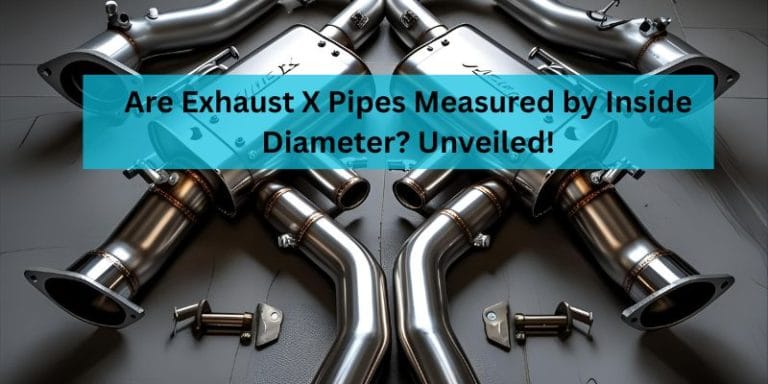
A common example in the aftermarket world is a dual-inlet, single-outlet muffler that effectively contains two muffling elements. The exhaust pipe from the engine connects to the dual inlets, and then everything exits through the single outlet.
When is Having Two Mufflers in One Exhaust Pipe NOT Problematic?
The good news is that this setup can work perfectly well and is even a standard configuration for some vehicles or aftermarket applications when done right. Here are the conditions under which it’s generally not problematic:
Designed for the Vehicle: If the vehicle came from the factory with this setup, or if it’s an aftermarket system specifically engineered for your car’s make, model, and engine, it’s designed to work. Engineers have balanced flow, sound, and performance.
Proper Flow Dynamics: The mufflers are chosen and installed in a way that doesn’t excessively restrict exhaust flow. This means the internal design of the mufflers allows gases to pass through efficiently.
Correct Backpressure: Every engine is designed to operate with a certain level of backpressure. This pressure helps the engine run efficiently. Properly designed dual mufflers (even in a single pipe) can maintain the correct backpressure.
Quality Installation: The exhaust pipes are properly connected, sealed, and supported. No leaks are present, and the additional weight and connections are secure.
Sound Management: The primary goal is often to achieve a specific sound profile – perhaps a deeper tone or a quieter operation. If the setup accomplishes this without creating unwanted exhaust notes or excessive noise, it’s successful.
In many performance applications, large single mufflers can be overly restrictive. Using two smaller, less restrictive mufflers in series can provide the same or better sound reduction with less of a flow impediment. This is a clever engineering solution.
Potential Problems and What to Watch Out For
While it can work, there are definitely scenarios where having two mufflers in one exhaust pipe can cause issues. These usually stem from improper implementation or design.
1. Excessive Backpressure
This is a big one. Every component in the exhaust system adds some resistance to the flow of gases. If you cram too much muffling capacity into the system, especially with poorly designed mufflers or a setup that forces the gases to change direction too sharply, you can create excessive backpressure.
What happens with too much backpressure?
Reduced Engine Power: The engine has to work harder to push exhaust gases out, meaning less of the engine’s energy goes to driving the wheels.
Decreased Fuel Efficiency: The engine struggles, consuming more fuel to achieve the same performance.
Overheating: Exhaust gases trapped in the engine can lead to higher engine temperatures.
Engine Damage: In extreme cases, prolonged operation with severe backpressure can lead to serious engine damage.
2. Poor Flow and Performance Loss
Related to backpressure, a poorly designed dual-muffler setup can simply impede the flow of exhaust gases. This means the engine can’t “breathe” as well. This is particularly noticeable during acceleration or under load.
3. Unwanted Noise and Drone
While mufflers are meant to reduce noise, a poorly implemented dual-muffler setup can sometimes create new and worse noises. This might include:
Louder overall noise: If the mufflers are too small or not designed for your engine, they might not do enough to quiet it down.
“Drone” or “Rasp”: Certain exhaust frequencies can be annoying, especially at highway speeds, creating a constant humming or roaring sound inside the cabin. This is often caused by the way sound waves resonate within poorly designed mufflers or piping.
Uneven Sound: If the mufflers aren’t identical or are installed improperly, you might get a lopsided or odd exhaust note.
4. Leaks and Structural Issues
Adding extra components means more joints and connections. If these aren’t welded or clamped correctly, exhaust leaks can occur.
Why are exhaust leaks bad?
Loud Noises: Obvious and unpleasant.
Safety Hazard: Exhaust gases contain carbon monoxide, a deadly, odorless gas. Leaks can allow this gas to enter the vehicle’s cabin.
Performance Issues: Leaks before the oxygen sensor can cause incorrect readings, leading to poor engine performance and check engine lights.
Corrosion: Leaks can also allow moisture and road salt to get into the exhaust, speeding up corrosion.
5. Weight and Clearance Issues
Adding extra mufflers and piping can increase the overall weight of the exhaust system. This is usually a minor concern for most daily drivers, but for performance vehicles, every pound counts. There can also be clearance issues, especially on vehicles with limited undercarriage space.
How to Identify a Problematic Setup
If you’re experiencing issues and suspect your dual mufflers might be the culprit, look for these signs:
Check Engine Light: Modern cars have sensors that monitor exhaust gas flow and composition. A problematic exhaust system can trip these codes.
Loss of Power, Especially During Acceleration: The most common symptom of restricted exhaust. The car feels sluggish and doesn’t accelerate as it should.
Increased Fuel Consumption: You’re filling up the gas tank more often than usual.
Unusual Noises: Loud rumbling, hissing, or a constant drone at certain speeds.
Smell of Exhaust Fumes: This is a critical safety warning sign. Get it checked immediately.
Visible Damage: Rust, cracks, loose connections, or hanging exhaust components.
Can You Combine Two Different Mufflers?
While technically possible, combining two different mufflers (even if they are both designed for a single exhaust pipe) into a single exhaust system is generally not recommended unless done by an experienced exhaust fabricator.
Here’s why:
Uneven Backpressure: Different mufflers have different internal designs, leading to different levels of restriction and backpressure. If you connect two dissimilar mufflers in series, the exhaust gas will encounter varying resistances, which can lead to unpredictable performance and sound.
Sound Mismatch: They might not cancel out sound waves effectively, potentially creating a more chaotic or undesirable exhaust note.
Flow Inefficiency: One muffler might be overly restrictive compared to the other, creating a bottleneck.
If you’re looking at an aftermarket system, it’s usually best to use a matched set of mufflers designed to work together, or a single muffler specifically engineered for your application.
What are “Performance Mufflers” and How Do They Relate?
Performance mufflers are designed to offer several benefits over stock mufflers, often while still making the car street-legal and reasonably quiet. They typically focus on:
Reduced Restriction: Allowing exhaust gases to escape more freely, which can improve horsepower and torque.
Specific Sound: Producing a throaty, aggressive tone that many enthusiasts desire.
Durability: Often made from corrosion-resistant materials.
Some performance mufflers are designed as “straight-through” or “glasspack” style. These might have a perforated core surrounded by sound-absorbing material. When a manufacturer designs a dual-inlet, single-outlet performance muffler, they are often packing two of these effective muffling elements into one housing to achieve a balance of sound reduction and flow. This is a prime example of a “two mufflers in one exhaust pipe” concept that is not problematic.
If you are considering aftermarket mufflers, research reputable brands that specialize in your vehicle’s make and model. You can often find forums or videos where enthusiasts share sound clips and impressions of different exhaust setups.
Fixing or Improving a Dual Muffler Setup
If you’ve identified an issue with your current dual muffler setup, here’s how you might address it:
1. Professional Inspection
Take your car to a reputable exhaust shop. They have the tools and expertise to:
Diagnose leaks.
Measure backpressure.
Inspect for damage or corrosion.
Assess the condition of your mufflers and piping.
A mechanic can tell you if the mufflers themselves are failing, if the installation is bad, or if the design is simply not suitable for your vehicle.
2. Replacing Mufflers
If the mufflers are damaged, rusted, or are causing performance issues, replacement is necessary.
Option A: Stock Replacement: Revert to the original factory mufflers (or direct-fit aftermarket equivalents) for guaranteed compatibility and quiet operation.
Option B: Engineered Aftermarket Dual Mufflers: Choose a system designed for your vehicle, perhaps from a reputable performance brand. These are often available with dual-inlet, single-outlet configurations that are essentially “two mufflers in one pipe” and engineered for optimal flow and sound.
Option C: Custom Fabrication: A skilled exhaust shop can fabricate a custom system. They can choose mufflers that fit your needs (sound, performance, size) and ensure they are installed correctly in a single exhaust pipe. This can be more expensive but offers the best customization.
For example, if your current setup is just two generic mufflers shoved into a single pipe without proper engineering, a shop might suggest replacing them with a single, high-flow muffler or specially designed dual-chamber muffler.
3. Addressing Leaks
Exhaust leaks are always a priority to fix for safety and performance. A shop will re-weld pipes, replace gaskets, or install new clamps as needed.
4. Gasket and Hanger Replacement
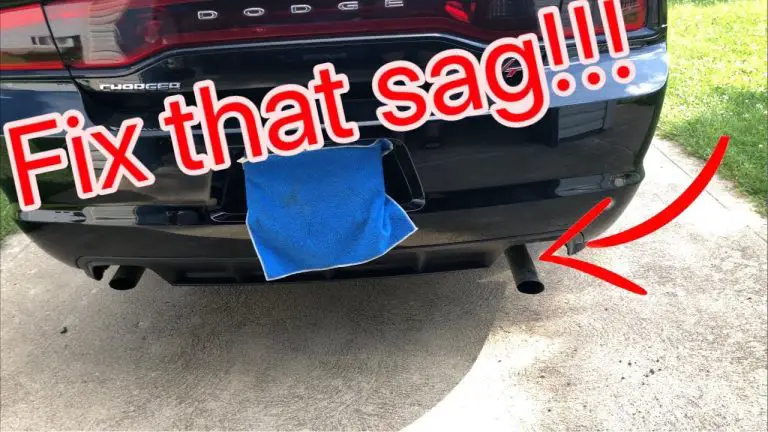
Over time, exhaust gaskets can degrade, and hangers can break. Replacing these small parts can often resolve exhaust leaks and prevent the system from sagging or breaking.
Tools You Might See Used for Inspection and Repair
While you likely won’t be doing these repairs yourself as a beginner, it’s good to know what tools a professional uses:
Vehicle Lift or Jack Stands: To safely raise the vehicle for access.
Exhaust Backpressure Tester: A crucial tool to measure the resistance in the exhaust system.
Smoke Machine: Used to detect exhaust leaks by creating visible smoke.
Welding Equipment: For fabricating or repairing exhaust pipes and hangers.
Pipe Benders: To create custom exhaust routing.
Various Wrenches and Socket Sets: For removing bolts and clamps.
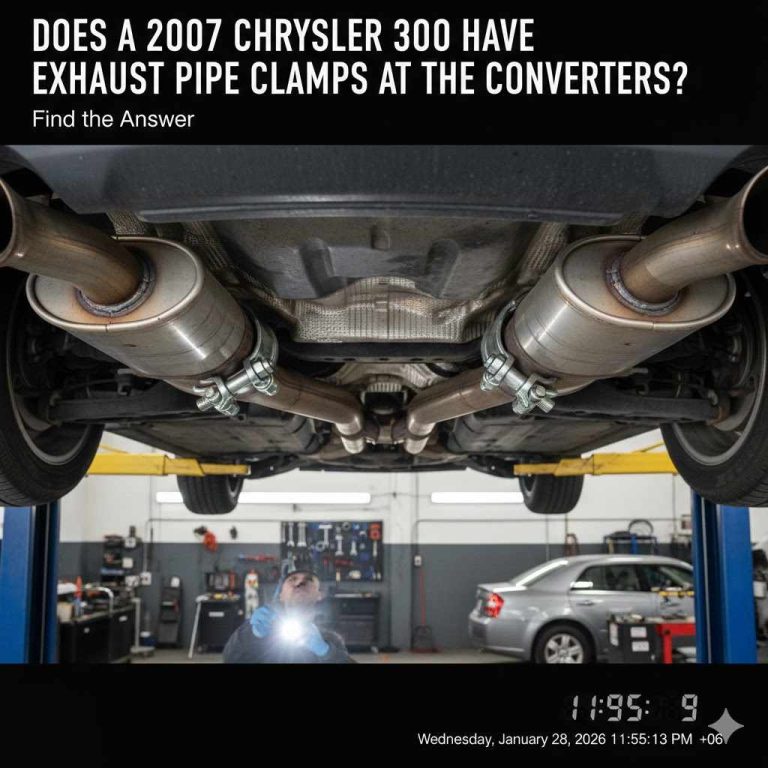
Inspection Mirror and Flashlight: For thoroughly inspecting the underside of the vehicle.
Making Informed Decisions About Your Exhaust
When considering “two mufflers in one exhaust pipe,” whether it’s a factory setup or an aftermarket modification, weigh the pros and cons carefully.
Potential Advantages (When Done Right):
Optimized sound quality (deeper tone, less drone).
Potentially better flow than a single, very restrictive muffler.
Achieving desired quietness without sacrificing too much performance.
Potential Disadvantages (When Not Done Right):
Excessive backpressure leading to power and efficiency loss.
Unwanted noise or drone.
Risk of exhaust leaks and safety hazards.
Poor fitment or structural issues.
The key takeaway is that the design and installation are paramount. A well-engineered dual-inlet, single-outlet muffler is an excellent example of a functional, non-problematic “two mufflers in one pipe” system. Conversely, haphazardly connecting two generic mufflers can lead to all sorts of troubles.
If you’re looking to change your exhaust sound or performance, always start with research specific to your vehicle. Consult with reputable exhaust shops, and don’t be afraid to ask questions about how the proposed setup will affect backpressure and flow.
Frequently Asked Questions (FAQ)
Q1: Will two mufflers in one exhaust pipe make my car louder?
It depends on the mufflers. If they are performance mufflers designed for sound, it might be louder than stock. However, if they are designed for quietness, they could make your car even quieter than a single, less effective muffler. The key is the specific design and quality of the mufflers, not just having two of them.
Q2: Can two mufflers in one exhaust pipe hurt my engine?
Yes, it absolutely can if the setup creates excessive backpressure. Too much resistance means the engine has to work harder and can overheat, potentially leading to engine damage over time. This is why proper design and installation by professionals are crucial.
Q3: How can I tell if my exhaust system is leaking?
The most common signs of an exhaust leak are a loud hissing or puffing sound, especially when the engine is cold. You might also smell exhaust fumes inside the car (which is a serious safety hazard) or notice a decrease in engine performance. Exhaust components may also appear rusty or broken.
Q4: What is considered “good” backpressure for an exhaust system?
There isn’t a single number that applies to all cars. The ideal backpressure is specific to your vehicle’s engine design and year. Manufacturers design systems to achieve a particular backpressure range for optimal performance and efficiency. Generally, higher backpressure means more restriction.