Are Two Exhaust Pipes Better Than One? Proven Benefits
Generally, two exhaust pipes (a dual exhaust system) can offer performance benefits like increased horsepower and better sound, but whether they are objectively “better” depends on your car and driving needs. They aren’t always necessary for everyday driving and can add complexity and cost.
Ever looked at a car and noticed it has two shiny pipes sticking out the back? You might wonder, “Do those extra pipes actually do anything?” It’s a common question among car owners, and the answer isn’t a simple yes or no. Many people assume that more pipes automatically mean a better car, but the truth is a bit more nuanced. If you’re curious about whether a dual exhaust system is truly superior to a single one, you’ve come to the right place. We’ll break down the benefits and explain what it all means for your car in easy-to-understand terms. Stick around, and by the end, you’ll know exactly when two pipes might be better than one.
The Big Question: Are Two Exhaust Pipes Better Than One?
This is the million-dollar question many car enthusiasts and everyday drivers alike ponder when they see vehicles sporting a flashy dual exhaust setup. The simple truth is, there’s no one-size-fits-all answer. Two exhaust pipes, often referred to as a dual exhaust system, can indeed offer advantages over a single exhaust pipe, especially when it comes to performance and sound. However, these benefits aren’t magic bullets. They often come into play more significantly in high-performance or specialized vehicles. For the average commuter car, the difference might be subtle or even negligible. We’ll dive into the specific benefits you might see and help you understand if a dual exhaust makes sense for your ride.
Understanding How Exhaust Systems Work
Before we can talk about why two pipes might be better, let’s quickly touch upon what your exhaust system actually does. Think of it as your car’s respiratory system. After your engine burns fuel, it creates exhaust gases – essentially, waste products. The exhaust system’s job is to safely channel these hot, noisy, and harmful gases away from the engine and out from under your car. It also plays a crucial role in muffling the noise your engine makes and reducing harmful emissions.
A typical exhaust system includes several key parts:
- Exhaust Manifold: This collects the exhaust gases from each engine cylinder.
- Downpipe: Connects the manifold to the rest of the system.
- Catalytic Converter: This is a vital emission control device that converts harmful pollutants into less harmful gases. You can learn more about its function from the U.S. Environmental Protection Agency.
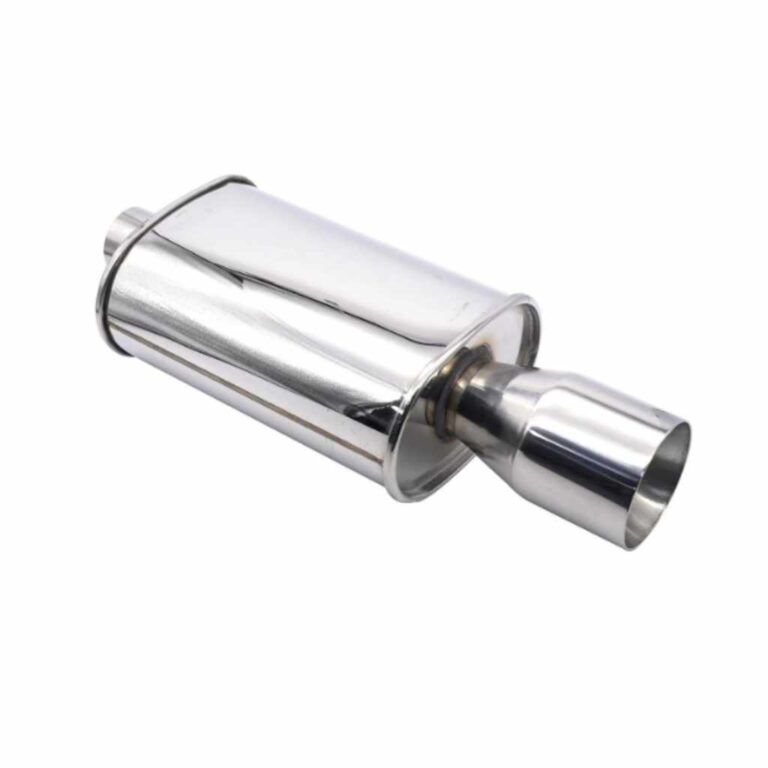
- Muffler: This is where the sound is reduced. It uses baffles and chambers to quiet the engine’s roar.
- Tailpipe: The final pipe that lets the gases exit your vehicle.
A single exhaust system usually has one main path from the engine to the tailpipe. A dual exhaust system, on the other hand, splits this path, often after the exhaust manifold or catalytic converter, and uses two separate pipes, mufflers, and tailpipes.
Proven Benefits of a Dual Exhaust System
Now that we have a basic understanding of the exhaust system, let’s explore the specific advantages that a dual exhaust system can offer. These benefits are often the reason why performance-oriented vehicles come equipped with them from the factory, or why enthusiasts opt for them as an upgrade.
1. Improved Engine Performance and Horsepower
This is perhaps the most talked-about benefit. A dual exhaust system can help your engine breathe more freely. Here’s how:
- Reduced Exhaust Backpressure: Every component in the exhaust system creates some resistance to the flow of gases – this is called backpressure. Too much backpressure can hinder the engine’s ability to expel exhaust gases efficiently. Think of it like trying to exhale with your mouth almost closed; it’s harder and slower. With two pipes, the exhaust gases have more space to escape, reducing backpressure. This allows the engine to expel spent gases more quickly, making room for the fresh air-fuel mixture needed for the next combustion cycle.
- Increased Airflow: Less backpressure means better airflow. When gases can exit more easily, more air and fuel can enter the cylinders for combustion. This increased efficiency can translate directly into more horsepower and torque (the turning force of the engine).
- Better Scavenging: In a well-designed dual exhaust, the gases exiting one pipe can help “pull” gases from the other cylinder bank more effectively. This is called scavenging, and it further helps clear the cylinders for optimal performance.
For engines with a V-configuration (like V6, V8, V10, V12), a dual exhaust system often works particularly well because it can provide a dedicated exhaust path for each bank of cylinders. This setup is highly efficient at managing the exhaust flow from these engine types.
2. Enhanced Engine Sound
Let’s be honest, the sound of a car’s engine is a big part of its appeal for many enthusiasts. A dual exhaust system can significantly alter and often improve the sound profile of your vehicle.
- Deeper, More Aggressive Tone: The common perception is that dual exhaust systems produce a deeper, more aggressive, and sportier sound compared to single exhaust systems. This is because the exhaust gases are routed through two separate mufflers and pipes, which can alter the resonance and tone.
- More Complex Sound: Depending on the design and components, a dual exhaust might produce a more complex and satisfying ‘rumble’ or ‘growl’. The sound is often perceived as richer and fuller.
- Customization: The specific sound can be further fine-tuned by choosing different types of mufflers and resonators. Aftermarket dual exhaust systems are widely available, offering various sound profiles from mild and refined to loud and attention-grabbing.
While “better” sound is subjective, many find the richer, more potent sound of a dual exhaust to be a major upgrade.
3. Improved Fuel Efficiency (Potentially)
This benefit is a bit more controversial and depends heavily on other factors. However, in certain well-designed systems, particularly those that significantly reduce backpressure and improve engine efficiency, you might see a slight improvement in fuel economy.
How does this work? If your engine doesn’t have to work as hard to push exhaust gases out, it can potentially use fuel more efficiently. When the engine runs more smoothly and expels gases more freely, it can operate within its optimal efficiency range more often. However, it’s important to note that this is not guaranteed. If a dual exhaust system is designed poorly, has too large of pipes for your engine, or is paired with an aggressive driving style, fuel economy can actually decrease.
Think of it this way: if you’re constantly accelerating hard to enjoy the sound, you’ll use more fuel regardless of the exhaust. But on steady cruising, an efficient engine can be more economical.
4. Aesthetics and Visual Appeal
There’s no denying that a dual exhaust system can significantly enhance the visual appeal of a car. This is a purely cosmetic benefit, but it’s a strong motivator for many car owners.
- Sporty Look: Dual exhaust tips protruding from the rear bumper often give a car a sportier, more aggressive, and performance-oriented look. It signals that the car might have more power under the hood.
- Balanced Appearance: For vehicles with wider rear ends or specific body styling, dual exhaust pipes can create a more symmetrical and balanced visual appearance.
- Customization Options: Beyond just the number of pipes, the style and finish of the exhaust tips (chrome, black, polished stainless steel, etc.) offer further opportunities for personalization.
For many, the enhanced look alone is a compelling reason to consider a dual exhaust system.
When Are Two Exhaust Pipes Not Necessarily Better?
While the benefits of a dual exhaust system are clear for performance applications, they aren’t always the best choice for every car or driver. Here are some situations where a single exhaust might be perfectly adequate, or even preferable:
1. Everyday Commuter Vehicles
For most standard cars and SUVs used for daily commuting, the demands on the engine are generally low. The factory-provided single exhaust system is almost always engineered to be sufficient for the engine’s performance and emissions requirements. Installing a dual exhaust on such a vehicle is unlikely to yield noticeable performance gains and would primarily be for aesthetic reasons or a desire for a sportier sound, potentially at the cost of increased complexity and maintenance.
2. Cost Considerations
A dual exhaust system is inherently more complex and thus more expensive than a single exhaust system. This applies to both the initial purchase if you’re upgrading and potential repair costs down the line.
- Installation Costs: Fitting a dual exhaust system usually involves more labor and parts, leading to higher installation fees.
- Maintenance and Repair: With twice the components (often two mufflers, two tailpipes, and more piping), there are simply more parts that can rust, break, or fail. This means potentially higher costs for replacement parts and repairs.
3. Increased Weight
While often a minor concern for everyday drivers, adding a second set of exhaust components will add a small amount of extra weight to the vehicle. In motorsports or for performance enthusiasts highly focused on weight reduction, this could be a negative factor. Each part is made of metal, and two systems mean more metal overall.
4. Emissions and Regulations
While most modern exhaust systems are designed to meet strict emissions standards, altering your exhaust system can sometimes have unintended consequences. In some regions, modifying exhaust systems may also be subject to local regulations or inspection requirements. It’s always wise to check with local authorities or a trusted mechanic about potential impacts on emissions compliance before making significant changes.
A well-designed dual exhaust system should still meet emissions standards, but any modifications should be considered carefully. The Clean Air Act sets federal standards that vehicles must meet, and aftermarket modifications can affect this.
5. Complexity of Installation and Maintenance
For DIY enthusiasts, a single exhaust system is generally simpler to work on. Dual exhaust systems can be more challenging due to the routing of the extra pipes and having more components to unbolt and re-bolt. For professional mechanics, it might not be a significant difference, but it can add time to the job, contributing to overall cost.
Types of Dual Exhaust Systems
Not all dual exhaust systems are created equal. There are generally two main types, each with different implications:
1. True Dual Exhaust
This is the more complex and often more effective system. It involves two completely separate exhaust pipes, mufflers, and tailpipes running from the engine’s exhaust manifolds all the way to the rear of the car. Each bank of cylinders (in a V-engine) or each side of the engine (in an inline engine) has its own independent exhaust path. This setup offers the maximum benefit in terms of reduced backpressure and performance gains.
2. Split Dual Exhaust (or Twin)
This is a more common and less complex setup. It typically starts as a single exhaust pipe that runs from the engine and then, usually after the catalytic converter or muffler, splits into two separate pipes that lead to two mufflers and two tailpipes. While it offers the visual appeal and a more aggressive sound, the performance benefits might be more limited compared to a true dual exhaust because the gases still have to pass through a single path for a portion of the system, creating some backpressure. However, it’s still often better than a single exhaust.
Here’s a simple comparison:
| Feature | True Dual Exhaust | Split Dual Exhaust |
|---|---|---|
| Piping | Two completely separate paths from manifold to tailpipe. | Single path splits into two later in the system. |
| Complexity | High | Medium |
| Performance Potential | Highest (significant reduction in backpressure) | Moderate (better than single, less than true dual) |
| Cost | Highest | Moderate |
| Sound | Generally deeper, more aggressive | Deeper, more aggressive (can vary) |
| Aesthetics | Dual tips | Dual tips |
What to Look For When Considering a Dual Exhaust
If you’re thinking about upgrading to a dual exhaust system, here are some things to keep in mind:
- Your Vehicle’s Engine: Dual exhausts are most beneficial for larger, performance-oriented engines, especially V-type engines. For smaller 4-cylinder engines, the gains are often minimal.
- Your Goals: Are you looking for more horsepower, a sportier sound, or just a bolder look? Your primary goal will help you choose the right type of system.
- System Design: Opt for a system designed for your specific vehicle make and model. This ensures proper fitment and optimal performance. Look for reputable brands.
- Material Quality: Exhaust components are exposed to heat, moisture, and road debris. Stainless steel is generally more durable and corrosion-resistant than aluminized steel.
- Sound Level: If you live in a neighborhood where noise might be an issue, or if you prefer a subtler sound, research the specific sound profiles offered by different exhaust systems and mufflers. Many manufacturers offer “muffler delete” versions which are extremely loud and can attract unwanted attention or lead to legal issues.
Consulting with a professional exhaust shop or a mechanic who specializes in performance modifications is always a good idea. They can help you understand what options are best suited for your car and your budget.
Frequently Asked Questions (FAQ)
Q1: Will a dual exhaust system make my car faster?
A: Potentially, yes. A well-designed dual exhaust system can reduce backpressure and improve airflow, leading to modest gains in horsepower and torque. However, the gains are usually more significant on performance vehicles and may be negligible on standard commuter cars.
Q2: Does my car need two exhaust pipes?
A: For most standard cars and SUVs, the original single exhaust system is perfectly adequate for normal driving. Your car does not “need” two exhaust pipes to function. Dual exhausts are typically an upgrade for enhanced performance, sound, or aesthetics.
Q3: Is a dual exhaust system louder than a single exhaust?
A: Generally, yes. Dual exhaust systems often produce a deeper, more aggressive, and louder sound than single exhaust systems, due to the increased volume and flow of gases through two pipes and mufflers. However, the exact sound depends heavily on the muffler design and other components used.
Q4: Will a dual exhaust improve my car’s fuel economy?
A: It’s possible, but not guaranteed. A more efficient engine due to reduced backpressure might improve fuel economy slightly under steady driving conditions. However, if the system is poorly designed or if you tend to drive more aggressively to enjoy the sound, fuel economy could decrease.
Q5: Are dual exhaust systems legal everywhere?
A: In most places, yes, as long as they function correctly and meet local emissions and noise regulations. However, some areas have specific laws regarding exhaust noise levels or modifications. It’s best to check local ordinances or consult with your state’s Department of Motor Vehicles (DMV) or equivalent authority regarding regulations for exhaust systems.
Q6: How much does a dual exhaust upgrade typically cost?
A: The cost can vary widely depending on the type of system (split vs. true dual), the materials used (e.g., stainless steel), the brand, and whether you include performance catalytic converters or other components. For basic split dual exhaust kits, prices can range from a few hundred dollars for parts only to over $1,500 for high-end systems, plus installation labor, which can add several hundred dollars more.
Q7: Can I install a dual exhaust myself?
A: For those with good mechanical skills and the right tools, installing a bolt-on dual exhaust kit can be a manageable DIY project. However, true dual exhaust systems or custom setups might require welding and more advanced fabrication. If you’re unsure, it’s always best to have it installed by a professional exhaust shop.
Conclusion: Weighing the Pros and Cons
So, are two exhaust pipes better than one? The answer, as we’ve explored, is a qualified “it depends.” For drivers seeking a performance edge, a more engaging engine note, or a sportier visual presence, a dual exhaust system can offer genuine benefits. The potential for increased horsepower, improved engine breathing, and a richer exhaust sound are compelling reasons for enthusiasts to consider the upgrade.