Does AutoZone Sell Exhaust Pipes? Your Simple Guide
Figuring out where to buy car parts can sometimes feel tricky, especially when you’re just starting. Many people wonder, Does AutoZone Sell Exhaust Pipes? It’s a common question because you need the right parts to keep your car running smoothly. Don’t worry, this guide will make it easy! We’ll explore AutoZone’s offerings and show you exactly what you need to know, step-by-step. Get ready to find the exhaust pipe you need!
Checking AutoZone’s Inventory for Exhaust Parts
The first step is always to check the AutoZone inventory. They stock many different parts, but whether they have exhaust pipes depends on factors like your car’s make, model, and year. Their online catalog and in-store resources are key to helping you find what you need. They provide detailed information that can narrow down your search and help you make the right choice. Knowing what’s available helps you plan your next steps and avoid unnecessary trips or delays. AutoZone has a website and mobile app, making it easier than ever to search for parts.
Finding the Right Exhaust Pipe Online
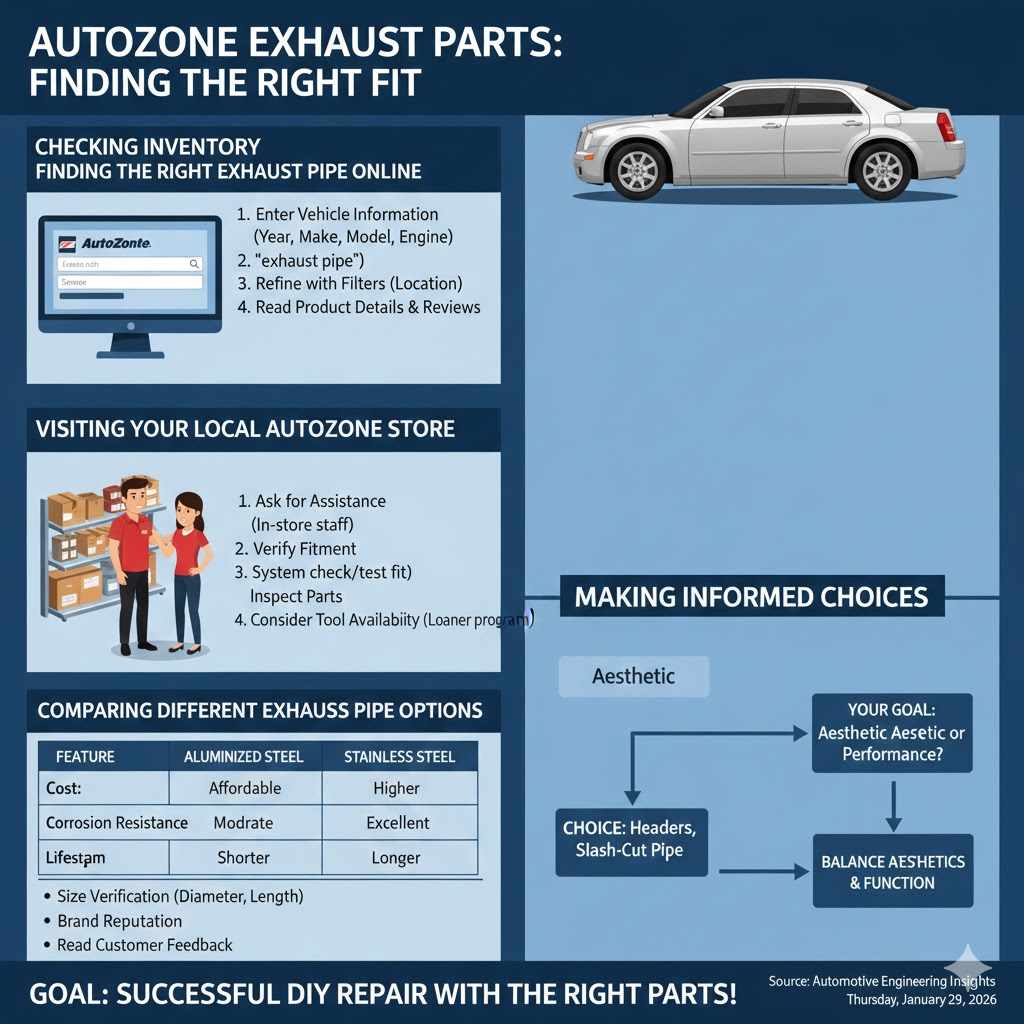
AutoZone’s website is a powerful tool to find your exhaust pipe. To begin, go to the AutoZone website. You’ll usually see a section where you can enter your vehicle’s information. This includes your car’s year, make (like Honda or Ford), model (like Civic or F-150), and the engine size. Once you’ve entered your car’s details, the website will show you compatible parts, including exhaust pipes. You can also use the search bar, entering keywords like “exhaust pipe” and your car’s specific model.
Be aware of the pipe’s type such as, catalytic converter pipes, muffler pipes, or tailpipes. Use filters to narrow down the options and see the available sizes, materials, and price ranges. Many websites offer images, descriptions, and customer reviews, so read these before making a choice.
- Vehicle Information: This is the most critical step. Enter your car’s make, model, year, and engine to ensure compatibility. If these details aren’t accurate, the parts you find won’t fit your car.
- Part Search: Once you’ve entered your vehicle info, type “exhaust pipe” into the search bar. This is a direct approach to find the relevant parts.
- Refine Search with Filters: After your initial search, use the filters. These are crucial because there are many types of exhaust parts. You may need to specify the pipe’s location (front, rear, etc.).
- Read Product Details: Before buying, look at the product descriptions, specifications, and customer reviews. This can provide important information about the pipe.
Visiting Your Local AutoZone Store
Sometimes, looking in-person is better than browsing online. A visit to your local AutoZone store can be really beneficial. Store staff can directly assist you. They have access to the same information and can help you find the correct parts for your car. The employees can verify fitment by checking their systems or even measuring your existing exhaust pipe. You can visually inspect the pipes, check for any visible damage, and confirm the quality before purchasing. Walking in allows you to avoid shipping costs and receive the part immediately. The store can also offer guidance on installation. For those who aren’t familiar with exhaust systems, the store staff might point out the specific location. They can also offer some tips about what tools will be needed.
- Ask for Assistance: When you go to the store, don’t be afraid to ask for help. Staff members are trained to help you find the parts you need.
- Verify Fitment: The AutoZone employees can check their systems to confirm the pipe is made for your car. Some stores also offer a test fit.
- Inspect Parts: Before purchasing, take a look at the pipe. Check for any visible flaws or damage. Seeing the part in person can sometimes make choosing easier.
- Consider Tool Availability: While you are there, ask about tools if you plan to install the pipe yourself. The stores will usually have a selection.
Comparing Different Exhaust Pipe Options
When you’re searching, you’ll see a variety of exhaust pipe options. These pipes vary in materials, sizes, and price. Some of the most common materials are aluminized steel and stainless steel. Stainless steel is often more expensive but it has better resistance to corrosion and lasts longer. Aluminized steel is a more affordable alternative but may not endure harsh conditions as long. Different pipe sizes are available, too, so you must select the right fit for your car. Check the pipe diameter and length to make sure it matches your existing system or any modifications you’ve made. Price is a consideration. Prices vary based on material, brand, and features. Always read customer reviews to get a sense of the pipe’s quality and performance.
- Material Matters: Stainless steel offers better resistance to rust than aluminized steel. Choose the material based on your budget and how you drive.
- Size Verification: Make sure the pipe diameter and length match your car’s requirements. Wrong sizes won’t fit correctly.
- Brand Reputation: Research different brands. Some brands are known for quality and reliability.
- Review Customer Feedback: Always read reviews before making a choice. Other customers’ experiences can give you insights into the product.
Common Exhaust Pipe Types and Their Uses
Understanding the different types of exhaust pipes will help you choose the right one for your vehicle. Different types serve different functions within the exhaust system. This section will describe the most common types and their purposes. Knowing what each pipe does can help you decide which one you need to replace or upgrade. When you understand the function of each type, you can make an informed choice.
Catalytic Converter Pipes
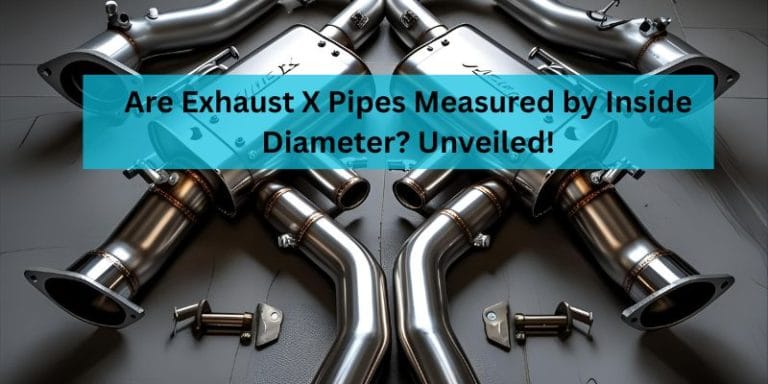
Catalytic converter pipes are key components of the exhaust system, as they house the catalytic converter. The catalytic converter is an emissions control device that reduces harmful pollutants in the exhaust gases. These pipes are installed before and after the converter and connect it to other exhaust components. They are designed to withstand high temperatures and the corrosive environment caused by exhaust gases. These pipes typically have a flanged or welded design to ensure a tight, leak-free connection. The pipes are usually made of stainless steel because of its resistance to corrosion and durability. They are essential to maintaining your car’s emissions compliance and overall performance.
- Emission Control: The main purpose is to reduce air pollution by converting harmful gases into less harmful substances.
- Material: Often made of stainless steel for its durability and resistance to corrosion and high temperatures.
- Location: These are placed before and after the catalytic converter.
- Connection Types: Flanged or welded designs are used to ensure a tight connection.
Muffler Pipes
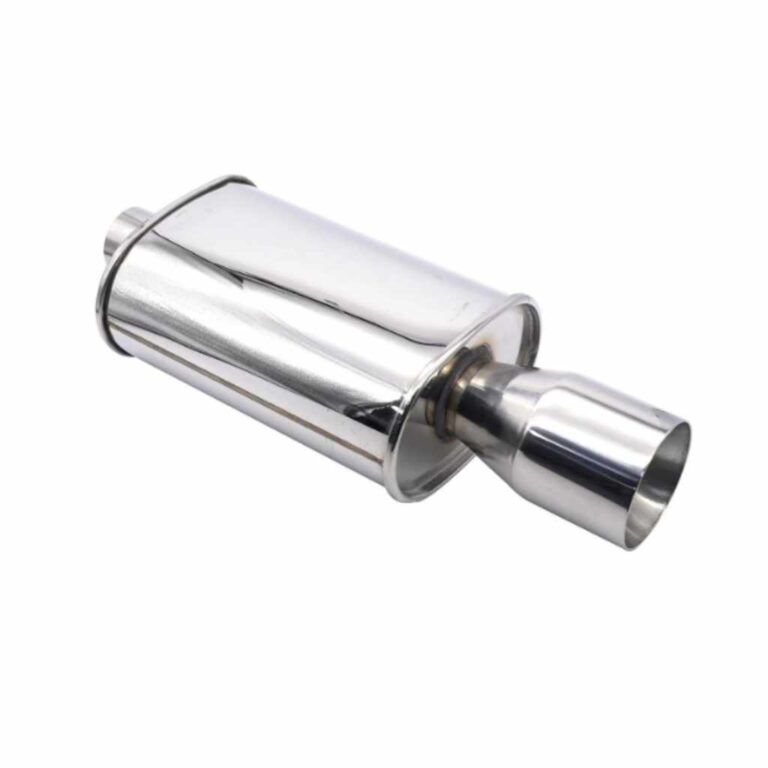
Muffler pipes are used to connect the muffler to other parts of the exhaust system. The muffler reduces engine noise by absorbing and dissipating sound waves. These pipes are an important part of the exhaust system, as they direct exhaust gases away from the engine. They’re built to handle high temperatures and must withstand the vibrations that come from your car. They come in various shapes and sizes to fit different vehicle models. The materials include aluminized steel and stainless steel, with stainless steel offering better corrosion resistance. If you notice a loud engine noise, it might be due to a faulty muffler pipe. The installation of a new one can bring the noise levels down.
- Sound Reduction: The primary goal of muffler pipes is to reduce engine noise.
- Connection to the Muffler: These pipes attach the muffler to the rest of the exhaust system.
- Material Choices: Aluminized steel and stainless steel are common, with stainless steel offering better longevity.
- Importance of Fit: Proper fit is important for optimum performance and noise reduction.
Tailpipes
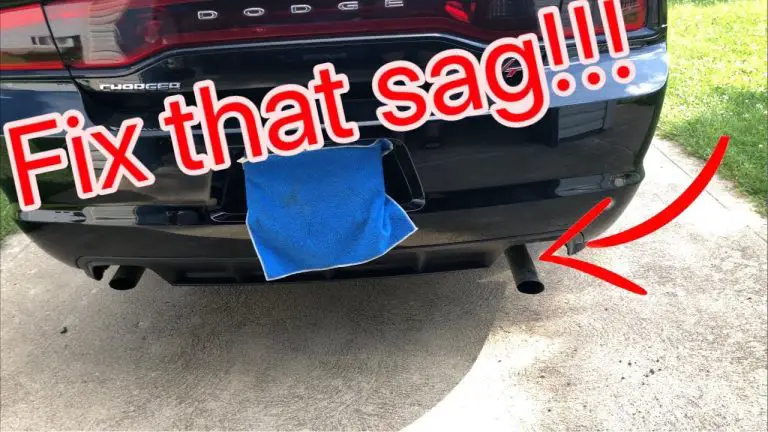
The tailpipe is the final part of the exhaust system. Its main task is to expel exhaust gases away from the vehicle. Tailpipes usually extend from the muffler to the rear of the car. Tailpipes are often visible, so they can affect the vehicle’s look. Tailpipes can come with different tip styles, such as polished stainless steel or chrome. The material varies, but stainless steel is often used because of its durability and ability to resist corrosion. Regular inspections can detect any damage or corrosion. If the tailpipe is damaged, it might release exhaust gases which can create safety issues. You should think about the tailpipe’s style and material when choosing one.
- Exhaust Gas Exit: The tailpipe’s main job is to remove exhaust gases away from the vehicle.
- Location: It’s the last part of the exhaust system and often visible.
- Style Options: Different tip styles are available to enhance the vehicle’s appearance.
- Material: Stainless steel is a popular choice for durability and resistance to rust.
Factors Affecting Exhaust Pipe Pricing
When searching for an exhaust pipe, the price will vary widely. There are several factors that affect the cost. Understanding these elements can help you make an informed decision and stay within your budget. Costs can vary a lot, depending on several factors, so it is important to be aware of the key influences that will affect the price. Knowing these factors is a great way to better budget for your vehicle’s maintenance needs.
Material and Construction Costs
The material and how the exhaust pipe is built significantly affect the price. Stainless steel is often more expensive than aluminized steel because of its properties. Stainless steel is more resistant to rust and lasts longer, so this can affect the cost of the pipe. The construction of the pipe, whether it is welded or formed, can also influence the cost. More intricate designs or those requiring more labor will typically be priced higher. It is a good idea to consider your driving conditions. If you drive in areas with salt or wet weather, stainless steel may be a better investment, even if it has a higher initial cost. If you drive in less harsh conditions, aluminized steel might be a reasonable choice.
- Stainless Steel Advantages: This material is known for its durability and corrosion resistance, which often leads to a higher price.
- Aluminized Steel: A more cost-effective option than stainless steel, but not as resistant to corrosion.
- Construction Method: Welded pipes can be more expensive than stamped ones.
- Design Complexity: Intricate designs often result in higher prices due to the added labor and manufacturing processes.
Brand Reputation and Warranty
The brand is a major factor, as established brands often come with a higher price tag. This can be associated with higher quality parts and a better customer experience. They may use superior materials and more advanced manufacturing techniques. Established brands often offer comprehensive warranties, which adds to the price but provides peace of mind. A warranty protects the consumer from manufacturing defects or premature failures. A longer warranty usually means a better-quality part. When looking for a replacement exhaust pipe, check the brand’s reputation by reading reviews and talking to other car owners. This might affect your decision and ensure you’re getting a good value for your money.
- Premium Brands: Well-known brands often have higher prices but offer higher-quality parts.
- Warranty Protection: A comprehensive warranty can add to the price but protects you from defects.
- Customer Reviews: Check customer feedback to evaluate the brand’s reliability.
- Quality Assurance: Established brands often invest in quality control measures to reduce product failures.
Additional Features and Modifications
If an exhaust pipe has special features, it may cost more. Pipes may have performance-enhancing features such as improved flow characteristics or advanced muffler designs. These features will often increase the price. Modifications like custom bends or finishes can also affect the cost. High-performance exhaust systems that improve the car’s power and efficiency tend to cost more. When you’re thinking about buying an exhaust pipe, it’s a good idea to think about how these options can benefit you. Whether you want to improve performance or simply replace a damaged part, always make sure the additional cost matches your needs. Also, modifications and specialized products may increase the price, so think about your budget.
- Performance Enhancements: Features like improved flow can raise the price.
- Customization: Personalized bends or finishes will typically cost more.
- Specialized Designs: Performance exhaust systems cost more.
- Installation: Think about the added cost of installation or modifications.
Does AutoZone Sell Exhaust Pipes? – A Recap
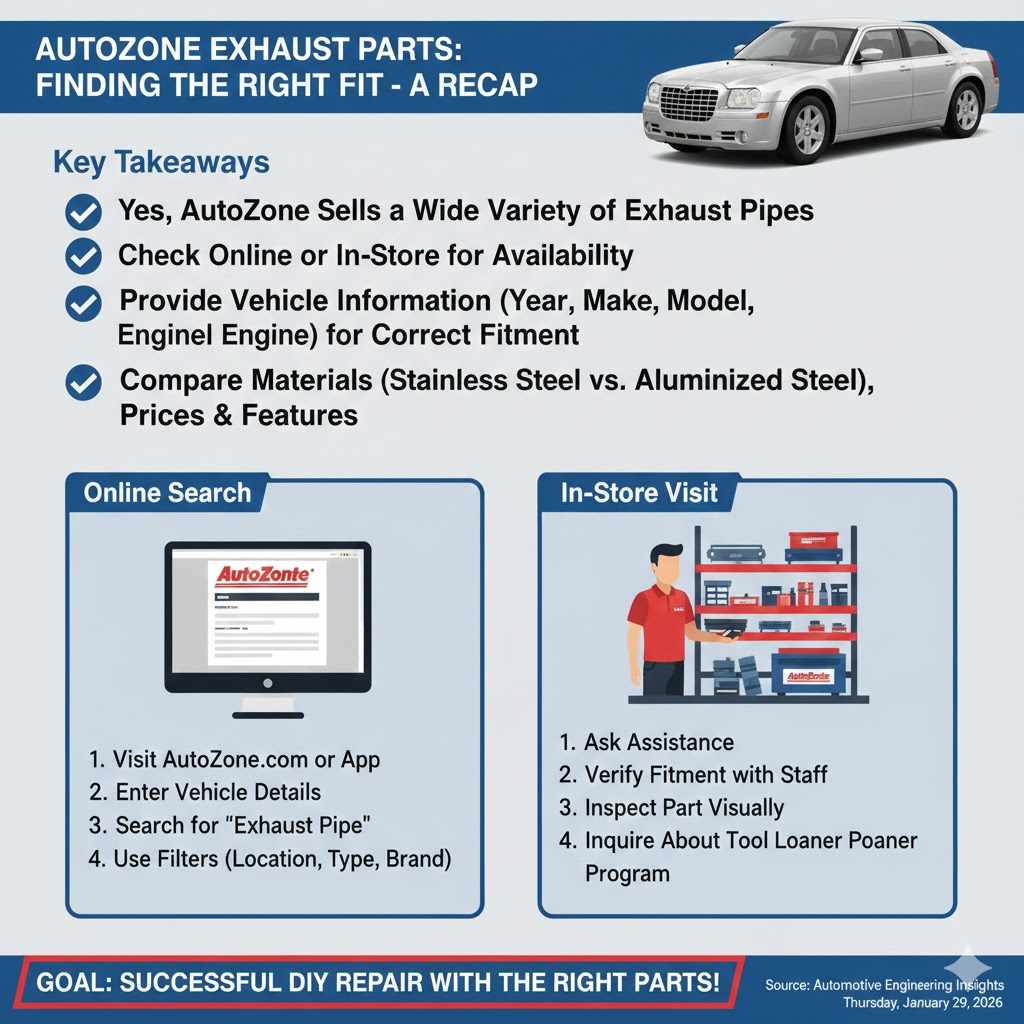
Yes, AutoZone sells exhaust pipes. They stock many different pipes, including those for catalytic converters, mufflers, and tailpipes. To be sure they have the right part, search online or visit a store. Be sure to provide your car’s information for the correct fit. Also, you should examine materials, prices, and features to make a well-informed choice.
Frequently Asked Questions
Question: Does AutoZone offer installation services for exhaust pipes?
Answer: AutoZone does not provide installation services. However, they can provide assistance and tools. You will likely need to install the exhaust pipe yourself or hire a mechanic.
Question: Can I return an exhaust pipe to AutoZone if it doesn’t fit my car?
Answer: Yes, AutoZone generally allows returns within a specific timeframe, as long as the part is unused and in its original packaging. Always keep your receipt and check the store’s return policy. Be sure to check with the store ahead of time.
Question: What are the main materials used for exhaust pipes sold at AutoZone?
Answer: AutoZone primarily offers exhaust pipes made of aluminized steel and stainless steel. Stainless steel is often more expensive but more resistant to corrosion.
Question: How do I know which exhaust pipe size to buy?
Answer: The size depends on your car’s make, model, year, and engine. You can search online using your vehicle’s information or ask an AutoZone employee for assistance. You can also measure the existing pipe.
Question: Does AutoZone carry exhaust pipes for all car makes and models?
Answer: AutoZone stocks a wide selection, but availability depends on your car’s make, model, and year. It’s best to check their website or visit the store to confirm availability for your specific vehicle.
Final Thoughts
So, Does AutoZone Sell Exhaust Pipes? The simple answer is yes! You can find a range of pipes to fit your vehicle. This guide has helped you explore what to search for at AutoZone, including how to find the proper fit and compare prices. By looking at different exhaust pipe types and knowing the factors that affect pricing, you’re now ready to purchase with confidence. Remember to always double-check the details and read reviews. With this knowledge, you can confidently find and buy the exhaust pipe you need. Keep your car running smoothly!