Do You Need a Tuner With Freedom Exhaust Pipes?
Figuring out if Do You Need a Tuner With Freedom Exhaust Pipes? can be tricky when you’re starting. It seems like a complicated question, but don’t worry! We’ll break it down step by step, so you can easily understand what you need to know. We’ll go through the basics, explain some common terms, and show you exactly what to do. Let’s explore how a tuner works with your exhaust and whether you might need one.
What Are Freedom Exhaust Pipes and Why Consider Them?
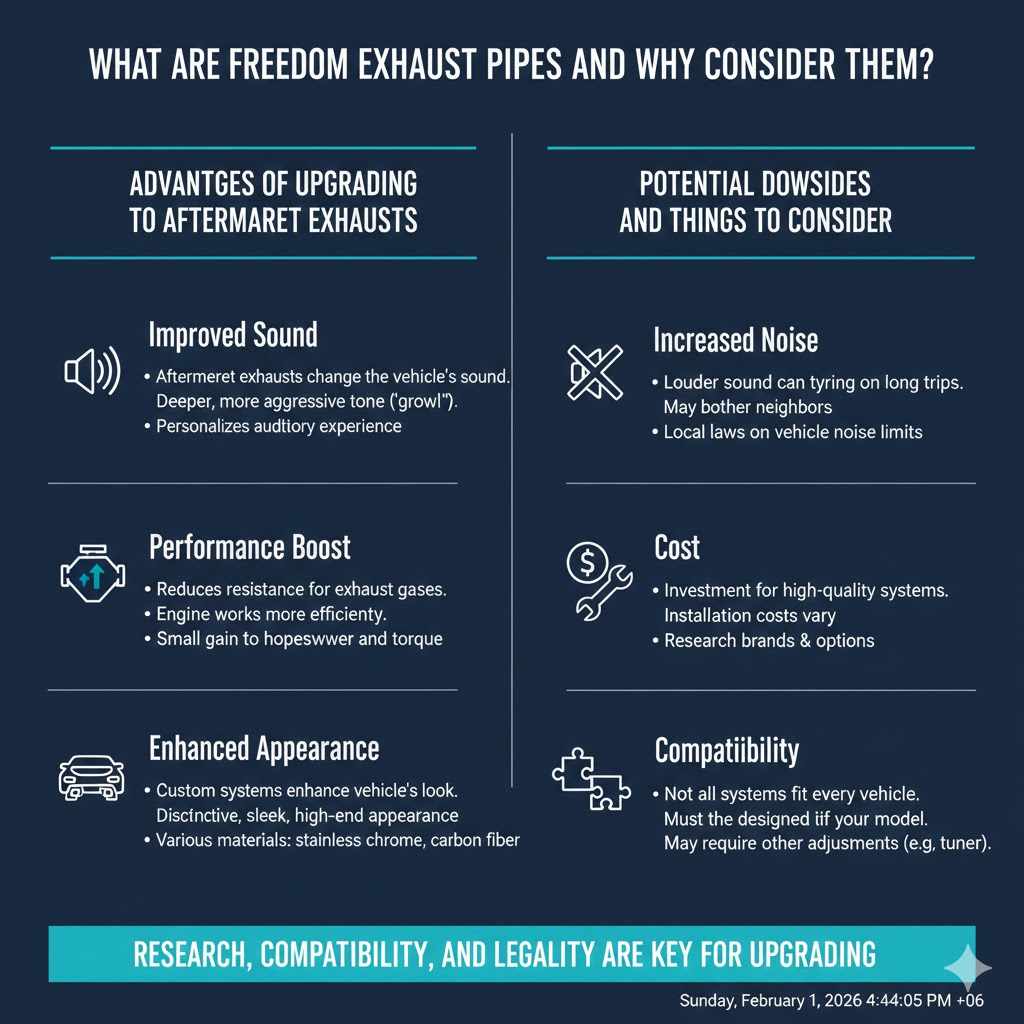
Freedom exhaust pipes are often chosen by motorcycle and car enthusiasts for a few good reasons. They’re usually made to improve the sound of your vehicle, making it louder and potentially more aggressive. These pipes can also improve performance, as they sometimes allow for better airflow. Because the exhaust gases can exit the engine quicker, the engine might run more efficiently. This often means a boost in horsepower and torque, which can make the vehicle feel faster and more responsive. Keep in mind that changes like this can sometimes impact how your engine runs, leading us to our main question about a tuner.
Advantages of Upgrading to Aftermarket Exhausts
Improved Sound: Aftermarket exhausts can completely change the sound of a vehicle. They give it a deeper, more aggressive tone that many people enjoy. This is a primary reason drivers make the switch, wanting that “growl” that shows they are around.
The sounds that different vehicles make vary based on a lot of things. The construction of the exhaust, the materials used, and the vehicle’s engine design will all affect the output. Some are designed for a deep, rumbling sound, while others focus on a high-pitched, sporty note. The appeal of a custom exhaust is its ability to personalize the auditory experience of the driving experience.
Performance Boost: While not always a huge increase, aftermarket exhausts can help improve a vehicle’s performance. By reducing the resistance that exhaust gases face, the engine can work more efficiently. This can often translate into a small gain in horsepower and torque.
The extent of this improvement depends on factors like the type of engine and the design of the exhaust. However, even a small improvement can make a difference in how the vehicle feels and responds. Often, these performance gains are best achieved when the exhaust upgrade is combined with other modifications, such as a tuner to adjust the engine’s settings to match the new exhaust.
Enhanced Appearance: Custom exhaust systems can greatly enhance a vehicle’s appearance. Many aftermarket pipes have a distinctive look. They can also offer a sleek, high-end appearance, which adds to a vehicle’s overall appeal.
The options for customization are very broad. There are various materials, like stainless steel, chrome, and carbon fiber. The style of the exhaust tip can be chosen as well. Custom exhaust systems are seen as a status symbol in some circles. They can also make a vehicle look more aggressive and sportier, making it stand out from the crowd.
Potential Downsides and Things to Consider
Increased Noise: The louder sound from a new exhaust can be a drawback for some people. It can get tiring on long trips. In some areas, there are laws about how loud your vehicle can be.
A loud exhaust can definitely turn heads, but it can also attract unwanted attention from law enforcement. The increased noise can also bother neighbors or others nearby. Before purchasing, it is important to consider both the potential benefits and the drawbacks of a louder exhaust to make sure it’s the right choice for you.
Cost: Installing a new exhaust is an investment. High-quality systems can be pricey. You also have to add in the cost of installation, which can vary.
It is important to remember that the price of an exhaust system is just the initial cost. There may be maintenance or repair costs down the line. It is a good idea to research different brands and options before deciding. This way, you can find the best exhaust system that meets your budget and preferences.
Compatibility: Not all exhaust systems will be compatible with every vehicle. You’ll need to make sure the exhaust is designed for your specific model.
Even if the exhaust fits your vehicle, it may require other adjustments to optimize its performance. Installing the exhaust without these adjustments may not give you the expected results. Therefore, it is important to do research and get professional advice before making a purchase. This will help make sure you get the most out of your new exhaust system.
Understanding Tuners: The Engine’s Brain
An engine tuner, also called an ECU remapper or performance programmer, is a device that changes the engine control unit (ECU). The ECU is like the engine’s brain, telling it how to run. Tuners help optimize things like fuel delivery, ignition timing, and air-fuel ratio. They are used to improve performance, fuel economy, or to make adjustments after modifying engine components, such as installing Freedom exhaust pipes. Think of it like a fine-tuning for your engine.
How an Engine Control Unit (ECU) Works
What the ECU Does: The ECU is the main computer that controls an engine’s operation. It gathers information from various sensors around the engine.
These sensors monitor things like engine speed, throttle position, air intake, and exhaust oxygen levels. Based on this information, the ECU makes real-time adjustments to the engine’s fuel injection, ignition timing, and other settings to ensure the engine runs efficiently and cleanly.
Sensors and Their Roles: The sensors provide vital data to the ECU. The crankshaft position sensor tells the ECU the position of the crankshaft. The throttle position sensor conveys information about the throttle’s movement.
The oxygen sensor detects the amount of oxygen in the exhaust gases, which tells the ECU if the air-fuel mixture is too rich or too lean. The information gathered helps the ECU make accurate decisions. These decisions will impact the engine’s performance, fuel efficiency, and emissions.
Adjustments and Outcomes: The ECU changes engine settings based on the sensor information it receives. For example, if the oxygen sensor detects too much oxygen in the exhaust, the ECU might enrich the fuel mixture.
If the engine is running too lean, the ECU may adjust the ignition timing to maximize power and reduce the possibility of engine damage. The ECU adjusts these settings in order to achieve the best possible performance while meeting emission standards.
The Role of a Tuner in Modifying Vehicle Performance
Purpose of a Tuner: A tuner allows you to alter the pre-programmed settings in the ECU. This is especially helpful after modifications to your engine or exhaust system.
The tuner gives you control over crucial aspects of your engine’s performance. By adjusting the fuel mapping and timing, you can potentially extract more power, improve responsiveness, and optimize engine efficiency. This is usually not something you can do without a tuner.
How It Works: A tuner connects to the vehicle’s diagnostic port (OBD-II port). After it’s connected, you can download the existing settings. Then you can make adjustments.
You can then upload the modified settings back into the ECU. More advanced tuners may offer real-time adjustment. This allows you to monitor and adjust your vehicle’s performance while you drive. This is like having a mechanic inside your car. You can see how the changes affect your engine immediately.
Types of Tuners: There are different types of tuners. Some are pre-programmed with settings for common modifications. Others allow for custom tuning, where you can make very specific changes.
Some tuners come with a dyno. This allows you to measure your vehicle’s performance before and after tuning. The best tuner for you depends on what you want to achieve. Those who are new to tuning might want something easy to use. More experienced drivers may prefer the customization options that professional tuners offer.
Do You Need a Tuner With Freedom Exhaust Pipes?
The answer to the question Do You Need a Tuner With Freedom Exhaust Pipes? isn’t a simple yes or no. It depends on various factors, including the type of vehicle, the extent of the exhaust modification, and what you hope to achieve. While some exhaust upgrades may not always require a tune, most scenarios benefit from one. Installing a tuner can unlock the full potential of your new exhaust system. It ensures that the engine performs optimally with the modified exhaust. Let’s dig deeper into the specifics.
When a Tuner Is Highly Recommended
Significant Exhaust Changes: If the exhaust upgrade is more than just a simple slip-on, such as a complete cat-back or header replacement, a tune is pretty much a must. These types of upgrades drastically change exhaust flow.
These large-scale changes can affect the engine’s backpressure and the air-fuel ratio. Without a tune, the engine might not operate as efficiently as possible. This can lead to loss of power or even damage to the engine. A tuner helps the engine adapt to the changes. This helps ensure everything works together.
Performance-Oriented Modifications: If you’re hoping for performance gains, then a tuner is definitely beneficial. It is able to take full advantage of the improved exhaust flow.
By adjusting fuel mapping and timing, a tuner ensures the engine can maximize its power output. Without these adjustments, the benefits of the exhaust upgrade might be limited. The tuner will allow the engine to work with the exhaust system to make more horsepower and torque.
Changes in Engine Operation: Tuners may be required if the new exhaust makes your engine run differently. This could include changes in how the engine starts or runs at different speeds.
The ECU has to compensate for the different output, like a vehicle that now needs more fuel. Without a tuner, the engine might not get the correct fuel mixture. This can lead to poor performance. If your vehicle doesn’t have a tuner, you could get a check engine light.
Situations Where a Tuner Might Be Optional
Minor Exhaust Modifications: If the exhaust change is minor, like a simple muffler replacement, a tune might not always be needed. This is especially true if the vehicle’s engine is relatively unchanged.
The original ECU settings might be able to handle the slight change in exhaust flow without any major problems. However, even in these cases, a tune can often improve performance and efficiency. So, it is still a good idea.
Stock Engine Setup: If your engine is entirely stock (meaning no other performance modifications), then the need for a tune depends on the exhaust upgrade. If there are no other changes, the original ECU might be able to handle the exhaust modifications.
However, keep in mind that a tune can still help optimize the engine’s performance. It can allow your vehicle to reach its full potential. The improvements might not be as huge as when paired with other modifications. Even if the engine isn’t modified, the tuner can help.
Vehicles with Adaptive ECUs: Some modern vehicles have ECUs that can automatically adjust to minor changes in engine operation. These ECUs may be able to adapt to a new exhaust without the need for a separate tune.
Still, even with an adaptive ECU, a custom tune can give you extra performance and efficiency. It lets you customize the engine settings for your specific exhaust setup. While these ECUs are very helpful, a tune is more precise. This can enhance the benefits of the exhaust system upgrade.
Choosing the Right Tuner and Installation
Selecting the correct tuner and getting it installed properly is crucial for getting the most out of your Freedom exhaust and engine. The market offers a range of options, from simple plug-and-play devices to complex, customizable systems. The decision depends on your level of experience, budget, and performance goals. Once you have a tuner, the installation process is just as important. Here is a guide to choosing and installing a tuner for your Freedom exhaust pipes.
Selecting the Right Type of Tuner
Flash Tuners: Flash tuners (also known as “canned” tuners) come with pre-loaded maps designed for specific vehicles and common modifications. These are user-friendly options.
They are usually easy to install. They are a good choice if you’re not planning to do a lot of modifications. They are more affordable than custom tuning, making them great for beginners. They’re a simple way to improve performance.
Handheld Tuners: Handheld tuners are also relatively easy to use. They often offer a combination of pre-loaded maps and some degree of customization.
These tuners are helpful because you can upload new tunes. You can also monitor your engine’s data. Some let you store multiple tunes. They’re a good choice if you’re looking for flexibility and a bit more control over your vehicle.
Custom Tuning Systems: Custom tuning systems offer the most precise control over your engine’s settings. These systems usually involve dyno tuning, where a professional tunes your vehicle.
This is the most time-consuming and expensive route. This gives you the best performance for your specific vehicle and modifications. It is often recommended for experienced enthusiasts who are serious about getting the most out of their vehicle.
The Installation Process and Getting Help
Pre-Installation Preparation: Make sure you have the right tuner for your vehicle and exhaust setup. Some tuners require certain tools or software. Make sure the vehicle is in a safe location.
Before you begin, read the instructions to become familiar with the process. You want to make sure you have everything ready to go before you begin.
Connecting the Tuner: Connect the tuner to your vehicle’s OBD-II port. This port is usually located under the dashboard on the driver’s side.
Follow the instructions for your specific tuner. Some tuners may need to be connected to a computer to download or upload tunes. The connection to the OBD-II port allows the tuner to communicate with the ECU.
Uploading the Tune: Once connected, follow the instructions to load the appropriate tune. This might involve selecting a pre-loaded tune or uploading a custom tune.
Follow the tuner’s instructions carefully. You want to make sure the tune is applied correctly. Incorrectly loading a tune could damage your engine. It’s best to follow instructions carefully. This will help make sure you don’t make a mistake during the install.
Post-Installation Checks: After the tune is loaded, start the engine and let it idle for a few minutes. Check for any warning lights or unusual engine behavior.
Take the vehicle for a test drive. You want to make sure the engine is running smoothly and that you can feel the changes. If you encounter any problems, consult the tuner’s instructions or seek professional help.
Seek Professional Help if Needed: If you are not comfortable with any part of the process, it’s a good idea to seek help from a professional. This is especially true for custom tuning.
A professional tuner can diagnose any issues and make sure the tune is optimized for your vehicle. Professional tuning can ensure that the tune is safe and reliable. This can help prevent damage to your engine.
According to a report by S&P Global, the aftermarket automotive industry is projected to reach $506.7 billion by 2027. This indicates a growing interest in vehicle customization, including exhaust upgrades and tuning, which emphasizes the increasing significance of knowing how to install a tuner.

Frequently Asked Questions
Question: Can I damage my engine if I don’t use a tuner with Freedom exhaust pipes?
Answer: It’s possible. Without a tune, your engine might not run as efficiently as it could, and in extreme cases, it could lead to damage over time. It depends on the exhaust modifications.
Question: Are there any warranty issues to consider when installing a tuner?
Answer: Yes, installing a tuner may void your vehicle’s warranty. Always check your warranty terms before making any changes to your vehicle.
Question: Can I revert back to the original settings if I don’t like the tune?
Answer: Usually, yes. Most tuners let you save the original settings. You can then revert back if you want to.
Question: Do I need to get my vehicle dyno-tuned for a performance tune?
Answer: Not always, but it is often recommended for the best results. A dyno tune offers the most specific adjustment.
Question: Is it illegal to use a tuner with exhaust modifications?
Answer: It depends. Laws vary by location. Some areas have emissions standards that tuners might violate. Check your local regulations.
Final Thoughts
Deciding if you need a tuner with Freedom exhaust pipes is all about understanding the relationship between the exhaust, the engine, and the ECU. While a tuner might not always be essential with every exhaust change, it’s often a smart move to get the most out of your upgrades. By changing the engine’s settings, a tuner helps the engine work with the new exhaust. The changes can result in improved performance, better efficiency, and a more enjoyable driving experience.
Make sure to consider the type of modifications, and the specific needs of your car or motorcycle. Always follow the instructions. If you are unsure about the install, don’t hesitate to seek professional assistance. The goal is to safely and effectively enhance your vehicle’s performance with a properly matched tuner.