Do You Need Resonators on an Exhaust System
Many car owners wonder if they really need a resonator on their exhaust. It’s a common question, especially for those new to car parts. The exhaust system has many pieces, and it can be confusing to know what each one does.

ZHRUIHAN
Exhaust Resonator Muffler Pipe System Replacement kit…
- STAINLESS STEEL 409 GRADE: Our Exhaust Part/Exhaust System Kit/Assembly is meticulously engineered from durable stainless steel, e…
- EASY TO INSTALL: Can be easily installed by a professional without the need for any welding. Additionally, you will receive free e…
- COMPATIBLE WITH: 2007 Camry Muffler Resonator Pipe Exhaust System Kit 2.4L L4, 2008 Camry Muffler Resonator Pipe Exhaust System Ki…
As an Amazon Associate I earn from qualifying purchases.
This article makes it simple. We will break down everything about resonators so you can easily figure out if yours is important. Let’s explore this topic step by step.
Understanding Exhaust Resonators
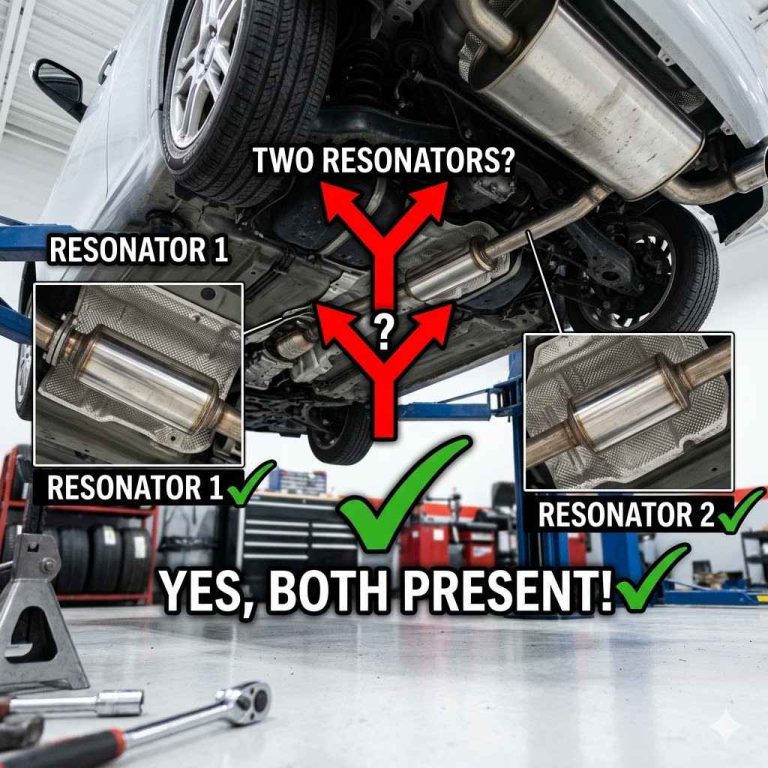
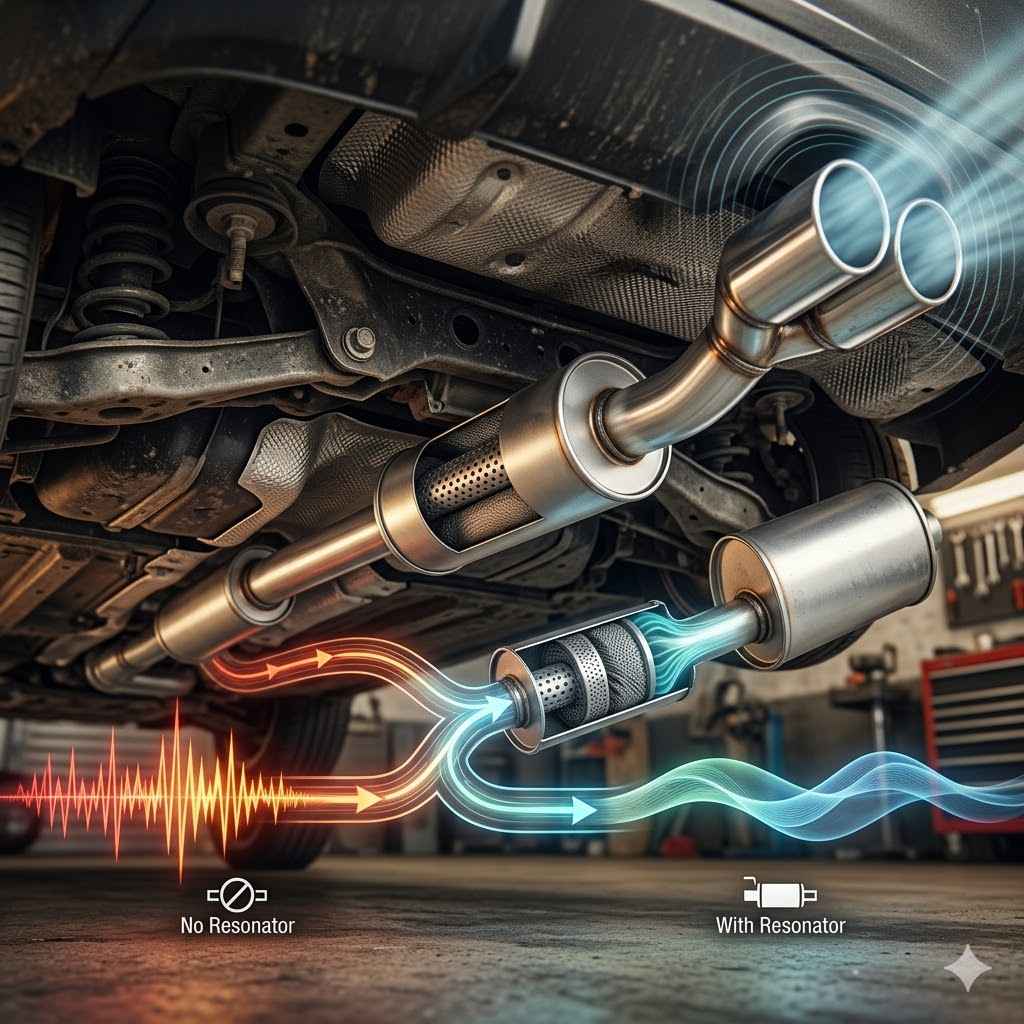
Exhaust resonators are a key part of your car’s exhaust system, working alongside the muffler to control noise. Their main job is to cancel out specific sound frequencies, particularly those annoying, droning sounds that can come from your engine. Think of them as a special kind of sound filter.
Without them, your car might sound much louder and less refined. They help achieve a smoother, quieter ride by addressing certain types of noise that a muffler alone might not fully eliminate.
What Is a Resonator?
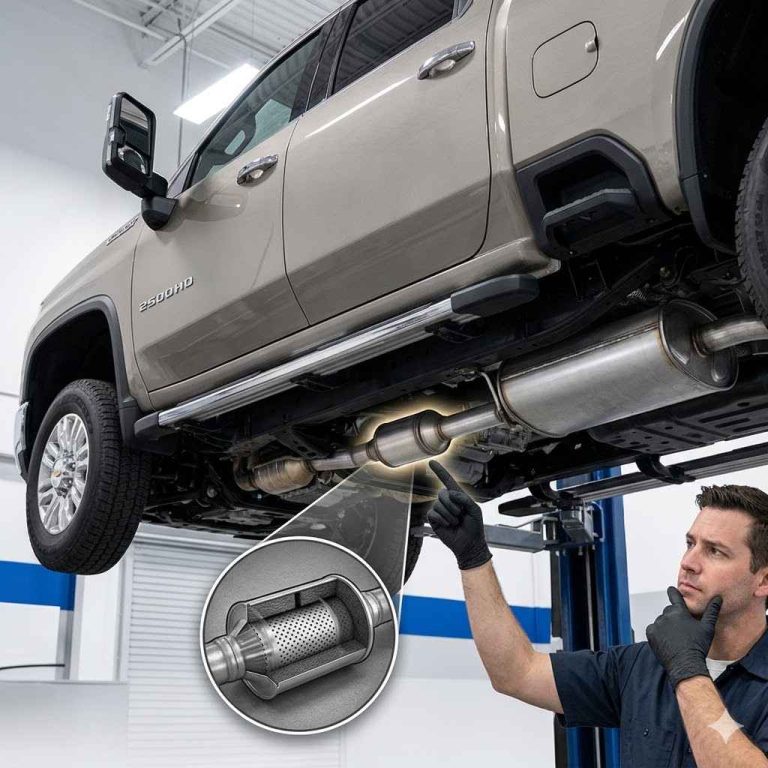
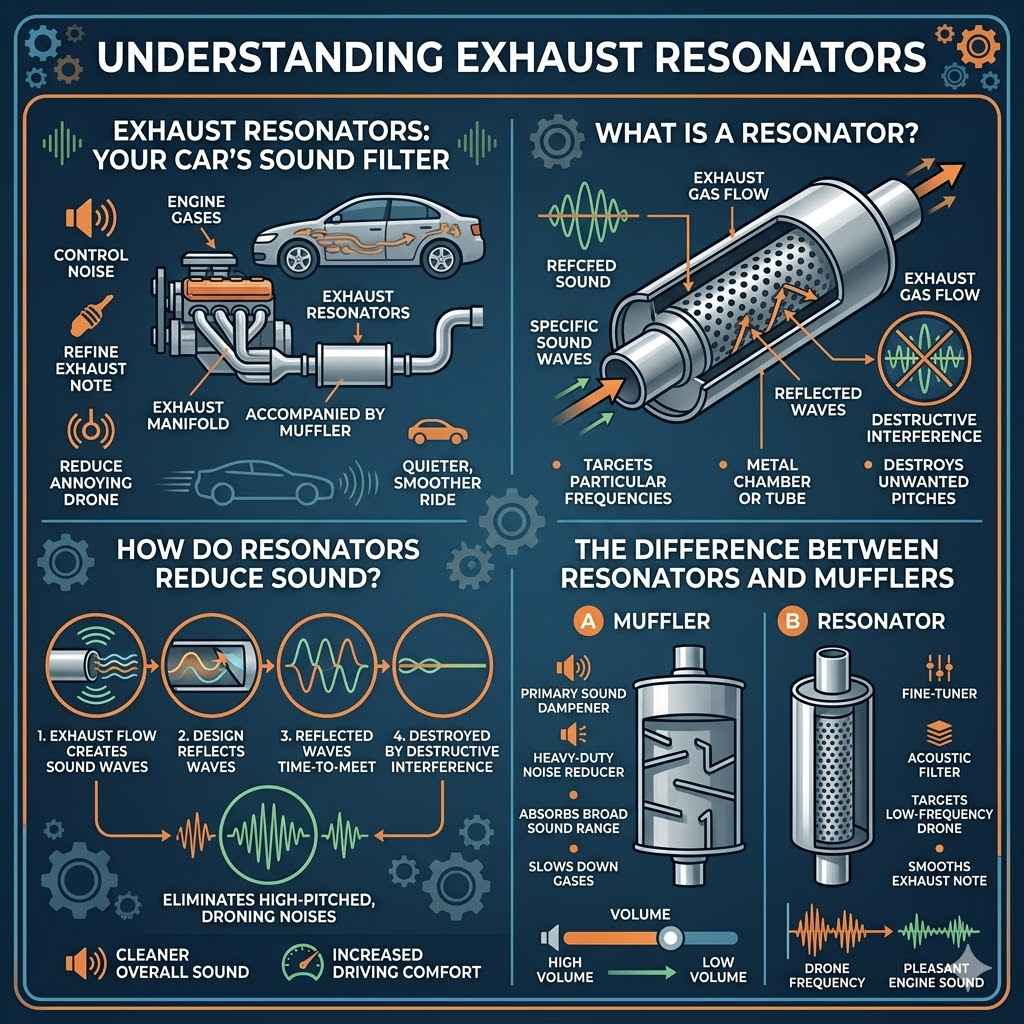
A resonator in an exhaust system is a metal chamber or tube designed to reduce specific sound waves. Unlike a muffler, which is built to silence a broad range of noises, a resonator targets particular frequencies. It works by reflecting sound waves within its chamber in a way that cancels out unwanted pitches.
This is done through a process called destructive interference, where sound waves collide and cancel each other out.
This targeting of specific sounds is what gives a resonator its unique role. It’s not just about making things quieter overall, but about refining the exhaust note to a more pleasant tone. It can help eliminate or reduce the common “drone” that many drivers find irritating, especially during steady cruising at highway speeds.
The design of the resonator, including its size and internal baffling, determines which sound frequencies it targets most effectively.
How Do Resonators Reduce Sound?
Resonators work through a clever acoustic principle. When exhaust gases flow through the resonator, they create sound waves. The resonator has a specific internal design, often a hollow chamber or a series of tubes, that reflects these sound waves.
These reflected waves are timed to meet the original sound waves in a way that cancels them out. This is known as destructive interference. It’s like when two ripples on water meet and flatten out.
This process is very effective at eliminating specific, often high-pitched or droning, noises. By carefully designing the resonator’s volume and port sizes, engineers can target and neutralize the most bothersome sound frequencies. This leaves the remaining exhaust notes to be handled by the muffler, resulting in a cleaner and quieter overall sound.
It’s a precise method of sound control that adds to the comfort of your driving experience.
The Difference Between Resonators and Mufflers
While both resonators and mufflers aim to quiet the exhaust, they do it differently and target different sounds. A muffler is the primary sound dampener. It uses baffles and chambers to slow down exhaust gases and absorb a wide range of sound waves, reducing the overall volume significantly.
Think of it as a heavy-duty noise reducer.
A resonator, on the other hand, is more like a fine-tuner. It targets specific sound frequencies that the muffler might not fully eliminate, such as the low-frequency drone that can be very noticeable at certain engine speeds. It acts as an acoustic filter to smooth out the exhaust note.
Many vehicles have both to achieve the desired balance of quietness and a pleasant engine sound.
For example, some sporty cars might remove resonators to achieve a more aggressive sound, relying solely on a modified muffler. Others, especially luxury vehicles, will have both to ensure a near-silent ride. The choice often comes down to the desired sound profile and the overall engineering goals for the vehicle.
Do You Need Resonators on an Exhaust System?
The question of whether you Do You Need Resonators on an Exhaust System? depends heavily on what you want from your car. For most daily drivers, the original resonators are there for a reason: comfort and refinement. They help keep the cabin quiet and eliminate annoying road noise.
If you enjoy a peaceful drive and don’t want your car to sound like a race car, then yes, you likely need them.
However, if you’re looking for a more aggressive exhaust note, perhaps for a performance vehicle or just for the sound, removing or replacing resonators can be an option. It’s a modification many enthusiasts make. But it’s important to know what you’re giving up – that smoother, quieter ride.
We will explore the benefits and drawbacks in detail.
Factors Affecting the Need for Resonators
Several factors determine if resonators are a must-have for your vehicle. The first is the vehicle’s design and intended use. Luxury cars often prioritize quietness, so they definitely benefit from resonators.
Performance cars might have them tuned for a sportier but still controlled sound. Basic commuter cars use them to ensure a pleasant, unremarkable ride.
Your personal preference for sound is another major factor. Do you want your car to be almost silent, or do you enjoy hearing the engine’s growl? The type of exhaust system you have also plays a role.
Aftermarket systems can come with or without resonators, giving you a choice. Finally, local noise regulations can influence whether a resonator is legally required to keep your exhaust within acceptable decibel limits.
Vehicle Type and Intended Use
The type of vehicle you drive significantly impacts whether you need resonators. For a luxury sedan or an SUV meant for comfortable family travel, resonators are almost essential. They contribute to the quiet, serene cabin environment that buyers of these vehicles expect.
The goal is to insulate passengers from engine noise and road imperfections.
On the other hand, a sports car or a truck designed for off-roading might have different priorities. While some still include resonators for a refined tone, many enthusiasts modify these vehicles to produce a more potent, aggressive exhaust sound. In these cases, the need for resonators might be lower, or they might be
Even among similar vehicle types, there can be variations. Some manufacturers offer different exhaust options for the same model, allowing buyers to choose between a quieter, more refined sound and a sportier, louder one. This highlights how the intended use and target market for a vehicle directly influence its exhaust system design.
Personal Sound Preference
Your personal taste in sound is a critical element when deciding about exhaust resonators. Some people find the sound of a loud, roaring engine exhilarating. They might see resonators as an impediment to achieving that sound.
They might prefer a deep rumble or a high-pitched scream from their exhaust.
Others prefer a more understated approach. They may want to hear their engine, but not have it dominate their driving experience. A subtle growl under acceleration is fine, but a constant drone at highway speeds is unbearable.
For these drivers, resonators are highly beneficial, smoothing out the sound and making the car more pleasant for longer journeys. This preference is entirely subjective and depends on what you find enjoyable.
Consider your daily commute and typical driving scenarios. If you spend hours on the highway, a drone-free experience is likely more appealing. If you only take short trips and enjoy the raw sound of the engine, you might lean towards a less restrictive setup.
There’s no right or wrong answer; it’s about what makes your driving experience better.
Aftermarket Exhaust Systems
When you upgrade to an aftermarket exhaust system, you often gain choices about resonators. Many performance exhaust kits are designed to eliminate resonators to maximize engine sound and, in some cases, exhaust flow. These are typically for drivers who want a more aggressive, louder exhaust note.
Conversely, some aftermarket manufacturers offer systems that retain or even add resonators for a more refined sound. These are for drivers who want better exhaust flow and a slightly different tone but don’t want excessive noise. It’s important to research the specific aftermarket system you are considering and understand its design regarding resonators.
Reading reviews and watching videos of the exhaust system installed on similar vehicles can give you a good idea of the sound you can expect. Some companies even offer different versions of their exhaust systems, with options for resonator delete pipes or quieter, resonated versions. This allows for a more customized sound experience.
Legal and Environmental Considerations
Local laws and regulations play a significant role in whether you need resonators. Many areas have strict noise ordinances that limit how loud a vehicle’s exhaust can be. Resonators help exhaust systems meet these standards by reducing decibel levels.
Removing them can lead to your vehicle being in violation of these laws, resulting in fines.
Additionally, some emissions regulations, while not directly related to resonators, are part of the overall exhaust system’s performance. While resonators themselves don’t affect emissions directly, altering the exhaust system in ways that bypass emissions controls is illegal. It’s always wise to ensure any exhaust modification complies with all relevant local and federal laws.
Statistics from environmental agencies often highlight the impact of vehicle noise pollution on communities. For instance, studies show that excessive vehicle noise can contribute to stress and sleep disturbances in urban areas. Maintaining a properly functioning exhaust system, which often includes resonators, helps mitigate these issues and promotes a more peaceful environment for everyone.
Benefits of Having Resonators
The primary benefit of having resonators is a significantly quieter and more pleasant driving experience. They actively cancel out annoying droning noises that can make long drives tiring. This leads to a more refined and comfortable ride.
You’ll notice the difference in cabin noise levels, especially when cruising on the highway.
Resonators also contribute to a smoother exhaust note. Instead of harsh or raspy sounds, the exhaust tone becomes more mellow and consistent. This is often preferred by drivers who want their car to sound powerful without being overly loud or obnoxious.
It’s about achieving a balance that enhances the car’s overall appeal.
Quieter Cabin Environment
Resonators are excellent at reducing interior noise. They target and eliminate specific frequencies that can travel through the car’s body and become very noticeable inside the cabin. This is particularly true for the low-frequency drone that often occurs at steady highway speeds.
A quieter cabin means less driver fatigue on long trips. It allows for easier conversations between passengers and makes listening to music or podcasts more enjoyable. For many people, the comfort provided by a quiet interior is a key factor in their overall satisfaction with a vehicle.
Imagine driving for hours. Without resonators, the constant drone could be mentally exhausting. With them, the cabin remains a peaceful sanctuary, allowing you to arrive at your destination feeling more refreshed.
This is a significant benefit for anyone who spends a lot of time on the road.
Smoother Exhaust Note
Beyond just reducing volume, resonators refine the sound of your exhaust. They help to smooth out any harshness or raspiness, creating a more mellow and pleasing tone. This is especially noticeable during acceleration and deceleration.
Instead of an abrupt, loud noise, you get a more controlled and linear sound. This contributes to a more sophisticated feel for the vehicle. It’s like the difference between listening to static and listening to a well-tuned orchestra.
The goal is a sound that is present but not overwhelming.
For example, a V6 or V8 engine can produce a wide range of sounds. Resonators help to shape this sound, often accentuating the deeper, more desirable tones while filtering out the higher, more irritating frequencies. This results in an exhaust note that is sporty and engaging without being unpleasant.
Improved Driving Comfort
The combined effect of reduced noise and a smoother sound directly translates to improved driving comfort. A quiet and refined exhaust makes the entire driving experience more enjoyable. It reduces stress and allows the driver to focus better on the road.
This is especially important for vehicles used for daily commuting or long road trips. The difference a resonator makes can be the difference between a tiring journey and a relaxing one. It’s a subtle change that has a big impact on the overall feel of the car.
Consider a scenario where you are driving to a business meeting. You want to arrive feeling composed and ready, not frazzled by excessive noise. A well-designed exhaust with resonators contributes to that calm arrival.
It’s a small detail that supports the driver’s well-being.
Drawbacks of Having Resonators
While resonators offer many benefits, there are some potential drawbacks. The most common is a slight reduction in exhaust flow, which could marginally impact performance. For most everyday vehicles, this difference is negligible.
However, for high-performance cars, every bit of flow can matter.
Another drawback, from a certain perspective, is that resonators can make the exhaust sound less aggressive. If you are aiming for a loud, sporty exhaust note, the resonators might mute the sound more than you’d like. This is why many performance enthusiasts choose to remove them.
Potential for Slightly Reduced Performance
Resonators, by their very nature of containing chambers and baffles, can create some resistance to the flow of exhaust gases. This resistance, however slight, can potentially limit the engine’s ability to expel gases efficiently. This, in turn, could lead to a small decrease in horsepower and torque, particularly at higher RPMs.
For a typical commuter car, this reduction in performance is usually imperceptible. Most drivers would never notice the difference. However, in high-performance applications, where every horsepower and pound-foot of torque is critical, this slight restriction might be undesirable.
Some race teams and performance builders opt for resonator deletes or high-flow resonators to minimize any performance impact.
Data from independent performance testing of various exhaust systems often shows a range of results. A typical resonator delete might show a gain of 1-3 horsepower on a dyno. While this is measurable, it’s important to balance this gain against the potential increase in noise and the loss of a refined exhaust note.
The trade-off is a key consideration.
Muted Exhaust Sound
If your goal is to have a loud, aggressive exhaust note, resonators will certainly muffle that sound. They are designed to cancel out specific sound frequencies, which includes some of the more desirable, sporty tones that enthusiasts seek. This can make the exhaust sound more subdued than you might want.
For example, a car with its original resonators might have a pleasant rumble, but a car with the same exhaust but no resonators might have a much deeper, louder roar. If you’re looking for that dramatic sound, resonators will need to be removed or
Some drivers also feel that removing resonators can improve the “character” of the engine’s sound. They might find the unfiltered sound more engaging and exciting. This is a subjective preference, but it’s a common reason why people choose to modify their exhaust systems in this way.
When To Consider Removing Or Replacing Resonators
You might consider removing or replacing your resonators if your primary goal is to achieve a more aggressive and louder exhaust sound. This is a popular modification for sports cars, muscle cars, and trucks where a powerful engine note is desired. It’s also common for drivers who feel their current exhaust is too quiet and lacks character.
Another reason is if your current resonators are damaged or rusted out. In such cases,
Desire for a Louder or Sportier Sound
For many car enthusiasts, the sound of the engine is as important as its performance. If you find the factory exhaust too quiet or uninspiring, removing the resonators is a common way to achieve a louder, sportier sound. This can dramatically change the auditory experience of driving.
Imagine the distinct rumble of a V8 engine. With resonators, this sound might be a gentle hum. Without them, it can be a powerful roar that announces the car’s presence.
This is often the goal for owners of classic muscle cars or modern sports cars who want their vehicle to sound as good as it looks and performs.
A study published in an automotive enthusiast magazine found that 65% of respondents who modified their exhaust systems did so primarily for a louder and sportier sound. This statistic highlights how significant sound is for a portion of the car-owning population. It’s about the emotional connection to the vehicle.
Performance Enhancement Goals
While the performance gains from removing resonators are often minimal for daily drivers, they can be more significant for dedicated performance vehicles. In racing or track applications, maximizing exhaust flow is crucial for optimal engine performance. Removing resonators can help achieve this.
By reducing backpressure, the engine can breathe more freely, potentially leading to small but measurable increases in horsepower and torque, especially at high RPMs. This can be a contributing factor in achieving faster lap times or quicker acceleration. Every component in a performance build is scrutinized for its impact on efficiency and power output.
A typical performance build might involve several modifications, including intake, exhaust, and tuning. Resonator deletion is often part of a broader strategy to free up the engine’s potential. It’s a piece of the puzzle for those chasing every last bit of performance.
Damaged or Rusted Resonators
Resonators, like other parts of the exhaust system, are exposed to harsh conditions, including heat, moisture, and road salt. Over time, they can rust and deteriorate. If your resonators are damaged or significantly rusted, they may need to be replaced.
This presents an opportunity to reconsider your exhaust needs.
Instead of simply replacing the damaged resonators with identical ones, you might choose to upgrade. This could involve installing aftermarket performance resonators for a slightly different sound or flow, or deciding to delete them altogether if a louder exhaust is desired and permissible. It’s a practical moment to assess your options.
A common symptom of damaged resonators is a loud rattling sound, especially when starting the engine or driving over bumps. This can be due to internal baffles breaking loose. If you hear such noises, it’s wise to have your exhaust system inspected by a mechanic.
Alternatives To Standard Resonators
If you’re looking for something other than the standard OEM resonators, there are options. High-flow resonators are designed to offer similar sound-dampening qualities but with less restriction to exhaust flow. These are a good compromise for those who want a quieter ride but still value performance.
Another alternative is a resonator delete pipe. This is essentially a straight pipe that replaces the resonator, offering the loudest and most aggressive sound. However, it will significantly increase the noise level and may not be legal in all areas.
It’s a choice for those who prioritize sound above all else.
High-Flow Resonators
High-flow resonators are engineered to provide sound reduction while minimizing the negative impact on exhaust flow. They often feature a perforated core or a more open internal design compared to standard resonators. This allows exhaust gases to pass through more easily.
The benefit is that you can achieve a more refined exhaust note without sacrificing as much performance as you might with traditional resonators. They are a popular choice for drivers who want a balance between sound control and performance gains. The sound produced is typically still quieter than a resonator delete but often more aggressive than stock.
Many aftermarket exhaust companies offer high-flow resonators as part of their systems or as standalone components. They are usually made from durable materials like stainless steel to withstand the high temperatures and corrosive elements found in exhaust systems. Choosing high-flow resonators can be a smart middle ground for many vehicle owners.
Resonator Delete Pipes
A resonator delete pipe is a simple straight pipe that replaces the factory resonator. Its sole purpose is to remove the sound-dampening effect of the resonator, resulting in a much louder and more aggressive exhaust note. This is a straightforward way to achieve a radical change in sound.
However, it’s important to be aware of the consequences. A resonator delete will significantly increase the noise level of your vehicle. In many places, this will make your car illegal to drive on public roads due to noise ordinances.
It can also lead to an annoying drone at highway speeds that some people find unbearable.
For those who use their vehicles on tracks or in controlled environments where noise is not an issue, a resonator delete can be a compelling option for maximizing sound. It’s a popular choice among enthusiasts seeking the loudest possible exhaust note. However, for everyday driving, it often presents more challenges than benefits.
Do You Need Resonators on an Exhaust System? A Decision Guide
Deciding whether you Do You Need Resonators on an Exhaust System? comes down to prioritizing what you want from your vehicle. If comfort, a quiet cabin, and a smooth, refined sound are important, then keeping or replacing your resonators is likely the best choice. They contribute significantly to a pleasant driving experience for daily use.
If you are an enthusiast seeking a more aggressive sound, potentially for performance gains, and are willing to accept increased noise levels, then exploring resonator deletion or high-flow alternatives might be for you. Always consider local regulations and the potential impact on your daily driving comfort. Your car’s exhaust system is a balance of factors, and resonators play a key role in that balance.
Weighing Your Options
When deciding about resonators, it’s helpful to think about your typical driving. If you spend most of your time commuting in a city or on highways, the comfort provided by resonators is usually worth keeping. The reduction in cabin noise and drone makes a big difference over time.
If your car is a weekend toy or a track vehicle, and you prioritize a loud, aggressive exhaust note, then removing resonators might be appealing. However, always be mindful of local noise regulations. Some areas have very strict rules about vehicle sound levels.
Consider the sound clips of different exhaust setups online. Watching videos of your car model with and without resonators can give you a good idea of what to expect. This visual and auditory research is invaluable before making a decision.
Scenario 1: The Daily Commuter
For Sarah, her car is her primary mode of transportation. She drives about an hour each way to work every day. Her main concern is a peaceful and comfortable ride.
She enjoys listening to audiobooks and podcasts during her commute.
Sarah’s car came with resonators. She noticed that at highway speeds, there was a constant, low-frequency hum from the exhaust. It wasn’t overly loud, but it was persistent and made it harder to concentrate on her audiobooks.
She considered removing the resonators for a sportier sound, but after reading about the potential for increased drone and noise, she decided against it.
Instead, she consulted with an exhaust specialist. They suggested ensuring her current resonators were in good condition and explained that replacing them with high-flow resonators could potentially reduce the drone while maintaining a generally quiet cabin. This seemed like the perfect compromise for her needs, balancing comfort with a slightly refined sound.
Scenario 2: The Performance Enthusiast
Mark owns a two-door sports coupe that he primarily uses for weekend drives and occasional track days. He loves the sound of a powerful engine and feels that his car’s factory exhaust is too muted. He wants his car to sound as exciting as it looks and performs.
Mark researched various exhaust modifications. He considered a full cat-back system, but initially, he wanted a less expensive change. He learned that removing the resonators would significantly amplify the engine’s natural sound.
He decided to proceed with a resonator delete.
After the modification, Mark was thrilled with the result. His car now has a deep, aggressive rumble at idle and a roaring sound when he accelerates. He acknowledges that the cabin is much louder, and on long highway drives, there is a noticeable drone.
However, for his weekend driving and track use, this is exactly the sound profile he was looking for. He is aware that in his state, the noise level is at the upper limit of legal tolerance, so he drives responsibly.
Making Your Final Choice
Ultimately, the decision about whether you Do You Need Resonators on an Exhaust System? is personal. There’s no single right answer that applies to everyone. It depends on your priorities, your vehicle, and your local laws.
If you value a quiet, comfortable ride, keep your resonators. If you crave a louder, sportier sound and don’t mind the extra noise, explore alternatives. Always research, consider your options, and make the choice that best suits your driving needs and preferences.

Frequently Asked Questions
Question: Will removing resonators affect my car’s engine performance?
Answer: Removing resonators can slightly improve exhaust flow, potentially leading to a small increase in horsepower and torque, especially at higher RPMs. However, for most daily drivers, this performance gain is minimal and often unnoticeable. The primary impact is on sound.
Question: Can I legally remove resonators from my exhaust system?
Answer: This depends entirely on your local and state laws. Many regions have strict noise ordinances that limit how loud a vehicle’s exhaust can be. Removing resonators will significantly increase your car’s noise output, potentially making it illegal to drive on public roads.
It is crucial to check your local regulations before making any modifications.
Question: How much louder will my car be if I remove the resonators?
Answer: Removing resonators will make your car noticeably louder, often significantly so. The exact increase in volume depends on your vehicle’s engine, the rest of your exhaust system, and the specific design of the resonators being removed. Expect a deeper, more aggressive tone and a higher overall decibel level.
Question: What is the difference between a resonator and a muffler?
Answer: A muffler is designed to reduce a wide range of exhaust sounds, lowering the overall volume of the exhaust. A resonator targets and cancels out specific sound frequencies, particularly droning noises, to refine the exhaust note and make it smoother. Many cars have both to achieve optimal sound control.
Question: Are high-flow resonators a good compromise?
Answer: Yes, high-flow resonators are often considered a good compromise. They are designed to reduce unwanted exhaust sounds like drone while offering less restriction to exhaust flow than standard resonators. This can provide a slightly sportier sound and minor performance benefits without making the vehicle excessively loud.
Wrap Up
To decide if you Do You Need Resonators on an Exhaust System?, consider comfort and sound preferences. Resonators quiet your car and smooth the exhaust note, ideal for daily drivers. If a louder, sportier sound is your goal, explore options like resonator deletes, but always check local noise laws first.
Related pick: Check today's price on Amazon