How Many Resonators Does a Jetta Have
Many Jetta owners, especially those new to car maintenance, wonder about a specific part of their exhaust system. The question, “How Many Resonators Does a Jetta Have?” might seem tricky at first. It’s easy to get confused with all the different parts under your car.
But don’t worry! We will break it down simply. You’ll learn exactly what a resonator is and how many your Jetta likely has.
Let’s make checking this part of your car easy.
Understanding Your Jetta’s Resonators
This section will explore what resonators are in a car and why they are important for your Jetta’s exhaust system. We will explain their basic function and how they help create a quieter, smoother driving experience. You will learn the general purpose of these components, making it easier to identify them on your own vehicle.
What Is a Resonator?
A resonator is a component of a vehicle’s exhaust system. Its main job is to reduce noise. It works by cancelling out certain sound frequencies, especially those that cause droning or buzzing sounds at specific engine speeds.
Think of it like noise-canceling headphones for your car’s engine.
Without resonators, the exhaust system would produce much louder and more unpleasant noises. These sounds can be quite bothersome, especially on longer drives. Resonators help make your car’s exhaust note more refined and less intrusive.
They contribute significantly to the overall comfort of the driving experience.
The design of a resonator often involves a hollow chamber with baffles or perforated tubes. When exhaust gases pass through these chambers, sound waves are reflected and interfere with each other. This interference cancels out specific sound waves, leaving a quieter exhaust.
The Role of Resonators in Exhaust Systems
Resonators play a crucial part in tuning the sound of your Jetta’s exhaust. They are distinct from mufflers, although both work to quiet the engine. While mufflers aim to reduce the overall volume of exhaust noise, resonators target specific unwanted sounds, particularly mid-range frequencies.
These are often the sounds that create a drone inside the cabin.
By tuning the exhaust note, resonators help create a more pleasant sound. This is important for driver and passenger comfort. A well-designed exhaust system with effective resonators can make a big difference in how enjoyable a car is to drive.
They help achieve a balance between performance and a refined sound profile.
The placement of resonators within the exhaust system is also strategic. They are typically located before the muffler. This placement allows them to deal with the high-pressure sound waves generated by the engine before they reach the muffler for further sound reduction.
Resonators vs. Mufflers
It’s important to understand how resonators differ from mufflers. Both are sound-reducing components, but they achieve this in slightly different ways. A muffler’s primary goal is to decrease the overall loudness of the exhaust by using chambers and baffles to absorb sound energy.
Resonators, on the other hand, are more about fine-tuning the sound. They are designed to target and eliminate specific sound frequencies that can be annoying, like the highway drone. They use acoustic principles of resonance and interference to cancel out these particular sounds.
This allows the exhaust to sound smoother and less irritating.
Think of it this way: a muffler is like a general volume knob for your exhaust sound, turning it down significantly. A resonator is like a specific tone control, removing a particular annoying pitch. Many cars, including various Jetta models, utilize both components to achieve optimal sound quality and noise reduction.
How Many Resonators Does a Jetta Have?
This core question will be addressed directly. We will break down the typical configurations for Jetta models and explain why there might be variations. You will get a clear answer about what to expect under your specific Jetta.
Typical Resonator Count in Jetta Models
For most Volkswagen Jetta models, the standard configuration includes one resonator. This is a common setup for many passenger cars. The resonator is usually located in the front section of the exhaust system, often before the main muffler.
This placement helps it manage the initial sound waves from the engine.
However, there can be exceptions depending on the specific year, trim level, and engine of your Jetta. Some performance-oriented versions or certain international models might have different exhaust systems. These could potentially include an additional resonator or a different arrangement of sound-dampening components.
It is always best to visually inspect your car’s exhaust system if you need a definitive answer for your specific vehicle. Looking under the car will reveal the number and placement of these parts.
Factors Influencing Resonator Count
Several factors can influence how many resonators a Jetta has. The primary factor is the model year and the specific generation of the Jetta. Different generations were designed with varying exhaust system requirements and sound targets.
Newer models might have more sophisticated systems for noise reduction.
Engine size and type also play a role. A larger or more powerful engine might produce different sound frequencies that require a different resonator setup to manage effectively. Some Jettas might have a single resonator, while others, particularly those with sportier exhaust tuning, could have more than one or a more complex setup.
Trim levels can also be a differentiator. Higher trim levels or sport packages might feature exhaust systems tuned for a slightly different sound profile, which could affect the number or type of resonators installed. Aftermarket modifications are another significant factor; owners may change or add resonators.
How to Visually Identify Jetta Resonators
To confirm how many resonators your Jetta has, you will need to safely look underneath the vehicle. Park your Jetta on a level surface and engage the parking brake. If you are not comfortable doing this yourself, a mechanic can easily show you.
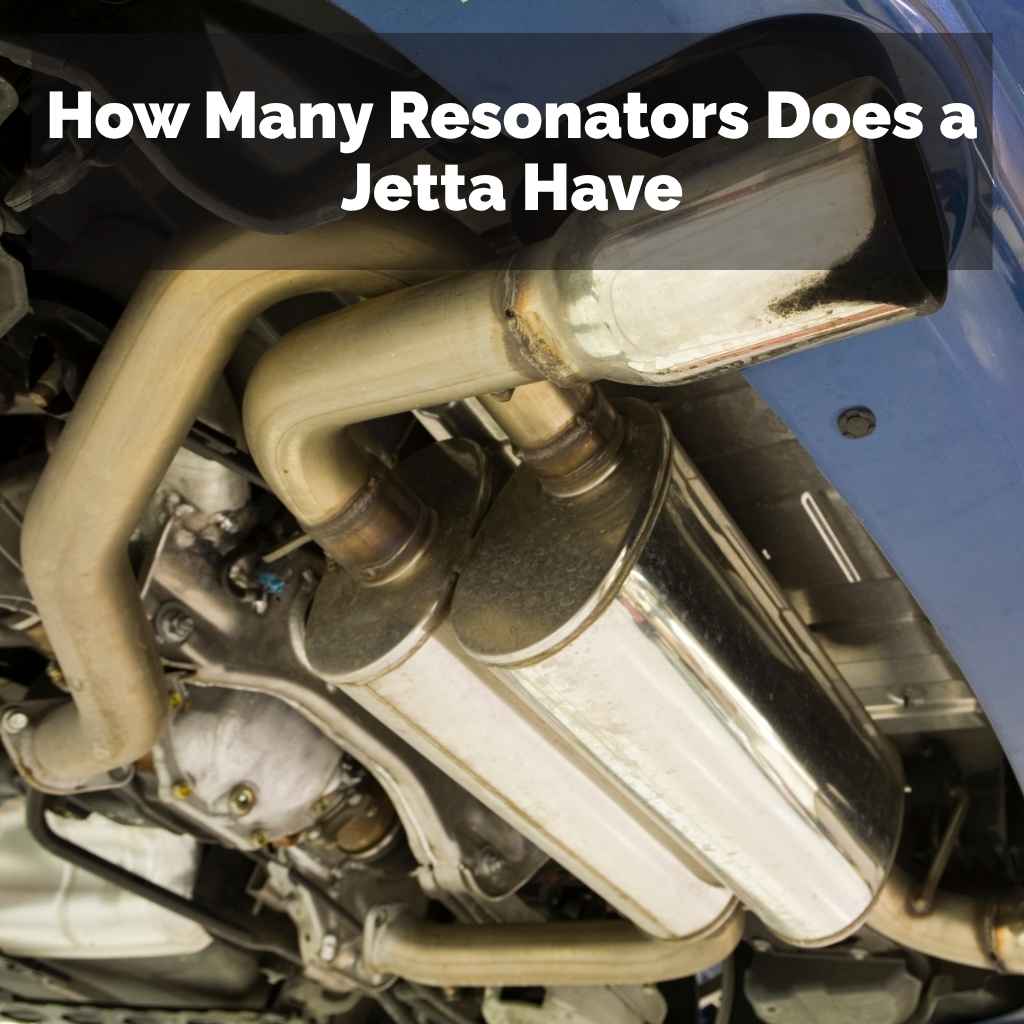
Locate the exhaust pipe that runs from the engine all the way to the rear of the car. You are looking for a component that is typically cylindrical or oval-shaped and sits inline with the exhaust pipe. It will usually be smaller than the main muffler, which is often the largest component in the system.
Follow the exhaust pipe from the engine. You will likely see the resonator first. It’s usually a metal chamber.
After that, you will find the muffler. If you see another component similar in shape to the resonator before the muffler, your Jetta might have two resonators. However, most common Jetta configurations have just one.
Variations and Common Jetta Models
This section will detail common Jetta models and their likely resonator configurations. It will provide specific examples to help you relate the information to your own car and address potential confusion with aftermarket parts.
Jetta Generations and Exhaust Systems
Different generations of the Volkswagen Jetta have had varying exhaust system designs. For many years, particularly the MK4, MK5, and MK6 generations, a single resonator was the standard. This component was crucial for meeting noise regulations and providing a comfortable cabin environment.
For instance, a typical 2.5L or 2.0L TDI Jetta from these eras would feature one resonator placed strategically along the exhaust path. The goal was always to balance performance with a quiet ride. This single resonator effectively handled the primary noise frequencies.
More recent generations, like the MK7, continue this trend with a single resonator in most standard configurations. However, it’s important to remember that performance variants or specific regional market models might deviate. Always check your specific vehicle for the most accurate information.
Performance vs. Standard Jetta Exhausts
When comparing performance Jetta models, like the Jetta GLI, to standard models, you often find differences in the exhaust system. Performance versions are sometimes designed to have a sportier, more aggressive exhaust note. This can mean a different resonator setup or even no resonator at all, replaced by a straight pipe or a different type of silencer.
A standard Jetta aims for quiet comfort. Its exhaust system is engineered to minimize noise. A performance Jetta might sacrifice some of that quietness for a more engaging sound.
This could involve removing a resonator, using a less restrictive one, or adding a secondary, smaller resonator to fine-tune a sportier sound.
For example, a Jetta GLI might have a dual-pipe exhaust system or a different muffler design that influences the need for a particular resonator setup. This tuning is part of what gives these models their distinct character. It’s a trade-off between everyday drivability and a more thrilling auditory experience.
Aftermarket Modifications and Their Impact
It is very common for Jetta owners to modify their exhaust systems. People often do this to change the sound, improve performance, or a combination of both. These aftermarket modifications can significantly alter the number and type of resonators on your Jetta.
An owner might choose to remove the factory resonator for a louder exhaust. They might
If you are looking at a used Jetta and suspect it has been modified, visually inspecting the exhaust is key. The presence of aftermarket parts will be evident. You might see components from brands like Borla, MagnaFlow, or others, often with branding visible on the parts themselves.
These modifications mean the number of resonators might not match the factory specifications.
Troubleshooting Common Resonator Issues
Here, we will address what to do if you suspect a problem with your Jetta’s resonator. This includes signs of damage, common noises, and what steps to take for repair or replacement.
Signs of a Damaged or Failing Resonator
A failing resonator can manifest in a few noticeable ways. The most common sign is a change in your Jetta’s exhaust sound. You might hear a much louder, raspier, or more aggressive tone than usual.
This often indicates a leak or a hole in the resonator’s chamber.
Another sign is a droning sound, especially at specific RPMs or when cruising at highway speeds. While resonators are designed to eliminate drone, a damaged one can sometimes create new or more pronounced droning noises. This is because the internal baffles or chambers might be compromised.
You might also experience a decrease in engine performance. A leaking resonator can affect exhaust backpressure, which is crucial for optimal engine operation. This can lead to a feeling of sluggishness or reduced power.
Additionally, you might notice soot or black residue around the resonator, indicating a leak.
Common Noises Related to Resonators
The most common noise issue related to resonators is an unwanted drone. This is a low-frequency humming or buzzing sound that can be very irritating inside the car. It often occurs at steady cruising speeds, like on the highway, and can make long drives tiring.
However, when a resonator is damaged, you might hear other noises. These can include rattling sounds, especially when the engine is cold or under acceleration. This could mean the internal baffles have come loose.
You might also hear a louder, more unrefined exhaust note, almost like a straight pipe, if the resonator has developed a significant hole.
If you hear a loud popping or backfiring sound, it could also be related to exhaust leaks, which might include the resonator. These unusual noises are always a signal that something in the exhaust system needs attention.
Repairing or Replacing a Jetta Resonator
If your Jetta’s resonator is damaged, you have two main options: repair or replacement. Small leaks or holes in the resonator can sometimes be repaired by welding. This is a more cost-effective solution if the damage is minor and the resonator is otherwise sound.
However, for more significant damage, such as rust-through, internal component failure, or major leaks, replacement is usually the better choice. Replacing a resonator typically involves cutting out the old one and welding in a new one. Many aftermarket resonators are available that can closely match the original equipment or offer a slightly different sound.
When replacing a resonator, it’s important to use a part that is compatible with your Jetta’s specific model and year. This ensures proper fitment and that it functions correctly with the rest of the exhaust system. Consult with a mechanic or an exhaust specialist for the best advice on repair or replacement options.
Frequently Asked Questions
Question: How many resonators are on a 2015 Volkswagen Jetta?
Answer: A standard 2015 Volkswagen Jetta typically has one resonator as part of its exhaust system. This is common for most Jetta models from that era.
Question: Do all Jettas have resonators?
Answer: While most standard Jetta models come equipped with at least one resonator, some performance variants or heavily modified vehicles might differ. It is always best to check your specific car.
Question: Can a Jetta have two resonators?
Answer: It is less common for standard Jetta models to have two resonators. However, certain performance trims or custom exhaust systems could be configured with two resonators.
Question: What happens if my Jetta’s resonator is removed?
Answer: Removing a Jetta’s resonator will likely make the exhaust sound louder and can potentially alter the exhaust note, often making it more aggressive or raspy. It might also slightly affect engine performance.
Question: Where is the resonator located on a Jetta?
Answer: The resonator on a Jetta is typically located in the front section of the exhaust system, usually positioned before the main muffler. You can find it by looking under the car along the exhaust pipe.
Summary
Most Volkswagen Jetta models are equipped with one resonator. This component works with the muffler to keep your Jetta’s exhaust sound quiet and smooth. While some performance models or custom exhausts might vary, a single resonator is the standard for everyday Jetta drivers.
Checking under your car will confirm its presence and help you understand your Jetta’s exhaust setup.