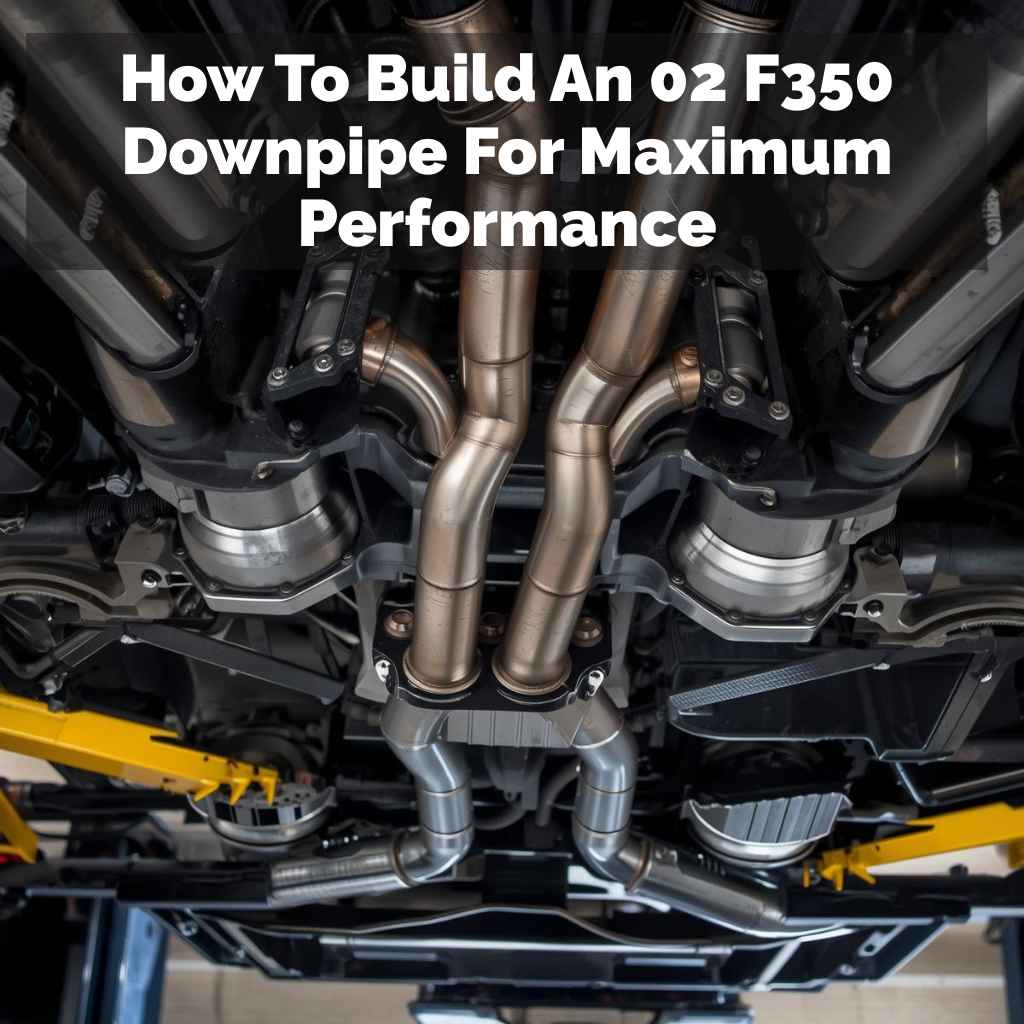
How To Build An 02 F350 Downpipe For Maximum Performance
Getting your truck to run its best can feel like a puzzle. You want more power, better sound, or just to fix a nagging issue. Sometimes, a key part makes all the difference.
That’s where a custom downpipe comes in. It’s a part of your exhaust system. Many truck owners wonder if they can build one themselves.
This guide will walk you through what’s involved. We’ll cover why it matters and how you might approach it. Let’s dive in and see if building an 02 F350 downpipe is right for you.
Building an 02 F350 downpipe involves understanding exhaust flow and material choices. It aims to improve turbo spool, exhaust note, and potentially power. While possible for skilled DIYers, it requires specific tools and knowledge of diesel exhaust systems.
What is a Downpipe and Why Upgrade?
A downpipe is the first section of exhaust pipe. It starts right after your turbocharger. Its main job is to guide hot exhaust gases away from the turbo.
It then directs them into the rest of your exhaust system. For trucks like the 2002 Ford F-350, especially those with a Power Stroke diesel engine, this part is quite important.
Stock downpipes are often designed with several things in mind. They focus on meeting noise regulations. They also aim to be cheap to manufacture.
This often means they are not shaped for the best airflow. They can be restrictive. This restriction can limit how quickly your turbo spools up.
It can also hold back exhaust gases. This might mean less power and a less efficient engine.
Upgrading your downpipe can change this. A well-designed aftermarket or custom pipe allows exhaust gases to flow more freely. This can lead to a few good things.
Your turbo might spin up faster. This means you get that power boost sooner when you press the gas pedal. The exhaust note can also change.
It often gets a deeper, more aggressive sound. Some people also see a small increase in horsepower and torque. This is because the engine doesn’t have to work as hard to push gases out.
For a 02 F350 downpipe, many owners look for specific benefits. They want to feel that turbo lag disappear. They like the rumble of a diesel.
And they want their truck to perform its best. Understanding the basics of how exhaust flows helps a lot here. It also helps to know what materials work well for these hot pipes.
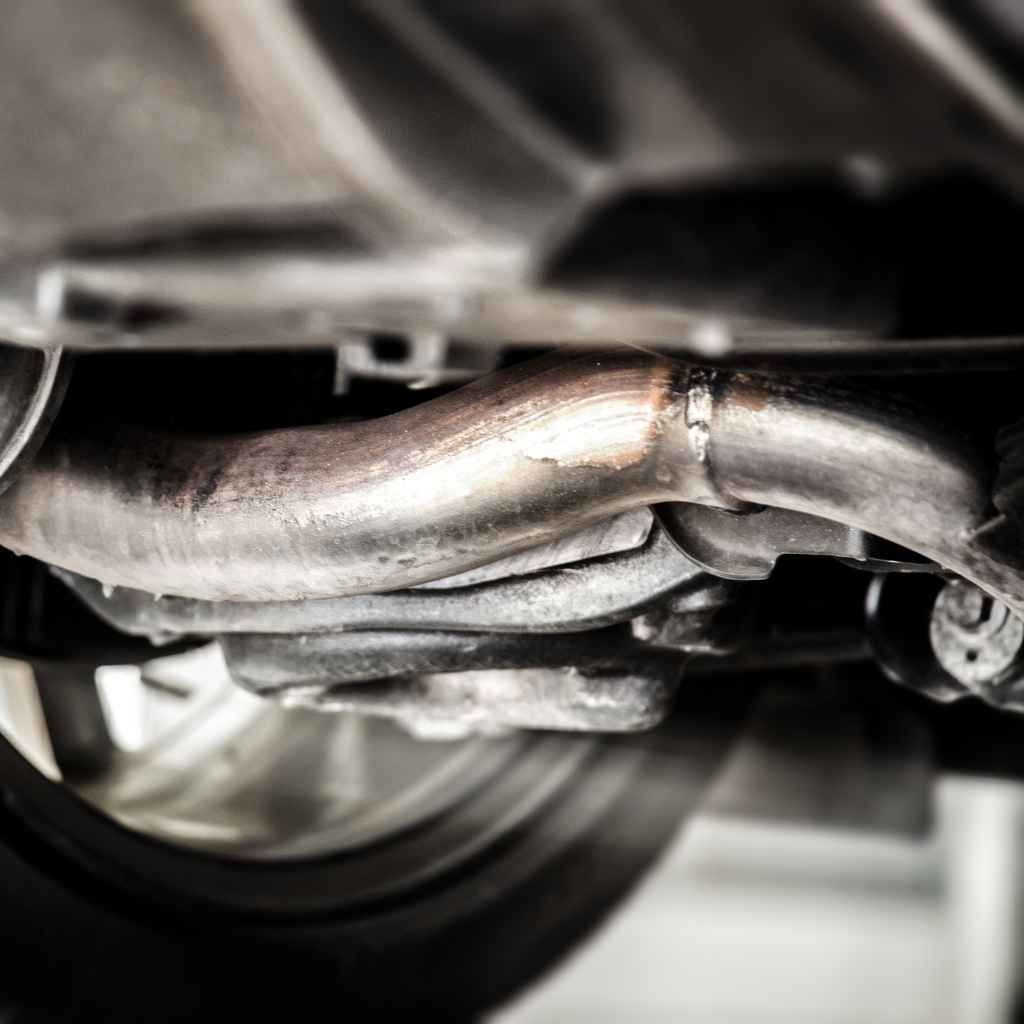
Your 2002 F-350’s Exhaust System Basics
Your 2002 F-350 has a turbocharger. This is a key part of its engine. The turbo uses exhaust gases to spin a turbine.
This turbine then spins another fan. This fan pushes more air into the engine. More air means the engine can burn more fuel.
Burning more fuel creates more power. The exhaust gases need to leave the turbo quickly. This is where the downpipe is critical.
The stock downpipe on these trucks is often a 3-inch diameter pipe. It usually has some bends. These bends can create turbulence.
Turbulence slows down gas flow. Think of it like trying to drink a thick milkshake through a straw with too many sharp bends. It’s harder and slower.
After the downpipe, the exhaust gases go through the rest of the system. This includes the catalytic converter (if equipped and still in place), muffler, and tailpipe. The downpipe is the bottleneck right after the turbo.
Fixing this can help the whole system work better. Many DIYers look to
The engine management system on a 2002 F-350 is also something to consider. While less complex than modern trucks, it still reacts to exhaust backpressure. Reducing backpressure can affect how the engine computer sees things.
This is why some upgrades might require tuning later. But for the downpipe itself, the main goal is improved airflow.
The DIY Approach: Tools and Materials
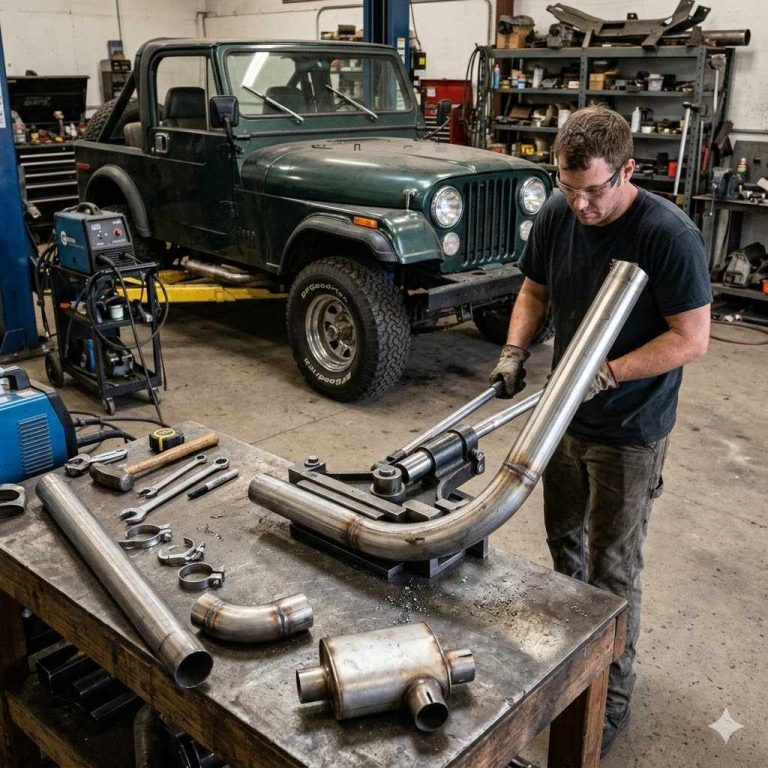
Building a custom 02 F350 downpipe from scratch is not a weekend project for a beginner. It requires specific tools and some fabrication skills. If you’re comfortable with metalwork, though, it’s definitely achievable.
You’ll need to be able to cut, bend, and weld metal.
Here’s a look at what you’ll likely need:
Essential Tools for Downpipe Building
- Welder: You’ll need a welder capable of handling steel. A MIG welder is often preferred for exhaust work.
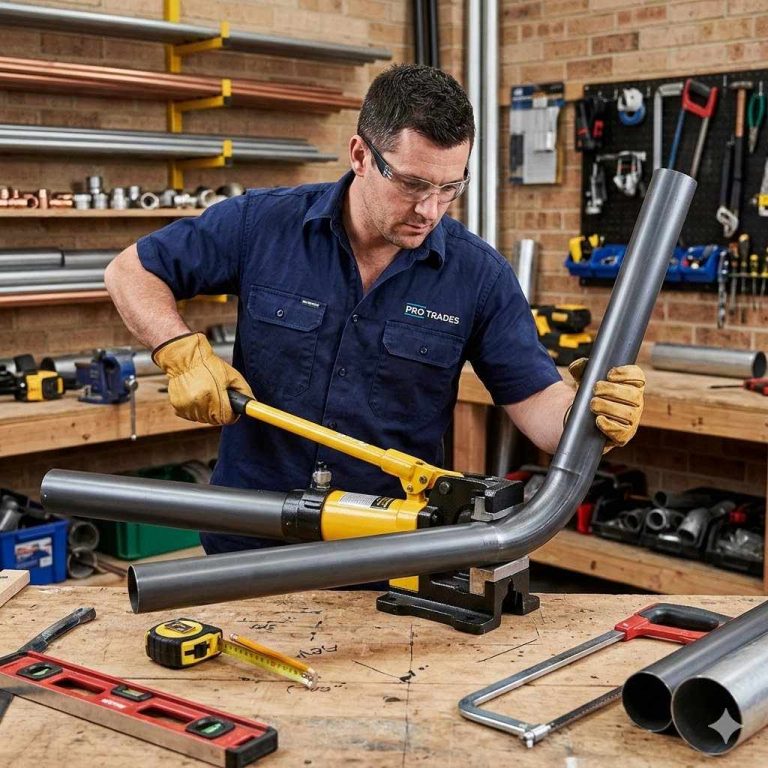
- Pipe Bender: This is crucial. You need to create smooth, gradual bends. Sharp bends hurt airflow. A hydraulic pipe bender works well for thicker exhaust tubing.
- Tubing Cutter or Saw: For clean cuts on your pipes. A reciprocating saw with a metal blade can work. A bandsaw is even better.
- Grinder: For cleaning up edges and preparing welds. Angle grinders are very useful here.
- Measuring Tape and Marking Tools: Accuracy is key. You need to measure everything precisely.
- Safety Gear: Welding helmet, gloves, safety glasses, and a respirator are non-negotiable.
For materials, you’ll want high-quality steel tubing. Stainless steel is a great choice. It resists rust and heat very well.
This is important because exhaust pipes get very hot. Aluminized steel is another option. It’s more affordable and offers decent rust protection for a while.
But it won’t last as long as stainless steel in harsh conditions.
The diameter of the pipe is also important. For most 7.3L Power Stroke engines from 2002, a 4-inch diameter downpipe is a popular choice. This is a significant increase from the stock 3-inch.
It allows much more volume for exhaust gases to escape. You’ll also need a flange to connect to your turbo. This is usually a thick steel plate with the correct bolt pattern.
When you are sourcing materials, think about the bends. You want pipes that can be bent smoothly. Pre-bent sections are available from some suppliers.
But if you’re building from scratch, you’ll be bending raw tubing. Planning the shape of the pipe is the first step. You need to ensure it clears the frame, transmission, and other components.
Designing Your Custom Downpipe
This is where the planning really happens. A good design makes a huge difference in performance and fit. You can’t just make random bends.
You need to think about the path the exhaust gases will take. You also need to consider how the pipe will physically fit in the truck’s chassis.
Start by looking at your existing exhaust. Note where the turbo is located. Then, trace the path of the stock downpipe.
See where it has sharp bends or seems to crimp. You want to avoid these issues in your custom pipe. The goal is a smooth, straight shot from the turbo flange to where your new pipe will meet the rest of your exhaust.
Many people aim to route their downpipe straight down. Then, they might make a gentle curve to meet the stock or aftermarket exhaust location. Others prefer to route it slightly back or to the side.
This depends on what other modifications you have. Or what accessories are mounted near the turbo.
Consider the clearance. Your downpipe will run very close to your engine and transmission. It also runs near your fuel lines and brake lines.
You need to ensure there’s enough space. You don’t want the pipe to vibrate against other parts. This can cause damage over time.
Also, think about heat. The downpipe gets extremely hot. You need to keep it away from fuel tanks, electrical wiring, and rubber hoses.
Some people take templates from existing aftermarket downpipes. Or they might get a general idea from online forums. You can use cardboard or flexible tubing to mock up the shape.
This helps you see how it will fit before you cut and bend your actual steel pipes. This mock-up phase is invaluable. It saves a lot of frustration and wasted material.
When designing, think about the exit point. Where will your new downpipe connect to the rest of your exhaust? Some builders extend the downpipe much further down the truck.
Others connect it to the stock exhaust location. If you’re replacing the whole exhaust system, you have more freedom. If you’re keeping the stock muffler and tailpipe, you need to match that connection.
The Fabrication Process: Step-by-Step
Once you have your design and all your tools and materials ready, it’s time to build. Take your time. Rushing this process can lead to mistakes that are hard to fix.
Safety is always number one. Wear your safety gear at all times.
Here’s a general outline of the fabrication process:
Building Your Custom Downpipe
- Measure and Cut: Based on your mock-up, measure the lengths of tubing you’ll need. Cut the pipe sections using your tubing cutter or saw.
- Bend the Tubing: This is the most critical step. Carefully bend the steel tubing to match your design. Use your pipe bender. Make sure the bends are smooth and gradual. Avoid kinking the pipe. You might need to make several bends to create the final shape.
- Fit the Flange: Attach the turbo flange to one end of your tubing. You may need to cut the end of the pipe to match the flange shape. Then, tack weld it in place.
- Mock-up Fitment: With the flange tack-welded, carefully place the entire assembly onto your truck. Check the fitment. Ensure it clears everything. Make any necessary adjustments to the bends or length.
- Full Welding: Once you’re happy with the fit, remove the pipe. Lay down solid, consistent welds on all joints and the flange. Ensure there are no gaps or pinholes. Exhaust leaks can reduce performance.
- Prepare for Installation: Clean up your welds. You might need to grind some areas smooth. Some people add a hanger bracket if the new pipe needs extra support.
Welding is an art. For exhaust, you want a strong weld that’s also leak-free. If you’re new to welding, practice on scrap pieces first.
The heat from the exhaust can be extreme. So, the welds need to be robust. You might also consider using exhaust wrap on the downpipe.
This helps to keep heat away from other components. It can also help the pipe last longer.
The fitment check is vital. I remember one time I was working on a custom exhaust for a friend’s truck. We thought we had everything planned.
But when we put the pipe in, it was just a hair too close to the frame rail. We hadn’t accounted for engine vibration. We had to bend it slightly again.
It was a small adjustment, but it saved a lot of headaches later. A loose vibration can turn into a cracked pipe or damaged components.
When you’re welding the flange, ensure it’s perfectly aligned. A crooked flange will make it hard to bolt the downpipe to the turbo. This could lead to exhaust leaks right at the source.
It’s also a good idea to use new gaskets when you install the pipe. This helps ensure a good seal.
Connecting to Your Existing Exhaust
Where your new downpipe meets the rest of your exhaust system is another important point. You have a few options here. You can try to match the stock connection point.
Or you can adapt it to an aftermarket exhaust system. If you’re replacing the entire exhaust, you have more flexibility.
Many people who build a custom downpipe also upgrade the rest of their exhaust. This is often to a 4-inch diameter system all the way back. This ensures the entire exhaust path is free-flowing.
If you’re keeping your stock muffler and tailpipe, you’ll need to create an adapter. This adapter will go from your new 4-inch downpipe to the stock pipe size. Often, this involves a piece of reducer pipe.
The connection itself needs to be secure and leak-free. Common methods include using slip-fit connectors with clamps. Or you might opt for a flanged connection.
Flanged connections are generally more robust and easier to seal. But they require more precise fabrication. Slip-fit connections with a good quality clamp can work well for DIY builds.
Just make sure the clamp is designed for exhaust and can handle the heat and pressure.
If you’re extending the downpipe further back, you’ll need to consider hangers. The downpipe and the rest of the exhaust system need to be supported. They shouldn’t hang freely.
This prevents stress on the turbocharger and the exhaust manifold. You can buy universal exhaust hangers. Or you can fabricate your own.
Weld a mounting tab onto the pipe. Then attach a rubber hanger to that tab. The other end of the hanger connects to the truck frame.
I recall a situation where a friend didn’t properly hang his custom exhaust. The downpipe was just slightly too long. It was stressing the turbo mounting bolts.
It wasn’t obvious at first. But over time, it started causing leaks at the turbo flange. Proper support is as important as the pipe shape itself.
It’s all about creating a balanced system.
The material of the connecting pipe should also be considered. If you’re using stainless steel for the downpipe, try to use stainless steel for the connection as well. This will prevent galvanic corrosion.
This happens when two dissimilar metals are in contact. It can accelerate rust. Stainless steel is more expensive, but it offers superior durability for this application.
Performance Gains and Expectations
What can you actually expect after installing a custom 02 F350 downpipe? The most noticeable change for many drivers is reduced turbo lag. This means that when you step on the gas, the turbo starts making boost sooner.
You’ll feel the truck pull harder from a lower RPM. It makes driving feel more responsive.
The exhaust note will likely change. It will become deeper and often louder. This is a subjective thing.
Some people love it. Others prefer a quieter exhaust. You can sometimes control this somewhat by choosing a muffler.
But the downpipe itself will change the tone.
In terms of horsepower and torque, the gains from a downpipe alone are usually modest. You might see an increase of 5-15 horsepower. This is because the downpipe is just one part of the system.
To get significant power gains, you often need to modify other components too. This includes the intake, intercooler, and fueling system. And importantly, the engine’s computer (ECU) will need tuning.
Speaking of tuning, this is a crucial point for modern diesel trucks. While a 2002 F-350 is older, its computer still manages fuel and boost. Removing the catalytic converter (which a performance downpipe often does) and increasing exhaust flow can change how the engine computer interprets performance.
Some owners choose to get a custom tune for their truck. This tune is specifically written for the new exhaust system. It can optimize fuel delivery and boost pressure.
This unlocks the full potential of the modified exhaust.
Without a tune, the gains might be less dramatic. The engine computer might try to compensate for the increased airflow. This can sometimes limit the expected power increase.
It’s important to manage your expectations. A custom downpipe is a great foundational modification. But it’s often part of a larger performance plan.
I’ve seen many people build a custom downpipe. They expect massive power. They get a little better spool and a nice sound.
Then they wonder why they didn’t win a drag race. It’s about incremental improvements. It’s about making the engine breathe easier.
For many, that’s exactly what they want. It makes the truck more enjoyable to drive daily.
Performance Expectations Summary
- Reduced Turbo Lag: Quicker spool and better throttle response.
- Improved Exhaust Sound: Deeper, more aggressive tone.
- Modest Horsepower/Torque Gains: Typically 5-15 HP without tuning.
- Potential for More: Significant gains require further modifications and ECU tuning.
- Enhanced Engine Efficiency: Less work for the engine to expel exhaust.
When to Consider Professional Help
While the DIY route can be rewarding, there are times when it’s better to let professionals handle it. If you don’t have welding experience, for example, trying to weld an exhaust system can be frustrating. A poor weld can leak and cause problems.
Or it might fail completely.
If you lack the specialized tools, like a good pipe bender, buying one just for this project might not be cost-effective. Renting tools or hiring a fabricator can be a better option. You’ll get a professionally made part that fits perfectly.
Another reason to seek professional help is if you’re unsure about the design. A custom exhaust shop has seen countless setups. They know what works and what doesn’t.
They can design a pipe that maximizes flow while ensuring proper clearance and fitment. They also understand the nuances of different engine types and years.
For the 02 F350 downpipe, a good exhaust shop can often fabricate one faster than you could. They have the equipment and the experience. This means you get your truck back on the road sooner.
It also gives you peace of mind. You know the part is built to last and perform well.
I’ve always admired shops that specialize in custom exhaust work. They can take a blueprint and turn it into a perfect piece of art that also performs beautifully. If welding, bending, and fitting metal feels beyond your comfort zone, don’t hesitate to get quotes from local shops.
It might save you time, money, and a lot of headaches.
Think about the complexity too. If your truck has other modifications that make fitting a downpipe tricky, like extra fuel tanks or large aftermarket intercoolers, professional advice is often worth it. They can navigate those complexities with ease.
The cost of professional fabrication varies. But it can be a good investment. It ensures the job is done right the first time.
Especially for something as crucial as the connection between your turbo and the rest of your exhaust.
Environmental and Legal Considerations
It’s important to talk about the environmental side of things. Many performance downpipes are designed to remove the catalytic converter. The catalytic converter is a vital part of your exhaust system.
It converts harmful emissions into less harmful ones. Removing it can have environmental consequences.
In many areas, removing or tampering with a catalytic converter is illegal. There are strict emissions regulations in place. These vary by state and locality.
It’s your responsibility to know and follow the laws where you live. If your truck is subject to emissions testing, a de-catted downpipe will likely cause it to fail. This can lead to fines and other penalties.
Beyond legality, there’s the ethical aspect. While increased performance is desirable, so is protecting the air we breathe. Many truck owners choose to keep their catalytic converter.
Or they opt for a high-flow catalytic converter. These allow for better exhaust flow than stock but still perform their emissions-reducing function.
For a 02 F350 downpipe, if you’re aiming for maximum performance without regard for emissions, you might choose to go catless. But you need to be aware of the consequences. This includes potential legal issues and a higher environmental impact.
I’ve often heard people debate this. On one hand, they want their truck to perform. On the other, they care about the planet.
There’s no easy answer. But being informed is the first step. If you decide to keep your catalytic converter, you might need a different design for your downpipe.
Or you might need to find a way to integrate a high-flow cat into your custom setup. This requires careful planning.
Always check with your local authorities or a trusted mechanic about emissions requirements. Ignorance is not a defense when it comes to environmental laws. For some, the choice might come down to off-road use only.
If the truck is never driven on public roads, emissions laws might not apply. But that’s a specific use case.
Alternatives to a Full Custom Build
Building a custom downpipe from scratch is a significant undertaking. For many, there are simpler alternatives that still offer improved performance. These can be great options if you’re not ready for a full fabrication project.
One of the most popular alternatives is purchasing an aftermarket downpipe. Companies specialize in creating performance exhaust components. They offer pre-bent, ready-to-install downpipes for your 2002 F-350.
These are designed for better flow than stock. They are often made from high-quality materials like stainless steel.
These aftermarket pipes typically come in a larger diameter, like 4 inches. They might have smoother bends or a more direct routing. Installation is usually straightforward.
It’s similar to replacing any other exhaust component. You might still need basic tools like wrenches and sockets. But you won’t need a welder or a pipe bender.
Another option is to modify your stock downpipe. This is less common for significant performance gains. But it might involve removing restrictions.
For example, if the stock pipe has an internal baffle or a very restrictive catalytic converter, a skilled muffler shop might be able to modify it. They could potentially
A middle ground could be buying a downpipe kit. These kits might provide the necessary bent sections of pipe. You would still need to weld them together and attach the flange.
This reduces the bending work. But it still requires welding skills.
When looking at aftermarket downpipes, consider a few things. Ensure it’s specifically designed for your 2002 F-350 with the 7.3L Power Stroke engine. Check the material.
Stainless steel is best for longevity. Also, read reviews. See what other truck owners say about the fitment, sound, and performance.
Some brands are known for better quality than others.
These pre-made options often come with a price tag. But for many, the convenience and guaranteed fitment are worth it. It removes the guesswork and the need for specialized tools and skills.
It’s a way to achieve improved airflow and sound without becoming a full-time fabricator.
What I’ve learned over the years is that there’s a spectrum of DIY. Some people love the challenge of building everything from scratch. Others prefer to buy a quality component and install it themselves.
Both approaches can lead to a great outcome. It just depends on your skills, tools, and how much time you want to invest.
Troubleshooting Common Issues
Even with careful planning and fabrication, things can sometimes go wrong. Here are a few common issues you might encounter when building or installing a custom 02 F350 downpipe and how to address them.
Issue: Exhaust Leaks. This is probably the most common problem. Leaks can happen at the turbo flange, at connection points to the rest of the exhaust, or from poor welds.
Fix: Double-check all welds for pinholes or cracks.
Ensure the turbo flange is perfectly flat and the gasket is new and seated correctly. Use high-quality clamps for slip-fit connections. If you have a leak, try to pinpoint the source.
Sometimes, a little extra welding or tightening a clamp can fix it.
Issue: Poor Fitment/Clearance Problems. The pipe might be too long, too short, or rub against other components.
Fix: This usually comes back to the mock-up phase. If it’s a minor issue, you might be able to slightly bend the pipe again.
For more significant problems, you might need to cut and re-weld sections or even start over with new tubing. Always ensure plenty of clearance around frame rails, brake lines, fuel lines, and driveshafts.
Issue: Excessive Vibration. The exhaust system might vibrate more than usual. This can be noisy and lead to component stress.
Fix: Ensure the exhaust is properly supported with hangers.
If the downpipe is too rigid or has no give, it can transfer vibrations. Using flexible exhaust sections or hangers with rubber dampeners can help. Also, make sure the pipe isn’t touching anything it shouldn’t be.
Issue: Turbo Surge or Inefficiency. While rare from just a downpipe, if the exhaust flow is severely disrupted or too restrictive in its path after the downpipe, it can affect turbo performance.
Fix: Re-check the entire exhaust path for kinks or restrictions. Ensure the diameter is consistent or appropriately stepped down.
If you suspect an issue with the turbo itself, that’s a separate diagnostic. But a poorly designed downpipe can contribute.
Issue: Check Engine Light (CEL). For trucks with emissions sensors downstream of the catalytic converter, removing it can trigger a CEL.
Fix: This typically requires an ECU tune to “delete” the downstream O2 sensor or reconfigure the emissions monitoring. Some aftermarket pipes come with an O2 sensor bung, allowing you to retain a sensor if your tune requires it.
Otherwise, a tune is usually the only fix.
I once helped a buddy install a custom exhaust. We got a leak at the muffler connection. It turned out the clamp we used wasn’t tight enough.
We went back, got a better quality clamp, and tightened it down properly. Problem solved. It’s often the small details that matter most.
If you find yourself constantly troubleshooting, it might be a sign to seek professional help for future projects. Or at least consult with an experienced fabricator. They can offer insights into common pitfalls.
Conclusion: Is a Custom 02 F350 Downpipe Right for You?
Building a custom 02 F350 downpipe is a project that offers tangible benefits. It can improve your truck’s performance. It can also give it a more desirable sound.
It’s a rewarding challenge for those with the right skills and tools. You gain a deeper understanding of your truck’s mechanics.
However, it’s not a task to be taken lightly. It requires careful planning, precise fabrication, and attention to detail. Safety must always be your top priority.
If you’re hesitant about welding or bending metal, there are excellent aftermarket options. These can provide similar performance improvements with a simpler installation.
Ultimately, the decision depends on your comfort level, budget, and desired outcome. For the dedicated DIYer, a custom downpipe can be a source of pride. For others, a quality aftermarket part is the smarter choice.
Whichever path you choose, improving your truck’s exhaust flow is a great way to unlock its potential.
Frequently Asked Questions
What is the primary benefit of an upgraded downpipe on an 02 F350?
The main benefit is improved exhaust flow. This helps the turbocharger spool faster, reducing lag and improving throttle response. It also typically results in a deeper exhaust note.
Can I install a 4-inch downpipe on a stock 02 F350 exhaust?
Yes, but you will likely need an adapter to connect the larger 4-inch downpipe to the stock exhaust system’s smaller diameter. Many aftermarket downpipes are designed to connect to the stock location or an aftermarket exhaust.
What kind of steel is best for an 02 F350 downpipe?
Stainless steel is the preferred material due to its excellent resistance to rust and heat. Aluminized steel is a more budget-friendly option but may not last as long in harsh environments.
Will building a custom downpipe void my truck’s warranty?
Modifications to emissions-related components like the exhaust system can potentially void your powertrain warranty, especially if they are deemed to have caused a failure. It’s always best to check your warranty terms.
How much horsepower can I expect from just a downpipe upgrade on an 02 F350?
On their own, downpipe upgrades typically add a modest amount of horsepower, often in the range of 5-15 HP. Significant gains usually require further modifications and ECU tuning.
Is it legal to remove the catalytic converter when installing a new downpipe?
In many regions, removing or tampering with the catalytic converter is illegal due to emissions regulations. It is your responsibility to comply with local and state laws regarding emissions.