Are Racing Exhaust Systems Welded Or Clamped to the Manifold

Are Racing Exhaust Systems Welded Or Clamped to the Manifold? Key Facts

When it comes to upgrading your car’s performance, every detail matters—especially the exhaust system. You might be wondering: are racing exhaust systems welded or clamped to the manifold?
This small but crucial question can impact your engine’s power, sound, and even how easy it is to maintain your ride. Understanding the difference can help you make smarter choices for your car and get the most out of every race or drive.

Keep reading, because what you learn here could change the way you think about your exhaust setup forever.

Types Of Racing Exhaust Connections

Racing exhaust systems connect to the engine manifold in different ways. The connection type affects performance and durability. Two common methods are welding and clamping. Each has distinct benefits and drawbacks. Understanding these helps racers choose the best option for their needs.

Welded Exhaust Systems

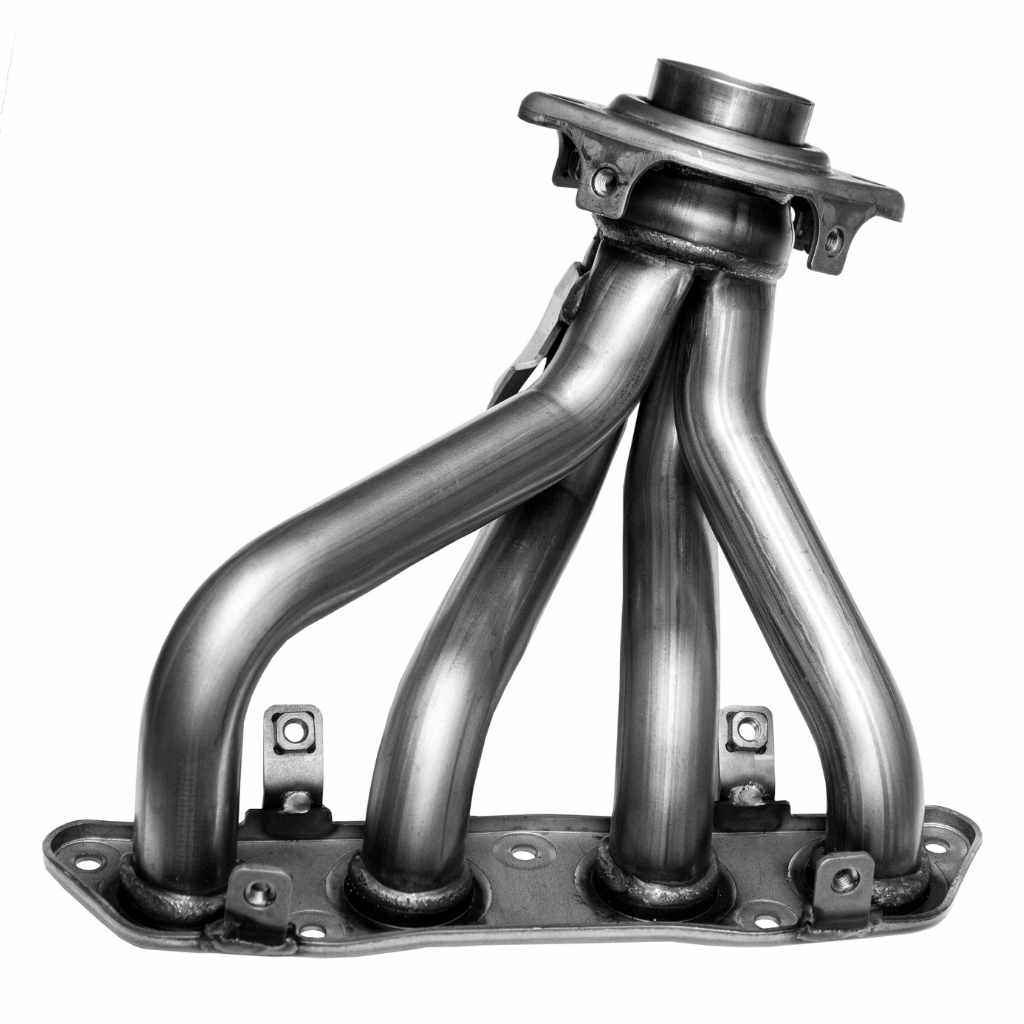
Welded connections join the exhaust directly to the manifold. This creates a strong, permanent bond. Welds reduce leaks and improve exhaust flow. They also make the system more rigid and less prone to movement. This rigidity can enhance engine performance at high speeds. The downside is that welding makes repairs harder. Any change requires cutting and re-welding parts. Welding demands skilled labor and special tools. It is common in professional racing setups.

Clamped Exhaust Systems

Clamped connections use metal clamps to join exhaust parts. This method is less permanent than welding. Clamps allow easy removal and replacement of parts. This flexibility helps during repairs and upgrades. Clamped systems may have small leaks if not tightened properly. They might be less rigid, causing slight vibrations. Clamps are popular in amateur racing and street cars. They require less skill and tools to install. Clamping offers a good balance of convenience and performance.

Types Of Racing Exhaust Connections

Benefits Of Welded Exhausts

Welded exhaust systems offer several clear benefits for racing cars. They connect the exhaust parts firmly and create a smooth path for gases to flow. This helps improve the car’s overall performance and reliability on the track.

Welding creates a solid bond between the exhaust and manifold. This bond lasts longer and handles heat and pressure better than clamped joints. Let’s explore the main benefits of welded exhausts.

Need to understand more about Performance & Tuning? This post might help you. How to Calculate Scfm for Performance Exhaust: Expert Guide

Durability And Strength

Welded joints are strong and resist vibrations and shocks. Racing cars face rough conditions, so durability is key. Welds hold up under high heat and pressure without breaking. This reduces the need for repairs and keeps the exhaust system intact longer.

Improved Performance

Welding creates a smooth, continuous path for exhaust gases. This reduces back pressure and helps the engine breathe better. The engine runs more efficiently and can deliver more power. Racing drivers notice quicker acceleration and better throttle response.

Leak Prevention

Welds form airtight seals that stop exhaust leaks. Leaks can reduce engine power and cause noise problems. A welded exhaust system keeps gases flowing where they should. This improves engine health and helps meet noise regulations on some tracks.

Advantages Of Clamped Exhausts

Clamped exhaust systems offer several benefits that appeal to many car enthusiasts. These systems connect the exhaust to the manifold without permanent changes. This design choice allows for easier handling and maintenance.

Choosing clamped exhausts can save time and effort during installation. They also provide room for adjustments and repairs. Plus, they often come at a lower price point compared to welded options.

Ease Of Installation

Clamped exhausts are simple to install. They do not require special welding skills or tools. A few bolts and clamps hold the system in place. This makes the process quicker and less stressful.

Car owners can often install clamped exhausts themselves. This reduces the need for professional help. The straightforward setup suits beginners and hobbyists.

Flexibility And Adjustability

Clamped systems allow easy changes and adjustments. Parts can be removed or replaced without cutting or welding. This is helpful during tuning or upgrades.

Flexibility means the exhaust can fit different setups. It adapts well to modifications and custom builds. Clamps let users test new parts easily.

Cost Considerations

Clamped exhausts usually cost less than welded ones. Installation expenses are lower due to simpler work. No special welding equipment or labor is needed.


This option suits budget-conscious drivers. It provides solid performance without high upfront costs. Savings on installation and repairs add up over time.

Discover more interesting content on Performance & Tuning by reading this post. How to Change Performance Exhaust BMW Z4: Ultimate DIY Guide

Common Materials Used

Racing exhaust systems use different materials to handle heat and stress. These materials affect performance and durability. Choosing the right material helps in better exhaust flow and longer life. Two common materials stand out for racing exhausts: stainless steel and aluminized steel.

Stainless Steel Options

Stainless steel is popular for its strength and resistance to rust. It handles high temperatures without warping. This makes it ideal for racing exhaust systems. Stainless steel also looks clean and lasts longer than other metals. It requires less maintenance, saving time and money. Many racers prefer stainless steel for these reasons.

Aluminized Steel Choices

Aluminized steel offers a budget-friendly option for exhaust systems. It has a coating of aluminum to resist rust. This coating protects the metal from heat and corrosion. Aluminized steel is lighter than stainless steel but less durable. It suits racers who want good performance without high costs. Many use it in less extreme racing conditions.

Impact On Engine Performance

The way a racing exhaust system attaches to the manifold affects engine performance. The connection type changes how exhaust gases flow and how heat moves. These factors impact power and engine health.

Exhaust Flow Efficiency

Welded exhaust systems create a smooth path for gases. This reduces leaks and back pressure. Engines breathe better and push out exhaust faster. Better flow means more power and quicker throttle response.

Clamped systems can have small gaps or bends. These may slow gas flow and cause minor leaks. That lowers engine efficiency and power output. Racing drivers often choose welded setups for peak performance.

Heat Management

Welded joints handle heat well. They keep exhaust heat contained and direct it away from engine parts. This helps maintain stable engine temperatures and reduces heat soak.

Clamped connections may allow heat to escape unevenly. This can heat up nearby components and affect engine sensors. Proper heat control supports consistent power and longer engine life.

Dive deeper into Performance & Tuning by checking out this article. How to Create Exhaust Scavenging: Ultimate Guide for Maximum Power

Maintenance And Longevity

Maintenance plays a big role in the life of racing exhaust systems. Proper care keeps the system working well and lasting longer. Both welded and clamped systems need regular checks. Small problems fixed early stop big damage later. Knowing how to maintain each type helps keep your engine running smoothly.

Repairing Welded Joints

Welded joints are strong but can crack from heat and stress. Check joints often for any signs of wear or damage. Small cracks need fixing fast to avoid leaks or failure. Welding repairs should be done by a skilled technician. Poor welding can weaken the joint and cause more problems.

Regular cleaning removes dirt and rust that can harm welds. Use proper tools to avoid damaging the metal around joints. Keep the exhaust system cool after races to reduce stress on welds. This care helps the welded parts last longer and work better.

Replacing Clamps And Seals

Clamped systems rely on clamps and seals to hold parts tight. Clamps can loosen with vibration and heat cycles. Check clamps regularly and tighten or replace as needed. Seals can wear out and cause leaks in the exhaust system.

Replace seals that look cracked or brittle. Use clamps designed for high temperatures and racing conditions. Properly fitted clamps and new seals keep the system sealed and efficient. This maintenance prevents exhaust leaks and preserves engine power.

Choosing The Right Connection For Your Setup

Choosing the right connection for your racing exhaust system is key for performance and durability. The choice between welded and clamped connections depends on many factors. These include the type of racing, budget, skill level, and how much customization you want. Understanding these helps you pick the best setup for your car.

Each connection style has its benefits and drawbacks. Knowing these helps avoid costly mistakes and improves your vehicle’s exhaust flow and sound.

Track Racing Vs. Street Use

Track racing demands strong and leak-proof connections. Welded joints are common here for their strength and tight seal. They handle high heat and pressure well.

Street use allows more flexibility. Clamped connections make it easier to remove or replace parts. They also reduce noise and vibration without permanent changes.

Dive deeper into Performance & Tuning by checking out this article. How to Change Exhaust Sound of Car: Ultimate Guide for Bold Roar

Budget And Skill Level

Welding requires special tools and skills. It can be costly if you hire a professional. Clamps are cheaper and easier to install. They suit beginners and those on a budget.

Consider your skill level before choosing. Poor welding can cause leaks or damage. Clamps offer a safer option for DIY enthusiasts.

Customization Needs

Welding provides a custom, permanent fit. It suits unique exhaust designs and modifications. Clamps allow quick adjustments and part swaps. Ideal for experimenting with different setups.

Think about how often you change your exhaust parts. Welding suits long-term builds, clamping suits frequent tweaks.

Choosing The Right Connection For Your Setup

Frequently Asked Questions

Are Racing Exhaust Systems Usually Welded Or Clamped?

Racing exhaust systems are often welded for a secure, leak-free fit. Clamps may be used temporarily or for easy removal. Welding ensures durability and better performance in high-stress conditions.

What Are The Benefits Of Welding Exhaust To Manifold?

Welding creates a strong, permanent bond that prevents leaks. It improves exhaust flow and reduces backpressure. This enhances engine efficiency and power output in racing applications.

Can Clamped Exhaust Systems Handle High Performance?

Clamped systems offer easier maintenance but may loosen under high heat and vibration. They are less reliable than welded joints for extreme racing conditions.

How Does Welding Affect Exhaust System Durability?

Welding increases durability by creating a solid, heat-resistant joint. It resists vibrations and thermal expansion better than clamps, ensuring long-lasting performance.

Conclusion

Racing exhaust systems connect to the manifold either by welding or clamping. Welding creates a strong, permanent bond that prevents leaks. Clamping allows easier removal and adjustment of parts. Each method has its own benefits depending on your needs. Welded joints suit high-performance, long-lasting setups.

Clamped joints offer flexibility and quicker maintenance. Choose based on your car’s use and your skill level. Understanding these options helps you make the right choice for your exhaust system. Simple and clear decisions lead to better racing results.

Similar Posts