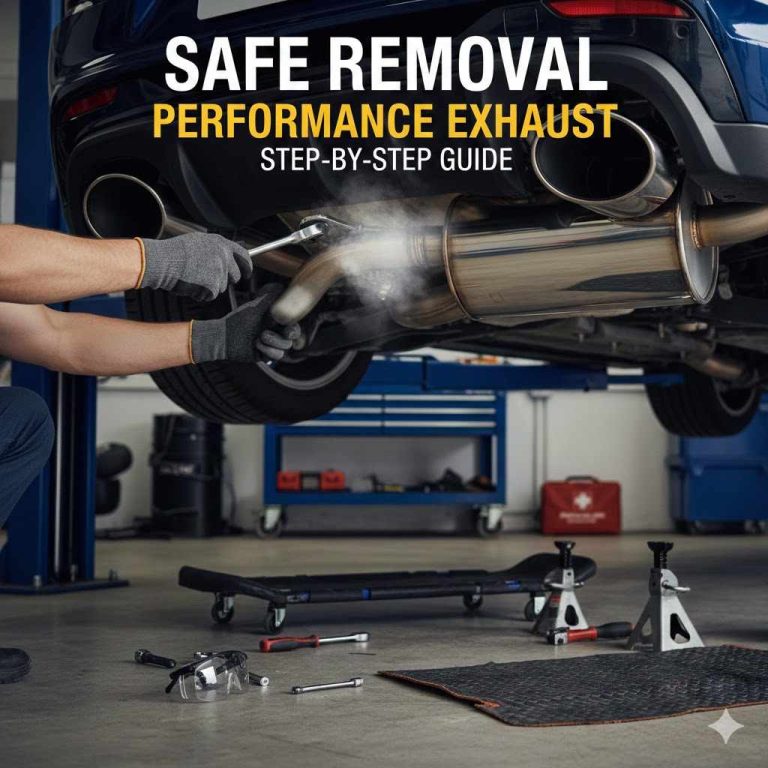
Do I Need to Re Torque Exhaust Manifold Bolts? Essential Guide
Have you ever wondered if you really need to re torque your exhaust manifold bolts? It might sound like a small detail, but skipping this step can lead to serious problems for your engine and your wallet.

YEHERIT
YEHERIT 5.7 Exhaust Manifold Bolts & Nuts…
- Perfect Fit: Compatible with Dodge: 2009-2020 Challenger Charger Durango. Compatible with Ram: 2011-2020 Ram 1500 2500 3500, 2017-…
- Replaces#: 03309, 06509863AA, 6505316AA, 6507746AA, 6509544AA, 6509863AA, 6510140AA, 6510141AA. Check the OEM part number before p…
- High-quality materials: Made of durable materials to ensure durability and reliability. All products are tested and certified to m…
As an Amazon Associate I earn from qualifying purchases.
If you want to keep your vehicle running smoothly and avoid costly repairs, understanding when and why to re torque these bolts is key. You’ll discover exactly what you need to know to protect your engine and save money in the long run.
Keep reading, because this simple maintenance tip could make a big difference for your car’s performance.
Why Exhaust Manifold Bolts Loosen
Exhaust manifold bolts can loosen over time, causing leaks and engine problems. Understanding why these bolts loosen helps keep your vehicle running smoothly. Several factors cause the bolts to lose their tightness. The main reasons include heat changes, vibrations, and material wear.
Heat Expansion And Contraction
Exhaust manifolds face extreme heat from the engine. This heat causes the metal to expand. When the engine cools down, the metal contracts. This constant expansion and contraction put stress on the bolts. Over time, this stress can make the bolts lose their tight grip.
Vibration Effects
Engines produce strong vibrations during operation. These vibrations shake the exhaust manifold and its bolts. Continuous shaking can slowly loosen the bolts. Loose bolts create gaps, leading to exhaust leaks and noise.
Material Fatigue
Repeated heat cycles and vibrations cause material fatigue. The bolts and manifold metal weaken with time. This weakening reduces the bolts’ ability to stay tight. Fatigued bolts need regular checking and possible retightening to maintain safety.

Signs Of Loose Exhaust Manifold Bolts
Loose exhaust manifold bolts can cause several problems in your vehicle. These bolts hold the exhaust manifold tightly to the engine. If they become loose, it affects how well your engine works. Recognizing the signs early helps you fix the issue before it gets worse.
Exhaust Leaks And Noise
One clear sign of loose bolts is a strange noise near the engine. You might hear tapping or ticking sounds. Exhaust gases can escape from gaps around the manifold. This causes a loud, sharp noise that changes with engine speed.
Reduced Engine Performance
Loose bolts can reduce your engine’s power. Exhaust leaks affect engine breathing and fuel efficiency. Your car may feel weak or slow when accelerating. Fuel consumption might rise, and the engine may run rough.
Visible Bolt Movement
Sometimes, you can see if bolts are loose. Check the bolts for any movement or gaps. The area around the bolts might show soot or black marks. This shows exhaust gases are escaping from the manifold.
When To Re Torque Exhaust Manifold Bolts
Knowing when to re torque exhaust manifold bolts helps keep your engine safe. Bolts can loosen over time due to heat and vibration. Checking and tightening them at the right times prevents leaks and damage. This saves money and avoids bigger repairs.
After Initial Installation
New exhaust manifold bolts stretch when first heated. This can cause them to loosen. Re torquing bolts after a few heat cycles ensures a tight fit. Most mechanics recommend checking bolts after the engine cools down a few times. This step avoids leaks early on.
Regular Maintenance Intervals
Over time, bolts can lose tightness from engine heat and vibration. Checking bolt tightness during regular maintenance helps spot problems early. A simple torque check every 15,000 to 30,000 miles keeps the exhaust system sealed. This prevents exhaust gases from escaping and reduces engine noise.
Post-repair Checks
After any exhaust system repair or part replacement, re torque the bolts. Repairs can loosen bolts or change how parts fit together. Tightening bolts again after work ensures the system works well. This step helps avoid leaks and keeps the engine running smoothly.
How To Properly Re Torque Bolts
Properly re-torquing exhaust manifold bolts is important for engine safety and performance. Tight bolts prevent leaks and damage. Following correct steps ensures bolts are tightened to the right level without breaking.
Paying attention to the tools and torque specs is essential. Taking your time with each bolt protects your engine and makes your car run smoother.
Required Tools
- Torque wrench – to measure bolt tightness accurately
- Socket set – fits the bolt size on your manifold
- Breaker bar – helps loosen bolts if stuck
- Thread lubricant – prevents bolts from seizing
- Safety gloves – protect your hands during work
Torque Specifications
Always check your vehicle manual for exact torque values. Each car model has different specs. Use the manufacturer’s recommended torque to avoid over-tightening or under-tightening.
Torque is usually measured in foot-pounds (ft-lbs) or Newton-meters (Nm). Follow a specific tightening pattern, often from the center outward.
Step-by-step Process
- Let the engine cool completely before starting work.
- Clean the bolt threads and manifold surface.
- Apply thread lubricant lightly on bolt threads.
- Hand-tighten all bolts to hold the manifold in place.
- Use the torque wrench to tighten bolts in the correct sequence.
- Increase torque gradually in steps until reaching the final specification.
- Double-check each bolt for consistent tightness.
- Inspect the manifold for gaps or leaks after re-torquing.
Common Mistakes To Avoid
Re-torquing exhaust manifold bolts helps keep your engine running smoothly. Avoid mistakes that can cause damage or leaks. Knowing what to watch out for makes the job easier and safer.
Over-tightening Bolts
Too much force can crack the manifold or strip bolt threads. Use a torque wrench and follow the recommended torque specs. Tighten bolts slowly and evenly to avoid damage.
Ignoring Bolt Condition
Old or rusty bolts may break or fail to hold properly. Always inspect bolts before reusing them. Replace any bolts that look worn, rusty, or damaged to keep a secure fit.
Skipping Torque Pattern
Tightening bolts in the wrong order can cause leaks or warping. Follow the correct torque pattern, usually from the center outward. This ensures even pressure and a proper seal.
Benefits Of Re Torquing Exhaust Manifold Bolts
Re torquing exhaust manifold bolts offers key benefits for your vehicle. It keeps the engine running smoothly and avoids common problems. This simple step helps maintain the right tightness of bolts. It prevents leaks and damage caused by loose bolts.
Regularly checking and re torquing bolts can save money and time. It improves the overall performance and safety of the engine. Here are the main benefits of this important maintenance task.
Improved Engine Efficiency
Properly tightened bolts ensure a good seal between the manifold and engine. This stops exhaust gases from leaking out. A sealed exhaust system helps the engine run better. It improves fuel use and power output. The engine breathes easier, which boosts efficiency.
Enhanced Safety
Loose exhaust bolts can cause dangerous gas leaks. Exhaust gases contain harmful substances like carbon monoxide. Tight bolts keep these gases inside the exhaust system. This protects people from breathing in toxic fumes. It also reduces the risk of fire in the engine area.
Extended Component Life
Tight bolts reduce stress and vibration on the manifold and engine parts. This prevents cracking and warping of the exhaust manifold. It also stops bolts from loosening over time. Re torquing helps parts last longer and reduces repair costs. It keeps the exhaust system strong and reliable.

Frequently Asked Questions
Do Exhaust Manifold Bolts Need Re-torquing?
Yes, re-torquing exhaust manifold bolts is sometimes necessary. Heat cycles can cause bolts to loosen over time. Checking and re-tightening bolts ensures a proper seal and prevents exhaust leaks.
When Should I Re-torque Exhaust Manifold Bolts?
You should re-torque bolts after initial engine heat cycles or after manifold installation. Typically, re-torquing is recommended within the first 100-200 miles to maintain proper bolt tension.
Can Loose Exhaust Manifold Bolts Cause Problems?
Loose bolts can cause exhaust leaks, noise, and reduced engine performance. They may also lead to gasket damage or increased emissions. Keeping bolts tight prevents these issues.
How Often Should Exhaust Manifold Bolts Be Checked?
It is best to inspect exhaust manifold bolts during regular maintenance or if you notice exhaust leaks. Checking every 12,000 to 15,000 miles can help ensure bolt integrity.
Conclusion
Keeping exhaust manifold bolts tight helps prevent leaks and engine damage. Bolts can loosen over time due to heat and vibration. Checking and re-torquing them ensures a secure fit and better engine performance. It saves money by avoiding costly repairs later.
Remember to follow your vehicle’s service guide for torque specs. Regular maintenance keeps your car running smoothly. Don’t ignore this simple step for a safer, efficient engine. Small efforts make a big difference in vehicle care. Stay proactive and keep your exhaust system in good shape.
Related pick: Check today's price on Amazon