Do Durangos Have Trouble With Exhaust Manifolds Cracking: Essential Guide
Yes, some Dodge Durango models, particularly those with V8 engines, can experience exhaust manifold cracking. This is often due to extreme temperature fluctuations and material stress over time. Regular inspection and timely repairs are key to preventing performance issues and costly damage.
Hey there, fellow car owners! Ever heard a strange ticking or hissing sound coming from your Dodge Durango, especially when it’s warming up or cooling down? You’re not alone. Many Durango drivers notice these odd noises, and often, the culprit is a cracked exhaust manifold. It might sound serious, but understanding what’s happening is the first step to fixing it. Don’t worry, we’re going to break down why this happens, what signs to look for, and how to tackle it, without getting lost in complicated jargon. Let’s make your Durango sound and run its best!
Understanding Your Dodge Durango’s Exhaust Manifold
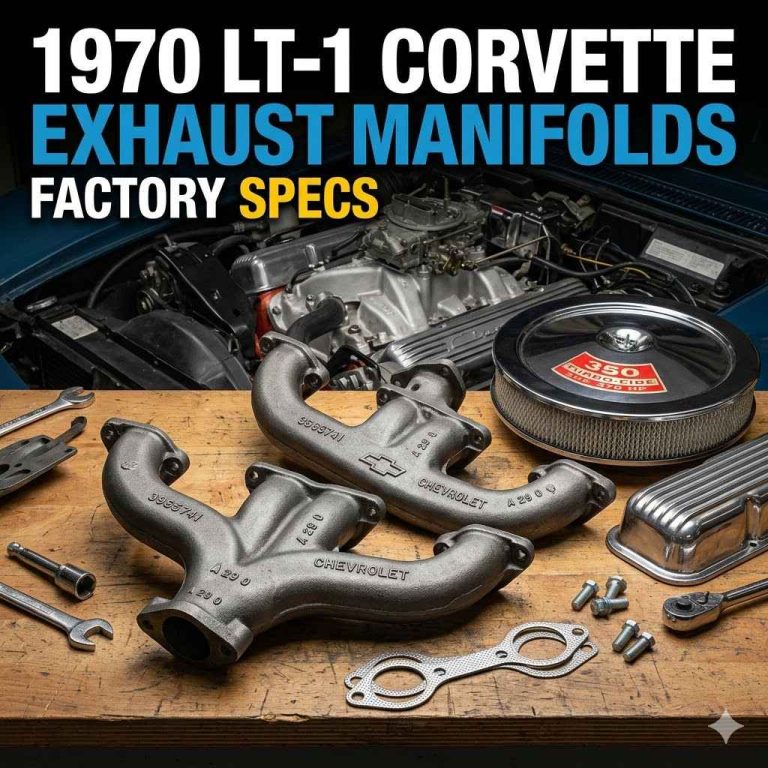
Think of your car’s exhaust manifold as the very first step in your vehicle’s exhaust system. Its main job is to collect hot exhaust gases from each cylinder in your engine and channel them into a single pipe. This process is pretty demanding! The manifold has to endure extreme temperature changes – getting super hot when the engine runs and cooling down when it’s off, day after day. It also has to deal with constant vibrations from the engine.
Over time, this constant heating and cooling, combined with the engine’s shaking, can put a lot of stress on the metal. This stress is what can eventually lead to small cracks forming in the manifold. While this isn’t exclusive to Durangos, certain V8 engine configurations in some Durango model years seem to be more prone to this issue than others. It’s a common wear-and-tear problem that many vehicle owners eventually face.

Do Durangos Have Trouble With Exhaust Manifolds Cracking?
So, to answer the big question directly: Do Durangos have trouble with exhaust manifolds cracking? The answer leans towards a “yes, it’s a known issue for some models.” While not every Durango will suffer from a cracked exhaust manifold, it’s a recurring problem reported by owners, especially for those with the larger V8 engines. These engines experience higher operating temperatures and pressures, which can accelerate the stress on the manifold material.
The frequency and severity can depend on several factors:
- Engine Size: V8 engines are generally more susceptible than V6 engines due to higher heat output.
- Model Year: Older models might show this issue more often as components age.
- Driving Habits: Frequent short trips where the engine doesn’t fully warm up and then cools down rapidly can increase stress cycles.
- Environmental Factors: Extreme temperatures and exposure to road salt can sometimes play a role in material fatigue.
It’s important to remember that this is a common automotive issue, not necessarily a sign of a fundamentally flawed design in all Durangos. Many owners successfully address it with proper maintenance and timely repairs.
Common Signs of a Cracked Exhaust Manifold on a Durango
Catching a cracked exhaust manifold early can save you a lot of headaches and money. Luckily, your Durango often gives you pretty clear clues when something’s amiss. Listening to your vehicle and paying attention to unusual sounds or smells is your best defense.
Here are the most common signs to watch out for:
1. Ticking or Tapping Noise
This is probably the most classic symptom. You’ll often hear a ticking or tapping sound, especially when the engine is cold. As the engine heats up and the metal expands, the crack might seal up slightly, and the noise can lessen or even disappear. It typically sounds like a rapid “tick-tick-tick” that follows your engine’s RPMs – meaning it gets faster as you give the engine more gas.
2. Hissing or Puffing Sound
Sometimes, instead of a ticking, you might hear a faint hissing or puffing sound. This occurs as exhaust gases escape through the crack in the manifold before they can be properly directed into your exhaust system. This sound might be more noticeable when the engine is under load, like accelerating or climbing a hill.
3. Exhaust Smells
If exhaust gases are leaking from the manifold, they can escape into your engine bay. This means you might catch a whiff of exhaust fumes inside the cabin, especially when you first start the car or are stopped at a light. This is not only annoying but also a safety concern, as exhaust contains harmful gases.
4. Reduced Engine Performance
A cracked manifold can affect how efficiently your engine runs. The exhaust gases are crucial for several engine processes, including triggering the oxygen sensors. If these sensors don’t get accurate readings due to a leak, the engine’s computer might not be able to adjust the fuel mixture correctly. This can lead to:
- A slight decrease in power or acceleration
- Rough idling
- Potentially worse fuel economy
5. Check Engine Light
The increased exhaust leaks can trigger your vehicle’s oxygen sensors to send faulty data to the engine control module (ECM). When the ECM detects readings outside its expected parameters, it will often illuminate the Check Engine Light on your dashboard. The code associated with this might point to an oxygen sensor issue or an exhaust system leak, which is a clue to investigate the manifold.
What Damages an Exhaust Manifold?
Exhaust manifolds are built tough, but they aren’t invincible. Several factors can contribute to their eventual cracking:
- Thermal Cycling (Heat and Cool): This is the biggest culprit. When your hot engine cools down, the metal contracts; when it heats up, it expands. This constant expansion and contraction, especially with rapid changes, puts immense stress on the metal, leading to fatigue and eventually cracks.
- Material Defects: While manufacturing processes are advanced, occasionally a manifold might have a hidden flaw (like a weak spot or impurity) that makes it more prone to cracking under normal stress.
- Physical Impacts: Debris on the road can sometimes strike the underside of your vehicle, including the exhaust manifold. A significant impact could cause immediate damage or weaken the manifold, making it susceptible to cracks later.
- Corrosion: Over years of exposure to moisture, road salt, and other elements, the metal can corrode. This corrosion can thin the material, making it weaker and more likely to crack under thermal stress.
- Improper Installation: If an exhaust manifold (or related components like gaskets) is installed incorrectly, it can lead to uneven stress on the manifold. Components might be overtightened, undertightened, or misaligned, all of which can contribute to premature failure.
DIY vs. Professional Repair: Fixing a Cracked Manifold
When you discover a cracked exhaust manifold on your Durango, you’ll face a decision: can you fix it yourself, or is it best left to the professionals? For many beginners or those with limited tools, a professional repair is the safest and most reliable route. However, understanding your options is always good!
When a DIY Repair Might Be Possible (with caution!)
For very minor, hairline cracks, some owners attempt temporary fixes. These are generally NOT recommended as long-term solutions, but might buy you a little time.
- Exhaust Repair Paste/Wrap: These are putty-like compounds or bandages soaked in resins that you can apply to a small crack. They harden when exposed to heat.
- Pros: Cheap, quick, can temporarily stop leaks.
- Cons: Very temporary, often fail under high heat and vibration, not a permanent fix, can make a professional repair harder later.
When to Call a Mechanic (Recommended for Most Cases)
For most cracked exhaust manifolds, replacement is the standard and most reliable solution. This involves removing the old, damaged manifold and installing a new one.
- Pros: Permanent fix, restores proper engine performance and sound, ensures safety, performed by experienced technicians.
- Cons: More expensive than DIY temporary fixes, requires removing other components for access.
Factors Influencing Repair Cost:
The cost of repairing a cracked exhaust manifold can vary significantly. Here are some things that affect the price:
| Factor | Impact on Cost | Why? |
|---|---|---|
| Part Cost | High | OEM (Original Equipment Manufacturer) manifolds are pricier than aftermarket options. |
| Engine Type | Moderate to High | V8 engines often have more complex, two-piece manifolds or exhaust systems that can be harder to access. |
| Labor Time | High | Accessing the manifold can be difficult on many vehicles, requiring removal of other parts like heat shields or even engine components. Some manifolds are very hard to reach on Durangos. |
| Additional Parts | Low to Moderate | New gaskets, bolts, and potentially heat shields may be needed if they are rusted or damaged. |
| Location/Shop Rates | Moderate | Mechanic labor rates vary by region. |
Average Cost Estimate: Depending on the factors above, a professional exhaust manifold replacement on a Durango can range anywhere from $500 to $1,500 or more. It’s always best to get a detailed quote from your trusted mechanic.
Step-by-Step Guide to Inspecting Your Durango’s Exhaust Manifold
Regularly inspecting your exhaust manifold can help you catch problems early. Here’s a simple guide for a visual check. Please remember to prioritize safety – always work on a cool engine and use proper safety gear!
Tools You Might Need:
- Safety glasses
- Work gloves
- Flashlight
- Car ramps or jack stands (for safe lifting of the vehicle)
- Wheel chocks
- Wire brush (optional, for cleaning off debris)
- Mirror on a stick (optional, for hard-to-see spots)
Inspection Steps:
- Ensure Safety First: Park your Durango on a level surface. Engage the parking brake firmly. If you need to lift the vehicle for better access, use car ramps or jack stands and wheel chocks. Make sure the engine is completely cool, preferably for several hours after driving.
- Locate the Exhaust Manifolds: On a V8 engine, you’ll have two exhaust manifolds, one for each bank of cylinders, typically located on the sides of the engine, bolted to the cylinder heads. On a V6, there will be one, or sometimes two depending on the setup. Shine your flashlight to get a clear view.
- Visually Inspect for Cracks or Damage: Carefully look over the entire surface of the manifold. You’re searching for any visible signs of damage.
- Cracks: Look for thin, hairline fractures. These can appear as dark lines on the metal.
- Warping: Check if the manifold looks bent or uneven.
- Discoloration: Dark or blued spots can sometimes indicate areas that have overheated excessively, which can lead to stress.
- Soot or Carbon Buildup: Look for unusual soot or carbon deposits around the seams or edges of the manifold. This can indicate gases escaping from a leak. Sometimes, a puff of smoke can be seen if the engine is running, but this is harder to check safely without experience.
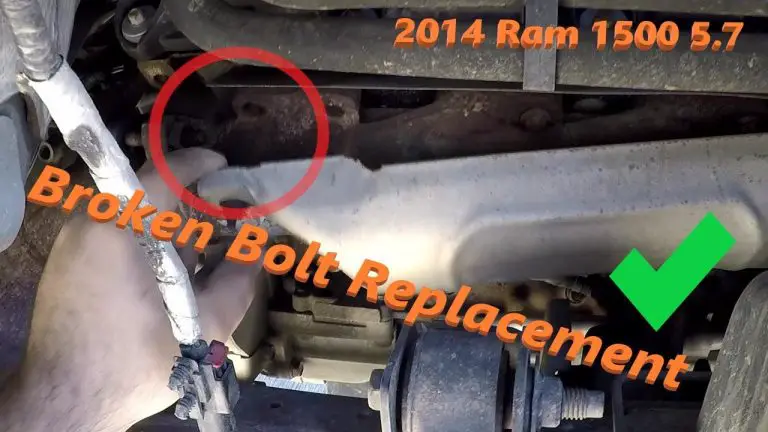
- Check the Gaskets and Bolts: Examine where the manifold bolts to the engine and where it connects to the rest of the exhaust pipe. Look for signs of leakage, such as black soot trails or damaged gaskets. Loose or broken bolts can also be a sign of trouble.
- Listen Carefully (If Safe): If you’re comfortable and have a helper, you can briefly start the engine while you are safely positioned away from moving parts. Listen intently for any ticking or hissing sounds coming directly from the manifold area.
- Use a Mirror: For hard-to-see areas, a mirror on a stick can be incredibly helpful for inspecting the backside and undersides of the manifold.
This visual inspection is a great starting point. If you see anything suspicious, or if you’re experiencing the symptoms mentioned earlier, it’s best to consult a qualified mechanic.
Preventative Measures and Maintenance Tips
While you can’t completely prevent thermal stress, following good maintenance practices can help prolong the life of your Durango’s exhaust manifold and spot issues before they become major problems. Think of it as giving your car the best chance to stay healthy!
Regular Inspections
As we discussed, don’t wait for a noise. Make it a habit to glance at your exhaust system during oil changes or tire rotations. Look for obvious damage, rust, or soot. This visual check is quick and can be done by many car owners without special tools.
Address Leaks Promptly
If you notice any exhaust smells or strange sounds, get them checked out immediately. A small leak could worsen over time, and dealing with it sooner is often less expensive than waiting for more damage to occur.
Proper Warm-Up Procedures
On very cold mornings, letting your engine idle for a minute or two before driving Gently can help the components warm up more evenly, reducing some of the shock from immediate high loads. However, keep in mind that excessive idling is not good for your catalytic converter or fuel efficiency, so a brief, gentle warm-up is what we’re aiming for. For more on healthy engine practices, the U.S. Department of Energy offers great tips on maintaining your vehicle for optimal performance and efficiency.
Rust Prevention
If you live in an area with harsh winters and road salt, consider undercoating or rust-proofing treatments for the underside of your vehicle. While this is more about the entire exhaust system, reducing overall corrosion can indirectly help the manifold’s longevity.
Use Quality Replacement Parts
If your manifold does need replacement, choose reputable brands or OEM parts. While aftermarket parts can be cheaper, higher-quality materials are often more durable and better engineered to withstand the extreme conditions.

Frequently Asked Questions (FAQ)
Q1: How much does it typically cost to replace an exhaust manifold on a Dodge Durango?
A: The cost can vary widely, but you might expect to pay anywhere from $500 to $1,500 or more. This depends on the engine size, whether you use OEM or aftermarket parts, and your local labor rates. It’s always best to get a quote from a trusted mechanic.
Q2: Can I drive my Durango with a cracked exhaust manifold?
A: It’s generally not recommended. While your Durango might still run, a cracked manifold can lead to reduced performance, poor fuel economy, and, more importantly, allow toxic exhaust fumes into the vehicle cabin, posing a health risk. It can also potentially damage other exhaust components over time.
Q3: How long does an exhaust manifold typically last?
A: Exhaust manifolds are usually durable components designed to last the lifetime of a vehicle. However, due to the extreme temperatures and stresses they endure, they can fail prematurely. Factors like your driving environment and maintenance habits play a big role. Some may last 100,000 miles or more, while others might crack much sooner.
Q4: What’s the difference between an exhaust manifold and an exhaust header?
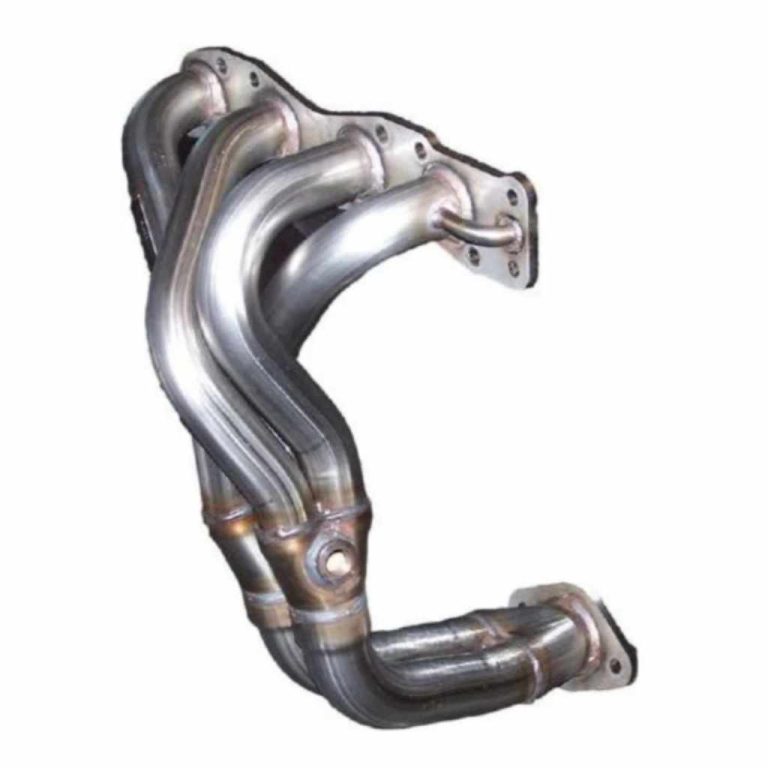
A: An exhaust manifold is the factory-designed component that collects exhaust gases. Exhaust headers are aftermarket performance parts that replace manifolds. They are typically made of smoother, mandrel-bent tubes that optimize exhaust flow for increased horsepower and torque, but they are often more expensive and can be louder.
Q5: Can a clogged catalytic converter cause exhaust manifold issues?
A: While not a direct cause of cracking, a severely clogged catalytic converter can create excessive backpressure in the exhaust system. This increased pressure and heat in the system can put extra stress on the exhaust manifold and its gaskets, potentially contributing to future issues or exacerbating existing ones.
Q6: Is there a recall for cracked exhaust manifolds on Dodge Durangos?
A: Recalls are typically issued for safety defects that affect a large number of vehicles. While cracked exhaust manifolds are a known issue for some Durango models, there isn’t a widespread recall covering all instances. You can check the National Highway Traffic Safety Administration (NHTSA) website (https://www.nhtsa.gov/) for any active recalls on your specific vehicle’s VIN.
Q7: How can I tell if it’s the exhaust manifold and not just a leaky exhaust pipe?
A: Exhaust pipe leaks usually occur further down the system and might produce a louder, deeper rumbling sound. Cracked manifolds often produce a distinct ticking or hissing sound very close to the engine, especially when it’s cold, and you might smell exhaust fumes inside the cabin. A mechanic can pinpoint the exact location of the leak using specialized tools.