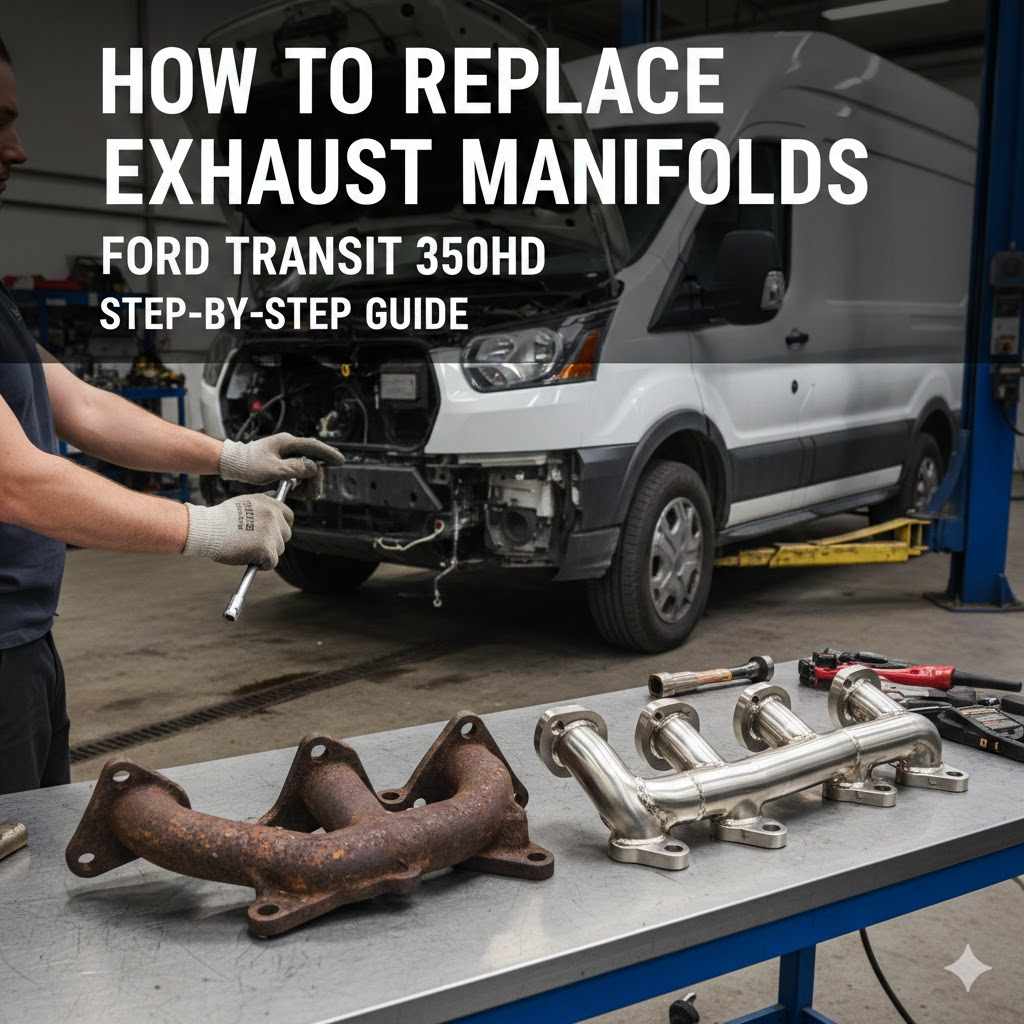
How to Replace Exhaust Manifolds on Ford Transit 350HD
Replacing the exhaust manifolds on your Ford Transit 350HD might sound tricky, especially if you’re new to car repairs. It’s a job that often pops up because these parts can wear out over time, causing noise or performance issues. Many people find this task a bit intimidating at first.
But don’t worry! This guide breaks downHow to Replace Exhaust Manifolds on Ford Transit 350HDinto easy steps. We’ll walk you through everything you need to know to get this done safely and correctly.
Let’s get your van running smoothly again.
Understanding Your Ford Transit 350HD Exhaust Manifold System
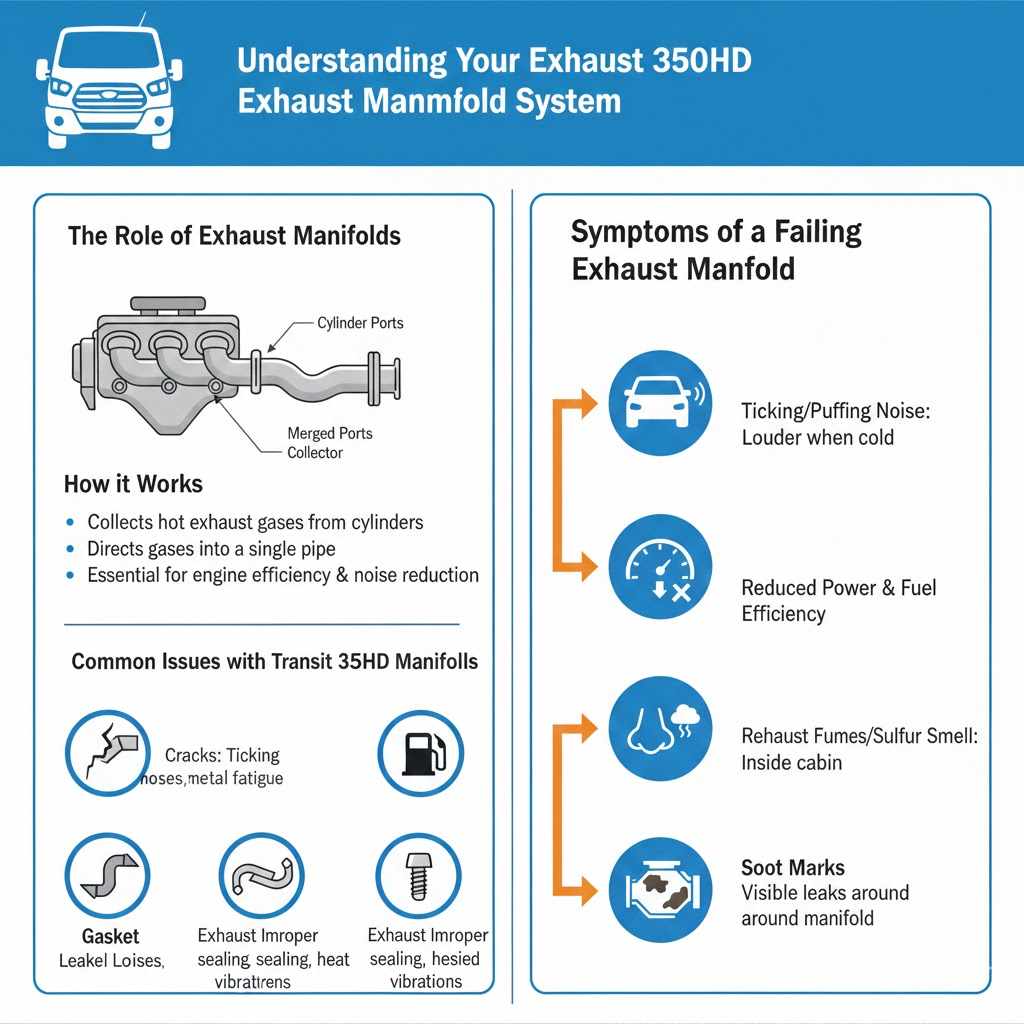
The exhaust manifold on your Ford Transit 350HD is a vital part of your engine’s exhaust system. Its main job is to collect exhaust gases from multiple cylinders and direct them into a single pipe. This process is essential for your engine to run efficiently and quietly.
Over time, these manifolds can develop cracks or leaks, often due to heat cycles and stress. This can lead to noticeable symptoms like ticking noises, reduced engine power, and even failed emissions tests. Learning about the system helps you spot problems early.
The Role of Exhaust Manifolds
Each cylinder in your engine produces hot exhaust gases during combustion. These gases need a pathway to exit the engine. The exhaust manifold acts as the first collector for these gases.
It’s typically made of cast iron or stainless steel to withstand high temperatures. Each cylinder has a port that connects to a tube on the manifold. These tubes then merge together into a larger pipe, which leads to the rest of the exhaust system, including the catalytic converter and muffler.
The design of the manifold influences exhaust flow, which can affect engine performance.
Common Issues with Transit 350HD Manifolds
Ford Transit 350HD exhaust manifolds are subjected to extreme heat and vibrations. This combination can cause metal fatigue and stress fractures over time. Common problems include:
- Cracks: Small hairline cracks can form due to repeated heating and cooling cycles. These are often the source of ticking sounds, especially when the engine is cold.
- Gasket Leaks: The gasket between the manifold and the cylinder head can also fail, leading to exhaust leaks and blowing noises.
- Warping: Extreme heat can sometimes cause the manifold to warp, preventing it from sealing properly against the cylinder head or gasket.
- Stud Breakage: The bolts or studs that hold the manifold to the cylinder head can break, making removal and installation challenging.
Symptoms of a Failing Exhaust Manifold
You’ll likely notice several signs if your exhaust manifold is in trouble. A persistent ticking or puffing sound from the engine bay, particularly when the engine is cold, is a classic indicator. This noise often quiets down as the engine warms up and the metal expands.
You might also experience a loss of engine power or reduced fuel efficiency. Sometimes, a sulfur smell or the smell of exhaust fumes inside the cabin can signal a leak. A visual inspection might reveal soot marks around the manifold where exhaust is escaping.
Tools and Materials Needed for Replacement
Before you begin the process of How to Replace Exhaust Manifolds on Ford Transit 350HD, gathering the right tools and materials is crucial. Having everything ready will make the job smoother and prevent unnecessary trips to the auto parts store. This is especially important for a vehicle like the Transit 350HD, which might have tight spaces and stubborn bolts.
Preparing your workspace and having all necessary items on hand will save you time and frustration.
Essential Tools for the Job
You’ll need a good set of tools to tackle this repair. Here’s a list of what you should have:
- Socket Set: A comprehensive set with both standard and metric sizes, including deep sockets. You’ll likely need extensions and a universal joint for hard-to-reach bolts.
- Wrench Set: Both open-end and box-end wrenches will be useful.
- Torque Wrench: Essential for tightening the new manifold and bolts to the manufacturer’s specifications. This prevents over-tightening and potential damage.
- Breaker Bar: For stubborn bolts that require extra leverage.
- Penetrating Oil: To help loosen rusted bolts and studs. Apply this liberally and let it soak.
- Gloves and Safety Glasses: Always protect yourself from grease, debris, and potential sharp edges.
- Jack and Jack Stands: If you need to lift the vehicle for better access. Ensure they are rated for your vehicle’s weight.
- Rags and Cleaning Supplies: To clean surfaces and wipe away grime.
- Wire Brush: For cleaning mating surfaces and bolt threads.
Replacement Parts
Make sure you have the correct replacement parts for your Ford Transit 350HD. This includes:
- New Exhaust Manifold(s): Verify you are getting the correct part for your specific engine and side (driver or passenger).
- New Exhaust Manifold Gaskets: These are critical for a proper seal and should always be replaced.
- New Manifold Studs or Bolts: It’s highly recommended to replace these, especially if any of the old ones are corroded or damaged. Using new hardware ensures a secure fit.
- Anti-seize Compound: Apply this to the threads of new studs or bolts to prevent them from seizing in the future.
Optional but Helpful Items
Some extra items can make the job easier:
- Pry Bar: May be needed to gently separate the manifold from the cylinder head.
- Exhaust Leak Detector: Can help confirm the leak’s location if you’re unsure.
- Impact Wrench: Can speed up bolt removal, but use with caution on sensitive components.
Step-by-Step Guide to Replacing Exhaust Manifolds
Now, let’s get into the actual process of How to Replace Exhaust Manifolds on Ford Transit 350HD. This section breaks down the repair into manageable stages, guiding you from preparation to the final bolt. Remember to work at a steady pace and double-check each step to ensure accuracy.
Taking your time is key to a successful DIY repair.
Preparing the Vehicle
Safety is the first priority. You need to ensure the vehicle is stable and you have adequate access to the exhaust manifold.
- Park the vehicle on a level surface.
- Engage the parking brake securely.
- If necessary, use a jack to lift the front or side of the vehicle to gain better access. Place sturdy jack stands under the frame at appropriate support points. Never rely solely on the jack.
- Disconnect the negative battery terminal. This prevents accidental electrical shorts while you’re working.
Locating and Accessing the Manifold
The exhaust manifolds on a Ford Transit 350HD are typically located on the sides of the engine. The exact position might vary slightly depending on the engine configuration.
- Identify the exhaust manifold you need to
- You may need to remove other components to gain clear access. This can include heat shields, engine covers, or air intake components. Carefully note how these are attached so you can reassemble them correctly.
Removing the Old Exhaust Manifold
This is often the most challenging part, especially if the bolts or studs are rusted or seized.
- Apply penetrating oil to all the manifold bolts or studs. Let it soak for at least 15-30 minutes, or even overnight if they are severely rusted. Reapply as needed.
- Using the appropriate socket and wrench, or a breaker bar for extra leverage, begin to loosen and remove the bolts or studs. Work them loose slowly, alternating between bolts to avoid uneven pressure.
- If studs break, you may need to use a stud extractor or drill them out. This can be a time-consuming process requiring patience.
- Once all bolts are removed, the manifold might still be stuck to the cylinder head or gasket. Gently tap it with a rubber mallet or use a pry bar in designated areas to carefully separate it. Avoid prying too hard on the cylinder head itself.
- Remove the old manifold and set it aside. Be aware it might be hot if the engine was recently run.
Preparing for the New Manifold
Before installing the new part, ensure all mating surfaces are clean and ready.
- Clean the cylinder head surface where the manifold attaches. Remove all traces of the old gasket material, carbon buildup, and rust using a scraper and wire brush. The surface must be perfectly flat and clean for the new gasket to seal properly.
- Inspect the cylinder head for any damage or warpage. If there are signs of damage, consult a mechanic.
- Clean the threads of the bolt holes in the cylinder head.
Installing the New Exhaust Manifold
Installation is the reverse of removal, but with attention to detail.
- Place the new gasket onto the cylinder head, aligning it with the bolt holes. Some gaskets have locating dowels or tabs.
- Carefully position the new exhaust manifold over the gasket.
- Install the new studs or bolts. Apply a small amount of anti-seize compound to the threads of each bolt or stud before inserting them.
- Hand-tighten all bolts or studs first. This ensures the manifold is seated correctly and evenly.
- Using your torque wrench, tighten the bolts or studs in a specific sequence, usually starting from the center and working outwards. Follow the manufacturer’s torque specifications for your Transit 350HD. Tighten them in stages (e.g., half torque, then full torque) to ensure even pressure.
- Reinstall any components that were removed for access, such as heat shields or intake parts.
- Reconnect the negative battery terminal.
Final Checks and Testing
After installation, it’s time to make sure everything is secure and working correctly.
- Double-check that all bolts are tightened to the correct torque specifications.
- Ensure all removed components are securely reinstalled.
- Start the engine and listen for any unusual noises.
- Check for exhaust leaks around the new manifold. You might see or feel puffs of air, or you might hear a continuation of the old ticking sound if there’s a leak.
- Let the engine run for a while and then turn it off. Allow it to cool completely. You might hear some popping or ticking sounds as the metal contracts, which is normal.
Troubleshooting Common Challenges
When you are learning How to
Dealing with Broken Studs or Bolts
Broken studs or bolts are one of the most frequent issues encountered during exhaust manifold
- One method involves using a stud extractor, which grips the remaining part of the stud. You then use a wrench to turn it out.
- If the stud is broken below the surface, you might need to drill into the center of the broken stud. Use a drill bit that is smaller than the stud’s diameter. Then, use a left-handed drill bit; sometimes, as it drills, it can catch the stud and unscrew it.
- As a last resort, if drilling and extraction fail, you may need to use a center punch to carefully try and rotate the broken stud counter-clockwise. After drilling, you can also try using an easy-out extractor, which is a tapered, reverse-threaded tool. It’s important to use the correct size and apply steady, even pressure. Sometimes, heating the area around the broken stud can help expand the metal, making removal easier.
Managing Rusted and Seized Fasteners
Rust is the enemy of any automotive repair involving fasteners, especially exhaust components that are exposed to heat and moisture.
- Penetrating oil is your best friend. Apply it generously to the bolts and studs. Give it time to work its magic; sometimes, multiple applications and soaking periods are necessary.
- Gentle heat can also be applied to the area around the fastener. Using a propane torch, carefully heat the surrounding metal. This expands the metal, which can break the rust bond. Be cautious not to overheat or damage nearby components. After heating, apply more penetrating oil.
- A breaker bar provides the leverage needed for stubborn bolts. Use short, firm bursts of force rather than one long, continuous pull. This can sometimes shock the rust loose. If a bolt starts to round off, stop and consider using a bolt extractor socket designed to grip damaged fasteners.
Ensuring Proper Gasket Sealing
A leak-free seal is critical for the new exhaust manifold to function correctly. Improper sealing can lead to noise, performance issues, and failed emissions.
- The mating surfaces on both the cylinder head and the new manifold must be perfectly clean and flat. Even a tiny bit of old gasket material or carbon can prevent a good seal. Use a gasket scraper and a wire brush to achieve a smooth surface.
- Always use a new, high-quality gasket designed specifically for your Ford Transit 350HD. Do not reuse an old gasket, even if it looks intact.
- Tighten the manifold bolts evenly and in the correct sequence, following the manufacturer’s torque specifications. This ensures the gasket is compressed uniformly across its entire surface. Tightening in stages helps the gasket seat properly.
- If you suspect the cylinder head itself might be warped, it’s best to have it checked by a professional. A warped head will make it impossible to achieve a proper seal, no matter how carefully you install the manifold and gasket.
Maintenance and Longevity Tips
After you’ve successfully completed the task of How to Replace Exhaust Manifolds on Ford Transit 350HD, thinking about how to keep your new components in good shape is smart. Proper care can extend their lifespan and prevent future headaches. Simple checks and maintenance habits can make a big difference in the long run for your van’s exhaust system.
Regular Inspections
Making it a habit to check your exhaust system periodically can catch minor issues before they become major problems.
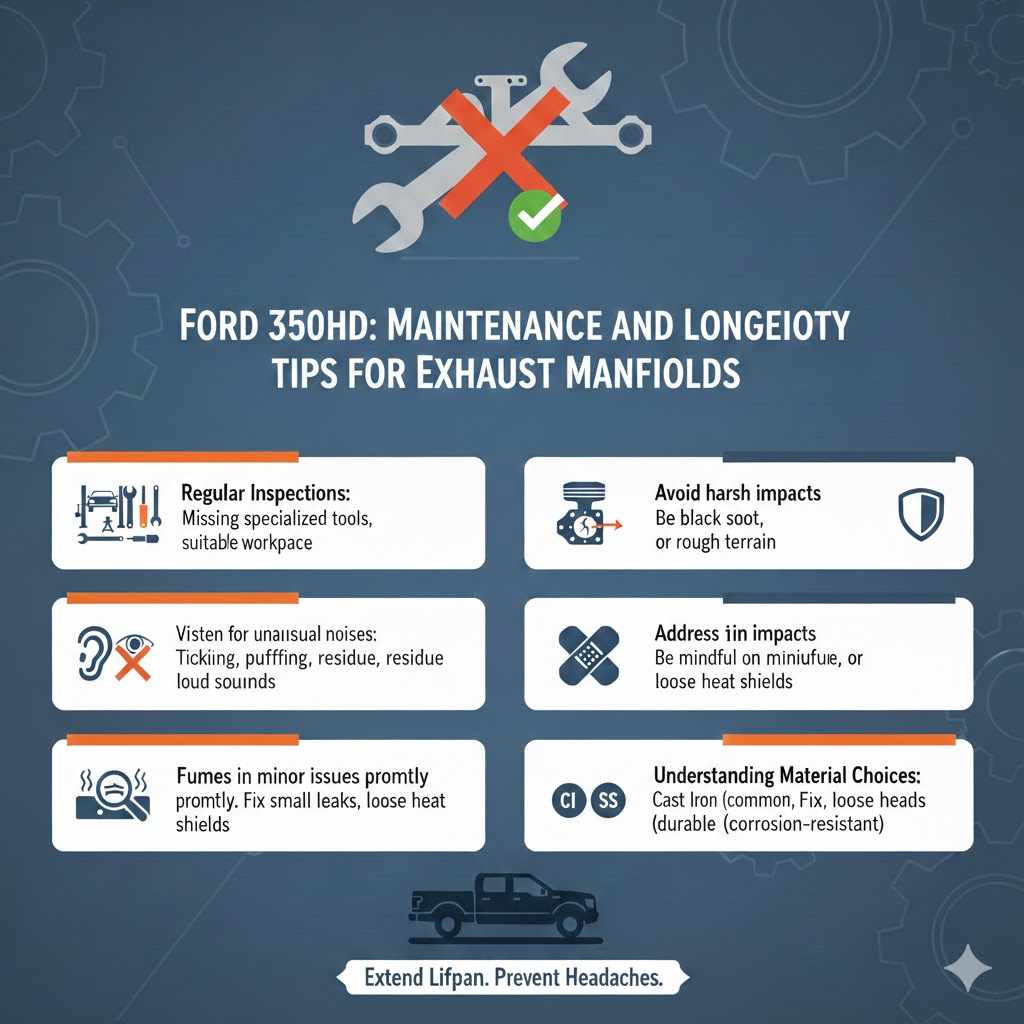
- Listen for unusual noises: Pay attention to any new ticking, puffing, or loud exhaust sounds. These are often the first signs of a leak or a developing crack.
- Visually inspect the manifolds: When you have the hood open for other maintenance, take a moment to look at the exhaust manifolds. Look for any signs of black soot or residue, which indicates an exhaust leak. Also, check for any visible cracks in the metal.
- Check for exhaust fumes in the cabin: If you ever smell exhaust fumes inside your Transit 350HD, this is a serious indicator of a leak that needs immediate attention.
Preventative Measures
While you can’t prevent all wear and tear, some actions can help protect your exhaust components.
- Avoid harsh impacts: Be mindful when driving over rough terrain or speed bumps. Excessive bouncing or jarring can put stress on exhaust components.
- Address minor issues promptly: If you notice a small leak or a loose heat shield, get it fixed sooner rather than later. Small problems can escalate if ignored.
- Use quality
Understanding Material Choices
The type of exhaust manifold material can affect its durability.
- Cast Iron: This is the most common material for exhaust manifolds. It’s cost-effective and can withstand high temperatures. However, cast iron can become brittle over time and is prone to cracking.
- Stainless Steel: While less common for factory manifolds, aftermarket stainless steel manifolds offer superior corrosion resistance and durability. They are less likely to crack than cast iron. However, they are also more expensive.
Frequently Asked Questions
Question: How long does it typically take to replace exhaust manifolds on a Ford Transit 350HD?
Answer: The time needed can vary widely depending on your experience level, the condition of the old bolts, and whether you encounter any complications. For a DIYer, it could take anywhere from 4 to 8 hours, or even longer if you run into rusted-on parts or broken studs.
Question: Can I drive my Ford Transit 350HD with a cracked exhaust manifold?
Answer: While the vehicle may still run, it’s not recommended to drive for extended periods with a cracked manifold. Leaks can reduce engine performance, decrease fuel efficiency, and allow dangerous exhaust fumes like carbon monoxide to enter the cabin.
Question: What is the most common cause of exhaust manifold failure?
Answer: The most common cause is thermal cycling. The constant heating and cooling of the manifold metal puts stress on it, leading to fatigue and eventual cracking over time.
Question: Do I need to replace the bolts when I replace the exhaust manifold?
Answer: It is highly recommended to
Question: Can a bad exhaust manifold affect my van’s performance?
Answer: Yes, absolutely. Leaks in the exhaust manifold disrupt the precise flow of exhaust gases the engine is designed for, which can lead to a noticeable loss of power and decreased fuel economy.
Summary
Replacing exhaust manifolds on your Ford Transit 350HD is a manageable task with careful preparation and execution. You’ve learned the importance of the manifold, the tools needed, and a step-by-step approach to removal and installation. Tackling common issues like broken bolts and rust is possible with patience.
Regular checks and prompt attention to minor problems will help keep your new manifolds working well for a long time.