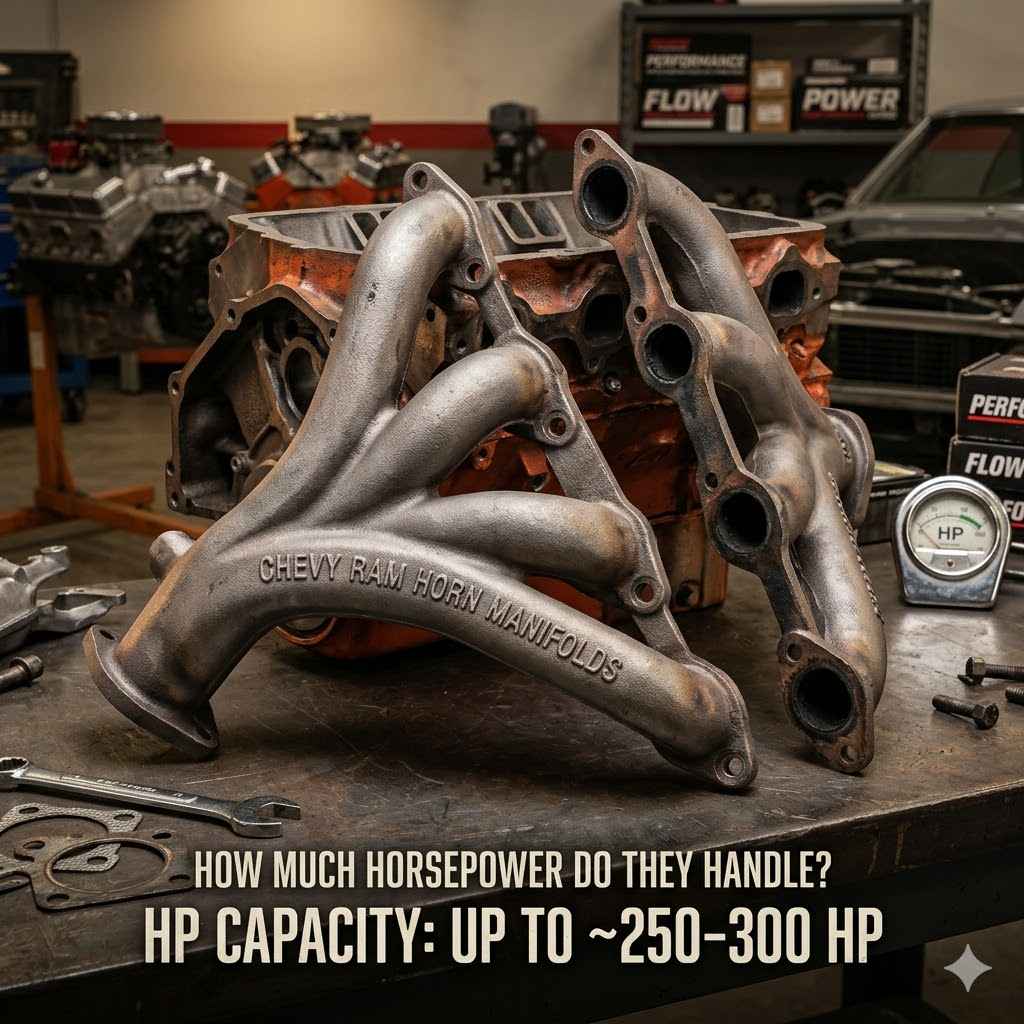
How Much Horsepower Chevy Ram Horn Manifolds Handle
Figuring out how much horsepower Chevy Ram Horn manifolds handle can seem a bit tricky when you’re just starting out with car mods. It’s like trying to guess how much weight a bridge can hold without a calculator. Lots of people ask this question because they want to boost their truck’s power safely.
We’ll break it down step-by-step so it makes perfect sense. Stick around, and we’ll get you squared away.
Understanding Chevy Ram Horn Manifold Horsepower Limits
This section is all about learning what limits are in place for Chevy Ram Horn manifolds when it comes to horsepower. These manifolds are a key part of how your engine breathes, and knowing their limits helps you avoid damage. We will explore what makes these manifolds unique and the factors that influence how much power they can support.
Getting this right means your engine will run better and last longer.
What Are Chevy Ram Horn Manifolds
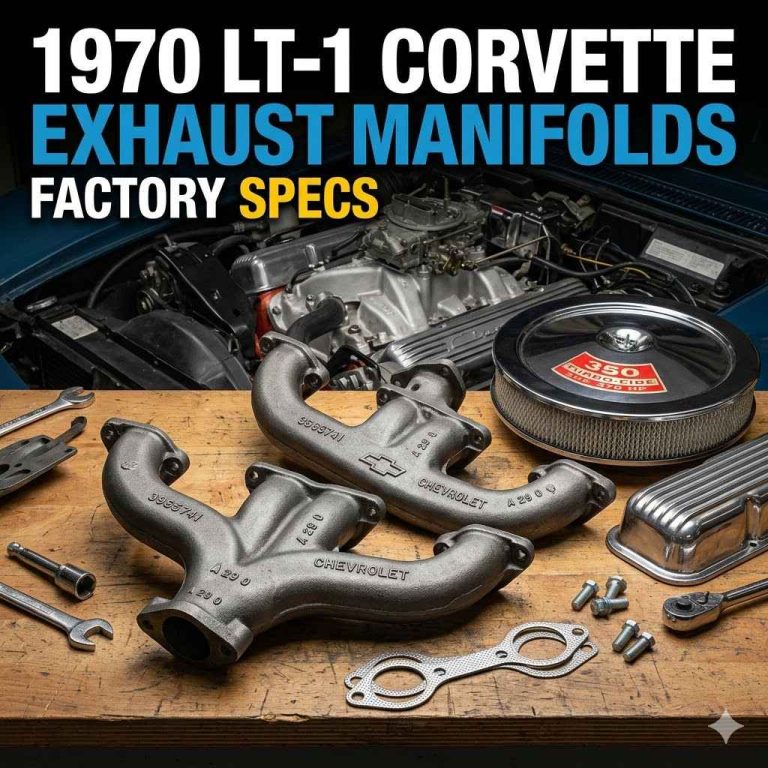
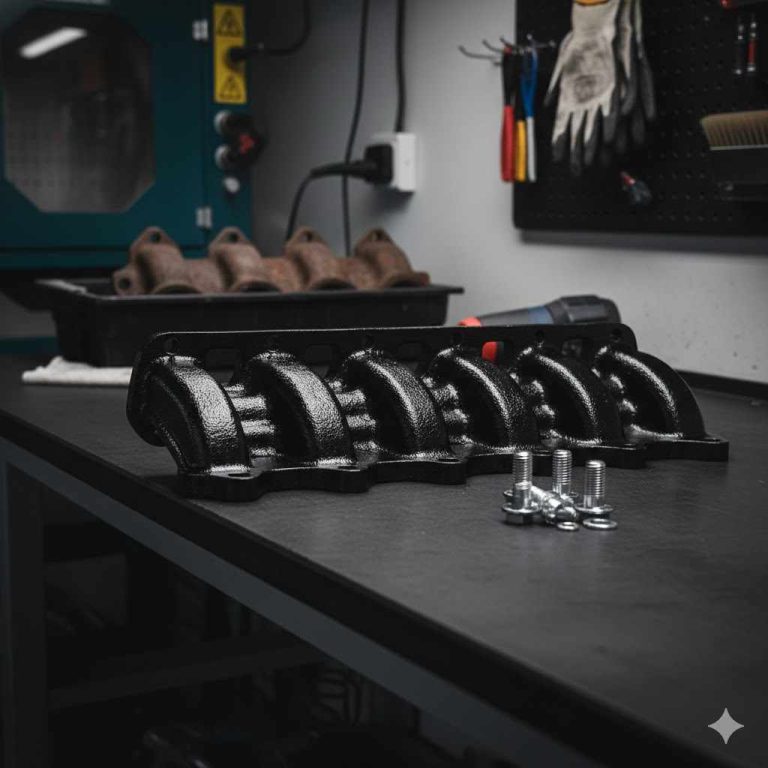
Chevy Ram Horn manifolds are a specific type of exhaust manifold used on certain General Motors V8 engines. They are named for their shape, which resembles the horns of a ram, curving outwards and downwards from the cylinder heads. This design aims to route exhaust gases away from the engine efficiently.
Unlike simpler exhaust designs, the Ram Horns have a more elaborate structure.
The basic function of any exhaust manifold is to collect hot exhaust gases from each cylinder’s exhaust port and channel them into a single pipe, leading to the rest of the exhaust system. This process is vital for engine performance and cooling. For Ram Horns, the unique shape is intended to improve exhaust scavenging, which is the process of helping to pull exhaust gases out of the cylinder more effectively.
This can lead to slight performance gains and a better-flowing exhaust.
These manifolds are often found on classic Chevy trucks and muscle cars, particularly those with small-block V8 engines. Their cast iron construction is typically quite durable. However, like any engine component, they have their limits, especially when engine output is significantly increased.
Understanding this basic function is the first step to knowing their horsepower capabilities.
Factors Affecting Horsepower Handling
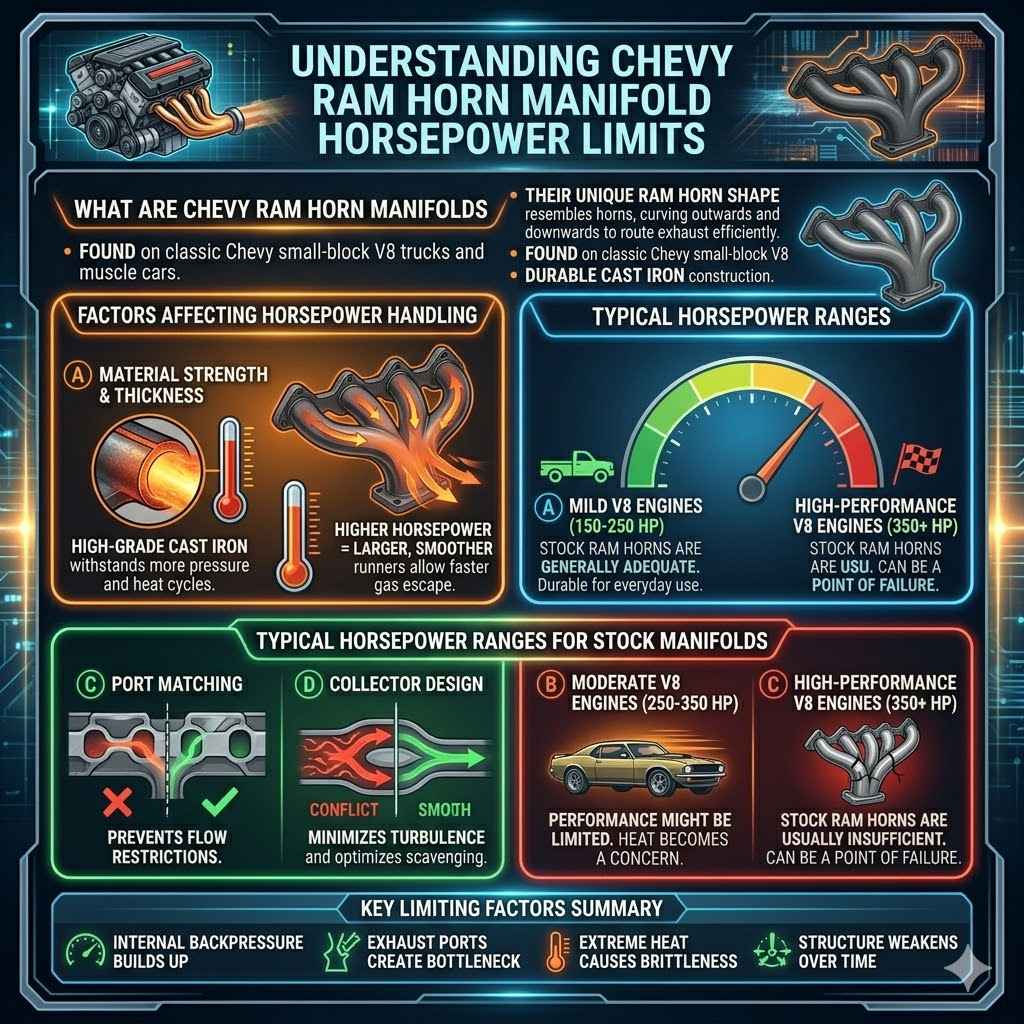
Several things influence how much horsepower a Chevy Ram Horn manifold can handle. The material it’s made from plays a big role. Most Ram Horns are cast iron, which is strong but can become brittle under extreme heat cycles.
The thickness of the cast iron is also important; thicker sections can withstand more pressure and heat.
The design itself is another key factor. The internal shape and the diameter of the runners affect how well exhaust gases flow. If the exhaust ports are too small for the amount of gas being produced, backpressure builds up, limiting power and increasing heat.
A manifold designed for lower horsepower engines might not cope well with the vastly increased gas volume from a high-performance setup.
Also, consider the exhaust port size on your cylinder heads. If the manifold’s ports are much smaller than the cylinder head ports, it creates a bottleneck. This restricts exhaust flow, a major limitation for horsepower.
The overall condition of the manifold matters too. Cracks or severe corrosion can weaken the structure and reduce its ability to handle stress.
Here are some key factors to keep in mind:
- Material Strength: Cast iron is standard, but its quality and thickness vary. High-grade cast iron is more durable.
- Runner Design and Diameter: Larger, smoother runners allow gases to escape faster, supporting higher horsepower.
- Collector Design: How the individual runners merge into the main exhaust pipe affects flow. A well-designed collector minimizes turbulence.
- Port Matching: The manifold’s exhaust ports should align well with the cylinder head exhaust ports to prevent flow restrictions.
- Temperature and Pressure: Higher horsepower means hotter exhaust gases and higher internal pressures, both of which stress the manifold.
Typical Horsepower Ranges for Stock Manifolds
Stock Chevy Ram Horn manifolds are generally designed for the horsepower levels of the vehicles they came with from the factory. For most classic Chevy trucks and cars from the 1960s and 1970s, this typically ranged from around 150 to 300 horsepower. These manifolds were built to be durable and reliable for everyday use and moderate performance.
If your engine is naturally aspirated and not heavily modified, a stock Ram Horn manifold can usually handle its output without issues. For example, a mild 350 cubic inch V8 engine producing around 250 horsepower would likely be well within the safe operating range for a stock Ram Horn. The cast iron is strong enough to handle the moderate heat and pressure generated.
However, when you start adding performance modifications, the horsepower numbers can climb quickly. Pumping more air and fuel into the engine means more exhaust gas is produced. Stock manifolds were not engineered for these higher volumes and temperatures.
Pushing them beyond their intended design can lead to problems, so it’s crucial to know when an upgrade is necessary.
Here’s a general idea:
- Mild V8 engines (150-250 HP): Stock Ram Horns are generally adequate.
- Moderate V8 engines (250-350 HP): Performance might start to be limited by the stock manifolds, and heat can become a concern.
- High-performance V8 engines (350+ HP): Stock Ram Horns are usually insufficient and can be a point of failure.
Upgrading for Increased Horsepower
When you decide to push your engine beyond what stock components can handle, upgrading is the next logical step. This section focuses on how to best approach upgrading your exhaust manifolds to support more horsepower. We’ll look at different options and what makes them suitable for high-performance applications.
Making the right choice here ensures your engine can breathe freely and safely at higher power levels.
When to Consider Upgrading
You should think about upgrading your Ram Horn manifolds when your engine’s horsepower starts to exceed the typical range for stock components. A good indicator is when you install significant performance modifications such as larger camshafts, performance cylinder heads, or forced induction systems like superchargers or turbochargers. These upgrades dramatically increase the volume and temperature of exhaust gases.
Another sign is if you notice symptoms of exhaust restriction. This can include a loss of power at higher RPMs, a noticeable increase in engine bay temperature, or even a slight pinging sound under acceleration, which can sometimes be related to excessive backpressure. If your stock manifolds show any signs of damage, like cracks, it’s definitely time for a replacement, regardless of horsepower.
Think about your goals. If you’re aiming for a weekend cruiser with a bit more grunt, stock might be fine. But if you’re building a drag car, a track car, or a powerful street machine, you’ll need manifolds designed for serious output.
Don’t let your exhaust system become the bottleneck holding back your engine’s potential.
Key reasons to upgrade:
- Significant Power Increases: When aiming for 350+ horsepower.
- Forced Induction: Superchargers or turbochargers drastically increase exhaust flow.
- Race Applications: Where maximum performance and durability are essential.
- Preventing Overheating: High exhaust gas temperatures can damage other engine components.
- Reducing Backpressure: Essential for engine efficiency and power at high RPMs.
Performance Exhaust Manifold Options
For those looking to support higher horsepower, there are two main types of performance exhaust manifolds to consider: aftermarket cast iron headers and tubular steel headers. Both have their own pros and cons depending on your budget and performance needs. Understanding these options will help you make an informed decision for your specific build.
Aftermarket cast iron headers are often a direct
Tubular steel headers, also known as “long tube” or “shorty” headers depending on their length, are the choice for serious performance enthusiasts. They are constructed from bent steel tubing, which allows for a much smoother and more direct path for exhaust gases. This design significantly reduces backpressure and improves exhaust scavenging, leading to substantial horsepower and torque gains.
They are ideal for engines making 400 horsepower and well beyond.
Here’s a comparison of common performance manifold types:
| Type | Material | Typical Horsepower Range | Pros | Cons |
|---|---|---|---|---|
| Aftermarket Cast Iron | Cast Iron | 200-450 HP | Durable, affordable, easier installation, stealthier look | Less flow improvement than tubular, can still be restrictive at very high HP |
| Tubular Steel (Shorty) | Steel Tubing | 300-550 HP | Improved flow over stock, good mid-range torque, easier fit than long tubes | More expensive than cast iron, can still have some flow limitations |
| Tubular Steel (Long Tube) | Steel Tubing | 400+ HP | Max flow improvement, significant HP/torque gains, best scavenging | Most expensive, can be harder to install, may require suspension modifications, can be loud |
Installation and Fitment Considerations
When you decide to upgrade your exhaust manifolds, proper installation is just as important as choosing the right part. Fitment can be a common challenge, especially with aftermarket performance parts. It’s crucial to ensure the new manifolds will bolt up correctly to your cylinder heads and connect properly to the rest of your exhaust system.
For instance, long tube headers, while offering the best performance, often require modifications to the exhaust system downstream. They might also interfere with suspension components or steering linkages, necessitating custom fabrication or specialized adapter pipes. Always check compatibility with your specific vehicle model and engine.
Some manufacturers offer different header designs for various chassis configurations.
Before buying, research reviews and forums for your vehicle. Many owners share their experiences with specific brands and models, detailing any fitment issues they encountered. Having the right tools and understanding basic engine mechanics is also helpful.
If you’re not comfortable with exhaust work, hiring a professional mechanic is a wise investment to ensure a proper and safe installation.
Here are some installation tips:
- Verify Compatibility: Double-check that the part number matches your exact year, make, model, and engine.
- Gather Necessary Gaskets and Hardware: Often, new gaskets are needed, and sometimes specialized hardware is recommended.
- Check Clearance: Ensure adequate clearance around suspension, steering, and drivetrain components.
- Proper Torque: Tighten manifold bolts to the manufacturer’s specified torque in the correct sequence to prevent leaks or damage.
- Test for Leaks: After installation, start the engine and check carefully for any exhaust leaks, which can cause performance issues and noise.
Understanding Exhaust Manifold Terminology
To fully grasp how much horsepower Chevy Ram Horn manifolds handle, it helps to know some of the technical terms involved. This section aims to demystify some of the common language used when discussing exhaust systems. Knowing these terms will help you better understand product descriptions and discuss your needs with mechanics or parts suppliers.
Exhaust Scavenging Explained
Exhaust scavenging is the process where the exiting exhaust pulse from one cylinder helps to pull the remaining exhaust gases out of another cylinder. Think of it like a wave pushing water out of a pipe. When the exhaust gas leaves a cylinder rapidly, it creates a low-pressure area behind it.
This vacuum effect can help to draw out the residual gases from the cylinder that is just finishing its exhaust stroke.
Good scavenging is important because if exhaust gases are left behind in the combustion chamber, they can dilute the incoming fresh air-fuel mixture. This can lead to a less efficient burn, reduced power, and increased temperatures. Performance exhaust manifolds and headers are designed to optimize this scavenging effect by carefully timing and routing the exhaust pulses from different cylinders.
The design of the exhaust manifold plays a critical role in scavenging. A well-designed manifold will have runners of the correct length and diameter, and the collector area where the runners merge will be shaped to promote a continuous flow of exhaust gases. This ensures that as much spent gas as possible is removed from the engine, allowing it to breathe more freely and make more power.
Backpressure and Its Impact
Backpressure is the resistance to the flow of exhaust gases through the exhaust system. It’s essentially the “push” that the exhaust gases encounter as they move from the engine cylinders out through the manifold, catalytic converter, muffler, and tailpipe. While a small amount of backpressure is necessary for some engines to function optimally, excessive backpressure is detrimental to performance.
When backpressure is too high, exhaust gases cannot escape the cylinders efficiently. This is like trying to breathe out through a straw – it’s hard work. The engine has to expend more energy to push the gases out, which reduces the power delivered to the wheels.
This also leads to increased temperatures inside the combustion chamber and the exhaust system, potentially causing damage over time.
For example, a stock Ram Horn manifold on a performance engine might create more backpressure than a tubular header. This is because the cast iron design and the merging of exhaust pulses may not be as smooth or efficient. Reducing backpressure by upgrading to a better-flowing exhaust manifold is a common way to increase horsepower and improve engine efficiency.
Runner Size and Length
The size and length of the exhaust manifold runners are critical design elements that affect performance. The runner is the individual tube that carries exhaust gases from a cylinder’s exhaust port to the collector. The diameter of the runner needs to be appropriate for the engine’s displacement and intended horsepower.
A runner that is too small can create a bottleneck, increasing backpressure and restricting flow, especially at higher RPMs. Conversely, a runner that is too large can lead to poor exhaust scavenging at lower RPMs. This is because the exhaust pulse might not have enough mass or velocity to effectively pull out the gases.
Runner length also plays a role, particularly in tubular headers. Shorter runners tend to favor higher RPM power, while longer runners can help improve torque at lower RPMs. This is due to the tuning effect of the exhaust pulse traveling through the tube.
Manufacturers of performance headers carefully consider these dimensions to optimize power delivery for specific engine types and applications.
Collector Design
The collector is the part of the exhaust manifold where the individual runners merge into a single outlet pipe. The design of this collector is very important for managing exhaust gas flow and maximizing performance. A poorly designed collector can create turbulence and interfere with the exhaust pulses from different cylinders, reducing efficiency.
Ideally, a collector should merge the exhaust gases smoothly and in a way that takes advantage of the scavenging effect. Some collectors are designed with specific angles or shapes to help create a consistent, powerful exhaust pulse that exits the system efficiently. This helps to pull exhaust gases from the cylinders more effectively, reducing backpressure.
For example, a 4-into-1 collector design, common in many long tube headers, aims to combine the exhaust pulses from four cylinders into one pipe in a way that maximizes scavenging. A 4-into-2-into-1 design (often seen in stepped headers) tries to balance scavenging effects for both low-end torque and high-end horsepower. The type of collector used can significantly impact the overall performance gains from an exhaust manifold upgrade.
Real-World Performance Examples
To truly understand how much horsepower Chevy Ram Horn manifolds handle, looking at some real examples helps paint a clearer picture. Seeing how different setups perform in practice gives us valuable insights into the capabilities and limitations of exhaust manifolds. These examples show the direct impact of manifold choice on engine output.
Case Study 1 A Mild Street Truck Build
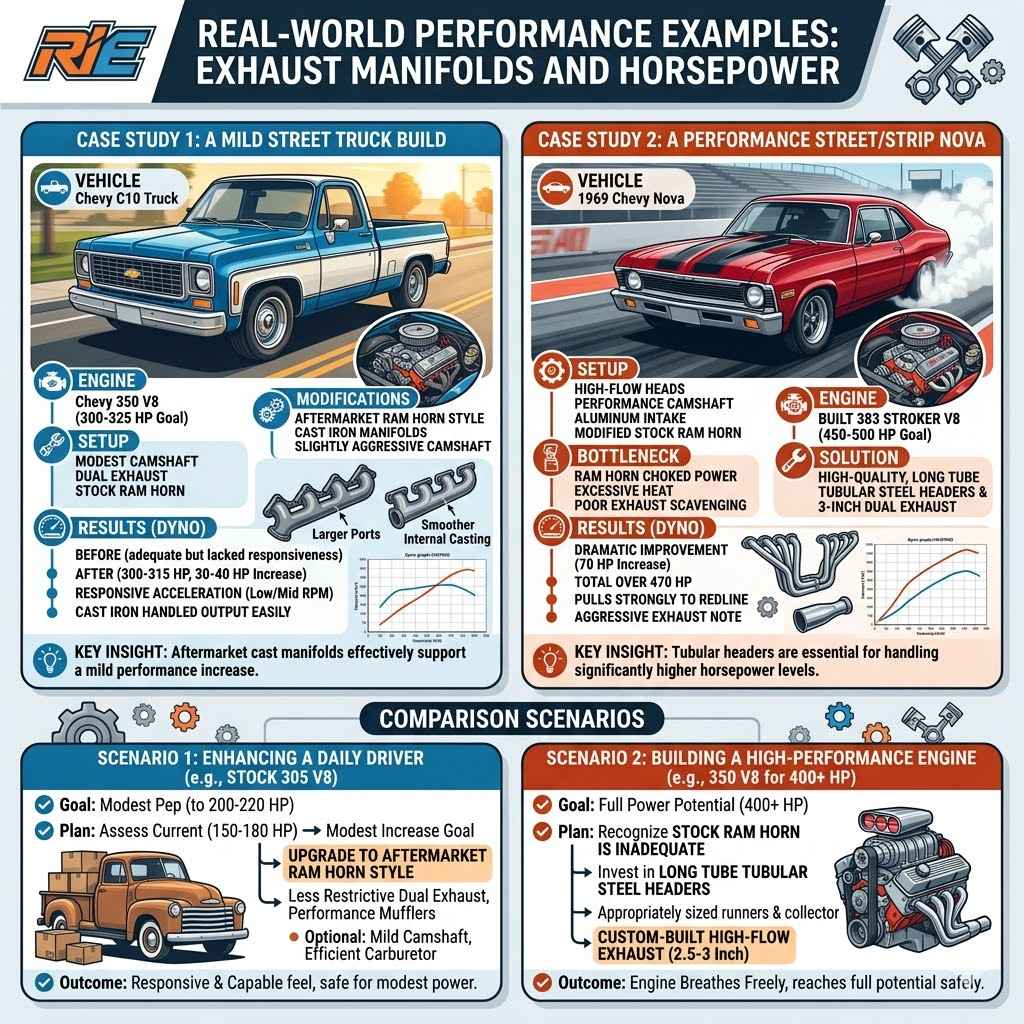
Consider a classic Chevy C10 pickup truck with a 350 cubic inch V8 engine. The owner wanted a bit more power for daily driving and occasional towing, aiming for around 300-325 horsepower. The original engine had stock Ram Horn manifolds, a modest camshaft, and a dual exhaust system.
The truck performed adequately but lacked responsiveness. The owner decided to upgrade to a set of aftermarket cast iron Ram Horn style manifolds that featured slightly larger ports and a smoother internal casting. Along with this, a slightly more aggressive camshaft was installed, and the exhaust system was
After the modifications, dyno testing showed an increase of about 30-40 horsepower, bringing the total to around 300-315 horsepower. The truck felt much more responsive, with better acceleration at lower and mid-range RPMs. The cast iron manifolds, being stout and well-designed for the moderate power increase, handled the new output without any issues.
This case shows how a well-chosen aftermarket cast manifold can effectively support a mild performance increase.
Case Study 2 A Performance Street/Strip Nova
Now, let’s look at a more aggressive build: a 1969 Chevy Nova with a built 383 cubic inch stroker V8 engine. The goal here was significantly more power, targeting around 450-500 horsepower for street use and occasional drag strip runs. The engine featured high-flow cylinder heads, a performance camshaft, and an aluminum intake manifold.
The owner initially tried to use modified stock Ram Horn manifolds, but they quickly became a bottleneck. Power was being choked off at higher RPMs, and temperatures in the engine bay were excessively high. The engine also suffered from poor exhaust scavenging, leading to a less efficient burn.
The solution was to switch to a set of high-quality, long tube tubular steel headers. These headers were specifically designed for the 383 stroker with the Nova’s chassis. After installation, along with a custom-bent 3-inch dual exhaust system, the Nova saw a dramatic improvement.
Dyno results showed an increase of nearly 70 horsepower, pushing the total output to over 470 horsepower. The engine pulled strongly to redline, and the exhaust note was much more aggressive. This illustrates how tubular headers are essential for handling significantly higher horsepower levels.
Scenario 1 Enhancing a Daily Driver
Imagine you have a 1970s Chevy pickup that you use for hauling light loads and weekend trips. It has a stock 305 V8. You want to add a bit more pep to its step without making it complicated.
- Assess the current power output of your 305. A stock 305 might produce around 150-180 horsepower.
- Decide on a modest horsepower increase goal, perhaps to around 200-220 horsepower.
- Consider upgrading to aftermarket cast iron Ram Horn style manifolds. These will offer better flow than your original manifolds.
- Pair this with a less restrictive exhaust system, like a dual exhaust with performance mufflers.
- You might also consider a mild camshaft upgrade or a more efficient carburetor.
- With these changes, your daily driver will feel more responsive and capable, and the upgraded manifolds will handle the modest power increase safely.
Scenario 2 Building a High-Performance Engine
Suppose you’re building a 350 V8 for a performance application, aiming for 400 horsepower or more. You plan to use high-performance cylinder heads, a powerful camshaft, and possibly a supercharger.
- Recognize that stock Ram Horn manifolds are entirely inadequate for this level of performance.
- Invest in a set of quality, long tube tubular steel headers designed for your engine and chassis. These are crucial for managing the high volume and temperature of exhaust gases.
- Ensure the headers have appropriately sized runners and a well-designed collector to optimize exhaust scavenging and minimize backpressure.
- Connect these headers to a custom-built, high-flow exhaust system, likely a 2.5-inch or 3-inch dual system.
- This setup will allow your high-performance engine to breathe freely, enabling it to reach its full power potential safely and efficiently.
Frequently Asked Questions
Question: Can stock Chevy Ram Horn manifolds handle 350 horsepower
Answer: Generally, stock Chevy Ram Horn manifolds are not recommended for sustained use at 350 horsepower. While they might survive for a short time, they will likely become a significant restriction, leading to excessive heat and potential damage. Upgraded manifolds or headers are highly advised for this power level.
Question: Are tubular headers better than cast iron Ram Horns
Answer: For higher horsepower applications (above 350-400 HP), tubular headers offer superior performance due to better flow characteristics and reduced backpressure. However, for milder builds or when a more stock appearance is desired, aftermarket cast iron Ram Horn style manifolds can be a good compromise.
Question: What happens if I exceed the horsepower limit of my Ram Horn manifolds
Answer: Exceeding the horsepower limit can cause the manifolds to overheat, leading to cracks or warping. It also creates excessive backpressure, which chokes the engine, reduces power, and can lead to engine detonation or damage. The manifolds themselves could fail, causing exhaust leaks.
Question: How do I know if my exhaust is too restrictive
Answer: Signs of a restrictive exhaust include a noticeable loss of power, especially at higher RPMs, an engine that feels sluggish, increased engine bay temperatures, and sometimes a “chugging” sound under acceleration. Dyno testing can confirm if the exhaust is a performance bottleneck.
Question: Can I modify stock Ram Horn manifolds for more power
Answer: Minor modifications like porting or smoothing internal passages might offer a slight improvement, but they have inherent design limitations. Significant horsepower gains typically require replacing stock manifolds with performance-oriented aftermarket manifolds or headers that are engineered for better flow and heat management.
Conclusion
Chevy Ram Horn manifolds, in their stock form, are built for moderate horsepower. For engines making up to around 250-300 horsepower, they often suffice. Pushing beyond this, especially with performance upgrades, necessitates better flowing manifolds or headers.
Aftermarket cast iron designs can handle a bit more, while tubular steel headers are best for serious power. Matching your manifold choice to your engine’s performance goals ensures optimal power and longevity.