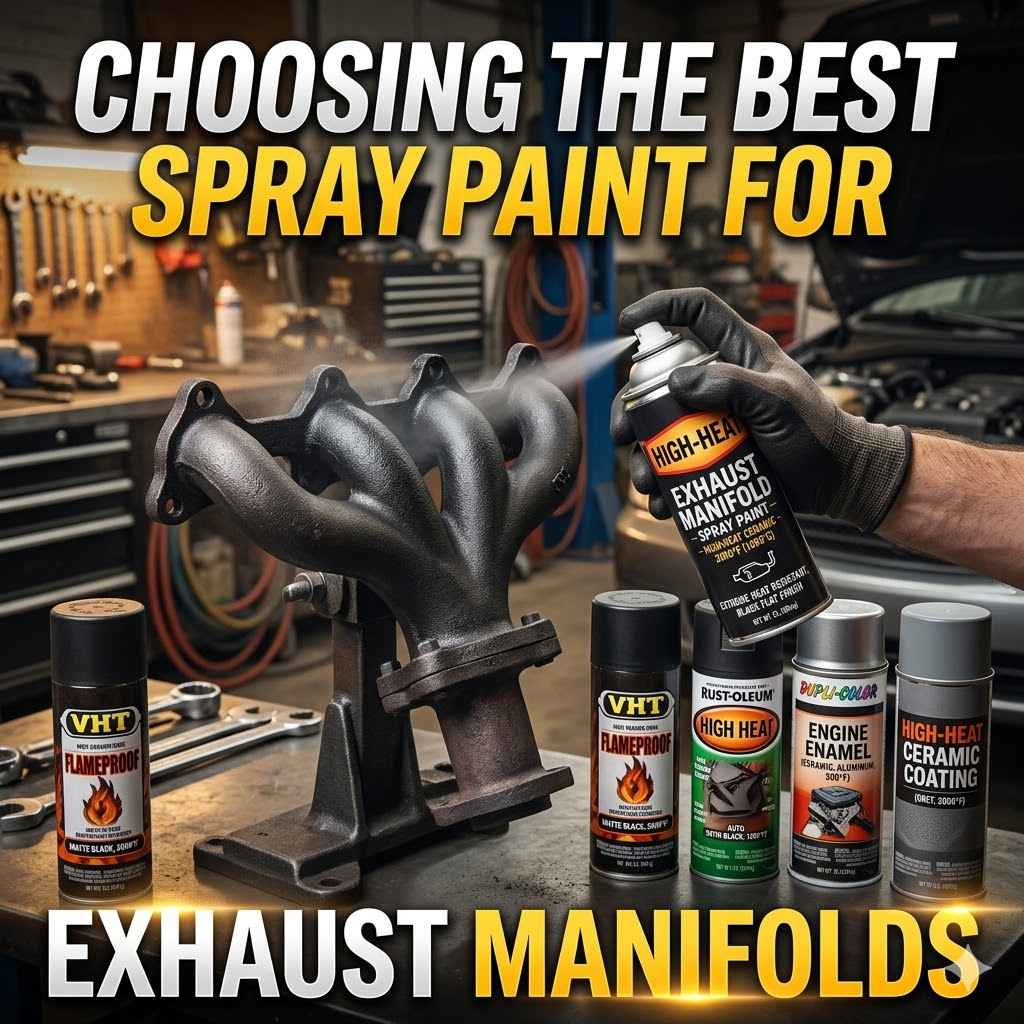
Choosing the Best Spray Paint for Exhaust Manifolds
Finding the Best Spray Paint for Exhaust Manifolds can seem a little tricky at first. You want something that looks good and lasts. Many people wonder what makes one paint better than another for these hot parts. Don’t worry, it’s simpler than it sounds. This guide will walk you through everything you need to know, step by step. We’ll make sure you can pick the right paint and get great results for your vehicle.
Selecting the Best Spray Paint for Exhaust Manifolds
Choosing the right spray paint for your exhaust manifolds is important for both looks and durability. These parts get very hot, so regular paint won’t work. You need a special high-heat paint designed for these conditions. This section will help you understand what to look for and why certain paints are better. It’s all about heat resistance and adhesion to metal surfaces.
Understanding High-Heat Paint Properties
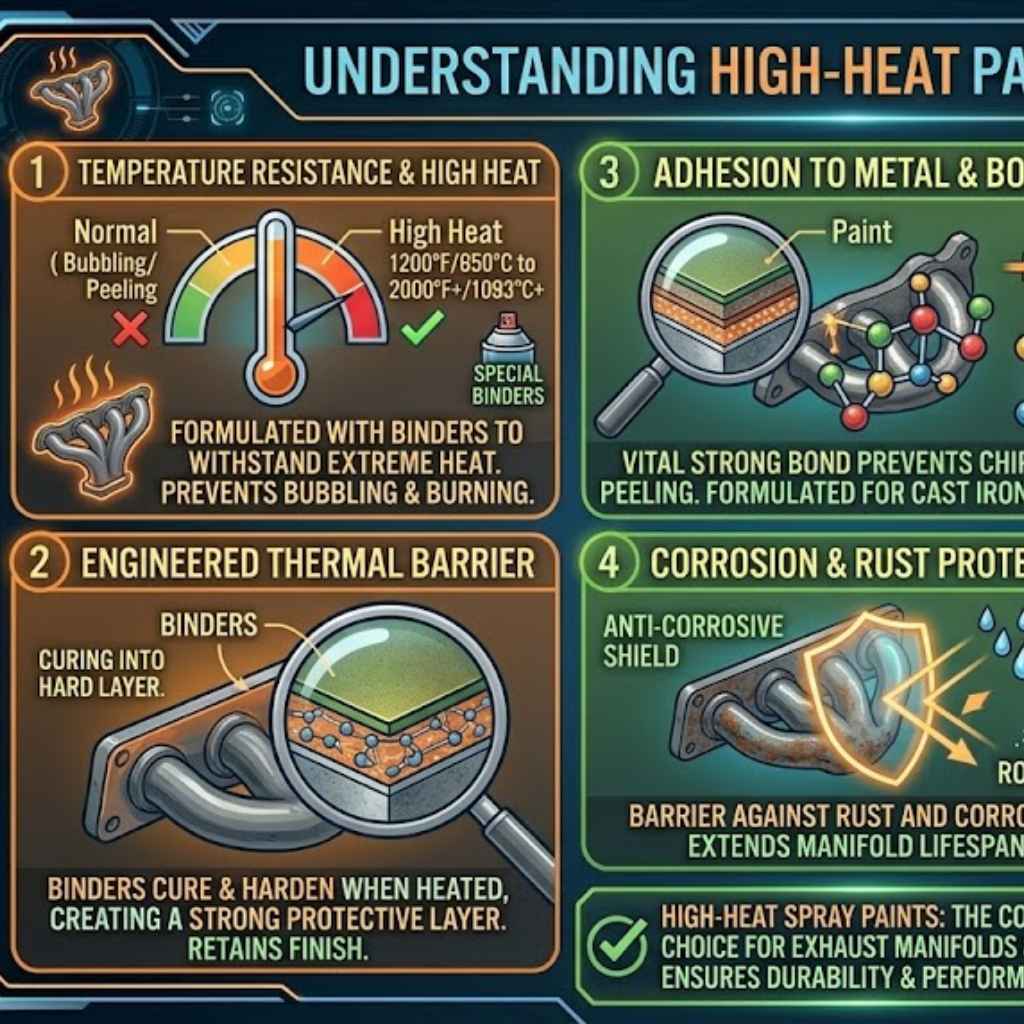
High-heat spray paints are formulated with special binders and pigments that can withstand extreme temperatures. Normal paints would bubble, peel, or burn off quickly. High-heat paints can typically handle temperatures from 1200°F (650°C) to over 2000°F (1093°C). This makes them ideal for exhaust systems, engines, and other high-temperature automotive applications. The binders in these paints cure and harden when heated, creating a strong, protective layer.
Temperature Resistance
The most critical feature of exhaust manifold paint is its ability to withstand extreme heat. Standard paints can only handle a few hundred degrees Fahrenheit before degrading. High-heat paints are engineered to resist thermal breakdown, preventing them from blistering, cracking, or flaking off. This ensures a lasting finish even under the demanding conditions of an engine bay.
Adhesion to Metal
Good adhesion is vital. The paint needs to bond strongly to the metal surface of the exhaust manifold. This prevents it from chipping or peeling, especially when the metal expands and contracts with temperature changes. Paints formulated for high-heat applications often contain special primers or additives that promote excellent bonding to cast iron, steel, and other common manifold materials.
Corrosion Protection
Exhaust manifolds are exposed to moisture, road salt, and other corrosive elements. A good high-heat spray paint will also provide a barrier against rust and corrosion. This not only keeps the manifold looking good but also extends its lifespan and prevents structural damage. Many of these paints include anti-corrosive agents for added protection.
Finish and Color Options
While performance is key, aesthetics matter too. High-heat paints come in various finishes, most commonly satin black, gloss black, and metallic silver. These colors are popular because they can help mask dirt and grime and blend well with other engine components. Some brands offer a limited range of other colors, but black and silver are the most practical and widely available.
Ease of Application
The best spray paints are easy to apply with minimal fuss. They should come in convenient aerosol cans with good spray nozzles that produce an even, consistent coat. Proper preparation of the surface is always necessary, but a good quality paint will make the actual spraying process straightforward.
Real-World Example: Restoring a Classic Car’s Engine Bay
When restoring a classic car, enthusiasts often want the engine bay to look as good as new. The exhaust manifolds, being prominent components, can detract from the overall appearance if they are rusty and dull. A common project involves removing the manifolds, sandblasting them to bare metal, and then applying a high-heat ceramic paint. This not only restores their appearance with a deep satin black finish but also protects them from future corrosion and heat damage. Owners report that using brands like VHT or Dupli-Color ceramic exhaust paints can keep their manifolds looking factory-fresh for many years, even with regular driving.
Factors to Consider When Buying
When you’re looking for the Best Spray Paint for Exhaust Manifolds, a few key factors will help you make the right choice. It’s not just about picking the first can you see. Think about what your vehicle needs and what kind of results you’re aiming for. This will save you time and ensure you don’t have to redo the job soon after.
Durability and Longevity
The primary concern is how long the paint will last. Exhaust manifolds experience intense heat cycles and vibrations. A paint that is not durable will quickly fail, leading to a patchy, unsightly finish and requiring reapplication. Look for paints specifically rated for extreme temperatures and known for their robust performance. Many manufacturers boast about the longevity of their high-heat coatings, and reading user reviews can often reveal which products truly stand the test of time.
Heat Cycle Performance
Exhaust manifolds are subject to repeated heating and cooling. The paint must be able to handle these cycles without becoming brittle or cracking. Paints that are designed for constant high temperatures and thermal expansion will perform best. They are formulated to remain flexible enough to accommodate the metal’s movement while maintaining their integrity.
Resistance to Oil and Chemicals
Engine bays can be messy places. Leaks from oil, coolant, or other automotive fluids can quickly ruin a paint job if the paint is not resistant to them. High-quality exhaust manifold paints are often formulated to resist common automotive chemicals, ensuring that spills don’t stain or damage the finish. This adds to the overall durability and ease of maintenance of the painted manifolds.
UV Resistance (Less Critical but a Plus)
While exhaust manifolds are not directly exposed to constant sunlight, some UV resistance can still be beneficial, especially for parts of the exhaust system that might be more visible. However, this is a secondary concern compared to heat and chemical resistance. Most high-heat automotive paints offer some level of UV protection.
Surface Preparation Importance
No matter how good the paint is, poor surface preparation will lead to a poor outcome. This is one area where you absolutely cannot cut corners. Getting the surface clean, rust-free, and properly primed is essential for the paint to stick and last. Think of it as building a strong foundation for a house; if the foundation is weak, the house won’t stand for long.
Cleaning the Manifold
Start by removing any dirt, grease, oil, or old, loose paint. A good degreaser is essential for this step. You might need to use a wire brush or scraper to remove caked-on grime. Ensure all cleaning agents are thoroughly removed before proceeding. A spotless surface is key to good adhesion.
Removing Rust and Old Paint
Any rust or loose paint must be completely removed. Sandblasting is the most effective method, as it cleans the surface thoroughly and creates a profile for the paint to adhere to. If sandblasting isn’t an option, you can use a wire wheel on a grinder or drill, or heavy-grit sandpaper. The goal is to reach bare, clean metal.
Using a High-Heat Primer
While many high-heat paints can be applied directly, using a compatible high-heat primer can significantly improve adhesion and durability. A primer specifically designed for high-temperature applications will provide an extra layer of protection and ensure the topcoat bonds exceptionally well to the metal. Always check the paint manufacturer’s recommendations regarding primers.
Application Techniques for Best Results
Applying exhaust manifold paint correctly is just as important as choosing the right product. Spraying techniques can make a big difference in the final look and how well the paint performs over time. Even if you’re new to this, you can get a professional-looking finish by following a few simple tips.
Thin, Even Coats
It is always better to apply multiple thin coats rather than one thick coat. Thick coats tend to run, drip, and may not cure properly. Each thin coat should be allowed to flash off (become tacky) before applying the next. This builds up a strong, even layer of paint that adheres well to the surface.
Proper Spray Distance and Angle
Maintain a consistent spray distance, typically between 8 to 12 inches (20 to 30 cm), from the surface. Moving the can in a steady, sweeping motion, overlapping each pass slightly, will ensure an even application. Avoid stopping or starting your spray on the surface, as this can lead to uneven coverage and drips.
Ventilation and Safety
Always apply spray paint in a well-ventilated area. Exhaust manifold paints contain chemicals that require proper airflow to dissipate safely. Wear a respirator mask to avoid inhaling fumes, and wear gloves and eye protection. If painting in a garage, open doors and windows, or consider using an outdoor space if weather permits.
Curing Process
Most high-heat paints require a curing process that involves heat. This is often achieved by running the engine after the paint has dried to the touch. The manufacturer’s instructions will specify the curing procedure, which might involve idling the engine for a certain period or driving the vehicle. This heat-curing step is crucial for the paint to reach its maximum hardness and heat resistance.
Common Types of High-Heat Paints
There are several types of high-heat spray paints available, each offering different benefits and performance characteristics. Understanding these types will help you choose the best one for your specific needs. Most often, you’ll see ceramic or silicone-based formulations.
Ceramic Exhaust Paints
Ceramic-based paints are very popular for exhaust manifolds due to their exceptional heat resistance and durability. They create a hard, ceramic-like finish that is highly resistant to chipping, fading, and corrosion. These paints often contain ceramic particles that help to reflect heat, contributing to their superior performance. They typically offer a smooth, satin or gloss finish.
Silicone-Based Paints
Silicone-based high-heat paints are also effective and can withstand very high temperatures. They tend to be more flexible than ceramic paints, which can be advantageous on components that experience significant thermal expansion and contraction. However, they might not offer the same level of scratch resistance as ceramic formulations.
Engine Enamel Paints
While often labeled as high-heat, standard engine enamels typically have lower temperature ratings compared to specialized exhaust manifold paints. They are generally suitable for engine blocks and other components that don’t reach the extreme temperatures of exhaust headers or pipes. Always check the specific temperature rating on the can to ensure it’s adequate for your manifold.
Comparing Top Brands and Products
When looking for the Best Spray Paint for Exhaust Manifolds, checking out reputable brands is a smart move. Different brands excel in different areas, and knowing which ones are well-regarded can guide your decision. We’ll look at some popular choices and what makes them stand out.
Popular High-Heat Paint Brands
Several brands are well-known for their high-quality high-heat spray paints. These companies have a long history of producing durable and reliable automotive coatings. Choosing a product from one of these brands generally means you’re getting a paint that has been tested and proven effective.
VHT (Very High Temperature) FlameProof Series
VHT is a highly respected name in high-heat paints. Their FlameProof series is specifically designed for extreme temperatures, often reaching up to 2000°F (1093°C). This series is a favorite among enthusiasts and professionals for its superior durability and resistance to thermal shock. It’s available in common colors like satin black, gloss black, and aluminum.
Dupli-Color Ceramic Exhaust Paint
Dupli-Color offers a popular ceramic exhaust paint line that provides excellent heat resistance, typically up to 1500°F (815°C). This makes it suitable for most exhaust manifold applications. It’s known for its ease of application and a durable, corrosion-resistant finish. Their high-gloss black and satin black options are particularly popular for achieving a factory-like appearance.
Rust-Oleum High Heat Paint
Rust-Oleum provides a more budget-friendly option that still offers good performance for many automotive applications. Their High Heat paint is generally rated for around 1200°F (650°C), making it suitable for many exhaust manifolds, though perhaps not for the absolute hottest applications. It offers good protection against rust and is widely available.
Product Comparison Table
Here is a quick look at how some popular high-heat paints compare. This table highlights key features to help you decide which might be the best fit for your project.
| Brand | Product Line | Max Temperature Rating | Common Finishes | Key Features |
|---|---|---|---|---|
| VHT | FlameProof | 2000°F (1093°C) | Satin Black, Gloss Black, Aluminum | Exceptional heat resistance, excellent durability, thermal shock resistance. |
| Dupli-Color | Ceramic Exhaust Paint | 1500°F (815°C) | Satin Black, High Gloss Black | Good heat resistance, easy application, corrosion protection. |
| Rust-Oleum | High Heat Paint | 1200°F (650°C) | Satin Black, Primer | Budget-friendly, good general protection, rust prevention. |
VHT FlameProof for Extreme Conditions
If your vehicle experiences very high exhaust temperatures or you want the absolute best in longevity and resistance, VHT FlameProof is often the top choice. Its ability to withstand up to 2000°F means it’s suitable for even the most demanding engines. Many automotive forums and DIY communities highlight its reliability for track cars, high-performance vehicles, and heavy-duty trucks where exhaust temperatures can soar.
Dupli-Color Ceramic for Reliable Performance
For most everyday vehicles, including daily drivers and classic cars, Dupli-Color Ceramic Exhaust Paint offers a great balance of performance, price, and ease of use. Its 1500°F rating is sufficient for the vast majority of passenger vehicles. It’s user-friendly, meaning a DIYer can achieve a professional-looking finish with good preparation and application.
Rust-Oleum for Cost-Effectiveness
Rust-Oleum High Heat paint is a solid option when budget is a significant concern, or for applications that don’t regularly reach the highest temperatures. It still provides a significant upgrade over standard spray paints and offers good protection against rust and moderate heat. It’s a good entry-level choice for many projects, such as a weekend cruiser or a less frequently used vehicle.
Case Study: A Truck Owner’s Exhaust Manifold Project
A common scenario involves truck owners looking to refresh their aging exhaust manifolds. One owner of a 2005 Ford F-150 noticed the original manifolds were covered in surface rust and looked quite unsightly. They decided to tackle the project themselves.
1. First, they removed the manifolds.
2. Then, they used a wire brush and some sandpaper to remove as much rust and old paint as possible.
3. After cleaning thoroughly with a degreaser and then acetone, they applied Dupli-Color Ceramic Exhaust Paint in satin black.
4. They followed the curing instructions by letting the paint dry for 24 hours and then idling the engine for 30 minutes, followed by a short drive.
The results were impressive. The manifolds had a uniform, deep black finish that looked much better than before. After several months of regular driving, including exposure to rain and varying temperatures, the paint held up remarkably well with no signs of peeling or excessive fading. This demonstrated the effectiveness of a good ceramic paint with proper preparation.
Best Practices for Exhaust Manifold Painting
To ensure your painted exhaust manifolds look great and last as long as possible, follow these best practices. It’s all about attention to detail and taking your time. These tips are straightforward and will help you achieve professional results.
Preparing the Surface is Key
As mentioned before, preparation is the most critical step. A clean, rust-free surface is essential for the paint to adhere properly. If you skip this, the paint will likely fail. This cannot be stressed enough.
Thorough Cleaning and Degreasing
Use a strong automotive degreaser to remove all oil, grease, and road grime. For stubborn residues, you might need a few applications. Acetone is excellent for a final wipe-down to ensure no contaminants are left behind.
Rust Removal Techniques
Invest time in removing all rust. Wire brushes, sandpaper, or a grinder with a wire wheel attachment are necessary. For the best adhesion, aim for a clean, bare metal surface. Sandblasting is the ideal method if available.
Masking Adjacent Components
Use painter’s tape and paper or plastic sheeting to protect any surrounding engine parts, fenders, or the vehicle’s paint from overspray. This will save you a lot of cleanup time later.
Applying the Paint Correctly
The way you apply the paint directly impacts the final finish and its durability. Following the can’s instructions and general best practices will yield the best results.
Shake the Can Well
Before and frequently during use, shake the spray can vigorously for at least one to two minutes. This ensures the pigment and propellant are thoroughly mixed, leading to a consistent spray.
Multiple Thin Coats vs. One Thick Coat
Apply several thin coats rather than one heavy one. This prevents drips and runs and allows each layer to bond properly. Allow sufficient flash-off time between coats as recommended by the manufacturer.
Consistent Spray Pattern
Maintain a steady motion and consistent distance from the surface. Overlap each pass by about 50% for uniform coverage. Avoid spraying in short bursts or holding the can too close or too far away.
Curing and Post-Application Care
The curing process is vital for high-heat paints to reach their full potential. Do not skip this step, as it is crucial for durability.
Following Manufacturer’s Curing Instructions
Each paint product will have specific curing instructions, usually involving heat. This typically involves running the engine at idle for a set period or taking a short drive. The heat activates the paint’s curing agents.
Initial Heat Cycle Symptoms
During the initial heat-up, you might notice some smoke or a faint odor. This is normal as the paint cures and any residual solvents evaporate. Ensure good ventilation during this phase. The smell should dissipate quickly.
Allowing Adequate Cooling Time
After painting and curing, allow the manifolds to cool completely before touching or reinstalling them fully. This prevents damage to the fresh coating.
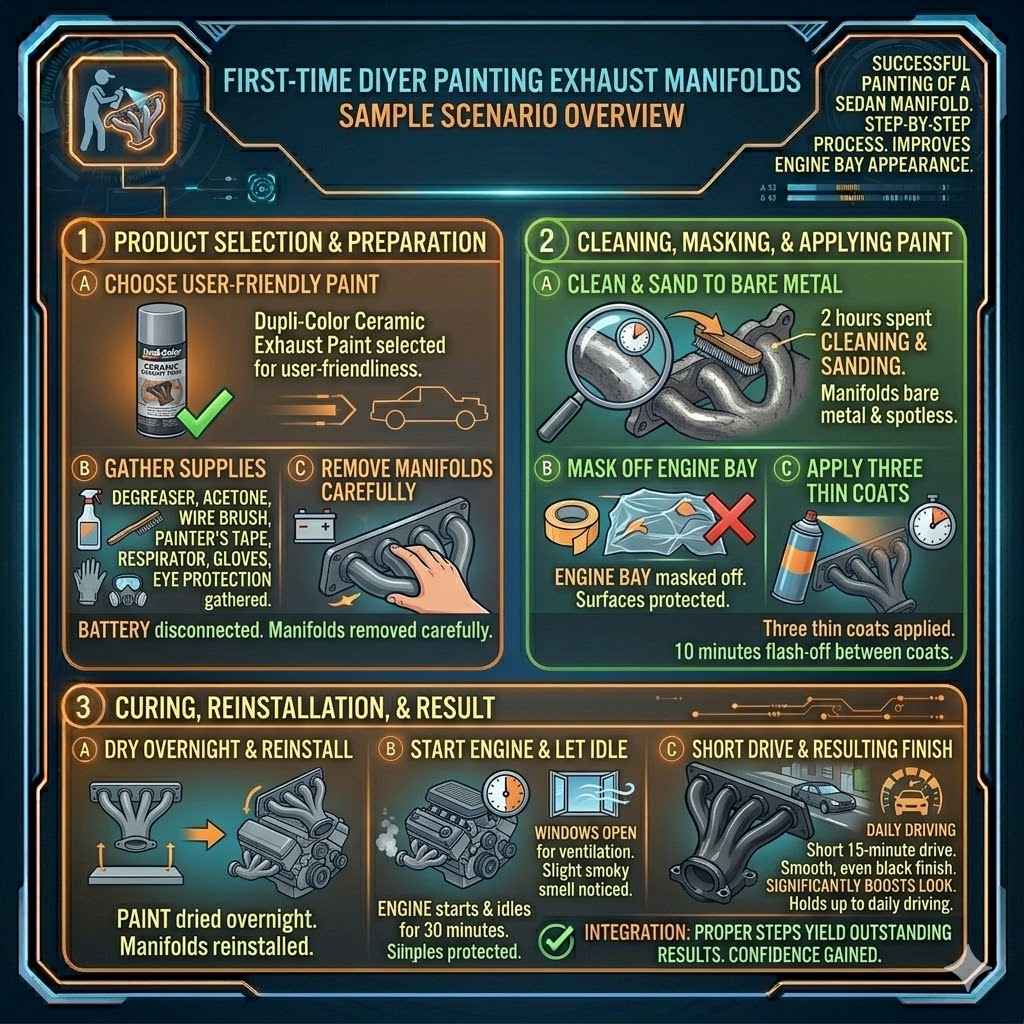
Sample Scenario: First-Time DIYer Painting Manifolds
Imagine a car owner who has never painted an exhaust manifold before. They own a practical sedan and want to improve its appearance.
1. They choose a can of Dupli-Color Ceramic Exhaust Paint based on its user-friendliness.
2. They gather supplies: degreaser, acetone, wire brush, painter’s tape, respirator, gloves, and eye protection.
3. They disconnect the battery and remove the manifolds carefully.
4. They spend two hours cleaning and sanding the manifolds until they are bare metal and spotless.
5. They mask off the engine bay and apply three thin coats of paint, allowing 10 minutes flash-off between each.
6. After letting the paint dry overnight, they reinstall the manifolds.
7. They start the engine and let it idle for 30 minutes, with windows open for ventilation, noticing a slight smoky smell.
8. They then take a short 15-minute drive.
The result is a smooth, even black finish that significantly boosts the engine bay’s look. The paint holds up well to daily driving, resisting minor heat and grime.
Frequently Asked Questions
Question: What is the maximum temperature my exhaust manifold paint should withstand?
Answer: For most vehicles, exhaust manifold paint should withstand at least 1200°F (650°C). High-performance vehicles or those used in demanding conditions might benefit from paints rated for 1500°F (815°C) or even 2000°F (1093°C).
Question: Can I use regular spray paint on my exhaust manifolds?
Answer: No, regular spray paint is not designed for the extreme heat of exhaust manifolds. It will burn, bubble, peel, and discolor very quickly. You must use a specialized high-heat or exhaust manifold paint.
Question: How long does exhaust manifold paint typically last?
Answer: With proper preparation and application, quality high-heat exhaust manifold paint can last for several years. Longevity depends on driving conditions, maintenance, and the specific product used.
Question: Do I need to prime exhaust manifolds before painting?
Answer: While some high-heat paints can be applied directly, using a compatible high-heat primer can significantly improve adhesion and the overall durability of the finish. Always check the paint manufacturer’s recommendations.
Question: Will the paint smell when I first run the engine?
Answer: Yes, it is normal for high-heat paint to produce some smoke and a distinct odor during the initial heat-curing process. Ensure the area is well-ventilated during this time.
Summary
Selecting the Best Spray Paint for Exhaust Manifolds involves choosing a high-heat formulation designed for extreme temperatures. Proper surface preparation is crucial for adhesion and longevity. Applying thin, even coats and following the manufacturer’s curing instructions will ensure a durable, attractive finish. Brands like VHT, Dupli-Color, and Rust-Oleum offer reliable options for various needs and budgets.