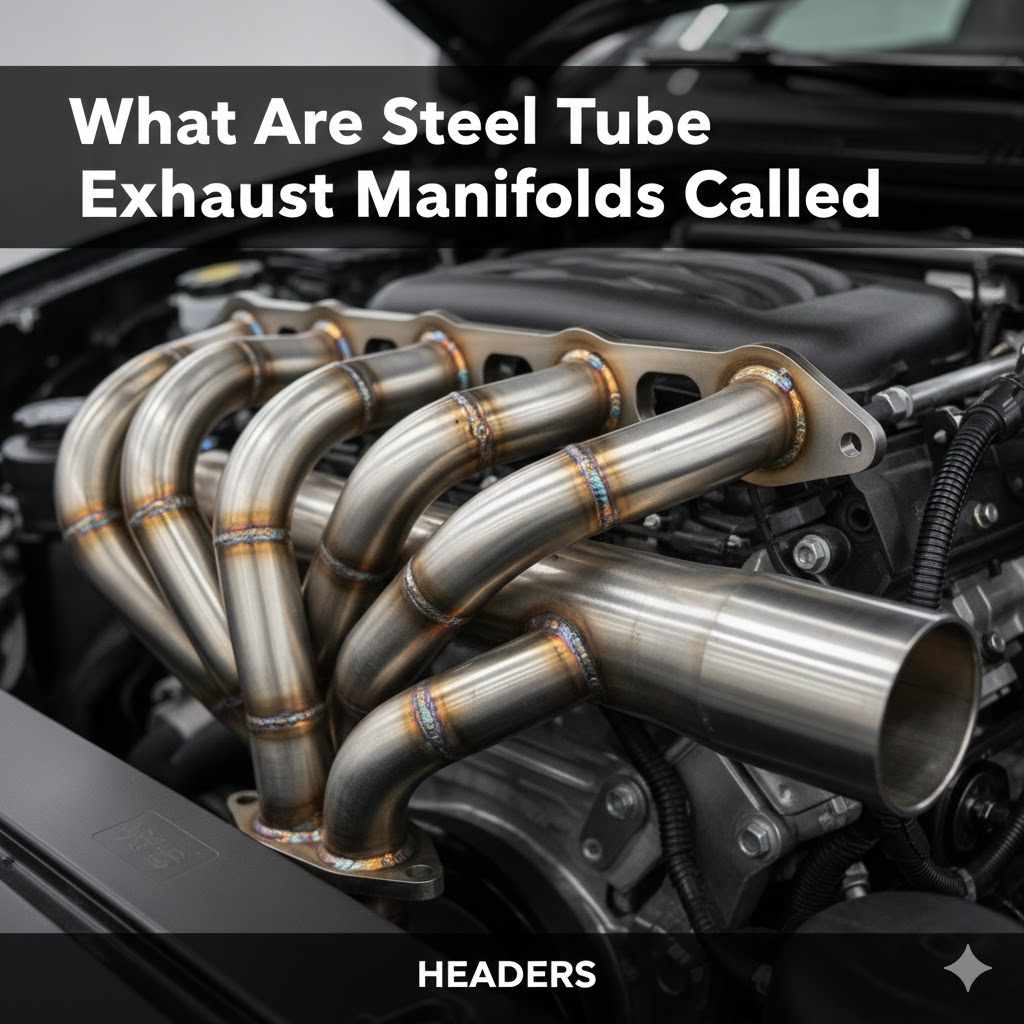
What Are Steel Tube Exhaust Manifolds Called?
It can be a bit tricky when you first start looking into car parts. People use different words, and sometimes it’s hard to know what they mean. You might wonder, What Are Steel Tube Exhaust Manifolds Called? because you’ve heard a few terms that sound similar but aren’t quite the same.

PG POWERGO MOTORSPORT
Exhaust Headers Stainless Steel 1-5/8" for 2011-2017…
- Direct replacement of stock manifolds and bolt-on fit for stock exhaust pipes
- Most efficient at providing horsepower gain from idle to mid-range RPM
- Fully mandrel bent tubes made of 16-gauge (1.5mm thickness), 409 stainless steel
As an Amazon Associate I earn from qualifying purchases.
Don’t worry, it’s super common! We’ll break it down super simply, step by step, so you’ll know exactly what you’re looking for. Get ready to learn the real names and understand why they matter for your car’s engine.
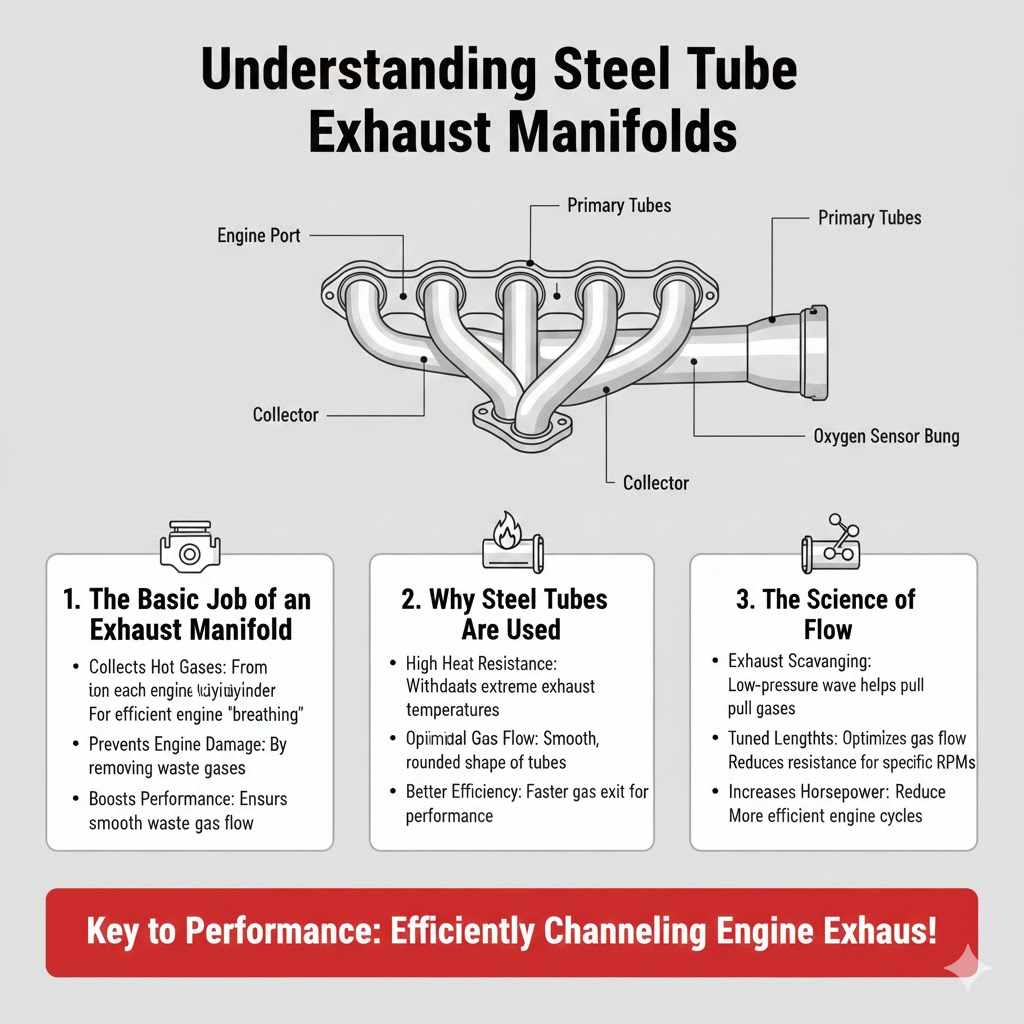
Understanding Steel Tube Exhaust Manifolds
This section is all about getting to know what steel tube exhaust manifolds are. We’ll explain what they do for your car’s engine and why they are made from steel tubes. It’s like learning the basic building blocks before you construct something bigger.
Knowing these basics helps you appreciate why they are designed the way they are. We will cover their fundamental purpose and the materials used in their construction. This foundational knowledge is key to grasping the more specific details later on.
The Basic Job of an Exhaust Manifold
An exhaust manifold is like the engine’s conductor for exhaust gases. Its main job is to collect hot gases from each cylinder in your engine. These gases are the waste product of combustion, the process that makes your engine run.
The manifold then directs these gases into a single pipe, the exhaust pipe. This helps your engine breathe out efficiently. Think of it as the engine’s exhaust “hugger” and “leader.”
Without a proper exhaust manifold, these hot gases would just hang around in the cylinders. This would make your engine run poorly and could even cause damage over time. The manifold ensures a smooth flow, allowing the engine to perform at its best.
It’s a vital part of the exhaust system, connecting the engine’s heart to the rest of the system that quiets and cleans the exhaust.
Why Steel Tubes Are Used
Steel is a strong metal. It can handle the very high temperatures produced when an engine burns fuel. The exhaust gases are incredibly hot, and steel is tough enough to withstand this heat day after day.
This makes it a reliable material for such a critical engine component. It also offers good durability, meaning it can last a long time without breaking.
Using tubes also helps with how the exhaust gases flow. The smooth, rounded shape of tubes helps the gases move quickly and without much resistance. This helps the engine get rid of waste gases faster.
Faster gas flow means the engine can take in fresh air and fuel more easily for the next cycle. This leads to better engine performance and efficiency. It’s a smart design choice for handling intense heat and gases.
Common Names for Steel Tube Exhaust Manifolds
Now let’s get to the heart of what you’re asking: What Are Steel Tube Exhaust Manifolds Called? You might hear a few different terms tossed around by mechanics, car enthusiasts, or in online forums. Some of these names are more common than others, and understanding them will clear up any confusion. We’ll explore the most frequent names used for these parts and explain why different terms might pop up.
This will give you the confidence to ask for the right part when you need it.
Header Pipes
One of the most common names you’ll hear for steel tube exhaust manifolds is “headers” or “header pipes.” This term is widely used, especially by people who like to modify or improve their car’s performance. Headers are typically designed to be more efficient than the stock, or original, exhaust manifold that came with the car. They often have smoother bends and optimized tube lengths to help exhaust gases exit the engine more freely.
The word “header” comes from the idea that these pipes “header” or lead the exhaust gases away from the engine cylinders. They are a performance upgrade because they can help the engine breathe better. This improved breathing can lead to a small but noticeable increase in horsepower and torque.
It’s a popular modification for those looking to get more out of their vehicle’s engine.
Exhaust Headers
“Exhaust headers” is another term you will frequently encounter. It’s very similar to “header pipes” and often used interchangeably. This name specifically highlights that these are headers for the exhaust system.
It’s a clear and descriptive term that leaves little room for misunderstanding. When someone talks about installing “exhaust headers,” they are referring to the performance-oriented steel tube exhaust manifold.
These are usually made from stainless steel or mild steel. Stainless steel is more expensive but resists rust and corrosion much better, making it a preferred choice for durability. Mild steel is more affordable but may require coatings or painting to prevent rust.
The design of exhaust headers is crucial for their effectiveness, with equal-length tubes being a common feature for optimal gas flow.
Performance Manifolds
Sometimes, people might simply refer to them as “performance manifolds.” This is a broader term but generally points to the same kind of part. It distinguishes these high-flow, tube-style manifolds from the standard, cast-iron manifolds that often come as original equipment on cars. The emphasis here is on the enhanced performance they offer.
These performance manifolds are engineered to reduce backpressure. Backpressure is the resistance that exhaust gases face as they try to escape the engine. Lower backpressure means the engine works less hard to expel exhaust, allowing it to run more freely and efficiently.
This can result in better throttle response and a more powerful engine feel. The design often includes specific tube diameters and lengths calculated for particular engine types.
Custom Exhaust Manifolds
In some cases, especially for highly specialized or classic vehicles, you might hear the term “custom exhaust manifolds.” This refers to manifolds that are built to order for a specific application. This could be because a standard performance header doesn’t fit the vehicle, or the owner wants a unique design for a specific performance goal. These are often made from high-quality steel tubes.
Custom fabrication allows for precise tuning of the manifold’s dimensions to match the engine’s characteristics perfectly. This can maximize exhaust scavenging, which is the process of efficiently pulling exhaust gases out of the cylinders. While more expensive, custom manifolds offer the ultimate in performance optimization and can be essential for highly tuned or racing engines where every bit of efficiency counts.
Distinguishing Steel Tube Manifolds from Cast Iron Ones
It’s important to know that not all exhaust manifolds are made of steel tubes. Many cars come with cast-iron exhaust manifolds. Understanding the difference helps you identify what you have and what upgrades are available.
This section will highlight the key differences in material, design, and performance between steel tube manifolds and their cast-iron counterparts. This will make it clear why steel tube designs are often preferred for performance.
Cast Iron Exhaust Manifolds
Cast iron manifolds are the workhorses of standard vehicles. They are made by pouring molten iron into a mold, creating a solid, heavy piece. Because of this manufacturing process, they are generally very durable and can last a long time under normal driving conditions.
They are also relatively inexpensive to produce, which is why manufacturers use them as standard equipment.
However, cast iron is a brittle material. It can crack under extreme temperature changes or impact. Also, the manufacturing process doesn’t easily allow for the precise tube shaping that optimizes exhaust flow.
The internal passages are often rough and have sharp bends. This creates significant backpressure, hindering the engine’s ability to expel exhaust gases efficiently. This is why upgrading from cast iron is a common performance choice.
Steel Tube Exhaust Manifold Design Advantages
Steel tube exhaust manifolds, often called headers, offer several advantages over cast iron. Their construction from individual tubes allows for much smoother bends and optimized lengths. This smooth flow reduces exhaust gas resistance, which is known as backpressure.
Less backpressure means the engine doesn’t have to work as hard to push out exhaust. This allows more fresh air and fuel to enter the cylinders, leading to better engine performance.
Additionally, steel tube manifolds are typically lighter than cast iron ones. This can contribute to a slight reduction in overall vehicle weight, which is always a plus for performance. The materials used, like stainless steel, also offer better resistance to rust and corrosion, especially compared to raw cast iron.
This means they can last longer and maintain their appearance better over time.
Performance Impact Comparison
The difference in performance between a cast iron manifold and a well-designed steel tube header can be significant. While a stock cast iron manifold might be adequate for daily driving, it limits the engine’s potential. A steel tube header, on the other hand, can unlock hidden power.
The improved exhaust flow can result in gains of 5-15% or even more in horsepower and torque, depending on the engine and the specific header design.
This performance gain is not just about peak numbers. It also affects how the car feels to drive. You might notice quicker acceleration, better responsiveness when you press the gas pedal, and a more satisfying engine sound.
Many enthusiasts find the enhanced engine note produced by performance headers to be a desirable bonus. This is why upgrading headers is a popular step in performance tuning.
Material and Construction Variations
When we talk about steel tube exhaust manifolds, the type of steel and how they are put together matters a lot. Different materials and construction methods affect how long they last, how well they perform, and of course, their price. This part will explore the common materials used and the ways these manifolds are built, giving you a clearer picture of the options available.
This knowledge helps in making an informed decision for your vehicle.
Stainless Steel Headers
Stainless steel is a highly popular material for performance exhaust headers. It’s an alloy of iron, chromium, and often nickel, which gives it excellent resistance to rust and corrosion. This is a huge benefit because exhaust systems are exposed to moisture, road salt, and heat, all of which can cause ordinary steel to rust away quickly.
Stainless steel headers tend to last much longer.
There are different grades of stainless steel, such as 304 and 409. 304 stainless steel is considered premium. It offers superior corrosion resistance and a shiny appearance that many people like.
409 stainless steel is more commonly used for performance parts as it offers good corrosion resistance at a lower cost and is designed to withstand high exhaust temperatures.
Mild Steel Headers
Mild steel is a more affordable option for exhaust headers. It’s essentially iron with a small amount of carbon. While it’s strong and can handle the heat, it does not have the natural rust resistance of stainless steel.
If you choose mild steel headers, they usually come with a special coating or finish, such as ceramic coating or high-temperature paint, to protect them from rust and corrosion.
The coatings are crucial. Without them, mild steel headers would quickly show signs of rust, especially in humid or salty environments. Ceramic coatings also help insulate the pipes, keeping heat within the exhaust system, which can slightly improve exhaust scavenging efficiency.
However, even with coatings, mild steel may not last as long as high-quality stainless steel in harsh conditions.
Tube Diameter and Length Considerations
The diameter and length of the steel tubes in an exhaust manifold are not random; they are carefully chosen for specific engine applications. Tube diameter affects how easily exhaust gases can flow. Larger diameter tubes generally allow for better flow, which is beneficial for high-performance or turbocharged engines that produce a large volume of exhaust gas.
Tube length is also critical, especially in equal-length headers. When all tubes have the same length, the exhaust pulses from each cylinder arrive at the collector at roughly the same time. This synchronized arrival can create a “scavenging effect,” where the departing exhaust pulse helps pull the next pulse out of the cylinder.
This improved scavenging makes the engine more efficient and powerful.
For example, a small 4-cylinder engine might perform best with smaller diameter tubes, perhaps 1.5 to 1.75 inches, and lengths tuned for mid-range torque. A large V8 engine designed for high RPM power might benefit from larger tubes, perhaps 1.75 to 2.25 inches, with lengths optimized for top-end horsepower. Choosing the right size for your engine is key to getting the most benefit.
Welding and Fabrication Techniques
The quality of the welding and fabrication is a major factor in the durability and performance of steel tube exhaust manifolds. High-quality headers are typically TIG (Tungsten Inert Gas) welded. This method produces strong, clean, and precise welds that are less likely to crack or leak.
The welds should be smooth on the inside to avoid disrupting exhaust flow.
Many reputable manufacturers use mandrel bending for their tubes. This process uses a strong internal “mandrel” to support the tube during bending, preventing it from collapsing or kinking. This ensures a smooth, consistent inner diameter throughout the bend, which is vital for optimal exhaust gas flow.
Cheaply made headers might use crush bending, which can create restrictions.
A well-fabricated header will have flanges that are precisely machined for a perfect seal against the cylinder head. The collector, where all the tubes merge, should also be designed for smooth flow into the exhaust system. These details in fabrication contribute significantly to the overall performance and lifespan of the manifold.
Benefits of Upgrading to Steel Tube Headers
If you’re wondering about improving your car’s performance, upgrading your exhaust manifold is a popular choice. This section will detail the advantages of switching from a standard manifold to a steel tube design, often called headers. We will cover how they boost power, improve engine sound, and can even help with fuel efficiency.
Understanding these benefits will help you see why many car owners choose this upgrade.
Increased Horsepower and Torque
One of the most significant benefits of upgrading to steel tube exhaust manifolds, or headers, is the potential for increased horsepower and torque. As we’ve discussed, the smoother and less restrictive design of headers allows exhaust gases to exit the engine more efficiently. This reduction in backpressure means the engine can breathe more freely.
When the engine can expel exhaust gases more easily, it requires less energy. This saved energy can then be used to produce more power. This effect is often more pronounced at higher engine speeds (RPMs) where the volume of exhaust gases is greatest.
However, well-designed headers can also provide noticeable improvements in the mid-range, making the car feel more responsive during everyday driving.
A study by the Society of Automotive Engineers (SAE) found that replacing restrictive stock exhaust manifolds with performance headers can lead to power gains ranging from 5% to 15% on many naturally aspirated gasoline engines. For turbocharged engines, the gains can sometimes be even higher due to the importance of efficient exhaust flow for turbocharger spooling.
Improved Exhaust Sound
Beyond performance, steel tube exhaust manifolds often change the sound of your car’s exhaust. The smoother, more direct flow of gases through headers can create a deeper, more aggressive, and sportier exhaust note. Many car enthusiasts find this enhanced sound to be a very appealing aspect of having headers installed.
The specific sound profile will vary depending on the engine, the type of headers, and the rest of the exhaust system. However, generally speaking, headers tend to make the exhaust sound louder and more resonant. It’s a distinct sound that many associate with performance vehicles.
Some headers are designed with specific tube lengths and collector designs to tune the exhaust note to be more pleasing.
Potential for Better Fuel Efficiency
While the primary goal of headers is usually performance, they can also contribute to improved fuel efficiency. This might seem counterintuitive, as more power often means more fuel is burned. However, when an engine works more efficiently due to reduced backpressure, it requires less effort to achieve a certain speed or acceleration.
This means that under lighter loads or steady cruising conditions, the engine may use less fuel because it is no longer fighting against a restrictive exhaust system. The improved scavenging effect can help ensure that each cylinder is cleared of spent gases completely, making the combustion process more complete and efficient. So, while you might use more fuel when accelerating hard, you could see savings during normal driving.
Lighter Weight
As mentioned earlier, steel tube exhaust manifolds are generally lighter than cast-iron ones. This is because steel tubes are hollow and often made from thinner materials compared to solid, dense cast iron. For example, a typical cast-iron exhaust manifold might weigh anywhere from 15 to 30 pounds, while a comparable stainless steel header set could weigh as little as 5 to 10 pounds.
Reducing weight, especially from the front of the vehicle, can have a positive impact on a car’s overall performance. A lighter car can accelerate faster, brake more effectively, and handle better. While the weight saving from just the exhaust manifold might not be massive on its own, it contributes to the overall goal of reducing vehicle mass for better performance dynamics.
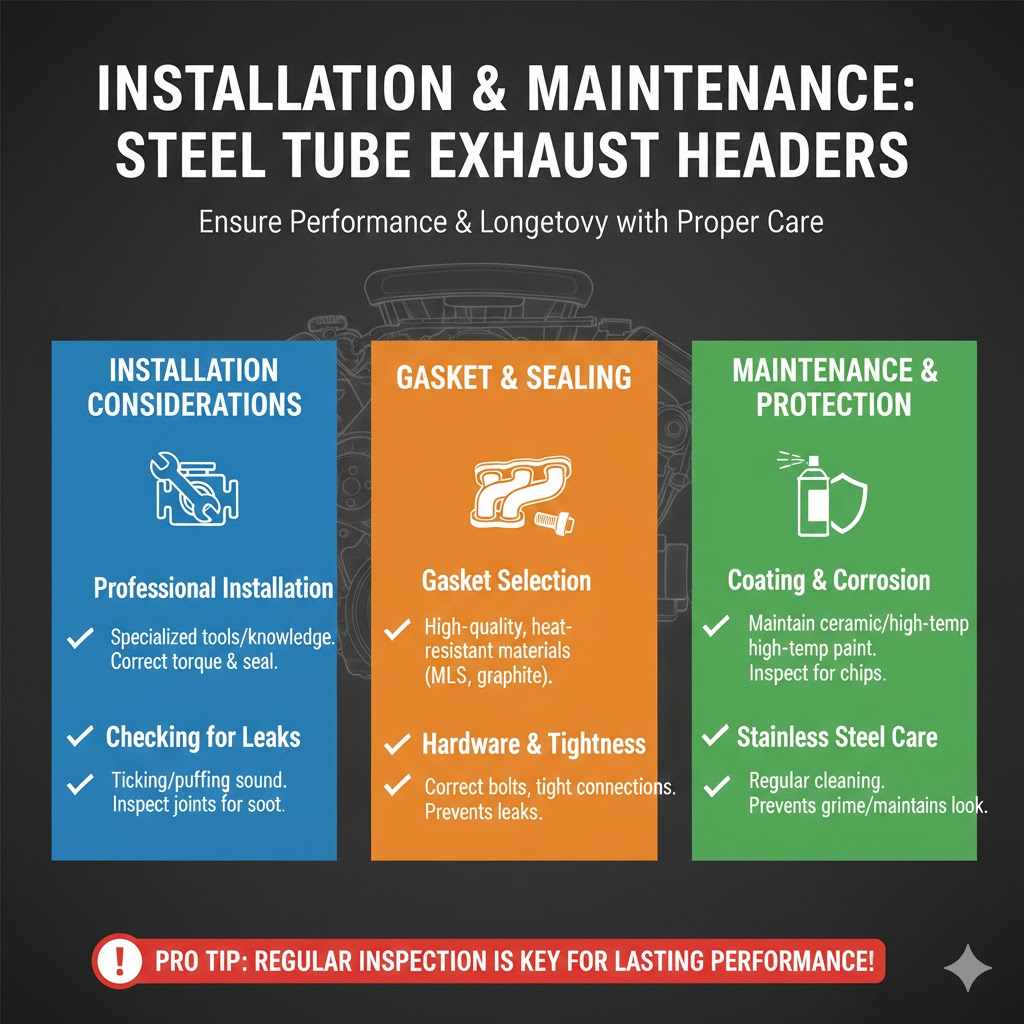
Installation and Maintenance Considerations
Putting in new steel tube exhaust manifolds, or headers, involves more than just bolting them on. There are specific steps and things to watch out for during installation. Also, keeping them in good shape means regular checks and some care.
This section will walk you through the installation process and offer tips on how to maintain your new headers to ensure they work well for a long time.
Professional Installation Recommended
While some car enthusiasts enjoy doing modifications themselves, installing headers can be a complex task. It often requires specialized tools and a good understanding of exhaust systems. The manifold bolts to the engine head, and it’s crucial to get the correct torque settings and a good seal to prevent exhaust leaks.
Exhaust leaks can reduce performance and create a loud, unpleasant noise.
Many mechanics who specialize in exhaust systems or performance modifications have the experience and equipment needed. They can ensure the headers are installed correctly, along with any necessary gaskets or mounting hardware. They can also check for clearance issues with other engine components and ensure the rest of the exhaust system connects properly.
Gasket Selection and Sealing
The gaskets used between the header flange and the engine cylinder head are very important. These gaskets create a seal to prevent exhaust gases from escaping. High-quality gaskets made from materials that can withstand extreme heat are essential.
Common materials include graphite, multi-layer steel (MLS), or specialized composite materials.
It’s also important to use the correct type and size of bolts and hardware. Often, headers come with new hardware, but sometimes you may need to source specific studs or bolts depending on your vehicle. Ensuring all connections are tight and properly sealed is key to optimal performance and preventing leaks.
Checking for Leaks
After installation, it’s vital to check for exhaust leaks. You might hear a ticking or puffing sound coming from the engine bay, especially when the engine is cold. This indicates an exhaust leak.
Leaks can occur at the connection to the cylinder head or where the header connects to the rest of the exhaust system.
A common way to check for leaks is to let the engine run for a bit, then carefully feel around the joints with your hand (while avoiding hot components!) to sense any escaping exhaust gas. You can also sometimes see black soot marks around a leaking area. If leaks are found, they need to be addressed promptly by tightening bolts or replacing gaskets.
Coating and Corrosion Protection
If you have mild steel headers, maintaining their protective coating is crucial. Ceramic coatings and high-temperature paints help prevent rust. Over time, these coatings can chip or wear away, especially if exposed to road debris or harsh chemicals.
Regular inspection of the coating is recommended.
If you notice any damage to the coating, it’s best to get it repaired or recoated. Some coatings can be reapplied by specialized shops. For stainless steel headers, while they are very resistant to rust, they can still accumulate dirt and grime.
Regular cleaning with appropriate metal cleaners can help maintain their appearance and longevity.
Frequently Asked Questions
Question: What is the primary function of an exhaust manifold?
Answer: The main job of an exhaust manifold is to collect hot exhaust gases from each cylinder of an engine and direct them into a single exhaust pipe.
Question: Are steel tube exhaust manifolds better than cast iron?
Answer: For performance, steel tube exhaust manifolds (headers) are generally better because they are less restrictive, allowing exhaust gases to flow out more easily, which can increase horsepower and torque.
Question: What is another common name for steel tube exhaust manifolds?
Answer: Another common name for steel tube exhaust manifolds is “headers” or “header pipes.”
Question: Can headers improve fuel economy?
Answer: Yes, headers can potentially improve fuel economy because the engine works more efficiently with less exhaust backpressure, especially during steady driving.
Question: What is the most common material for performance exhaust headers?
Answer: Stainless steel is the most common material for high-quality performance exhaust headers due to its durability and resistance to rust and corrosion.
Summary
So, when you ask, What Are Steel Tube Exhaust Manifolds Called? the answer is usually headers or exhaust headers. These are performance-oriented parts designed for better exhaust flow. They offer increased horsepower, a sportier sound, and can even help with fuel efficiency.
Made from durable materials like stainless steel, they are a popular upgrade for car enthusiasts seeking better engine performance and longevity.
Related pick: Check today's price on Amazon